Key Takeaways
- India’s EV charging network is rapidly expanding, with a significant push towards fast-charging solutions across major highways and urban centres.
- Government incentives and private sector investment are driving down charging costs and increasing accessibility, making EVs a more viable option for everyday Indian consumers.
- While adoption rates are climbing, particularly in the two-wheeler and three-wheeler segments, challenges remain in ensuring equitable distribution of charging infrastructure, especially in rural areas.
- New battery technologies and smarter grid integration are poised to further enhance the EV ownership experience in the coming years.
The Electric Pulse: India’s Charging Network Accelerates
The hum of electric motors is becoming an increasingly familiar sound on India’s roads. As we navigate 2026, the nation’s commitment to electric mobility is not just a policy statement; it’s a tangible, growing reality. The once-sparse charging infrastructure is now a vibrant, expanding network, crucial for the sustained growth of electric vehicles (EVs) across the country. We’re witnessing a pivotal moment where accessibility and speed are no longer distant dreams but present-day improvements.
From the bustling metropolises of Delhi and Mumbai to the scenic routes of Kerala, charging stations are sprouting with unprecedented speed. This expansion is not uniform, but the direction is clear: more chargers, faster charging, and a greater focus on user convenience. You can now plan longer journeys with significantly less range anxiety, a testament to the collective effort of government bodies, private enterprises, and forward-thinking individuals.
The narrative around EV adoption is shifting from a niche interest to a mainstream movement. This transformation is underpinned by a strategic build-out of charging infrastructure that addresses the diverse needs of Indian consumers. Whether you own a nimble electric scooter for your daily commute or a larger electric SUV for family trips, the charging ecosystem is evolving to keep pace. The next few years promise even more exciting developments, making the transition to electric even smoother.
Highway Havens and City Hubs: A Charging Landscape
The most visible surge in EV charging infrastructure is along India’s critical national highways. Connecting major cities and towns, these corridors are becoming dotted with high-speed charging stations. Companies like ChargeZone, Statiq, and Shell Recharge are investing heavily, often partnering with fuel stations and highway service providers. This strategic placement ensures that long-distance EV travel is becoming increasingly feasible, breaking down a major barrier for potential buyers.
We’re seeing a concentrated effort to install DC fast chargers (DCFCs) capable of providing significant range in under an hour. For instance, a trip from Bengaluru to Chennai, once a point of concern for EV owners, is now comfortably navigable with multiple charging points available at regular intervals. These stations often come with amenities like restrooms and small eateries, transforming the charging stop into a convenient break.
Within cities, the focus is on accessibility and ease of use. Residential societies, office complexes, and public parking lots are increasingly equipped with charging points. Municipal corporations are also playing a role, designating public spaces for EV charging. The variety of charging speeds available caters to different needs – slower AC chargers for overnight charging at home or in parking lots, and faster DC chargers for quick top-ups during the day. This dual approach ensures that charging fits seamlessly into your daily routine, whether you’re at home, at work, or out and about in cities like Pune or Ahmedabad.
Beyond the Plug: Innovations in Battery and Grid Technology
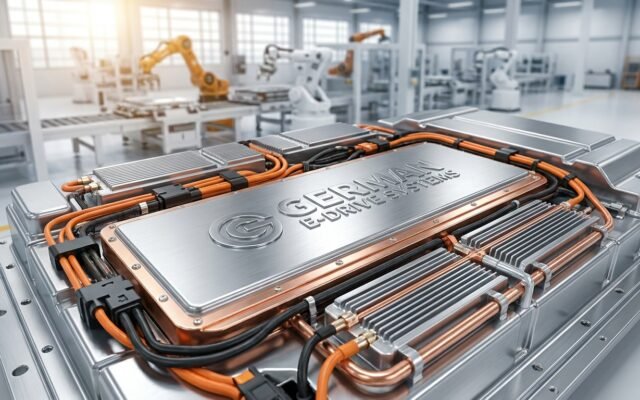
The evolution of EV charging isn’t just about adding more plugs; it’s about smarter, more efficient power delivery. Battery technology is advancing at a remarkable pace, leading to longer ranges and faster charging times. We’re seeing early deployments of solid-state battery technologies in prototype vehicles, promising even greater safety and energy density. This means you might soon see EVs with ranges exceeding 600 kilometres on a single charge, comparable to their petrol counterparts.
Simultaneously, the integration of EVs with the power grid is becoming more sophisticated. Smart charging solutions are emerging, allowing vehicles to charge during off-peak hours when electricity is cheaper and the grid is less stressed. This not only benefits the consumer through lower electricity bills but also helps in stabilizing the grid. Utilities are exploring Vehicle-to-Grid (V2G) technology, where EVs can even feed power back into the grid during peak demand, turning your car into a mobile energy asset.
Another exciting development is the increasing use of battery swapping stations, particularly for electric two-wheelers and three-wheelers. Companies like Sun Mobility are setting up vast networks where a depleted battery can be swapped for a fully charged one in a matter of minutes, much like refuelling a petrol vehicle. This eliminates range anxiety for commercial operators and fleet owners, a significant factor in the rapid adoption of EVs in the delivery and ride-hailing sectors across India.
Adoption Rates: The Two and Three-Wheeler Take the Lead
While the four-wheeler EV segment is steadily growing, the real champions of India’s electric revolution in 2026 remain the two-wheeler and three-wheeler segments. Their dominance is driven by a confluence of factors, including lower upfront costs, excellent suitability for Indian road conditions and traffic, and the burgeoning need for cost-effective last-mile delivery solutions.
Electric scooters from brands like Ola Electric, Ather Energy, and TVS Motor are now a common sight in cities like Bengaluru, Chennai, and Hyderabad. The convenience of charging at home, coupled with government subsidies and reduced running costs, makes them an irresistible choice for daily commutes. The operational cost savings are particularly attractive for delivery personnel, leading to a significant shift in the fleet composition for companies like Zomato and Swiggy.
Similarly, electric auto-rickshaws and cargo three-wheelers are transforming urban logistics. Their quiet operation and lower emissions contribute to cleaner city air, while their lower running costs provide a significant economic advantage to drivers. The availability of dedicated charging and battery swapping infrastructure for these vehicles has been a critical enabler of their widespread adoption. This segment’s success story is a powerful indicator of how targeted infrastructure and accessible technology can accelerate mass EV adoption.
Government Push and Private Investment: A Symbiotic Growth
The Indian government’s aggressive stance on promoting electric mobility, through policies like the Faster Adoption and Manufacturing of Hybrid and Electric Vehicles (FAME) scheme, has been instrumental. While FAME II saw significant revisions in 2024 and 2025 to better align with market realities, its impact in kickstarting the ecosystem is undeniable. The continuation of focused incentives and tax benefits for both consumers and manufacturers in 2026, particularly for domestic production, continues to fuel growth.
Beyond direct subsidies, the government is also facilitating infrastructure development through public-private partnerships. The aim is to create a robust and reliable charging network across the country. This proactive approach has attracted substantial private investment from both established automotive giants and new-age startups. Companies are not just manufacturing EVs but also heavily investing in charging solutions, battery manufacturing, and software platforms for managing the EV ecosystem.
This symbiotic relationship between government policy and private enterprise has created a positive feedback loop. As more charging stations become available, consumer confidence increases, leading to higher EV sales. This, in turn, encourages more investment in manufacturing and infrastructure. The recent announcement of a dedicated EV manufacturing zone near Gujarat’s GIFT City, with preferential power tariffs and land allocation, exemplifies this strategic foresight aimed at making India a global EV hub.
Navigating the Road Ahead: Challenges and Opportunities
Despite the impressive progress, the road to a fully electrified India is not without its challenges. One significant hurdle remains the equitable distribution of charging infrastructure, particularly in Tier-2, Tier-3 cities, and rural areas. While highways and major metros are well-covered, residents in smaller towns and villages often face limited charging options, hindering widespread adoption beyond the two-wheeler segment in these regions.
Another area requiring continuous attention is grid capacity and stability. As the number of EVs surges, so does the demand for electricity. Ensuring that the grid can handle this increased load, especially during peak charging times, is crucial. Smart grid technologies and the integration of renewable energy sources are key to addressing this challenge sustainably. There’s also the ongoing need for standardization in charging connectors and payment systems to ensure a seamless user experience across different brands and charging networks.
However, these challenges also present immense opportunities. The drive for rural electrification of charging infrastructure can spur local economic development and create new employment. Innovations in off-grid charging solutions, powered by solar energy, could be a game-changer for remote areas. The ongoing research into battery recycling and second-life applications for EV batteries will also be critical for long-term sustainability. The Indian EV market is a dynamic landscape, and overcoming these hurdles will solidify India’s position as a global leader in sustainable mobility.
“The true measure of India’s EV revolution won’t just be the number of electric cars on the road, but how seamlessly and equitably the charging infrastructure integrates into the lives of all Indians, from the bustling streets of Mumbai to the quiet lanes of a rural village.”
Frequently Asked Questions
What is the current status of EV charging infrastructure in India?
India’s EV charging network is rapidly expanding, with a significant focus on highway corridors and urban centres. High-speed DC fast chargers are increasingly available, alongside a growing number of AC chargers in residential and commercial areas. Government incentives and private investments are accelerating this growth.
How much does it cost to charge an electric car in India?
Charging costs vary depending on the charging station type (public fast charger vs. home AC charger), electricity tariffs, and specific provider rates. Generally, charging an EV at home is significantly cheaper than fuelling a petrol car, often costing between ₹150-₹300 for a full charge, depending on the battery size and local electricity prices.
Are there enough charging stations for electric vehicles in India?
While the number of charging stations is growing quickly, coverage is still concentrated in major cities and along key highways. Efforts are underway to expand this network to Tier-2, Tier-3 cities, and rural areas, but equitable access remains a challenge. For most urban dwellers with home charging access, it’s generally sufficient for daily needs.
What are the government incentives for EVs and charging infrastructure?
The Indian government offers various incentives, including subsidies on EV purchases (though revised under FAME II and subsequent policies), lower GST rates for EVs, and tax benefits for EV buyers. There are also policies and grants aimed at encouraging the deployment of public and private charging infrastructure, though specific schemes can evolve.
When will electric vehicles become more affordable in India?
The upfront cost of EVs is gradually decreasing due to falling battery prices and increased domestic manufacturing. Coupled with government subsidies and lower running costs, the total cost of ownership for EVs is becoming competitive with internal combustion engine vehicles, particularly in the two-wheeler and three-wheeler segments. Affordability is expected to improve further as production scales up and battery technology advances.