Key Takeaways
- India’s electric vehicle charging infrastructure is undergoing a rapid expansion, with significant investments and policy support driving growth.
- New charging technologies, including smart charging and battery swapping, are emerging, offering faster and more convenient solutions for EV owners.
- Challenges remain, particularly in ensuring grid stability, standardisation across charging networks, and rural accessibility, but proactive measures are underway.
- The growth of public and private charging stations, coupled with innovative business models, is making EV ownership increasingly practical and attractive across India.
The Unseen Engine: Powering India’s Electric Revolution
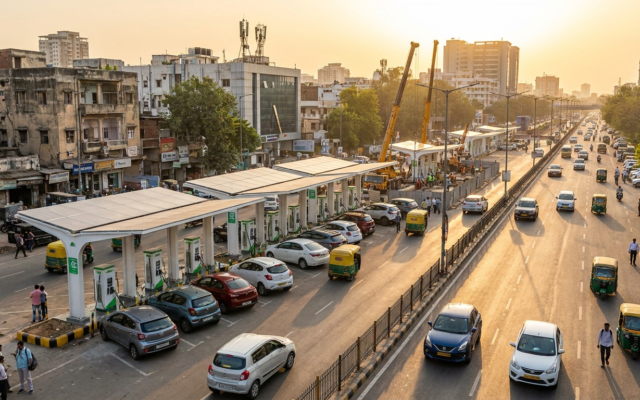
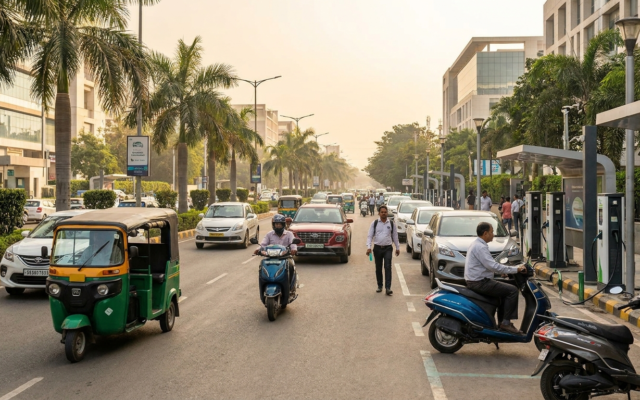
India’s journey towards electric mobility is no longer a distant dream; it’s a rapidly unfolding reality. As more electric vehicles (EVs) grace our roads, the silent, crucial infrastructure powering them—charging stations—is witnessing an unprecedented boom. This isn’t just about convenience; it’s about building the backbone for a sustainable transportation future. We’re seeing a seismic shift, with governments, private players, and even startups pouring resources into creating a robust and accessible charging network across the length and breadth of our diverse nation.
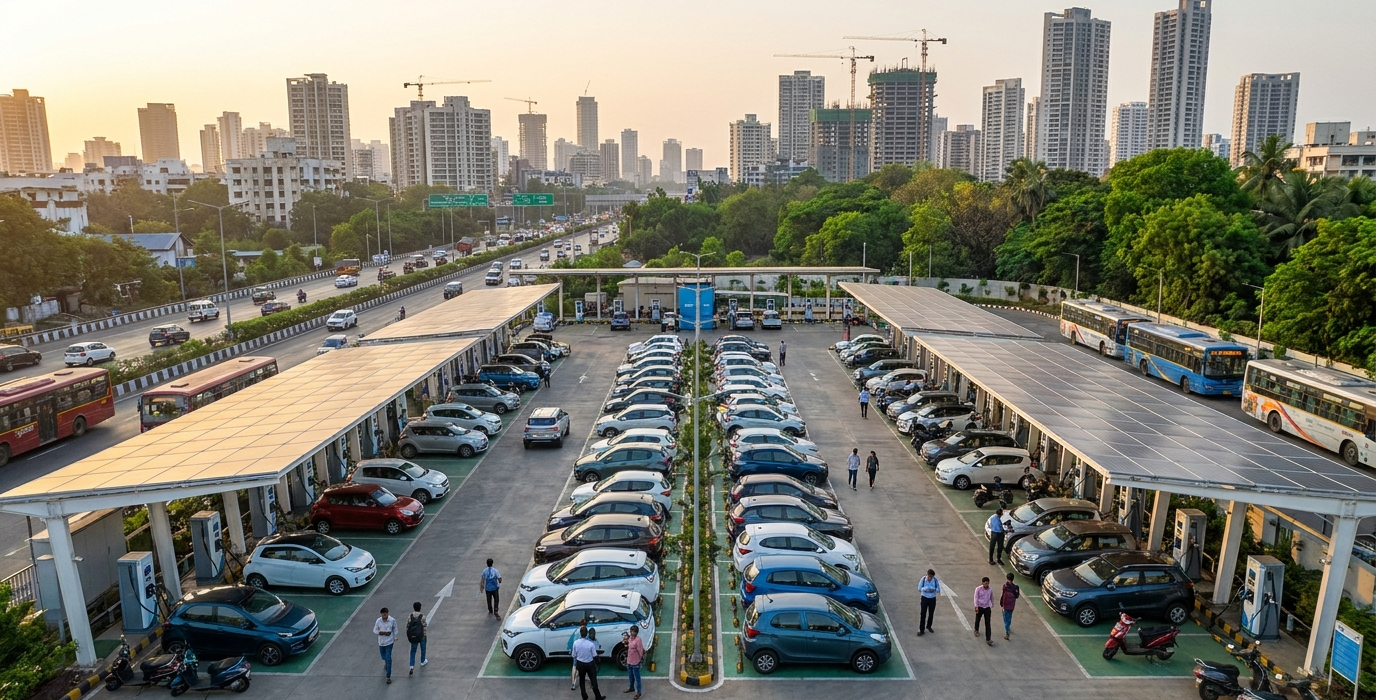
The sheer scale of this transformation is staggering. From bustling metropolises like Mumbai and Delhi to emerging hubs in Tier 2 and Tier 3 cities such as Coimbatore and Ranchi, charging points are multiplying. This expansion is driven by a confluence of factors: ambitious government targets, growing consumer awareness, and technological advancements that are making EV charging faster and more efficient than ever before. You might be surprised to learn that India aims to have at least 50% of its vehicle fleet electrified by 2035, a target that hinges critically on the availability of charging points.
Government Push and Policy Momentum
The Indian government has been a pivotal force behind this charging infrastructure surge. Schemes like the Faster Adoption and Manufacturing of Electric Vehicles (FAME) India programme have allocated substantial funds not just for vehicle subsidies but also for the development of charging infrastructure. FAME-II, extended and enhanced, specifically targets the deployment of public charging stations, aiming to reduce range anxiety for EV users. Furthermore, the Ministry of Power’s guidelines on charging infrastructure, which have been continuously updated, provide a clear regulatory framework.
These policies are designed to encourage private sector participation by offering incentives and streamlining approval processes. We’re seeing state governments also stepping in with their own EV policies, often offering additional benefits like reduced electricity tariffs for charging stations or land at concessional rates. This multi-pronged approach, from central mandates to local initiatives, is creating a fertile ground for investment and innovation in the charging sector. The goal is clear: to make charging an EV as effortless as filling up a petrol car, accessible even in smaller towns.
Private Sector Surge: From Giants to Startups
The private sector is responding with remarkable vigour. Major energy companies, automotive manufacturers, and dedicated charging infrastructure startups are all vying for a piece of this burgeoning market. Companies like Tata Power, Ather Energy, and ChargeZone are actively expanding their networks. You’ll find charging stations popping up in residential complexes, commercial hubs, shopping malls, and even along national highways, transforming the user experience. These players are not just installing chargers; they are building ecosystems that include mobile apps for locating, booking, and paying for charging sessions.
This competition is driving innovation. We’re seeing a variety of charging speeds being offered, from slow AC chargers suitable for overnight charging to ultra-fast DC chargers that can add significant range in just a few minutes. Some companies are even exploring partnerships with fuel stations and retail outlets to integrate charging facilities, making it a seamless part of daily errands. The ambition is to create a truly ubiquitous network, ensuring that wherever you drive your EV, a charging point is never too far away. One surprising fact is that some companies are now offering subscription models for unlimited charging at their stations, mirroring the convenience of mobile phone plans.
Technological Advancements: Smarter, Faster Charging
The evolution of charging technology is a game-changer. Beyond the standard AC and DC chargers, we’re witnessing the rise of “smart charging” solutions. These systems can intelligently manage the charging process, optimising it based on grid load, electricity prices, and user preferences. This means your EV could automatically charge during off-peak hours when electricity is cheaper, or when renewable energy availability is high, helping to stabilise the grid. You can schedule your charging through an app, ensuring your vehicle is ready when you need it.
Battery swapping technology is another exciting development, particularly for two- and three-wheeler EVs. Instead of waiting to charge, users can quickly swap a depleted battery for a fully charged one at designated stations. This offers near-instantaneous refuelling, significantly reducing downtime. Companies like Bounce and SUN Mobility are leading this charge. This technology has the potential to drastically improve the economics and practicality of electric two-wheelers, which constitute a huge segment of India’s transport landscape. Imagine never having to plug in your scooter again!
Addressing the Grid and Standardization Hurdles
While the expansion is exciting, it’s not without its challenges. One significant concern is the impact on the electricity grid. A sudden surge in EV charging, especially during peak hours, could strain local distribution networks. Grid operators and charging infrastructure providers are working collaboratively to address this. Smart charging technologies play a crucial role here, helping to spread the charging load throughout the day. Furthermore, investments in upgrading the grid infrastructure are essential and are being planned in many areas.
Standardisation is another key area requiring attention. With multiple players entering the market, ensuring interoperability between different charging connectors and payment systems is vital for a seamless user experience. The Bureau of Indian Standards (BIS) is working on establishing clear standards for EV charging equipment. This will prevent a fragmented market where users need different apps and connectors for different charging stations. A unified approach will be crucial for the long-term success and widespread adoption of EVs. The aim is to prevent the kind of chaotic fragmentation seen in earlier mobile phone charging standards.
The Future Landscape: Accessibility and Affordability
Looking ahead, the focus is shifting towards making charging infrastructure truly accessible and affordable for everyone. This includes expanding the network into rural areas, where EV adoption is still nascent but holds immense potential. Public-private partnerships are crucial here, as are innovative business models that can make charging economically viable in less densely populated regions. We might see more community-based charging solutions or partnerships with local businesses to set up charging points.
The cost of charging is also a significant factor for consumers. While electricity is generally cheaper than petrol or diesel, the overall cost of ownership for EVs, including the charging experience, needs to be competitive. We anticipate further reductions in charging costs as the technology matures and economies of scale are achieved. The goal is to create a charging ecosystem that is as reliable and cost-effective as our existing fuel infrastructure, if not more so. This will undoubtedly accelerate India’s transition to a cleaner, greener transportation future, benefiting us all.
Frequently Asked Questions
What is the fastest way to charge an EV in India in 2026?
As of 2026, the fastest way to charge an EV is using DC fast chargers, often referred to as ultra-fast chargers. These can add 150-300 km of range in approximately 20-30 minutes, depending on the vehicle’s battery capacity and the charger’s power output (ranging from 150 kW to 350 kW or more). Look for charging stations explicitly advertising DC fast charging capabilities.
Are there enough EV charging stations in India for widespread adoption?
While the number of EV charging stations is growing rapidly, especially in major cities and along key highways, the network is still developing and expanding. For widespread adoption, particularly in Tier 2, Tier 3 cities, and rural areas, significant further deployment is needed. However, the pace of installation is accelerating, driven by government policies and private investment.
What are the different types of EV charging connectors used in India?
India is moving towards standardisation, but you may encounter a few types. For AC charging, the most common is the Type 2 connector. For DC fast charging, the CCS2 (Combined Charging System Type 2) is becoming the de facto standard for passenger cars. Two-wheelers and three-wheelers may use proprietary connectors or have their own standard emerging, with battery swapping being an alternative.
How much does it cost to charge an EV at a public charging station in India?
The cost varies significantly based on the charging speed, location, and the operator. AC charging is generally cheaper than DC fast charging. Prices can range from ₹10-15 per kWh for slower AC charging to ₹20-30 per kWh or more for DC fast charging. Some operators also charge a per-session fee or offer monthly subscription plans. It’s always advisable to check the pricing on the charging app before you begin charging.