Key Takeaways
- Bollywood in 2026 is a dynamic landscape, driven by a new generation of actors and directors unafraid to experiment with genre and storytelling.
- We’re seeing a surge in biopics and historical dramas, meticulously researched and visually stunning, appealing to a global audience.
- The influence of digital platforms continues to shape content creation, offering diverse narratives and niche audience engagement.
- Expect a greater emphasis on realistic portrayals and relatable characters, moving beyond traditional star vehicles to explore the nuances of Indian life.
The New Guard: Faces Defining Bollywood’s 2026 Vision
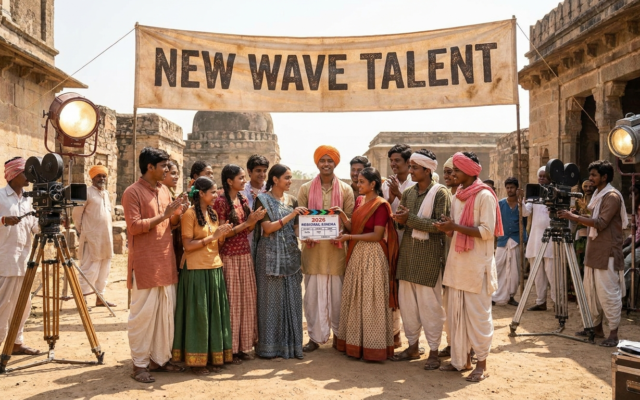
The year is 2026, and Bollywood is buzzing with a palpable sense of renewal. Gone are the days of solely relying on established dynasties; a fresh wave of talent is not just knocking on the door, but confidently stepping through it, ready to script the industry’s next chapter. These emerging stars, armed with a blend of raw talent, diverse backgrounds, and a keen understanding of contemporary audiences, are redefining what it means to be a Bollywood leading person. We’re witnessing a shift towards actors who embody authenticity and possess a broader artistic spectrum, moving beyond conventional archetypes.
Take, for instance, the meteoric rise of Anya Sharma, whose nuanced performance in the gritty crime drama “Mumbai Noir” earned her critical acclaim and a legion of new fans. Sharma, who hails from a non-film background in Chandigarh, brings a grounded realism to her roles that resonates deeply. Similarly, Rohan Kapoor, a theatre veteran from Delhi, is making waves with his versatile performances, effortlessly transitioning from intense character studies to charming romantic leads. These actors aren’t just delivering lines; they’re embodying characters, bringing a depth and complexity that audiences have been craving. Their willingness to take on challenging roles, often outside the typical song-and-dance fare, is a testament to their artistic ambition and a clear signal of the evolving tastes within the industry.
Beyond the Blockbuster: Genre-Bending Narratives Take Centre Stage
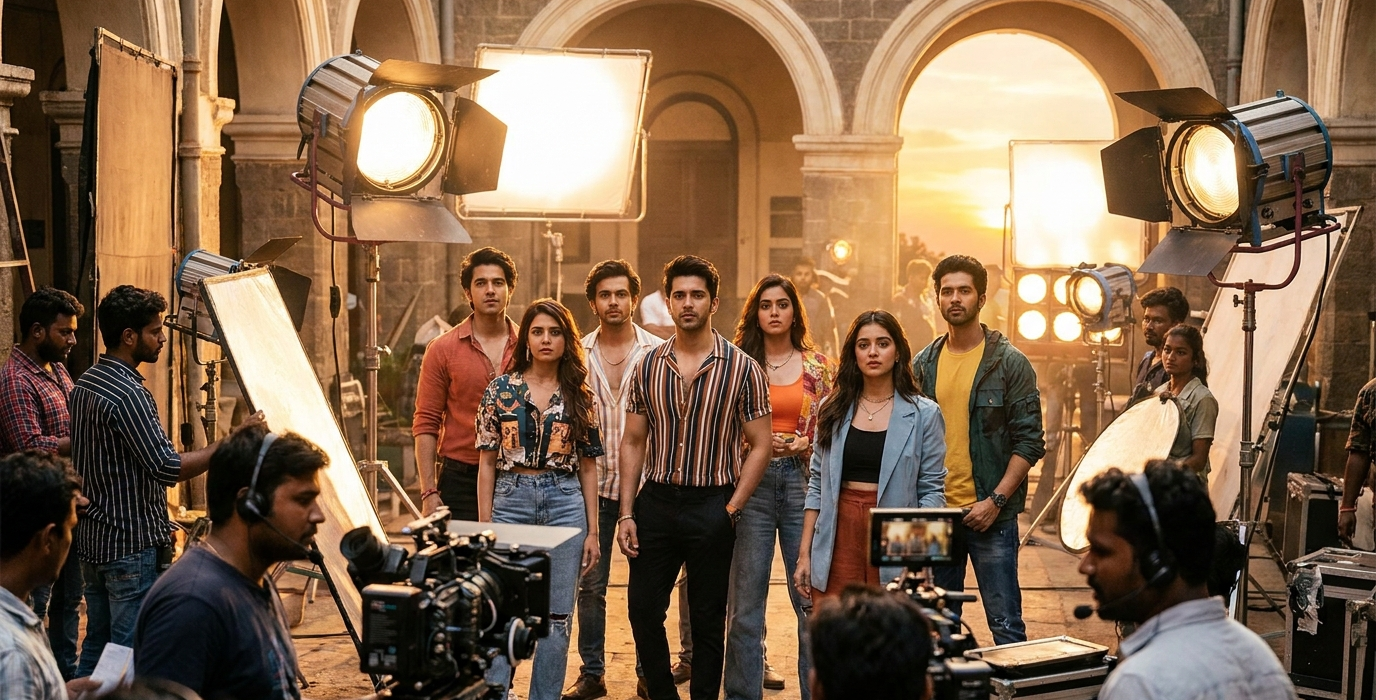
Bollywood in 2026 is far from a one-size-fits-all cinematic experience. While the grand spectacles and romantic comedies that have long defined the industry remain, there’s an undeniable surge in genre-bending narratives that are pushing creative boundaries. Directors are increasingly exploring subjects that were once considered niche, from complex psychological thrillers and science fiction dramas to intimate coming-of-age stories set against the backdrop of India’s rapidly modernizing cities. This willingness to experiment is attracting a more diverse audience, including viewers who previously found Bollywood’s offerings too formulaic.
We’re seeing a significant rise in micro-budget films and independent productions that are finding substantial audiences through digital platforms and curated festival circuits. These films often tackle social issues with unflinching honesty or explore personal journeys with a rare sensitivity. For example, “The Last Monsoon,” a poignant drama about climate change’s impact on rural Rajasthan, garnered international attention and sparked important conversations, proving that compelling storytelling, not just star power, can drive box office success. This expansion of genres also means that we’re seeing a greater diversity of voices behind the camera, with new directors from various regional cinematic traditions bringing fresh perspectives to Hindi cinema.
The Rise of the Historical Epic and Biopic
One of the most prominent trends is the resurgence of meticulously researched historical dramas and ambitious biopics. These films aren’t just recounting events; they’re immersing audiences in bygone eras with stunning visual detail and compelling narratives. The recent success of “Rani Lakshmibai: The Unsung Warrior,” a lavish production that brought the Maratha queen’s bravery to life, exemplifies this trend. It was praised for its historical accuracy and powerful portrayal of female leadership, drawing in audiences of all ages.
Another significant film is “Mahatma: The Untold Years,” which delves into the lesser-known periods of Gandhi’s life, offering a more intimate and complex portrait of the leader. This approach to historical storytelling demonstrates a maturity in the industry, moving beyond hagiography to explore the human complexities of iconic figures. The investment in these large-scale productions, coupled with a focus on authentic storytelling, indicates Bollywood’s ambition to not only entertain but also to educate and inspire, capturing the imagination of both domestic and international viewers.
Digital Dominance: Streaming Platforms as Creative Catalysts
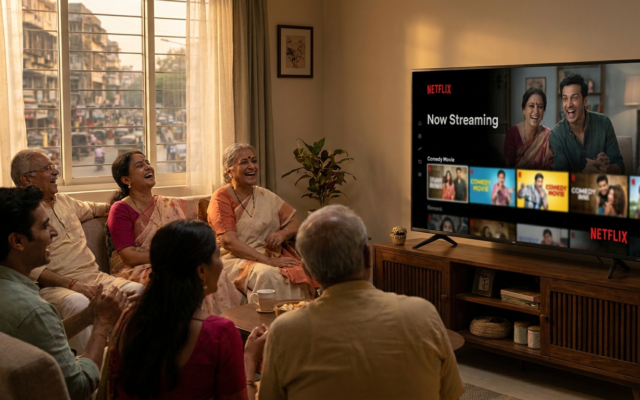
The impact of digital streaming platforms on Bollywood in 2026 cannot be overstated. What began as an alternative distribution channel has evolved into a powerful engine for creative innovation and audience engagement. Platforms like Netflix, Amazon Prime Video, and India’s own JioCinema are not just acquiring content; they are actively commissioning original series and films, fostering a new ecosystem for storytelling. This has led to an explosion of diverse narratives, catering to a wider range of tastes and interests than traditional theatrical releases could ever hope to serve.
We’re seeing web series that rival feature films in their scope and ambition, exploring complex characters and multi-layered plots over several episodes. Shows like the espionage thriller “Operation Delhi” and the family saga “Khaandaan” have garnered massive followings, often surpassing the reach of conventional Bollywood hits. These platforms offer a crucial outlet for filmmakers who might not fit the mold of mainstream cinema, allowing them to tell stories that are more intimate, experimental, or socially relevant. The accessibility of these shows also means that audiences are exposed to a broader spectrum of Indian cinema, fostering a more sophisticated and discerning viewership.
The Power of Niche Content
Furthermore, digital platforms are enabling the rise of niche content that might have struggled to find a theatrical audience. Documentaries, regional language films with Hindi dubbing, and experimental short films are all finding dedicated viewers online. This democratization of content creation and distribution is empowering a new generation of filmmakers and actors, giving them a platform to showcase their talent without the pressure of immediate box office returns. The data analytics provided by these platforms also offer valuable insights into audience preferences, guiding future content development.
The Evolving Star: Beyond Persona to Performance
In 2026, the definition of a Bollywood “star” is undergoing a significant transformation. While charisma and screen presence remain vital, the emphasis is increasingly shifting towards acting prowess and the ability to embody diverse characters. Audiences are no longer content with one-dimensional heroes or damsels in distress; they crave authenticity and relatability. This has opened the door for actors who might not fit the conventional “hero” mold but possess exceptional talent and a willingness to experiment with their roles.
We’re seeing a rise in actors who have built their careers on character-driven performances rather than solely relying on their celebrity status. Take, for example, the critical acclaim showered upon Priya Singh for her portrayal of a struggling single mother in “The City of Dreams.” Her performance was lauded for its raw vulnerability and emotional depth, proving that compelling storytelling can transcend the need for a traditional superstar. This trend is also influencing the casting of even mainstream films, with producers now more open to casting actors based on their suitability for a role, rather than just their box office draw.
The Rise of the Character Actor
This shift has also elevated the status of character actors, who are now being given more prominent roles and recognition. Their ability to bring depth and authenticity to supporting characters often elevates the entire film. For instance, the veteran actor Suresh Rao’s commanding presence in the historical drama “Sultan of Malwa” as a wise advisor was a highlight, earning him accolades that rivaled those of the lead actors. This evolution signifies a more mature and artistically driven Bollywood, where the craft of acting is being celebrated more than ever before.
“The 2026 Bollywood landscape is a vibrant testament to the power of diverse storytelling and authentic performance. Audiences are now seeking depth, nuance, and relatable narratives, and the industry is responding with unprecedented creativity and a willingness to embrace new voices.”
Location, Location, Location: Filming Beyond the Usual Suspects
Bollywood’s visual canvas is expanding dramatically in 2026, with filmmakers venturing beyond the traditional locales of Mumbai, Switzerland, and Rajasthan. There’s a growing appreciation for showcasing the diverse and breathtaking landscapes of India itself, offering audiences a fresh visual experience and a deeper connection to the country’s rich geography. From the lush tea gardens of Darjeeling to the stark beauty of Ladakh, and the vibrant metropolises of Chennai and Kolkata, filmmakers are actively seeking out unique settings that can enhance their narratives.
This trend isn’t just about aesthetics; it’s also about authentic storytelling. A film set in the bustling markets of Old Delhi will feel different, and more real, when shot on location, capturing the city’s unique rhythm and character. Similarly, a story about coastal life in Kerala benefits immensely from being filmed amidst its serene backwaters and fishing villages. This commitment to authentic locations adds a layer of credibility and immersion that was often missing in earlier productions that relied on studio sets or generic backdrops.
Showcasing Regional India
The impact of this geographical diversification is significant. It not only provides fresh visual backdrops for films but also helps to promote tourism and economic development in these less-explored regions. For example, the romantic drama “Shimla Serenade,” filmed extensively in the picturesque hill station, saw a notable increase in tourist footfall in the months following its release. This demonstrates how cinema can act as a powerful cultural ambassador, showcasing India’s multifaceted beauty to a global audience. We’re also seeing an increased use of aerial cinematography to capture the grandeur of these diverse landscapes, adding a cinematic sweep to these narratives.
The Rise of the ‘Global Indian’ Narrative
In 2026, Bollywood is increasingly reflecting the experiences and aspirations of the ‘Global Indian’ – individuals who are connected to their roots yet navigate diverse cultural landscapes. This is evident in the types of stories being told and the characters being portrayed. Films are exploring themes of diaspora, cultural identity, and the complexities of living between worlds, resonating with a vast international audience that includes the Indian diaspora and a growing number of global viewers interested in nuanced cross-cultural narratives.
We’re seeing a surge in films that are shot across multiple continents, seamlessly blending Indian storytelling with international settings. The spy thriller “Project Khalsa,” for instance, had significant portions filmed in London, Berlin, and Mumbai, weaving a compelling narrative that transcended borders. This global outlook not only broadens the appeal of Bollywood films but also allows for more diverse and sophisticated storytelling, incorporating different cultural perspectives and cinematic styles. The use of multilingual dialogues, often weaving English, Hindi, and regional Indian languages into a single narrative, further enhances this global appeal.
Cross-Cultural Collaborations
This ‘Global Indian’ narrative also extends to increased cross-cultural collaborations. We’re seeing more joint productions with international studios, the inclusion of foreign actors in key roles, and the adoption of global filmmaking techniques. This cross-pollination of ideas and talent enriches Bollywood’s output, making it more competitive on the world stage. The success of films like the sci-fi drama “Orion’s Echo,” a co-production with a South Korean studio, highlights the potential of such collaborations to create unique and universally appealing cinematic experiences. This trend signals a more confident and outward-looking Bollywood, ready to engage with the world.
Frequently Asked Questions
What are the biggest trends in Bollywood for 2026?
The major trends include the rise of new, talented actors and directors, a focus on genre-bending and experimental narratives, the significant influence of digital streaming platforms, and a shift towards more authentic, character-driven performances. We’re also seeing a greater emphasis on showcasing diverse Indian landscapes and telling ‘Global Indian’ stories.
Are biopics and historical dramas still popular in 2026?
Yes, biopics and historical dramas are experiencing a significant resurgence in 2026. These films are being made with meticulous research and stunning visuals, appealing to a wide audience interested in inspiring stories from India’s past and prominent figures.
How have streaming platforms changed Bollywood in 2026?
Streaming platforms have become powerful catalysts for creativity, commissioning original content and enabling the rise of diverse, niche narratives. They offer new avenues for filmmakers and actors, expanding the reach and variety of Indian cinema beyond traditional theatrical releases.
What kind of actors are becoming popular in 2026?
The focus is shifting towards actors who demonstrate strong performance skills and the ability to embody diverse, relatable characters. While star power remains, there’s a growing appreciation for talent, authenticity, and versatility, leading to the elevation of character actors as well.