Key Takeaways
- West Bengal transforms into a lush paradise during the monsoon, offering unique experiences beyond typical summer crowds.
- From the misty hills of Darjeeling to the serene backwaters of Sundarbans, discover diverse monsoon landscapes.
- Plan your trip by considering accommodation in charming homestays, eco-resorts, and heritage properties for an authentic experience.
- Embrace local culture, try seasonal delicacies, and pack smart for comfortable exploration during the rains.
The Emerald Embrace: Why Bengal in the Rains is Your Next Adventure
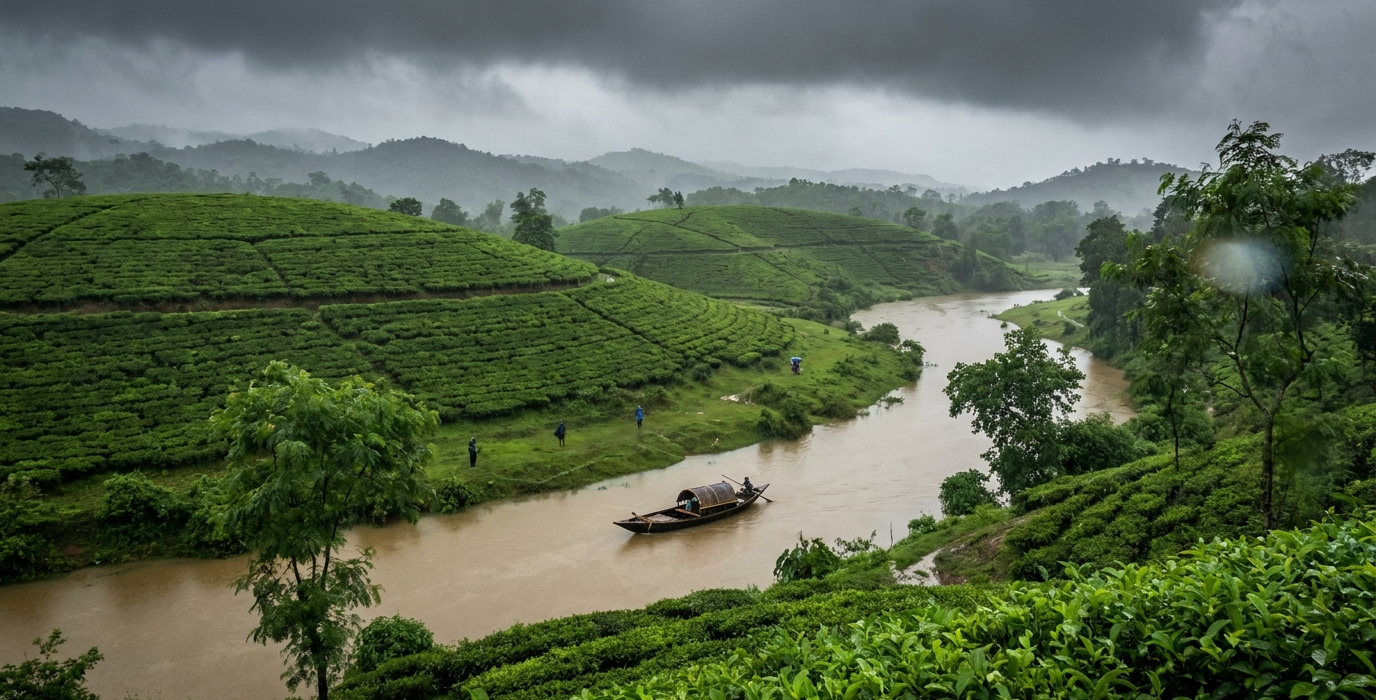
Forget the sweltering heat of summer and the dry chill of winter. As the monsoon clouds gather over West Bengal in 2026, the state undergoes a breathtaking transformation. Rivers swell, fields turn a vibrant emerald, and a certain magic descends, making it an ideal time for a truly unique Indian getaway. This is when nature puts on its most spectacular show, and you get to be front row for the performance.
We’re talking about a different kind of travel experience – one that embraces the beauty of the rains rather than avoiding it. Imagine waking up to the sound of gentle showers on a tin roof, sipping hot chai while gazing at mist-shrouded hills, or cruising through mangrove forests teeming with life. Bengal, with its diverse geography and rich culture, offers a monsoon journey that’s both invigorating and deeply serene.
Choosing Bengal for your 2026 monsoon vacation means opting for a path less travelled, away from the usual tourist rush. It’s an opportunity to connect with nature in its most vibrant form and to experience the warmth of Bengali hospitality at its finest. We’ll guide you through the best spots that come alive during this season.
Darjeeling: Misty Peaks and Emerald Tea Gardens
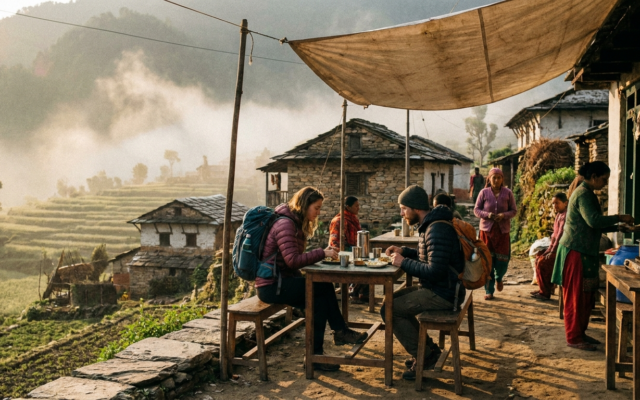
The Queen of the Hills, Darjeeling, takes on an ethereal beauty during the monsoon of 2026. While some might shy away from rain in the hills, Darjeeling’s monsoon offers a different kind of charm. The constant mist creates a dreamlike atmosphere, shrouding the iconic tea gardens in a soft, ethereal glow. This is when the tea leaves are at their most vibrant green, making the landscape even more breathtaking.
Imagine standing at Tiger Hill, not for the sunrise, but for the spectacle of clouds rolling in, engulfing the Kanchenjunga range in a mystical embrace. The air becomes crisp and clean, carrying the scent of wet earth and blooming orchids. The famous toy train, a UNESCO World Heritage Site, chugs along its route, offering scenic views of the rain-kissed valleys and charming villages. You can even enjoy a warm cup of freshly brewed Darjeeling tea at a colonial-era bungalow, listening to the patter of rain.
Beyond the main town, explore charming villages like Ghoom or Sonada. These quieter locales offer a more intimate experience with the monsoon landscape. Numerous homestays and boutique resorts provide cosy retreats, where you can relax by a fireplace and soak in the tranquil ambiance. One surprising fact about Darjeeling’s monsoon is that it often brings clearer skies in the afternoon, offering fleeting but spectacular mountain views after a morning shower.
Sundarbans: A Symphony of Water and Wildlife
The Sundarbans, the world’s largest mangrove forest and a UNESCO World Heritage Site, becomes even more alive during the monsoon. In 2026, a boat safari through its labyrinthine waterways is an experience like no other. The rains nourish the dense foliage, making the ecosystem incredibly vibrant and the perfect time for wildlife spotting. The increased water levels make boat travel easier, bringing you closer to the heart of this unique natural wonder.
As the rivers swell, the chances of spotting the elusive Royal Bengal Tiger increase. They are known to come out to higher ground during the monsoon. Birdwatchers will be in paradise, with migratory birds flocking to the wetlands. Keep an eye out for spotted deer, wild boars, and a variety of reptiles. The symphony of sounds – the chirping of birds, the rustling of leaves, and the gentle lapping of water – is amplified by the rain, creating an immersive natural soundscape.
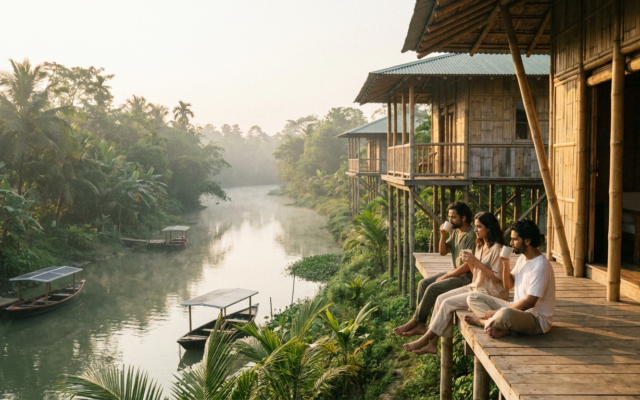
Staying in a riverside lodge or an eco-resort here offers a chance to truly connect with nature. Imagine sitting on your balcony, watching the rain fall on the mangroves, and listening to the myriad sounds of the forest. It’s a chance to disconnect from the hustle of city life and reconnect with the raw, untamed beauty of the planet. A surprising aspect of the Sundarbans monsoon is the unique way local communities adapt, using the rain-fed waterways for transportation and fishing, showcasing incredible resilience.
Shantiniketan: Art, Culture, and the Rhythm of the Rains
Rabindranath Tagore’s beloved Shantiniketan, known for its unique educational philosophy and artistic heritage, offers a serene monsoon escape in 2026. The red soil of Birbhum district turns a rich, earthy brown, and the campus of Visva-Bharati University becomes a tranquil haven. The rains bring a sense of calm and introspection, perfect for exploring the artistic and cultural heart of Bengal.
Wander through the Uttarayan Complex, where Tagore lived and worked, and let the rain-washed surroundings inspire you. Visit the Kala Bhavana (Institute of Fine Arts) to see the works of renowned artists and perhaps even catch students creating art inspired by the monsoon. The local baul singers often perform, their soulful melodies resonating with the melancholic beauty of the rainy season. The local markets, especially during haat days (village markets), are vibrant with seasonal produce and local handicrafts.
Consider staying in a heritage guesthouse or a comfortable resort that offers a blend of local charm and modern amenities. Enjoy the simple pleasures of life – a good book, a warm cup of tea, and the sound of rain against the window. Shantiniketan during the monsoon is not just about sightseeing; it’s about experiencing a slower pace of life and soaking in the artistic spirit that permeates the air. A truly surprising cultural aspect you might encounter is the local celebration of Jhulan Purnima, a festival honouring Radha and Krishna, often coinciding with the monsoon and featuring beautifully decorated swings.
Ganga Sagar: A Spiritual Sojourn by the Sea
For a unique spiritual experience during the monsoon of 2026, consider Ganga Sagar, located at the mouth of the River Hooghly where it meets the Bay of Bengal. While it’s a major pilgrimage site year-round, the monsoon season offers a different, more contemplative atmosphere. The seas can be rough, but the spiritual fervour remains undimmed, offering a profound connection to faith and nature.
The Kapileshwar Temple, dedicated to Lord Shiva, is the main attraction, drawing devotees from far and wide. Witnessing the devotion amidst the rain-swept landscape can be a deeply moving experience. The beaches, though perhaps not ideal for swimming during the monsoon, offer dramatic views of the churning sea and the vast sky. The air is charged with spirituality and the raw power of nature.
Accommodation options range from simple ashrams to more comfortable guest houses. It’s important to check weather forecasts and local conditions before planning your visit, as the sea can be unpredictable. However, for those seeking a spiritual journey intertwined with the elemental force of the monsoon, Ganga Sagar offers a compelling destination. One surprising aspect of Ganga Sagar during this time is how the local fishermen, despite the challenging seas, continue their livelihood, their deep connection to the ocean mirroring the pilgrims’ connection to the divine.
Bishnupur: Terracotta Temples and Rural Charm
Bishnupur, in the Bankura district, is renowned for its exquisite terracotta temples, and the monsoon of 2026 adds a unique layer to its allure. As the rains fall, the intricate carvings on these ancient structures seem to come alive, their details softened and highlighted by the moisture. The surrounding landscape, dotted with ponds and lush greenery, becomes even more picturesque.
Explore the clusters of temples like the Rasmancha, Jor Bangla, and the Shyam Rai Temple, each showcasing unique architectural styles and stunning terracotta artistry. The sound of rain on the temple roofs and the earthy scent of the wet soil create a deeply immersive historical and sensory experience. It’s a chance to step back in time and marvel at the craftsmanship of centuries past, set against a backdrop of nature’s rejuvenation.
You can find charming heritage hotels and comfortable homestays in Bishnupur, offering a peaceful retreat after a day of exploration. The local cuisine, known for its simplicity and flavour, is best enjoyed with a view of the rain-drenched countryside. For a truly authentic experience, try to witness the local pottery making, a craft that has been passed down through generations. A surprising fact you might discover is that the red soil of Bishnupur, ideal for terracotta, is said to have special properties that help preserve the intricate carvings for centuries, a testament to the local soil and ancient artistry.
Planning Your Perfect Monsoon Getaway in Bengal
Travelling to West Bengal during the monsoon in 2026 requires a bit of thoughtful planning, but the rewards are immense. Embrace the season, and you’ll find a side of Bengal that is simply magical. Consider the type of experience you’re seeking – be it the misty hills of Darjeeling, the wildlife-rich mangroves of Sundarbans, the cultural heart of Shantiniketan, the spiritual aura of Ganga Sagar, or the historical charm of Bishnupur.
When it comes to accommodation, you’ll find a range of options from luxurious resorts to cosy homestays. For an authentic experience, we highly recommend opting for homestays in places like Darjeeling or Shantiniketan, and eco-lodges in the Sundarbans. These often offer a more personal touch and a deeper connection to the local culture. Booking in advance is always a good idea, especially for popular destinations, to secure your preferred stay and potentially better rates.
Packing smart is crucial. Waterproof jackets, umbrellas, quick-drying clothes, comfortable waterproof footwear, and insect repellent are essential. Don’t forget your camera to capture the breathtaking monsoon scenery! Embrace the local cuisine, which is particularly delightful during the rains – think hot, crispy *telebhaja* (fritters) and hearty *khichuri*. Be flexible with your itinerary; sometimes the best monsoon experiences come from unexpected detours caused by the weather.
“The monsoon doesn’t just bring rain; it washes away the mundane, revealing the vibrant, life-affirming beauty that lies beneath. Bengal in the rains is an invitation to slow down, to breathe deep, and to witness nature’s artistry at its most profound.”
Frequently Asked Questions
What are the best months for monsoon travel in West Bengal?
The monsoon season in West Bengal typically runs from June to September. For the most lush landscapes and vibrant greenery, July and August are often considered prime months, though you might experience more frequent rainfall. September offers a transition with gradually receding rains and continued verdant beauty.
Is it safe to travel to the Sundarbans during the monsoon?
Yes, it is generally safe to travel to the Sundarbans during the monsoon, provided you choose reputable tour operators and lodges. Boat safaris are still operational, and the increased water levels can offer unique viewing opportunities. Always check weather advisories and follow the guidance of your boatmen and guides. Avoid venturing out during heavy storms.
What kind of clothing should I pack for West Bengal during the monsoon?
Pack lightweight, quick-drying clothing made of synthetic or moisture-wicking fabrics. Include a waterproof jacket or poncho, a sturdy umbrella, and waterproof footwear like trekking shoes or sturdy sandals. Also, bring insect repellent and any necessary personal medications.
Are there any specific cultural events or festivals happening in West Bengal during the monsoon in 2026?
The monsoon season often coincides with several local festivals. Jhulan Purnima, celebrating Radha and Krishna, is a significant festival often observed during this period, particularly in rural areas and places like Shantiniketan. Other local *puja* (worship) ceremonies might also take place, offering glimpses into Bengali religious life.
What are the transportation options like during the monsoon in West Bengal?
Major train and flight services usually operate normally. However, road travel might be affected in very remote areas or due to heavy downpours causing temporary waterlogging. In places like the Sundarbans, boat travel is the primary mode of transport and is generally safe, though schedules might be adjusted based on weather conditions. It’s wise to have some flexibility in your travel plans.