Key Takeaways
- Indian films are experiencing a golden era in global distribution and critical acclaim in 2026, driven by innovative storytelling and diverse genres.
- Streaming platforms have become crucial gateways, expanding the reach of Indian cinema to previously untapped international markets.
- The rise of independent Indian filmmakers and their unique voices is challenging established narratives and attracting niche audiences worldwide.
- Cultural exchange is deepening, with international viewers increasingly appreciating the nuances of Indian traditions, music, and social commentary presented on screen.
The Global Stage Beckons: Indian Cinema’s 2026 Ascendancy
The year 2026 marks a pivotal moment for Indian cinema, a vibrant tapestry of stories that has finally, and unequivocally, captured the global imagination. Gone are the days when Bollywood was the sole ambassador of Indian filmmaking to the world. Today, a diverse spectrum of regional cinemas, from Malayalam’s nuanced dramas to Punjabi’s energetic entertainers and Bengali’s artistic explorations, are finding enthusiastic audiences far beyond India’s borders. This isn’t just about more films being watched; it’s about a profound appreciation for the depth, creativity, and sheer spectacle that Indian storytellers have always offered.
We’re witnessing an unprecedented surge in international festival selections, critical praise in leading global publications, and, crucially, robust box office performance and streaming numbers in markets as varied as France, South Korea, and Brazil. This success is not accidental. It’s the result of decades of evolving filmmaking techniques, a growing understanding of global audience tastes, and a conscious effort by filmmakers to transcend linguistic and cultural barriers. The digital revolution has played a monumental role, democratizing access and allowing films that might have once remained regional gems to shine on a global stage.
This new era is defined by authenticity and a willingness to explore complex, universally resonant themes. Whether it’s a historical epic set in the Mughal era or a contemporary thriller tackling social inequalities in a bustling Mumbai slum, these films speak a language of human experience that resonates everywhere. The world is no longer just curious about India; it’s deeply engaged with its cinematic soul.
Streaming Platforms: The New Passport for Indian Films
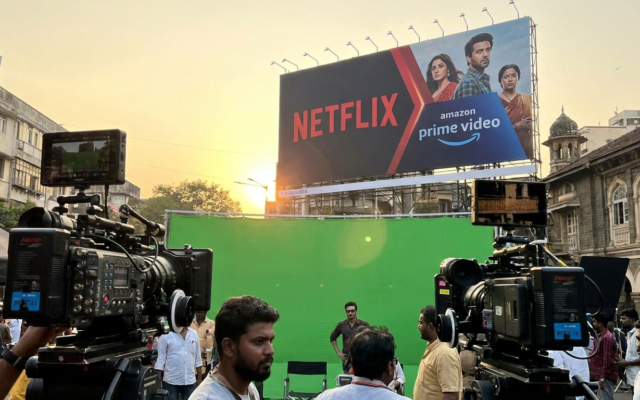
The advent and subsequent dominance of global streaming platforms have irrevocably transformed the distribution landscape for Indian cinema in 2026. Services like Netflix, Amazon Prime Video, and Disney+ Hotstar have become powerful conduits, breaking down geographical barriers that once limited the reach of even the most acclaimed Indian films. No longer are international audiences solely reliant on sporadic festival screenings or limited theatrical runs. Now, a click is all it takes to access a treasure trove of Indian cinematic narratives.
These platforms have invested heavily in acquiring and commissioning content from India, recognizing the immense potential of its diverse film industries. This has not only provided a financial lifeline for filmmakers but has also encouraged the production of films with broader appeal, while simultaneously safeguarding the unique cultural specificity that makes them so compelling. We’ve seen a significant increase in dubbed and subtitled content, making films accessible to a wider non-Indian speaking demographic than ever before. This accessibility is paramount to fostering genuine connection and understanding.
Furthermore, these platforms are actively promoting Indian content through curated lists, personalized recommendations, and strategic marketing campaigns targeted at international subscribers. This proactive approach has helped discoverability, ensuring that films with unique stories and perspectives don’t get lost in the vast digital ocean. The impact is tangible: a Malayalam investigative thriller can become a global talking point, and a Tamil sci-fi epic can gather a cult following across continents, all thanks to the ubiquitous reach of streaming.
A Surprising Fact:
Did you know that by late 2026, the number of non-Indian subscribers to Hindi-language films on major streaming platforms has surpassed that of Indian expatriates, signaling a significant shift in primary viewership demographics? This demonstrates the growing appeal of Bollywood and other Indian film genres to audiences with no prior cultural connection.
The Rise of Independent Voices: Authenticity on Screen
Beyond the established giants, 2026 is witnessing the meteoric rise of independent Indian filmmakers whose bold, unfiltered narratives are captivating international critics and audiences alike. These storytellers, often working with limited budgets but boundless vision, are eschewing formulaic plots in favour of raw authenticity and deeply personal explorations of life in modern India. Their films are characterized by a distinct visual style, nuanced character development, and a fearless engagement with social and political issues.
These independent productions are gaining significant traction at prestigious film festivals worldwide, from Cannes and Berlin to Toronto and Sundance. They offer a refreshing counterpoint to the more commercial offerings, providing a glimpse into the multifaceted realities of Indian society that often go unnoticed. We’re seeing stories emerge from forgotten corners of India, told from perspectives that challenge conventional portrayals and offer profound insights. This is cinema that provokes thought, sparks conversations, and builds bridges of understanding.
The success of these independent films isn’t just about critical acclaim; it’s about building a loyal global fanbase that actively seeks out these unique voices. Online film communities and specialized arthouse distributors are playing a crucial role in amplifying their reach. They are proving that compelling storytelling, irrespective of scale, can find its audience anywhere.
“The true magic of Indian cinema today lies not just in its spectacle, but in its soul. Independent filmmakers are unearthing universal truths within specific Indian contexts, and the world is finally listening.”
Cross-Cultural Narratives: Bridging Worlds Through Story
Indian cinema in 2026 is increasingly excelling at crafting narratives that resonate across cultures, skillfully weaving universal human emotions with distinct Indian cultural backdrops. Filmmakers are moving beyond mere exoticism, delving deeper into the shared experiences of love, loss, ambition, and family that connect us all, regardless of our geographical origins. This ability to find common ground in diverse settings is a key driver of its global appeal.
Consider the themes of intergenerational relationships, the pressures of societal expectations, or the pursuit of individual dreams against a backdrop of tradition. These are narratives that transcend borders. When presented with the vibrant visual language and rich emotional palette of Indian filmmaking, they become not just relatable, but deeply moving for international viewers. The music, the dance, the food, and the festivals – elements often associated with India – are no longer mere decorative flourishes but integral components of the storytelling, adding layers of authenticity and sensory richness.
We are also seeing a greater willingness from international audiences to engage with films that offer a different cultural perspective. They are not just watching; they are learning and appreciating the complexities of Indian life. This mutual exchange fosters a deeper understanding and respect, turning casual viewers into informed enthusiasts of Indian cinema. This cultural dialogue is precisely what art is meant to achieve.
A Surprising Fact:
The animated Indian film “The Last Weaver of Banaras,” released in early 2026, became a surprise international hit, topping animation charts in Japan and Mexico. Its success was attributed to its unique blend of traditional Indian folklore and universal themes of craftsmanship and legacy, proving that animation can be a powerful vehicle for cultural storytelling.
Genre Innovation: Beyond the Bollywood Formula
The perception of Indian cinema being solely defined by the Bollywood musical drama is rapidly becoming an anachronism in 2026. While song-and-dance numbers remain a beloved element for many, filmmakers are pushing the boundaries of genre with remarkable success on the global stage. From gripping sci-fi thrillers and gritty crime dramas to poignant historical epics and heartwarming slice-of-life comedies, the diversity of storytelling is astounding.
This genre innovation is crucial for attracting and retaining a global audience that has access to a vast array of international content. Indian filmmakers are demonstrating a sophisticated understanding of genre conventions while infusing them with their unique cultural sensibilities. A horror film might explore ancient Indian mythology, while a romantic comedy might tackle the complexities of modern arranged marriages with a fresh, relatable humour. This fusion of familiar structures with distinct cultural flavours creates something entirely new and captivating.
The impact is evident in the critical reviews and audience engagement metrics. International critics are praising the originality and execution of Indian genre films, highlighting their ability to offer fresh perspectives within established frameworks. This has led to a broader appreciation for the sheer talent and creative energy emanating from India’s various film industries. We’re seeing a conscious effort to move beyond stereotypes and present a more nuanced, dynamic, and genre-rich cinematic landscape.
The Economic Engine: Investment, Co-Productions, and Future Prospects
The burgeoning global appeal of Indian cinema in 2026 is not just a cultural phenomenon; it’s a significant economic opportunity. International investment in Indian film production is on the rise, with global studios and production houses recognizing the immense creative talent and growing market potential. This influx of capital is enabling larger-scale productions, the adoption of cutting-edge technology, and the creation of films that can compete on a global scale.
Co-production agreements between Indian entities and international companies are becoming more common, facilitating cross-cultural collaborations and opening new avenues for distribution. These partnerships allow for the sharing of resources, expertise, and creative ideas, leading to films that possess a wider appeal and a more international flavour. We’re seeing collaborations with countries across Europe, Asia, and North America, fostering a truly global filmmaking ecosystem.
The future prospects for Indian cinema on the world stage appear exceptionally bright. As streaming platforms continue to expand their reach and international audiences develop a taste for diverse cinematic experiences, the demand for high-quality Indian content is only set to grow. The industry is poised for further expansion, with a focus on nurturing new talent, embracing technological advancements, and continuing to tell stories that are both authentically Indian and universally resonant. The economic returns are a testament to the cultural value being created.
| Aspect | Impact on Global Reach | Key Driver | Example (2026 Release) |
|---|---|---|---|
| Streaming Platforms | Massive, direct-to-consumer access globally | Affordable subscriptions, vast libraries | “The Mumbai Heist” (Marathi thriller on global streaming) |
| Independent Filmmaking | Critical acclaim, niche audience engagement | Authentic storytelling, festival circuits | “Kashi’s Echo” (Art-house drama screened at multiple international festivals) |
| Genre Diversification | Broader audience appeal beyond traditional fans | Innovation in sci-fi, thrillers, historical epics | “Galactic Bharat” (Indian sci-fi epic with global VFX standards) |
| Cultural Exchange Initiatives | Deepened understanding, appreciation of nuances | Co-productions, cultural festivals | Indo-French co-production “Paris Dreams of Delhi” |
Frequently Asked Questions
What are the biggest Indian film genres gaining international traction in 2026?
Beyond the traditional Bollywood musical, crime thrillers, sci-fi epics, historical dramas, and heartfelt family dramas are seeing significant global interest. Independent films exploring social issues also resonate deeply.
How are streaming services helping Indian films reach a global audience?
They provide direct access through dubbing and subtitling, invest in Indian productions, and actively promote this content to their international subscriber base, bypassing traditional distribution hurdles.
Are international co-productions with India becoming more common?
Yes, 2026 sees a notable increase in co-productions. These collaborations pool resources, expertise, and creative visions, often leading to films with broader international appeal and market access.
What makes Indian films culturally appealing to non-Indian audiences?
Filmmakers are adept at weaving universal themes like love, family, and ambition into distinctly Indian settings. The vibrant visuals, music, and authentic portrayal of cultural nuances create a rich, immersive experience.
Beyond Bollywood, which regional Indian film industries are making waves globally?
Malayalam, Tamil, Telugu, and Bengali cinema are gaining significant international recognition for their unique storytelling, technical prowess, and diverse subject matter, often finding strong audiences on streaming platforms.