Key Takeaways
- Ayurveda is seeing a resurgence, blending ancient wisdom with modern wellness demands for 2026.
- Personalised wellness, driven by digital tools and traditional principles, is key to adopting Ayurvedic lifestyles.
- Expect a surge in plant-based diets, adaptogenic herbs, and mindfulness practices rooted in Ayurvedic philosophy.
- Home-grown Ayurvedic remedies and self-care rituals are becoming mainstream, empowering individuals in their health journeys.
Ayurveda’s New Dawn: Ancient Wisdom Meets 2026 Wellness
The ancient Indian system of Ayurveda, a practice spanning over 5,000 years, is experiencing a remarkable renaissance. Far from being a relic of the past, its principles of holistic well-being are resonating deeply with the modern world, especially as we navigate 2026. Today’s health-conscious individuals, burdened by the stresses of rapid urbanisation and digital saturation, are actively seeking sustainable, personalised approaches to health. Ayurveda, with its profound understanding of the mind-body connection and individual constitution (Prakriti), offers precisely this. We’re witnessing a significant shift from one-size-fits-all health fads to a more nuanced appreciation for what truly nourishes us as unique beings. This revival isn’t about rigid adherence; it’s about intelligently integrating time-tested wisdom into our fast-paced lives.
The core of Ayurvedic philosophy lies in achieving balance – between the physical, mental, and spiritual aspects of our lives. It emphasises prevention, promoting longevity and vitality through diet, lifestyle, and natural therapies. In 2026, this translates into a powerful counter-narrative against the superficial quick-fixes that often dominate the wellness landscape. Think of it as a deep dive into understanding your body’s signals, rather than just treating symptoms. The global interest in Ayurveda is a testament to its enduring relevance, offering a rich tapestry of practices that can be adapted by anyone, anywhere, to cultivate a more harmonious and healthier existence. We are moving beyond mere ‘wellness’ to a state of true ‘well-being’.
Personalised Wellness Through Digital Doshas
One of the most exciting developments in Ayurveda’s modern resurgence is its embrace of technology. Forget the days of needing a guru for every query; digital platforms are now democratising access to personalised Ayurvedic insights. In 2026, you can find sophisticated apps and online consultations that help you identify your dominant dosha (Vata, Pitta, or Kapha) based on your physical and mental characteristics. These tools go beyond simple quizzes, often incorporating biometric data or detailed lifestyle questionnaires to offer tailored recommendations. This level of personalisation is a game-changer, moving us away from generic advice and towards truly individualised health strategies.
These digital tools are not replacing traditional practitioners but augmenting their reach and accessibility. Imagine receiving daily dietary suggestions aligned with your Prakriti, or gentle yoga sequences designed to pacify your specific imbalances, all delivered to your smartphone. This fusion allows for continuous monitoring and adjustment, making the Ayurvedic journey more practical and engaging. For instance, a Vata-dominant individual might receive prompts for grounding activities and warm, nourishing recipes, while a Pitta type could get tips on cooling foods and stress-management techniques. The aim is to empower you with knowledge specific to your unique constitution, fostering a proactive approach to health maintenance.
We are seeing a proliferation of wearable tech that can even track sleep patterns and stress levels, offering data that can be fed into these Ayurvedic apps. This integration creates a feedback loop, allowing for real-time adjustments to your diet and lifestyle. It’s a far cry from the static advice of the past, offering a dynamic and responsive path to balance. This sophisticated approach ensures that Ayurvedic principles are not just understood but are seamlessly woven into the fabric of our daily lives. It’s about making ancient wisdom accessible and actionable for the modern Indian and global citizen.
The Rise of Plant-Powered Ayurveda and Adaptogens
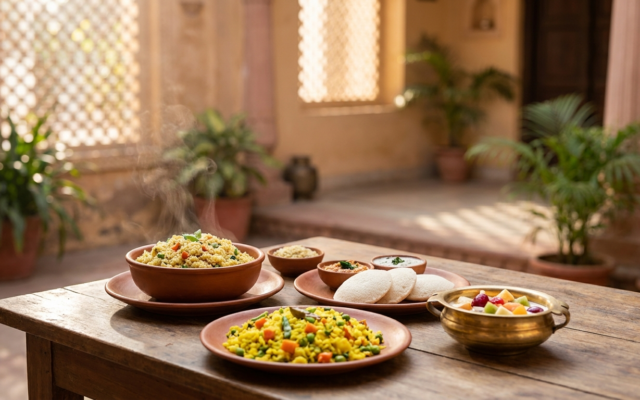
The global shift towards plant-based diets aligns perfectly with Ayurvedic principles, which have always championed vegetarianism and the use of whole, natural foods. In 2026, this synergy is driving innovation in Ayurvedic cuisine and herbal remedies. Expect to see a continued surge in recipes that celebrate seasonal produce, local grains, and nutrient-dense vegetables, all prepared according to Ayurvedic guidelines to enhance digestion and absorption. These aren’t just trendy vegan dishes; they are thoughtfully crafted meals designed to balance your doshas and promote optimal health.
A significant area of growth is in the use of adaptogenic herbs, long revered in Ayurvedic tradition. Herbs like Ashwagandha, Tulsi (Holy Basil), and Brahmi are gaining international recognition for their ability to help the body adapt to stress and promote resilience. These aren’t stimulants or sedatives; they are natural allies that support your body’s innate coping mechanisms. Their integration into everyday life, whether through herbal teas, powders added to smoothies, or specialised supplements, is becoming a cornerstone of modern Ayurvedic wellness.
Consider the humble Tulsi, often found growing in Indian households. Its antiviral, antibacterial, and anti-inflammatory properties are now being scientifically validated, making it a go-to remedy for immune support. Similarly, Ashwagandha’s ability to reduce cortisol levels and improve sleep quality is making it indispensable for individuals struggling with chronic stress. We are moving beyond simply knowing these herbs exist to understanding their precise applications for contemporary ailments. The focus is on harnessing nature’s pharmacy for sustained vitality and mental clarity. This trend represents a profound return to nature’s bounty for our health needs.
Mindfulness and Panchakarma: Reconnecting with Inner Peace
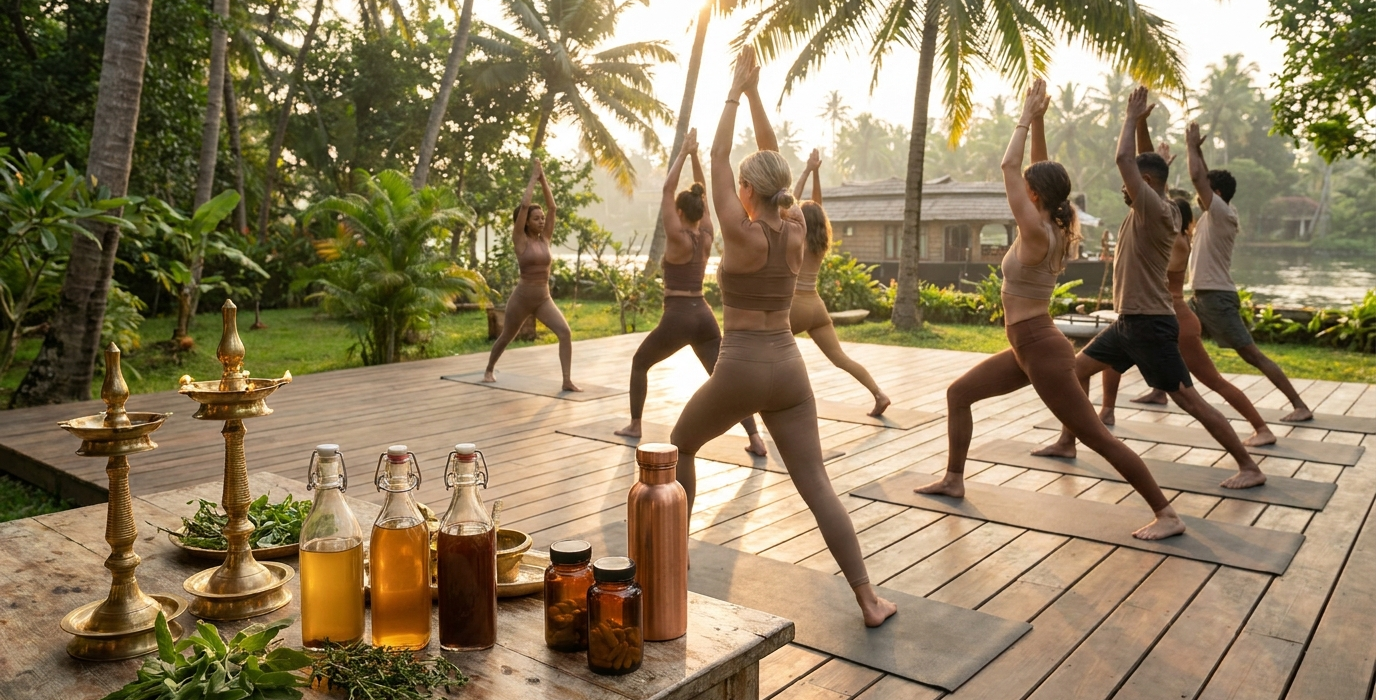
In an age of constant digital notifications and demanding schedules, the Ayurvedic emphasis on mindfulness and mental well-being is more crucial than ever. Practices like meditation, yoga, and pranayama (breath control) are not just seen as stress-relief tools but as integral components of a balanced Ayurvedic lifestyle. These ancient techniques help calm the nervous system, improve focus, and cultivate a deeper connection with oneself. We are rediscovering the profound impact of mindful living on our overall health and happiness.
Beyond daily mindfulness, there’s a growing interest in more intensive Ayurvedic purification therapies, notably Panchakarma. This is a complex, multi-day detoxification and rejuvenation program designed to remove accumulated toxins (ama) from the body and mind. While traditionally administered in residential retreats, we are seeing innovative approaches that bring elements of Panchakarma into home-care settings, making its benefits more accessible. This might involve guided self-massage (Abhyanga) with medicated oils or specific dietary protocols recommended for a few days.
“Ayurveda offers a profound truth: true wellness isn’t about chasing external fixes, but about cultivating an internal harmony that radiates outwards.”
The resurgence of Panchakarma reflects a deeper societal yearning for genuine cleansing and renewal. In 2026, it’s not just about shedding physical toxins; it’s about releasing mental clutter and emotional baggage. Many wellness centers are now offering bespoke Panchakarma experiences, tailored to individual needs and constitutions, often incorporating modern diagnostic tools alongside traditional assessments. This revitalised approach to detoxification promises a holistic reset, leaving you feeling energised, clear-headed, and deeply balanced. It’s a powerful way to recalibrate your entire system.
Homegrown Remedies and the DIY Wellness Revolution
The desire for self-sufficiency and a deeper connection to natural solutions is fuelling a DIY wellness revolution, deeply rooted in Indian traditions. In 2026, the humble kitchen is once again becoming a hub for creating natural remedies and health-boosting concoctions, drawing heavily from Ayurvedic knowledge. From homemade face packs using turmeric and sandalwood to potent cough syrups made with ginger and honey, people are rediscovering the power of simple, readily available ingredients.
This trend is a direct response to concerns about synthetic chemicals in commercial products and a growing trust in time-tested, natural alternatives. Think of the classic haldi-doodh (turmeric milk) – once a staple in every Indian home for its anti-inflammatory benefits, it’s now a global superfood. Similarly, the practice of oil pulling, using sesame or coconut oil to improve oral hygiene, is gaining traction worldwide, echoing ancient Ayurvedic wisdom. We are seeing a beautiful blend of inherited knowledge and contemporary awareness.
One surprising fact is that many common Indian spices, beyond their culinary uses, are potent Ayurvedic medicines. For example, fenugreek seeds (methi) are not only used in curries but also traditionally recommended for managing blood sugar levels and promoting lactation. Another overlooked gem is ajwain (carom seeds), often used to aid digestion and relieve bloating, demonstrating the medicinal power hidden in our spice racks. This movement empowers individuals to take an active role in their health, fostering a sense of agency and connection to natural healing.
Ayurvedic Lifestyle Integration: Beyond the Clinic
The true power of Ayurveda lies not just in its treatments, but in its philosophy of integrating healthy practices into everyday life. In 2026, this means moving beyond sporadic visits to Ayurvedic clinics and embracing a holistic lifestyle that nourishes the body, mind, and spirit daily. It’s about understanding your unique Prakriti and making conscious choices that support your balance, whether it’s through your morning routine, your work habits, or your social interactions.
This integration involves simple yet profound shifts. For instance, adhering to the Ayurvedic concept of ‘Ritucharya’ (seasonal regimen) means adjusting your diet and lifestyle according to the changing seasons. This could mean favouring warm, grounding foods in winter and lighter, cooling options in summer. Another key practice is ‘Dinacharya’ (daily routine), which outlines an ideal schedule for waking, eating, exercising, and sleeping to optimise your body’s natural rhythms. We are seeing a renewed appreciation for these structured yet flexible approaches to daily living.
Consider the practice of ‘Nasya’ – administering medicated oils or ghee into the nostrils. While it might sound unusual to newcomers, it’s a traditional Ayurvedic method for clearing nasal passages, improving clarity of mind, and even preventing respiratory issues. This is just one example of how specific Ayurvedic practices, when understood and applied correctly, can offer tangible benefits for modern health challenges. The aim is to make these ancient practices feel less like foreign rituals and more like intuitive extensions of a healthy, balanced life. It’s about finding your personal rhythm within nature’s grand design.
Frequently Asked Questions
What is my Ayurvedic Prakriti?
Your Prakriti refers to your unique mind-body constitution, determined by the proportion of Vata, Pitta, and Kapha doshas at birth. You can determine your Prakriti through detailed questionnaires, online diagnostic tools, or by consulting a qualified Ayurvedic practitioner. Understanding your Prakriti is the first step towards personalised Ayurvedic living.
Are Ayurvedic remedies safe and effective?
When prepared and administered by qualified practitioners using high-quality ingredients, Ayurvedic remedies are generally safe and effective. The system has a strong emphasis on safety and individualisation. However, it’s crucial to consult with a certified Ayurvedic doctor to ensure the remedies are appropriate for your specific condition and constitution.
Can I combine Ayurveda with modern medicine?
Yes, you absolutely can. Ayurveda and modern medicine can be complementary. Many people find success using Ayurvedic approaches to manage chronic conditions, reduce stress, and improve overall well-being alongside their conventional medical treatments. Always inform both your Ayurvedic practitioner and your modern physician about all treatments you are undergoing.
How can I start incorporating Ayurvedic principles into my daily life?
Begin with small, sustainable changes. Focus on establishing a consistent daily routine (Dinacharya), including regular sleep and meal times. Incorporate mindful eating, paying attention to your food. Experiment with simple Ayurvedic dietary principles, such as favouring seasonal foods and warm meals. Even small steps can lead to significant improvements in your well-being.