Key Takeaways
- Discover exciting new Himalayan trekking routes for 2026 that offer unique cultural immersion and fewer crowds.
- Learn about the crucial role of responsible tourism in preserving the fragile Himalayan ecosystem and local communities.
- Get practical advice on essential gear, acclimatisation, and local etiquette to ensure a safe and enriching adventure.
- Explore options for both beginner-friendly and challenging treks, catering to a range of fitness levels and experience.
Beyond Everest Base Camp: New Himalayan Trails Beckon in 2026
For years, the allure of the Himalayas has drawn adventurers to iconic trails like Everest Base Camp and the Annapurna Circuit. While these routes remain magnificent, the year 2026 presents an opportune moment to explore beyond the beaten path. We’re witnessing a surge in interest for treks that offer not just breathtaking scenery, but also deeper cultural connections and a chance to tread more lightly on our planet.
This shift is driven by a growing awareness of sustainable tourism and a desire for more authentic experiences. Imagine walking through remote villages where ancient traditions are still vibrant, sharing chai with local families, and witnessing landscapes untouched by mass tourism. These emerging routes promise exactly that – a chance to connect with the Himalayas in a way that’s both personal and profound.
As we look ahead to 2026, several regions are quietly emerging as must-visit destinations for the discerning trekker. These are places where the majesty of the mountains meets the warmth of unique cultures, offering an unforgettable adventure. We’ll guide you through some of these hidden gems, ensuring your next Himalayan journey is as rewarding as it is responsible.
The Spiti Valley’s Trans-Himalayan Majesty: A 2026 Discovery
Nestled in Himachal Pradesh, the Spiti Valley is often described as a ‘cold desert mountain valley’. For 2026, it’s becoming an increasingly sought-after destination for those seeking stark, dramatic landscapes and a profound sense of isolation. Unlike the lush green valleys of Nepal, Spiti offers barren mountains, vibrant Buddhist monasteries perched precariously on cliffs, and azure skies that seem to stretch into infinity.
The Chandra Tal Lake trek, a popular route within Spiti, offers stunning vistas of the turquoise lake against a backdrop of snow-capped peaks. For 2026, consider extending your journey to explore the Pin Valley National Park, home to the elusive snow leopard. The sheer remoteness of Spiti means fewer crowds, allowing for a more intimate connection with the environment and its resilient inhabitants. The journey itself, often involving winding mountain roads, is an adventure in its own right.
A surprising fact about Spiti is its unique ecosystem, which supports flora and fauna found nowhere else in the Indian Himalayas. The local culture is deeply rooted in Tibetan Buddhism, and you’ll encounter ancient gompas like Key Monastery, which dates back over a thousand years. This region is perfect for those who appreciate stark beauty, spiritual tranquility, and a journey that feels like stepping back in time.
Uttarakhand’s Secret Trails: Beyond the Valley of Flowers
Uttarakhand, often called the ‘Land of the Gods’, boasts a plethora of trekking opportunities, but many venture only to the well-trodden path of the Valley of Flowers. In 2026, we urge you to look further afield. The state is brimming with less-explored trails that offer a similar, if not greater, sense of wonder and serenity, often with fewer fellow trekkers.
Consider the Ronti Saddle trek, a challenging but immensely rewarding expedition that offers unparalleled views of peaks like Trishul and Nanda Devi. This route takes you through diverse landscapes, from dense forests to high-altitude meadows, and is ideal for experienced trekkers looking for a true wilderness experience. Another emerging favourite for 2026 is the Kuari Pass trek, also known as the ‘Corbett’s Trail’, which provides panoramic vistas of the Garhwal Himalayas.
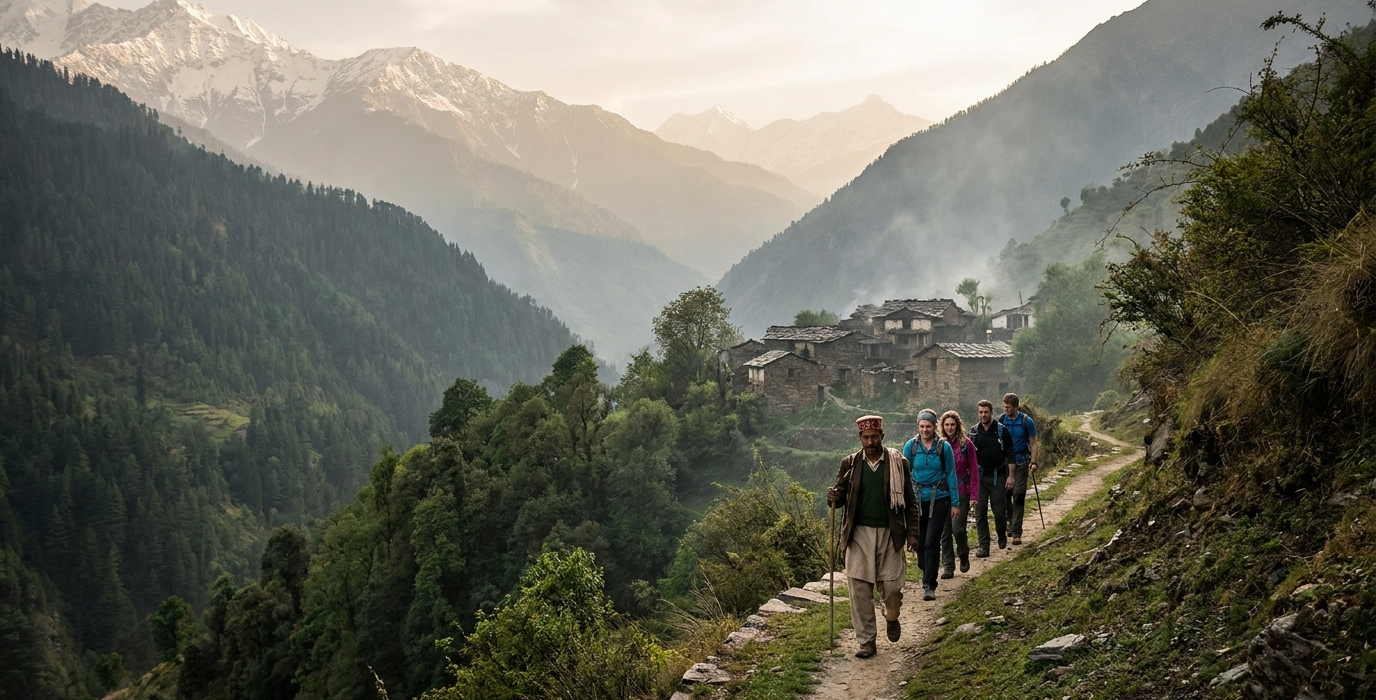
The cultural richness of these regions is a significant draw. You’ll pass through traditional Kumaoni and Garhwali villages, where the pace of life is dictated by the seasons. Experiencing the local hospitality and sampling regional delicacies like ‘Gahat’ soup is an integral part of the journey. A truly surprising element is the abundance of rare medicinal herbs found along these lesser-known paths, a testament to the pristine nature of these environments.
Ladakh’s High-Altitude Wonders: The Markha Valley and Beyond
Ladakh, with its dramatic moonscape-like terrain and vibrant Buddhist culture, continues to captivate travellers. While the Stok Kangri trek has been a popular challenge, 2026 sees a growing appreciation for the Markha Valley trek, often considered one of the classic treks in Ladakh, offering a perfect blend of stunning scenery and cultural immersion. This trek takes you through picturesque villages, ancient monasteries, and across high passes, with the backdrop of the majestic Himalayas.
For those seeking something even more offbeat in 2026, the Sham Valley trek, also known as the ‘Baby Trek’, is an excellent option for beginners. It offers a taste of Ladakh’s beauty without extreme altitude challenges. More adventurous trekkers might consider the remote Zanskar Valley, with its challenging passes and deep gorges, offering a truly wild and remote experience. The stark beauty of Ladakh is unlike anywhere else, with its arid mountains and clear blue skies.
The spiritual heart of Ladakh beats in its monasteries, such as Thiksey and Hemis. Visiting these ancient centres of Buddhism, often dating back centuries, is a profound experience. A surprising aspect of Ladakh’s geography is its role as a high-altitude cold desert; despite the arid conditions, life here is incredibly resilient, and the communities have developed ingenious methods for survival and agriculture. This resilience is reflected in the spirit of the Ladakhi people.
Sikkim’s Enchanting East: From Goechala to Dzongri
Sikkim, nestled in the Eastern Himalayas, offers a tapestry of emerald valleys, snow-capped peaks, and vibrant Buddhist culture. While the Goechala trek to witness the Kanchenjunga’s grandeur remains a bucket-list item, 2026 is the year to delve deeper into its less-explored trails. The Dzongri-Goechala trek is a classic, but for those wanting more, consider venturing into trails that lead to more remote monasteries and villages.
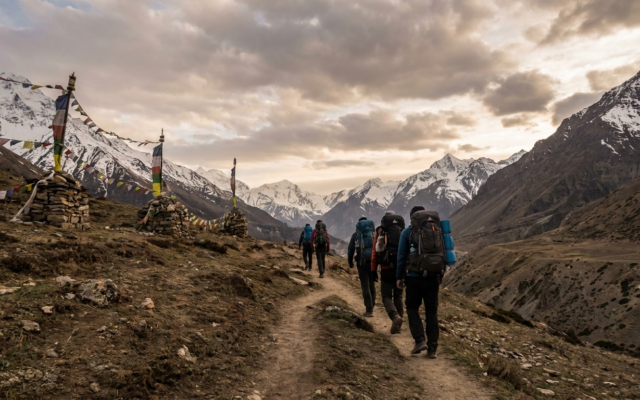
The Barsey Rhododendron Sanctuary trek, especially during the spring blooming season, is a spectacle of colour. For 2026, combine this with a journey towards the Yuksom region, the historical first capital of Sikkim. Here, you can explore ancient monasteries and experience the unique blend of Nepalese, Bhutia, and Lepcha cultures. The trails here are often lined with prayer flags, adding a spiritual dimension to the visual feast.
The accessibility of Sikkim’s trails, combined with its unique cultural heritage, makes it an attractive destination. You’ll find that many of these routes are steeped in local folklore and history. A surprising fact is that Sikkim is one of the few Indian states where the local communities actively participate in the conservation efforts, making sustainable tourism a way of life. This community-led approach ensures the preservation of both the environment and cultural traditions.
Responsible Trekking: Protecting the Himalayas for 2026 and Beyond
As we explore these incredible, lesser-known Himalayan trails in 2026, it’s paramount that we do so responsibly. The fragile ecosystem of the Himalayas is facing increasing pressure from climate change and tourism. Our actions as trekkers have a direct impact on the environment and the lives of the local communities.
This means minimising our footprint by packing out all waste, sticking to marked trails to prevent erosion, and conserving water. We should also be mindful of our energy consumption and avoid single-use plastics. Supporting local economies by purchasing handicrafts and dining at local eateries is crucial. Choosing tour operators who are committed to sustainable practices is another vital step.
Respecting local customs and traditions is non-negotiable. Dress modestly when visiting monasteries and villages, ask permission before taking photographs of people, and always be polite and courteous. By embracing responsible trekking, we ensure that these breathtaking landscapes and vibrant cultures can be enjoyed by future generations. The Himalayas are a treasure, and it’s our collective responsibility to protect them.
Planning Your 2026 Himalayan Adventure: Essential Tips
Embarking on a Himalayan trek in 2026, especially to newer or more remote areas, requires careful planning. Proper preparation is key to ensuring your safety and enjoyment. This includes selecting the right trek for your fitness level and experience, and understanding the logistical challenges involved.
Gear Essentials: Pack layers of clothing, including waterproof and windproof outer shells, thermal base layers, and a warm fleece. Good quality hiking boots are non-negotiable, as are trekking poles to reduce strain on your knees. Don’t forget a high-SPF sunscreen, sunglasses, a hat, and a basic first-aid kit. A headlamp is also essential for early morning starts or navigating in the dark.
Acclimatisation: This is crucial for preventing altitude sickness. Ascend gradually, allow rest days, and stay hydrated. Listen to your body and don’t push yourself too hard. If you experience symptoms of altitude sickness, descend immediately.
Local Etiquette: Learn a few basic phrases in the local language, if possible. Always be respectful of local customs and traditions. Remove your shoes before entering homes or monasteries. A surprising but important tip: avoid pointing with your finger; use an open hand to indicate direction.
Choosing a Guide/Operator: For lesser-known trails, hiring a local guide is highly recommended. They possess invaluable knowledge of the terrain, weather, and local culture, and can ensure your safety. Research operators thoroughly to ensure they adhere to ethical and sustainable practices.
Frequently Asked Questions
What is the best time of year for Himalayan treks in 2026?
The prime trekking seasons for most Himalayan regions in 2026 are typically spring (March to May) and autumn (September to November). Spring offers blooming flowers, while autumn provides clear skies and pleasant temperatures. Winter treks are possible in lower altitudes, but can be challenging due to snow and extreme cold.
How difficult are the lesser-known Himalayan treks compared to popular ones?
The difficulty varies greatly. While some new trails are designed to be more accessible, others can be more challenging due to remoteness, unpredictable weather, and longer trekking days. It’s essential to research the specific trek and assess your fitness and experience honestly before choosing.
What is the average cost of a 2026 Himalayan trek?
Costs can range from approximately ₹25,000 for a basic, shorter trek with local guides to ₹1,00,000 or more for longer, more challenging expeditions with established international operators. This typically includes accommodation, food, permits, and guide fees, but excludes flights and personal expenses.
Do I need special permits for trekking in the Himalayas in 2026?
Yes, most trekking regions in the Himalayas require permits. These can include national park entry fees, restricted area permits, and trekking permits. Your tour operator will usually arrange these, but it’s wise to confirm what is included and what you might need to obtain yourself in advance.
How can I prepare physically for a Himalayan trek in 2026?
Focus on cardiovascular exercises like running, cycling, and swimming. Strength training, especially for your legs and core, is also important. Practice hiking with a weighted backpack on varied terrain to simulate trek conditions. Consistency is key, so start your training at least 2-3 months before your trek.