Key Takeaways
- India’s new National Artificial Intelligence Framework (NAIF) prioritises ethical development and widespread adoption across key sectors.
- The NAIF introduces dedicated funding for AI research and aims to build a robust talent pool through educational initiatives.
- Significant focus is placed on democratising AI access, particularly for MSMEs and in rural areas, with specific digital infrastructure plans.
- International collaboration is a cornerstone, with provisions for knowledge sharing and joint research projects.
Navigating India’s New AI Frontier: The National Artificial Intelligence Framework Explained
India is embarking on a new era of technological advancement with the recent unveiling of its National Artificial Intelligence Framework (NAIF). This comprehensive policy document, launched in mid-2026, signals the government’s ambitious vision to position India as a global leader in artificial intelligence. The NAIF isn’t just about technological prowess; it’s a strategic roadmap designed to foster innovation, ensure ethical deployment, and drive inclusive growth across the nation.
For citizens, businesses, and researchers alike, understanding the nuances of this framework is crucial. It promises to reshape industries, create new job opportunities, and potentially address some of India’s most pressing societal challenges. We’ll delve into what this means for you, exploring the key pillars of the NAIF and its practical implications.
Pillars of Progress: Ethical AI and Responsible Innovation
At the heart of the NAIF lies a strong commitment to ethical AI development. The framework acknowledges the immense power of AI but also recognises the potential risks associated with its unchecked growth. This includes ensuring fairness, transparency, and accountability in AI systems. You can expect to see new guidelines and standards emerging to govern the creation and deployment of AI technologies, particularly in sensitive areas like healthcare and law enforcement.
The policy emphasizes a human-centric approach, ensuring that AI serves societal good and respects fundamental rights. This means rigorous evaluation processes for AI applications to prevent bias and discrimination. For developers and businesses, this translates to a need for robust ethical review boards and a greater emphasis on explainable AI (XAI) techniques. The goal is to build trust in AI systems, making them reliable tools for progress rather than sources of concern.
Safeguarding Against Bias and Ensuring Transparency
One of the most significant aspects of the NAIF’s ethical focus is its dedication to mitigating algorithmic bias. The framework mandates that AI models be trained on diverse and representative datasets to avoid perpetuating existing societal inequalities. This is a critical step towards ensuring that AI benefits all sections of society equally, from urban centres to remote villages.
Furthermore, the NAIF promotes transparency in AI decision-making. This means that when AI systems are used in critical applications, their reasoning should be understandable. This will be particularly important for citizens interacting with AI-powered public services or seeking redressal for AI-driven outcomes. The government aims to foster a climate where AI is not a black box, but a tool that can be scrutinised and understood.
Fueling the Engine: Research, Development, and Talent Acquisition
The NAIF recognises that a thriving AI ecosystem requires significant investment in research and development (R&D). A substantial portion of the framework is dedicated to boosting funding for cutting-edge AI research across Indian institutions. This includes grants for fundamental research, applied AI projects, and the development of indigenous AI technologies.
Beyond financial incentives, the policy outlines ambitious plans for talent acquisition and development. This involves integrating AI education into university curricula, establishing specialised AI training centres, and offering scholarships for aspiring AI professionals. The aim is to build a robust pipeline of skilled individuals who can drive India’s AI ambitions forward. For students and professionals, this presents immense opportunities to upskill and contribute to this rapidly evolving field.
Investing in India’s AI Brainpower
Specific initiatives under this pillar include the establishment of national AI research hubs in leading universities and the creation of AI Centres of Excellence focused on critical sectors like agriculture, healthcare, and smart cities. These centres will act as incubators for innovation, fostering collaboration between academia, industry, and government.
Moreover, the NAIF proposes “AI Fellowships” for researchers and engineers, encouraging them to pursue advanced studies and contribute to impactful AI projects within India. This aims to curb the “brain drain” and retain top talent within the country. It’s a clear signal that India is serious about nurturing its own AI capabilities from the ground up.
Democratising AI: Bridging the Digital Divide
A truly impactful AI strategy must be inclusive, and the NAIF makes democratising AI access a core objective. The framework acknowledges that the benefits of AI should not be confined to large corporations or tech-savvy urban populations. Specific provisions are being made to ensure that Micro, Small, and Medium Enterprises (MSMEs) can leverage AI technologies to enhance their productivity and competitiveness.
Furthermore, significant emphasis is placed on extending AI’s reach to rural and underserved areas. This involves developing AI-powered solutions tailored to the specific needs of these communities, such as in agriculture, education, and healthcare delivery. The aim is to ensure that no segment of the population is left behind in this technological revolution.
AI for the Masses: Digital Infrastructure and Inclusive Solutions
To achieve this widespread adoption, the NAIF includes plans for enhancing digital infrastructure across the country. This means improving internet connectivity, ensuring access to computing resources, and developing user-friendly AI platforms that are accessible to individuals with varying levels of technical expertise. The government envisions AI as a tool to empower local communities and improve their quality of life.
For instance, we can anticipate AI-driven applications for precision agriculture, helping farmers in regions like Punjab and Haryana optimise crop yields and manage resources more efficiently. Similarly, AI-powered telemedicine platforms could extend specialised healthcare services to remote areas in Jharkhand and Chhattisgarh, bridging critical gaps in access. This focus on practical, on-the-ground applications is a hallmark of the NAIF’s inclusive vision.
Global Collaboration: India’s Role on the World Stage
Recognising that AI is a global endeavour, the NAIF places significant importance on international collaboration. India aims to actively engage with other nations in knowledge sharing, joint research initiatives, and the development of global AI standards. This approach is crucial for staying at the forefront of AI innovation and for addressing complex global challenges that AI can help solve.
The framework outlines mechanisms for partnerships with leading AI research institutions and companies worldwide. This will allow Indian researchers and developers to access cutting-edge knowledge, collaborate on ambitious projects, and gain exposure to diverse perspectives. It’s about learning from the best while also contributing India’s unique insights and capabilities to the global AI community.
Synergies for Global Impact
One key area of collaboration will be in developing ethical AI guidelines and regulatory frameworks. By working with international partners, India can contribute to creating a global consensus on responsible AI development, ensuring that AI technologies are developed and used for the benefit of all humanity. This proactive approach is vital in shaping the future of AI governance.
Additionally, the NAIF encourages joint research projects focused on shared global challenges, such as climate change, pandemic preparedness, and sustainable development. For example, India might partner with European nations to develop AI models that predict extreme weather events with greater accuracy, or collaborate with African nations on AI solutions for food security. This outward-looking strategy positions India not just as a consumer of AI, but as a significant contributor to its global advancement.
Sectoral Transformation: AI’s Impact Across Industries
The NAIF is designed to drive AI adoption across a wide spectrum of Indian industries. From healthcare to agriculture, manufacturing to financial services, the framework aims to unlock the transformative potential of AI in each sector. This will lead to increased efficiency, improved service delivery, and the creation of new economic opportunities.
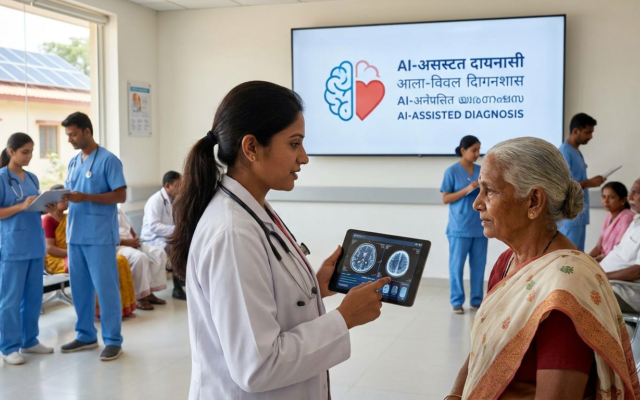
For example, in the healthcare sector, AI can power advanced diagnostics, personalised treatment plans, and drug discovery. In agriculture, it can optimise resource management and enhance crop yields. The manufacturing sector can leverage AI for predictive maintenance and intelligent automation, while financial services can benefit from AI-driven fraud detection and customer service. This broad sectoral focus underscores the pervasive nature of AI’s potential impact.
AI in Action: Case Studies and Future Prospects
Consider the potential for AI in education. AI-powered personalised learning platforms can adapt to individual student needs, providing tailored support and feedback. This could revolutionise how education is delivered, especially in large and diverse classrooms across India. Imagine a student in a remote village in Uttarakhand receiving the same quality of personalised attention as a student in a metropolitan city.
Another surprising application lies in cultural heritage preservation. AI can be used to digitise and analyse ancient texts, decipher lost languages, and even reconstruct damaged historical artefacts. This allows for a deeper understanding and preservation of India’s rich cultural legacy for future generations. The NAIF aims to foster such innovative, culturally relevant applications of AI.
Implementing the Framework: Challenges and Opportunities Ahead
While the NAIF presents a compelling vision, its successful implementation will undoubtedly face challenges. These include the need for significant digital infrastructure upgrades, upskilling the existing workforce, and ensuring robust data security and privacy. Overcoming these hurdles will require sustained effort and collaboration between government, industry, and academia.
However, the opportunities presented by the NAIF are immense. It has the potential to significantly boost India’s economic growth, create high-value jobs, and improve the quality of life for its citizens. The framework provides a clear direction, and the government’s commitment to fostering innovation and inclusivity suggests a promising future for AI in India. We are at the cusp of a significant technological shift, and the NAIF is our compass.
“The National Artificial Intelligence Framework is not just about building smarter machines; it’s about building a smarter, more equitable future for every Indian.”
Frequently Asked Questions
What is the primary goal of India’s National Artificial Intelligence Framework (NAIF)?
The primary goal of the NAIF is to position India as a global leader in artificial intelligence by fostering ethical development, driving innovation, ensuring widespread adoption across key sectors, and promoting inclusive growth. It aims to leverage AI for societal benefit and economic advancement.
How will the NAIF support MSMEs in adopting AI?
The NAIF includes specific provisions to help MSMEs access AI technologies. This involves developing affordable AI solutions, providing training and capacity building programs, and potentially offering financial incentives or grants to facilitate their digital transformation.
Will the NAIF focus on developing indigenous AI technologies?
Yes, a significant aspect of the NAIF is to boost indigenous AI research and development. This includes funding for local research, nurturing Indian AI startups, and encouraging the development of AI solutions tailored to India’s unique needs and challenges.
What measures are in place to ensure ethical AI development under the NAIF?
The NAIF places a strong emphasis on ethical AI by promoting transparency, accountability, and fairness in AI systems. It mandates guidelines to mitigate algorithmic bias and encourages the development of human-centric AI applications that respect fundamental rights and societal values.
How does the NAIF address the skills gap in AI?
The framework proposes comprehensive initiatives to build India’s AI talent pool. This includes integrating AI education into academic curricula, establishing specialised training centres, offering scholarships, and promoting lifelong learning opportunities for professionals.