Key Takeaways
- Indian cinema is seeing a surge in big-budget, pan-India spectacles, blending diverse regional influences.
- The 2026 slate features a mix of established superstars and ambitious directorial visions, aiming for both domestic and global appeal.
- Content diversification, including epic historical dramas and high-concept sci-fi, signals a maturing market seeking fresh narratives.
- Technology, from advanced VFX to immersive sound design, is playing a crucial role in elevating the cinematic experience for audiences in India and abroad.
The Dawn of the Pan-India Epic: Redefining Scale and Scope
The year 2026 is shaping up to be a watershed moment for Bollywood, as the industry doubles down on its ambition to create cinematic spectacles that resonate not just across India, but on a global stage. We’re witnessing a significant shift towards what are colloquially termed ‘pan-India’ films – productions designed from the ground up to appeal to a diverse linguistic and cultural audience. This isn’t just about dubbing a Hindi film into Tamil or Telugu; it’s about weaving narratives that tap into shared cultural touchstones, employing star power from multiple regions, and investing heavily in production values that can compete with Hollywood blockbusters. Think sprawling historical sagas set against breathtaking landscapes, or high-octane action thrillers that transcend regional boundaries with their universal themes of heroism and sacrifice. The success of recent ventures has emboldened studios to push the envelope further, with 2026’s slate promising even grander canvases and more ambitious storytelling. We can expect to see films that are not afraid to experiment with genre, blending action, drama, fantasy, and even elements of mythology into cohesive and captivating narratives.
The economic implications of this pan-India approach are immense. By targeting a wider audience from the outset, filmmakers and producers are mitigating risks and significantly increasing the potential return on investment. This strategy also fosters a healthier ecosystem where regional talent and stories can find a national platform, leading to a richer tapestry of Indian cinema. The focus on visual grandeur, driven by cutting-edge visual effects and sound design, is paramount. Studios are investing in state-of-the-art studios and collaborating with international technical teams to ensure that every frame delivers a truly immersive experience. This commitment to high production quality is not just about making films look good; it’s about creating a world that audiences can get lost in, a hallmark of truly memorable cinematic events.
Superstars Reign Supreme, But New Faces Emerge
The 2026 box office calendar is a testament to the enduring power of Bollywood’s established superstars. Veterans like Shah Rukh Khan, Salman Khan, and Aamir Khan continue to command immense fan followings, and their upcoming projects are among the most anticipated releases of the year. These icons are not just relying on their star power; they are strategically choosing scripts that offer them fresh challenges and opportunities to connect with contemporary audiences. We’re seeing them take on more nuanced roles, experiment with different genres, and even mentor emerging talent through their production houses. Their ability to adapt and evolve is key to their sustained relevance.
However, the landscape is far from static. A new generation of actors, who have proven their mettle in recent years, are now firmly establishing themselves as formidable box office draws. Their appeal lies in their relatability, their fresh energy, and their willingness to take on diverse and often unconventional roles. These actors are also adept at leveraging digital platforms to connect directly with their fans, creating a strong personal brand that translates into ticket sales. The synergy between established stars and this rising brigade creates a dynamic tension, ensuring that the industry remains vibrant and unpredictable. The upcoming year will likely see a fascinating interplay between the seasoned titans and these ambitious newcomers, each vying for audience attention with their unique offerings. This healthy competition is ultimately beneficial for the audience, promising a wider range of cinematic experiences.
Historical Epics and Mythological Grandeur: Revisiting the Past
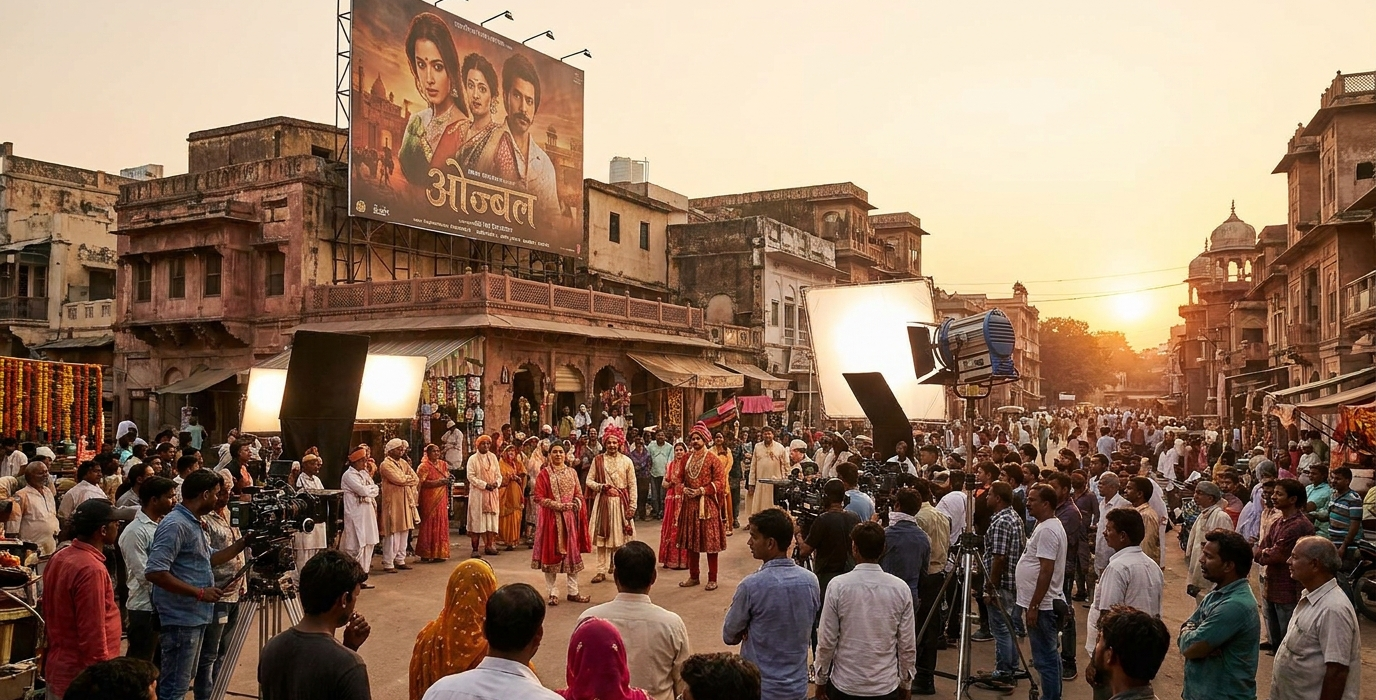
A significant trend emerging for 2026 is the resurgence of grand historical dramas and mythological retellings, but with a modern sensibility. These aren’t mere period pieces; they are ambitious attempts to bring India’s rich past to life with unparalleled scale and visual fidelity. Filmmakers are delving into lesser-known chapters of Indian history, exploring the lives of forgotten rulers, unsung heroes, and pivotal moments that shaped the nation. The aim is to educate and entertain simultaneously, presenting narratives that are both historically grounded and emotionally engaging. The investment in meticulous research, authentic costumes, and historically accurate set designs is evident, aiming to transport audiences back in time.
The mythological space, always a fertile ground for storytelling, is also being approached with renewed vigour. Instead of direct adaptations of ancient texts, we are seeing interpretations that explore the human aspects of these divine characters, their struggles, their dilemmas, and their relationships. These films often employ advanced visual effects to create fantastical realms and mythical creatures, making them visually spectacular. The success of films that blend historical accuracy with compelling character arcs has proven that audiences are eager to reconnect with their heritage through cinema. For instance, a rumoured project set in the Chola empire, drawing inspiration from the architectural marvels of Tamil Nadu, promises to be a visual feast, showcasing the grandeur of a bygone era. This trend signals a deep-seated desire within the audience to understand and celebrate their cultural roots through the powerful medium of film.
Sci-Fi and Fantasy: Pushing the Boundaries of Imagination
Beyond historical epics, 2026 is also set to witness a bold leap into the realms of science fiction and fantasy. Bollywood is finally embracing high-concept genre filmmaking with the kind of budget and technical expertise that was once the exclusive domain of Hollywood. These films are not just about dazzling visual effects; they are exploring thought-provoking themes, complex character development, and intricate world-building. We can expect narratives that delve into artificial intelligence, space exploration, alternate realities, and futuristic societies, all infused with Indian sensibilities and cultural nuances. This marks a significant maturation of the industry, demonstrating a confidence in tackling stories that require a high degree of imagination and technical prowess.
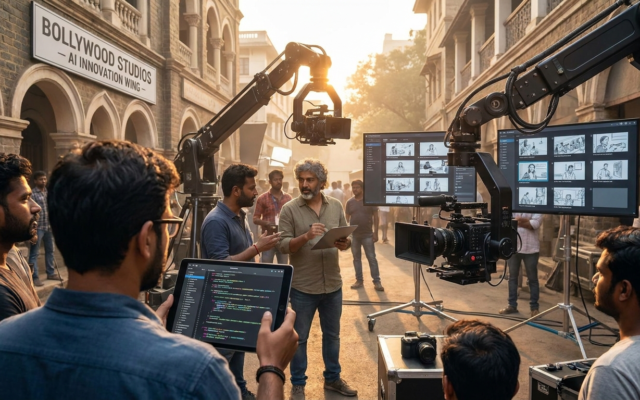
The investment in cutting-edge CGI and motion capture technology is crucial for realizing these ambitious visions. Studios are collaborating with international VFX houses and training local talent to build a robust indigenous pipeline. This allows for the creation of believable alien worlds, futuristic cityscapes, and fantastical creatures that are integral to the storytelling. The goal is to create immersive cinematic experiences that transport audiences to entirely new dimensions, blurring the lines between reality and fantasy. One such anticipated film reportedly explores a dystopian future India, where advanced technology intersects with ancient philosophies, offering a unique take on societal evolution. These ventures are not just about entertainment; they are about expanding the creative horizons of Indian cinema and proving its capability to deliver world-class genre films.
The true measure of Bollywood’s evolution in 2026 will be its ability to blend spectacle with substance, creating narratives that are both visually stunning and emotionally resonant, captivating audiences from every corner of the globe.
Advertisement300×250 / native
The Rise of the ‘Filmmaker’s Film’: Artistic Vision Meets Commercial Viability
A heartening trend for 2026 is the increasing recognition and commercial success of ‘filmmaker’s films’. These are projects that prioritize artistic vision and unique storytelling over formulaic approaches, often helmed by directors with a distinct voice and a penchant for experimentation. While traditionally such films might have been relegated to niche festivals, the current landscape is seeing them achieve significant box office success, proving that audiences are hungry for original and thought-provoking content. This shift is driven by a new generation of producers and studio heads who are willing to take calculated risks on unconventional narratives. They understand that a strong, unique story, coupled with competent execution, can often outperform a star-studded but derivative film.
These films often explore complex social issues, delve into intricate human relationships, or present innovative narrative structures. They might not always boast of the biggest superstars, but they often feature compelling performances from actors who are chosen for their ability to embody the characters authentically. The marketing strategies for these films are also becoming more sophisticated, focusing on building anticipation through compelling trailers, engaging social media campaigns, and targeted outreach to specific audience segments. The success of films like ‘Article 15’ and ‘Andhadhun’ in previous years has paved the way for more such ventures. For 2026, we can anticipate a range of films that challenge conventions, spark conversations, and ultimately enrich the cinematic landscape. This trend is crucial for the long-term health and artistic growth of Bollywood, ensuring it remains a dynamic and relevant cultural force.
Technological Advancements: Enhancing the Immersive Experience
The cinematic experience in 2026 is being profoundly shaped by rapid technological advancements, particularly in visual effects (VFX), sound design, and immersive viewing formats. Filmmakers are leveraging these tools not just for superficial embellishment, but to serve the narrative and create truly unforgettable experiences for the audience. The quality of VFX has reached a point where creating fantastical worlds, historical recreations, and even complex action sequences with photorealistic detail is now commonplace. This allows for a level of visual storytelling that was unimaginable even a decade ago, bringing epic visions to life with stunning clarity.
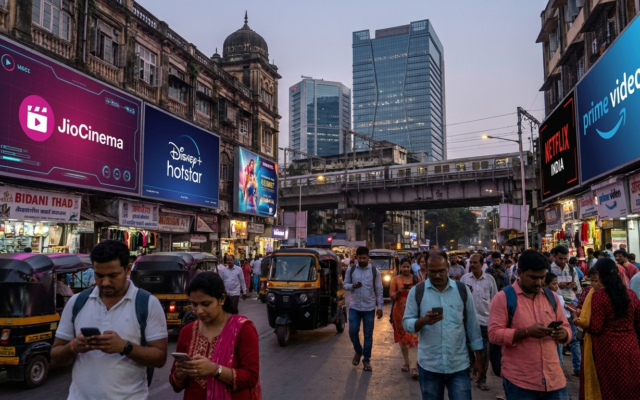
Furthermore, advancements in sound technology, such as Dolby Atmos and DTS:X, are transforming the auditory landscape of cinema. These immersive sound formats create a 3D soundscape that envelops the audience, making them feel truly present within the film’s world. The precise placement of every sound, from the rustling of leaves to the roar of a dragon, adds a new layer of realism and emotional impact. Beyond sound and visuals, the exploration of alternative exhibition formats, like IMAX and premium large formats (PLF), continues to grow. These premium experiences offer larger screens, superior seating, and enhanced technical capabilities, catering to audiences seeking the ultimate in cinematic immersion. A film set in the bustling streets of Mumbai, for instance, can utilize dynamic camera work and a thunderous sound mix to make the audience feel the city’s pulse. The integration of these technologies is not merely a trend; it’s a fundamental aspect of how Bollywood is aiming to captivate audiences, both domestically and internationally, in 2026 and beyond.
Frequently Asked Questions
What are the biggest trends in Bollywood for 2026?
The dominant trends include the rise of ‘pan-India’ epics, a resurgence of historical and mythological dramas with modern interpretations, increased investment in sci-fi and fantasy genres, a focus on ‘filmmaker’s films’ with unique artistic visions, and the widespread adoption of advanced technologies for enhanced immersive experiences.
Will established superstars continue to dominate the box office in 2026?
Yes, established superstars will continue to hold significant sway, but they are increasingly choosing diverse roles and collaborating with new talent. They are adapting to changing audience preferences, ensuring their relevance alongside a growing roster of emerging stars.
How is technology impacting Indian cinema in 2026?
Technology is revolutionizing Indian cinema by enabling more sophisticated visual effects, creating immersive soundscapes with formats like Dolby Atmos, and enhancing the viewing experience through premium formats like IMAX. This allows for more ambitious storytelling and a heightened sense of realism.
Are Bollywood films becoming more diverse in their storytelling?
Absolutely. The industry is moving beyond traditional formulas, with filmmakers exploring a wider range of genres, historical periods, and societal themes. The success of ‘filmmaker’s films’ indicates a strong audience appetite for original and diverse narratives.
What is the significance of the ‘pan-India’ film trend?
The ‘pan-India’ approach signifies Bollywood’s ambition to create films that appeal to a national audience by incorporating diverse regional influences, stars, and themes. This strategy aims to maximize reach and revenue by transcending linguistic and cultural barriers.