Key Takeaways
- Explore West Bengal’s lesser-known monsoon destinations, from the emerald tea gardens of Darjeeling to the mystical Sundarbans.
- Discover unique cultural experiences like Durga Puja preparations and the vibrant folk art of Bishnupur during the monsoon.
- Learn about the best travel times within the monsoon season for specific regions and how to make the most of the rain.
- Gain practical tips for monsoon travel in West Bengal, including packing essentials and safety advice for navigating the weather.
Embracing the Emerald Embrace: West Bengal’s Monsoon Awakening
As the monsoon clouds gather over West Bengal, a dramatic transformation sweeps across the landscape, turning lush greenery into an even more vibrant spectacle. Far from being a season to stay indoors, the monsoon in West Bengal offers a unique window into the soul of this culturally rich state, revealing hidden gems and experiences that are simply breathtaking. We’re talking about emerald tea estates whispering with the scent of rain-kissed leaves, ancient terracotta temples shimmering under a soft drizzle, and the very air alive with the promise of rejuvenation. This is your invitation to step beyond the ordinary and discover the magic that only the monsoon can bring to Bengal.
This isn’t just about escaping the heat; it’s about immersing yourself in a sensory feast. Imagine the cool, earthy aroma after a downpour, the symphony of frogs croaking their evening chorus, and the vibrant hues of nature at their absolute peak. From the misty peaks of the Himalayas to the deltaic embrace of the Sundarbans, West Bengal transforms into a canvas painted with the most evocative shades of green and grey. We’ll guide you through these enchanting experiences, ensuring your monsoon sojourn is unforgettable.
The Shimmering Hills: Darjeeling and the Dooars in Monsoon Splendor
When most people think of Darjeeling, they picture crisp, sunny views of Kanchenjunga. However, visiting the “Queen of the Hills” during the monsoon, typically from July to September, reveals a different, equally captivating charm. The mist, which often blankets the higher altitudes, creates an ethereal, dreamlike atmosphere. Imagine sipping a steaming cup of world-renowned Darjeeling tea while watching clouds swirl around the valleys below. The tea gardens, like Makaibari and Glenburn, are at their most verdant, the tea leaves glistening with fresh dew.
Beyond Darjeeling town, the Dooars region, a gateway to Bhutan and the Northeast, comes alive. This is the heart of Bengal’s tea country, and the monsoon nourishes it to perfection. Think sprawling estates, winding rivers, and the chance to spot wildlife in their natural habitat. Parks like Gorumara and Chapramari National Parks offer unique safari experiences where the lush foliage makes spotting animals like rhinoceros and elephants a thrilling, albeit damp, adventure. The air is thick with the scent of wet earth and blooming flora, a truly invigorating experience.
A surprising fact about this region during the monsoon is the abundance of migratory birds. While some may associate monsoons with fewer avian visitors, the increased water bodies and lush vegetation attract many species to the Dooars. You might spot rare kingfishers or various waterfowls. The rain also makes the waterfalls, like the popular Bindu Dam and the various unnamed cascades, exceptionally powerful and picturesque. It’s a photographer’s paradise, capturing raw, untamed nature at its most dramatic. Remember to pack waterproof gear; a good quality umbrella and a sturdy pair of waterproof boots are your best friends here.
Terracotta Trails and Cultural Rhythms: Bishnupur’s Monsoon Muse
Venture south to the arid plains of Bankura district, and you’ll find Bishnupur, a town renowned for its exquisite terracotta temples and rich artistic heritage. While often associated with drier months, the monsoon imbues Bishnupur with a unique, serene beauty. The intricate carvings on temples like the Rasmancha, Shyam Rai Temple, and Jore Bangla Temple seem to glow under the soft, diffused light of a cloudy sky. The surrounding landscape, usually dry and dusty, turns a vibrant shade of green, making the red-brown terracotta stand out even more dramatically.
The monsoon season is also an excellent time to witness the preparations for Durga Puja, which often falls in September or October. While the festival itself is post-monsoon, the artisans in Bishnupur and the surrounding villages are hard at work creating the magnificent idols and intricate decorations. Visiting during this period offers a fascinating glimpse into the cultural heartbeat of Bengal. You can see the clay being molded, the vibrant colours being mixed, and the meticulous artistry that goes into crafting these deities. It’s an intimate look at a tradition deeply woven into the fabric of Bengali life.
One of the most rewarding experiences in Bishnupur during the monsoon is exploring the local craft villages. The famous Baluchari and Bishnupuri silk sarees, known for their intricate woven motifs depicting mythological scenes, are a testament to the region’s enduring artistry. The weavers, often working indoors during the rain, are more accessible, allowing for deeper conversations about their craft. A truly surprising aspect is how the humidity actually benefits certain traditional crafts. For example, the pliability of certain natural dyes used in pottery and textile printing is enhanced by the moisture in the air, leading to richer colours. This makes the monsoon a secret boon for artisans.
The Whispering Mangroves: Sundarbans Under the Monsoon Sky
The Sundarbans, the world’s largest mangrove forest and a UNESCO World Heritage Site, takes on a mystical allure during the monsoon months, typically July to October. While cyclone season is a concern, the rains also bring the deltaic region to life in a way few other seasons can. The waterways, the lifeblood of the Sundarbans, swell with fresh water, creating a dynamic ecosystem that teems with life. The dense mangrove foliage, already a vibrant green, becomes even more lush and alive, its emerald canopy shimmering under the monsoon sky.
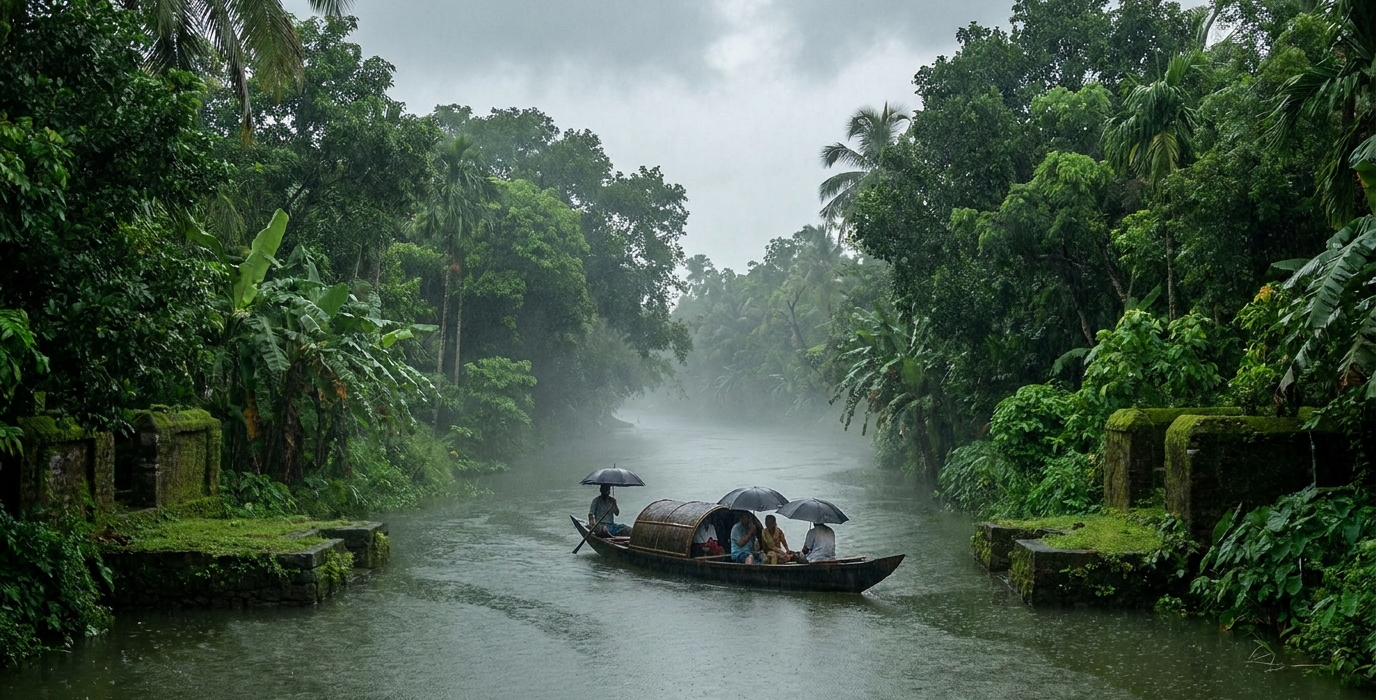
Boat safaris become even more adventurous and rewarding. As the rain patters on the roof of your country boat, you glide through narrow creeks, the air alive with the calls of exotic birds and the rustling of unseen creatures. The increased water levels can bring Royal Bengal Tigers closer to the riverbanks in search of higher ground, offering a rare and thrilling sighting. Experienced local guides, whose knowledge of the tides and wildlife is unparalleled, are essential for a safe and enriching journey. They know the best spots and times to maximize your chances of spotting wildlife while navigating the ever-changing waterways.
A remarkable aspect of the Sundarbans during the monsoon is the heightened activity of estuarine crocodiles. The rain, coupled with the influx of freshwater, creates ideal breeding and feeding conditions for these ancient reptiles. While sightings require caution and expert guidance, the monsoon is a peak time for observing them basking on muddy banks or emerging from the water. Furthermore, the biodiversity explodes. The rain nourishes the plankton, which in turn supports a vast array of fish, attracting numerous bird species, including various herons, egrets, and the magnificent brahminy kite. The scent of the damp earth and salt marsh is intoxicating, a true immersion into a wild, untamed world. Always check weather forecasts and choose reputable tour operators who prioritize safety.
Beyond the Tourist Trail: Rural Bengal’s Monsoon Charms
While Darjeeling and the Sundarbans are well-known monsoon destinations, the true heart of West Bengal’s monsoon magic often lies in its lesser-explored rural landscapes. Imagine villages in districts like Birbhum or Purulia, where the paddy fields turn into vast, shimmering mirrors reflecting the dramatic monsoon skies. The air is filled with the earthy scent of wet soil and the soothing sound of raindrops. This is the perfect time to experience the authentic rhythm of Bengali village life.
Many rural homestays open their doors during this season, offering a chance to connect with local communities. You can learn about traditional farming practices, witness the preparation of seasonal delicacies like ‘ilish macher jhol’ (hilsa fish curry) and ‘chingri’ (prawn) dishes, and perhaps even try your hand at making ‘pitha’ (rice cakes). The simplicity and warmth of rural hospitality are amplified during the monsoon, creating deeply memorable experiences. It’s a chance to slow down, breathe in the freshness, and appreciate the profound connection between the land and its people.
A surprisingly vibrant aspect of rural Bengal during the monsoon is the proliferation of folk art and music. Many local festivals and ‘mela’s (fairs) continue, often adapting to the weather. You might stumble upon impromptu performances of ‘Baul’ songs, the melancholic yet uplifting melodies of wandering minstrels, or witness the vibrant ‘Chhau’ dance, particularly in Purulia, where the dancers’ movements tell epic tales. The monsoon’s quietude often lends itself to deeper introspection and creativity, making these artistic expressions even more poignant. This is an opportunity to witness Bengal’s cultural soul at its most authentic and unadorned.
Navigating the Rains: Practical Tips for Your Monsoon Adventure
Traveling to West Bengal during the monsoon requires a bit of preparation, but the rewards are immense. The key is to pack smart and stay informed. For clothing, prioritize quick-drying fabrics. Lightweight, waterproof jackets or ponchos are essential, along with comfortable, water-resistant footwear like sturdy sandals or waterproof trekking shoes. Avoid cotton as it takes a long time to dry. A good quality umbrella is your constant companion, and carrying a waterproof bag or backpack cover will protect your valuables.
When it comes to accommodation, booking in advance is always advisable, especially for popular destinations. Many hotels and homestays offer off-season discounts during the monsoon, making it a budget-friendly time to travel. Look for places with good drainage and covered walkways. For transportation, be aware that heavy rainfall can sometimes cause delays or disruptions, particularly in hilly or rural areas. Always check local weather reports and road conditions before embarking on long journeys. Flexibility is crucial; sometimes the best experiences are spontaneous detours dictated by the weather.
Safety is paramount. In areas prone to landslides, like parts of Darjeeling, heed local warnings and avoid unnecessary travel during heavy downpours. In the Sundarbans, always travel with licensed guides and boats, and be aware of the tides and potential for sudden storms. Carry a basic first-aid kit with essentials like antiseptic wipes, bandages, and medication for common ailments. Staying hydrated and protecting yourself from mosquito bites are also important, as mosquito-borne diseases can be more prevalent during this season. Finally, embrace the rain! The unique atmosphere and the vibrant life it sustains are what make a monsoon trip to West Bengal truly special. Don’t let a little rain deter you from experiencing its unparalleled beauty.
Frequently Asked Questions
When is the best time to visit West Bengal for monsoon experiences?
The primary monsoon season in West Bengal runs from July to September. However, the foothills and hill stations like Darjeeling might experience rain extending into October. The Sundarbans are also best explored from July to October for lush greenery, though this period can also see cyclones. For Durga Puja preparations, visiting in August and early September is ideal.
What are the essential items to pack for a monsoon trip to West Bengal?
You’ll need a good quality waterproof jacket or poncho, quick-drying clothing, waterproof footwear (sandals or boots), an umbrella, a waterproof bag cover, insect repellent, a basic first-aid kit, and any personal medications. Power banks are also useful as electricity can be intermittent.
Are there any specific safety concerns during the monsoon in West Bengal?
Yes, in hilly regions like Darjeeling, landslides can occur, so heed local warnings and avoid travel during heavy rainfall. In the Sundarbans, be aware of tides and potential storms, and always use licensed guides and boats. Mosquito-borne diseases are also a concern, so use repellent and take precautions. Always check local weather forecasts.
Can I still visit the Sundarbans during the monsoon?
Absolutely, and it’s a spectacular time to see the mangroves at their most vibrant. While there’s a risk of cyclones, the increased water levels bring wildlife closer to the banks and the foliage is at its lushest. It’s crucial to book with reputable tour operators who are well-versed in monsoon conditions and prioritize safety.