Key Takeaways
- India’s mental health tech sector is rapidly expanding, offering accessible digital solutions for a diverse population.
- AI-powered chatbots and virtual therapists are becoming increasingly sophisticated, providing immediate support and personalised interventions.
- Tele-mental health platforms are bridging geographical gaps, especially reaching underserved rural communities with qualified professionals.
- Mindfulness and meditation apps, enhanced with gamification and community features, are empowering individuals to manage stress and build resilience.
The Digital Awakening: India’s Mental Health Tech Revolution
India is witnessing a profound shift in how its citizens approach mental well-being. The once-stigmatized topic is now openly discussed, and technology is playing a pivotal role in this transformation. In 2026, the landscape of mental health support in India is vibrant, diverse, and increasingly digital. We’re seeing a surge of innovative solutions designed to make mental healthcare more accessible, affordable, and destigmatized for millions.
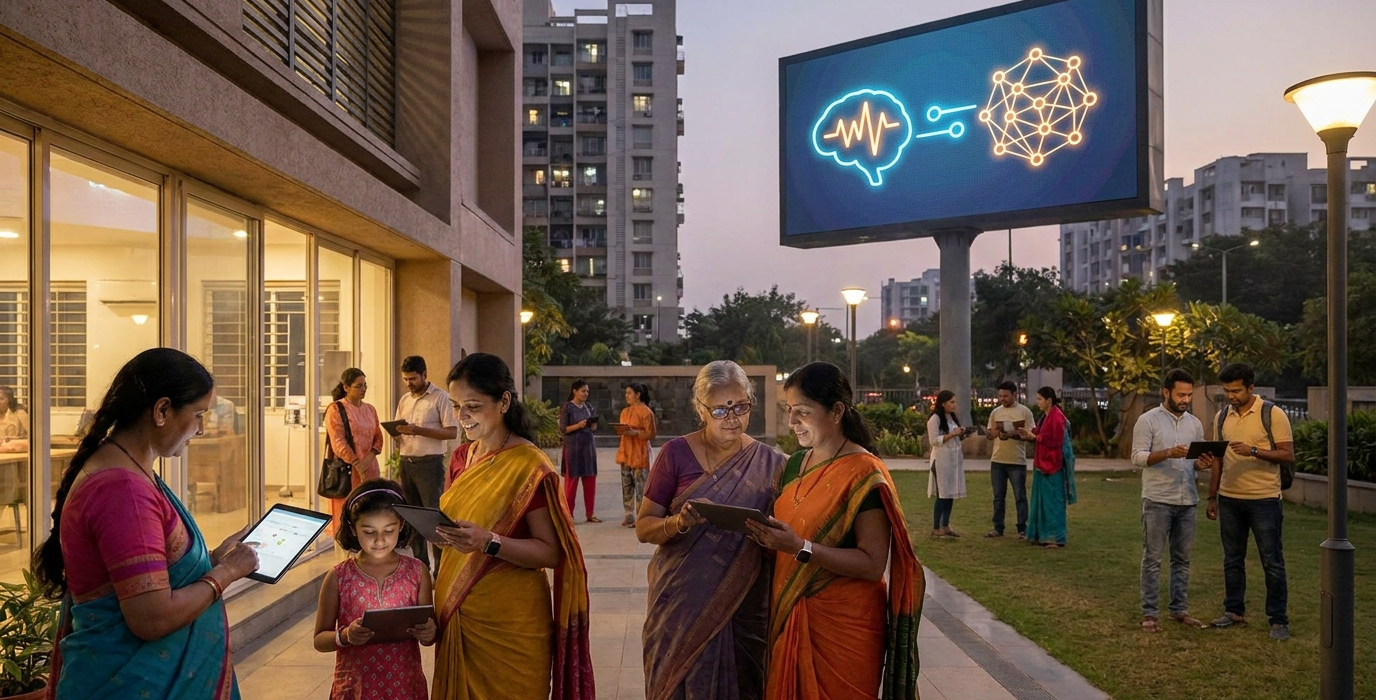
From bustling metropolises like Bengaluru to remote villages in Himachal Pradesh, digital platforms are breaking down traditional barriers. These solutions are not just about convenience; they are about reaching people who might otherwise never access support. The sheer scale of India’s population presents a unique challenge, but also an immense opportunity for technology to create a tangible impact.
This digital awakening is empowering individuals to take proactive steps towards their mental health. It’s about providing tools and resources that fit into busy lives, offering a first point of contact for those struggling, and supplementing traditional therapy for those who need it. We are moving towards a future where mental well-being is integrated into our daily digital lives.
AI-Powered Companions: Chatbots and Virtual Therapists Take Centre Stage
One of the most exciting frontiers in India’s mental health tech is the advancement of Artificial Intelligence. AI-powered chatbots and virtual therapists are no longer just futuristic concepts; they are practical tools available to millions today. These sophisticated programs can offer immediate, non-judgmental support, anytime, anywhere.
Companies like Wysa, an AI chatbot that originated in India, have gained global recognition for their empathetic conversational approach. These tools are designed to guide users through challenging emotions using techniques derived from Cognitive Behavioral Therapy (CBT) and Dialectical Behavior Therapy (DBT). They can help individuals identify negative thought patterns, develop coping mechanisms, and track their mood over time.
The algorithms are becoming incredibly nuanced, capable of understanding complex emotional states and responding with tailored advice. For individuals experiencing mild to moderate anxiety or depression, or those simply seeking to manage daily stress, these AI companions offer a crucial first step. They provide a safe space to express feelings without fear of stigma, making mental health support less intimidating.
Furthermore, these AI platforms are constantly learning and improving. User interactions help refine their understanding of human psychology and improve their therapeutic efficacy. This continuous evolution means that the support offered becomes more personalized and effective with every use. This technology is not meant to replace human therapists but to augment their reach and provide a vital layer of immediate assistance.
Bridging the Divide: Tele-Mental Health Platforms for Every Indian
Geographical limitations have historically been a significant hurdle for mental healthcare access in India. Vast distances, lack of qualified professionals in rural areas, and travel costs often put essential services out of reach for many. Tele-mental health platforms are rapidly changing this narrative, connecting individuals with therapists and counselors through secure video, audio, and chat consultations.
Platforms like Practo, which started as a general healthcare aggregator, now host a growing number of mental health professionals offering virtual sessions. This allows someone in a small town in Rajasthan to consult with a psychiatrist based in Delhi, without the need to travel. The convenience and anonymity offered by these services are particularly beneficial for those who face social stigma or have mobility issues.
The COVID-19 pandemic significantly accelerated the adoption of tele-mental health, proving its viability and effectiveness. Today, these platforms are more robust, secure, and user-friendly than ever before. They are not just replicating in-person therapy online; they are innovating with features like digital assessment tools, progress tracking, and integrated appointment scheduling.
We’re also seeing a rise in specialized tele-mental health services catering to specific demographics, such as adolescents, LGBTQ+ individuals, or those dealing with workplace stress. This targeted approach ensures that users can find professionals who understand their unique needs and cultural contexts, fostering a greater sense of trust and rapport. This democratisation of mental healthcare is one of the most impactful trends we are observing.
Cultivating Calm: Mindfulness and Meditation Apps Go Mainstream
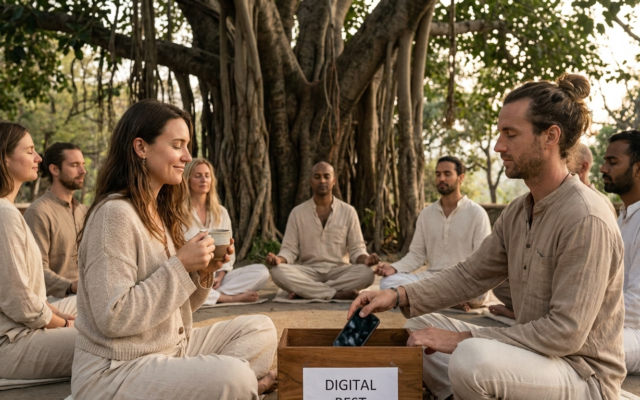
In the relentless pace of modern Indian life, finding moments of peace and stillness can feel like a Herculean task. Mindfulness and meditation apps have emerged as powerful allies, equipping individuals with tools to manage stress, improve focus, and cultivate inner calm. These apps are no longer niche offerings; they are integral to the daily routines of millions across the country.
Apps like Headspace and Calm, which have a significant user base in India, offer guided meditations, sleep stories, and breathing exercises. However, local innovators are also making their mark, developing content that resonates with Indian cultural nuances and languages. Some platforms incorporate traditional Indian practices like yoga and pranayama into their digital offerings, making them more relatable.
What’s particularly engaging about these apps in 2026 is the integration of gamification and community features. Users can earn rewards for consistent practice, join challenges, and connect with others on similar wellness journeys. This social element fosters accountability and motivation, transforming solitary meditation sessions into shared experiences. Imagine a friendly competition with your friends on who can maintain a 30-day meditation streak – it’s about making self-care fun and social.
These apps are proving to be incredibly effective in helping users build resilience against daily stressors. By dedicating just a few minutes each day to guided mindfulness, individuals can train their minds to be more present, less reactive, and better equipped to navigate life’s inevitable challenges. This proactive approach to mental well-being is empowering individuals to take control of their emotional health.
The Rise of Digital Therapeutics: Evidence-Based Mental Healthcare
Beyond general wellness apps, India is seeing the significant growth of Digital Therapeutics (DTx). These are clinically validated software programs that deliver evidence-based therapeutic interventions to prevent, manage, or treat a medical disorder or disease. In mental health, DTx are offering a new paradigm for treating conditions like insomnia, anxiety, and even depression, often as an alternative or adjunct to traditional medication and therapy.
Companies are developing DTx that are prescribed by doctors and delivered through mobile apps or web platforms. These programs guide patients through structured therapeutic modules, track their progress rigorously, and provide data to healthcare providers for informed decision-making. This data-driven approach ensures a higher level of accountability and effectiveness compared to many general wellness apps.
One surprising fact is the increasing focus on integrating DTx with wearable technology. Imagine a device that not only tracks your heart rate and sleep patterns but also uses that data to tailor your digital therapy sessions, adjusting the intensity or focus based on your physiological responses. This fusion of hardware and software is poised to revolutionize how we monitor and manage our mental health conditions.
The regulatory landscape for DTx is also evolving in India, with bodies working to establish clear guidelines for their development, validation, and deployment. This is crucial for building trust and ensuring that patients receive safe and effective treatments. As these technologies mature, they hold the promise of making specialized mental healthcare more accessible and affordable, particularly for chronic conditions.
The Unseen Impact: Supporting Mental Health in Educational Institutions
The mental well-being of students has become a critical focus area, and educational institutions across India are increasingly turning to technology to provide support. From school-going children to university scholars, the pressures of academic performance, social adjustment, and future uncertainties can take a significant toll. Digital solutions are emerging as vital tools in this domain.
Many schools and universities are partnering with mental health tech platforms to offer confidential counseling services and resources to their students. These platforms often include self-assessment tools, educational modules on mental health awareness, and access to trained counselors via secure chat or video calls. This proactive approach aims to destigmatize seeking help among young people.
For instance, some universities are implementing AI-powered chatbots on their campus portals that can provide immediate answers to common student queries about mental health services or direct them to appropriate resources. This 24/7 availability is invaluable for students who might be experiencing distress outside of regular counseling hours. It also helps reduce the burden on on-campus mental health staff.
A particularly innovative initiative we’ve seen is the use of digital journaling and mood-tracking apps integrated into the student support system. These tools empower students to monitor their own emotional well-being, identify triggers, and share insights with counselors if they choose. This collaborative approach fosters self-awareness and allows for more personalized interventions. One surprising aspect is how these digital tools are helping institutions gather anonymized data to identify systemic stressors affecting their student population, enabling them to make broader campus-wide improvements.
Frequently Asked Questions
What are the biggest challenges for mental health tech in India?
Key challenges include digital literacy and access in rural areas, data privacy and security concerns, and the need for robust regulatory frameworks to ensure the efficacy and safety of digital solutions. Overcoming the inherent stigma associated with mental health also remains a significant hurdle.
Can AI chatbots truly replace human therapists?
Currently, AI chatbots are best suited for providing initial support, managing mild to moderate symptoms, and offering coping strategies. They excel at immediate accessibility and non-judgmental interaction. However, they are not yet capable of replicating the empathy, complex diagnosis, and nuanced therapeutic relationship that a human therapist can provide, especially for severe mental health conditions.
How can I find a reputable tele-mental health platform in India?
Look for platforms that clearly state their privacy policies and data security measures. Check for credentials and specializations of the therapists listed. Reading user reviews and testimonials can offer insights. Reputable platforms will often have a clear disclaimer stating that tele-mental health is not suitable for emergency situations.
Are there any free mental health apps available in India?
Yes, several apps offer a range of free basic features, including guided meditations, mood tracking, and educational content. Some platforms like Wysa offer a free AI chatbot service. While premium features often require a subscription, the availability of robust free options makes mental wellness tools more accessible to a wider population.