Key Takeaways
- Discover Maharashtra’s most breathtaking, off-the-beaten-path waterfalls accessible in the 2026 monsoon season.
- Learn about responsible tourism practices to preserve these natural wonders for future generations.
- Find practical tips on reaching these hidden gems, including best times to visit and essential packing advice.
- Explore the unique cultural and ecological significance of Maharashtra’s waterfall regions.
Unveiling Maharashtra’s Monsoon Cascades: Beyond the Usual Suspects
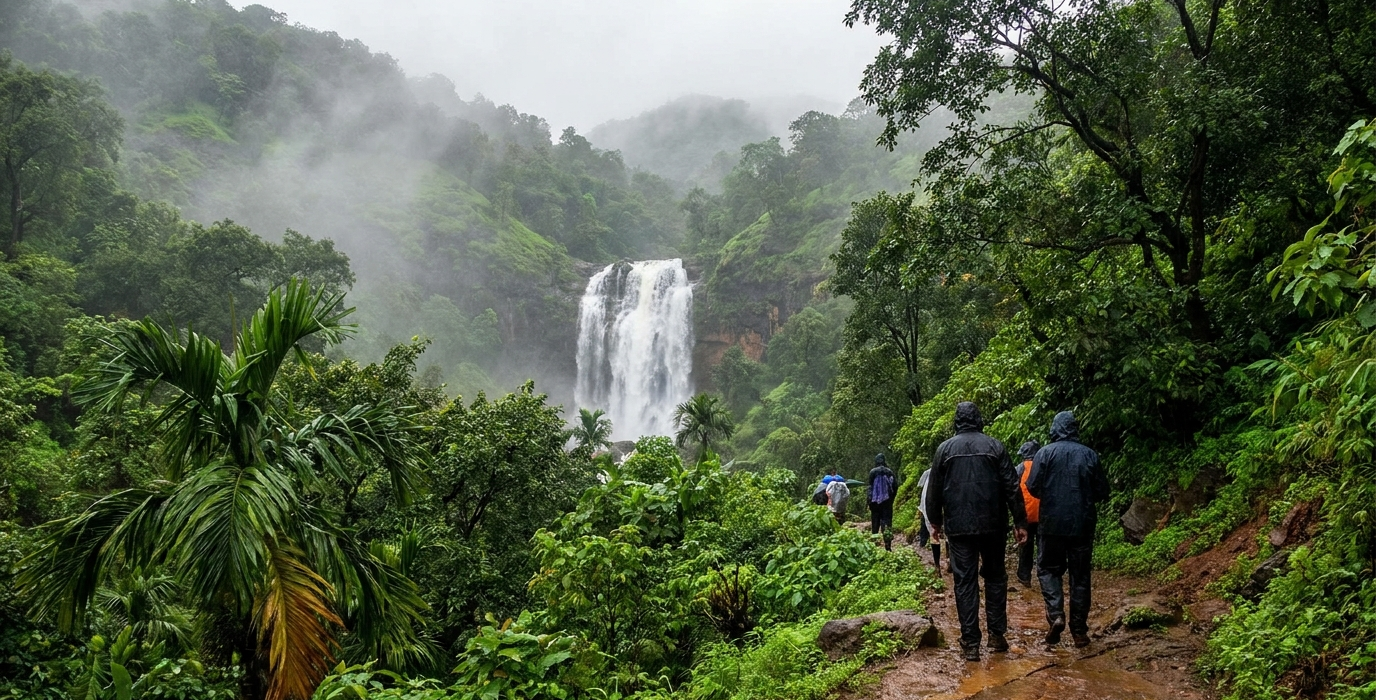
The monsoon season in India is a spectacle of nature, and Maharashtra, with its diverse topography, truly comes alive. While Lonavala and Mahabaleshwar draw crowds, we at The Daily Zap believe the real magic lies in the lesser-trodden paths. This 2026, we’re guiding you to a collection of Maharashtra’s most enchanting, yet often overlooked, waterfalls. Imagine the roar of water, the mist on your face, and the vibrant green of the Sahyadri hills – these are the experiences waiting for you.
We’ve scoured the state, from the Konkan coast to the Western Ghats, to bring you destinations that offer not just stunning vistas but also a sense of tranquility and unspoiled beauty. These are places where you can connect with nature in its purest form, away from the hustle and bustle. Our journey will take you through regions rich in biodiversity and local culture, offering a holistic travel experience.
This guide is designed for the discerning traveller in 2026, someone seeking authenticity and a deeper connection with the landscapes they explore. We’ll equip you with the knowledge to plan your trip, respect the environment, and truly savour the monsoon’s embrace. Get ready to add some unforgettable destinations to your travel bucket list.
The Whispering Giants: Kune Falls and the Tamhini Ghat’s Secrets
Nestled within the verdant expanse of the Tamhini Ghat, Kune Falls stands as a majestic, multi-tiered cascade, particularly magnificent during the monsoon months of 2026. While it’s a popular spot, its sheer scale and the surrounding lushness prevent it from feeling entirely overrun, especially if you venture a bit further from the main viewpoints. The journey itself through Tamhini Ghat is an experience, with winding roads offering breathtaking panoramas of mist-shrouded valleys and gushing streams.
Beyond Kune, the Tamhini Ghat is peppered with smaller, unnamed falls that appear like silver threads against the emerald slopes after heavy rainfall. These hidden gems often require a short trek, rewarding the intrepid traveller with secluded pools and a sense of discovery. You might find local villagers selling freshly plucked *karonda* (a sour fruit) or hot *bhajis* (fritters) near these spots, adding a delightful local flavour to your adventure.
A surprising fact about the Tamhini Ghat region is its significance as a biodiversity hotspot. It’s home to several endemic species of plants and amphibians. The unique microclimate created by the Western Ghats fosters an environment where rare flora and fauna thrive, making a visit here an ecological as well as a visual treat. Remember to tread lightly and avoid disturbing the delicate ecosystem.
Bhandardara’s Bliss: Randha Falls and Arthur Lake’s Serenity
Bhandardara, a charming hill station in Ahmednagar district, is a monsoon haven in 2026, and its crown jewel is Randha Falls. This spectacular waterfall plunges dramatically into a deep gorge, creating a powerful spectacle. The sheer force of the water, especially in August and September, is awe-inspiring. The spray can be felt from a considerable distance, a testament to its grandeur.
Adjacent to Randha Falls is Arthur Lake, a serene reservoir that transforms into a breathtaking expanse of deep blue during the monsoon. The contrast between the turbulent falls and the placid lake is striking. Boating on Arthur Lake, with the Sahyadri hills as a backdrop, offers a tranquil escape. You can also visit the Wilson Dam, one of the oldest dams in India, which overflows beautifully during peak monsoon.
A lesser-known, yet equally captivating, aspect of Bhandardara is the nearby Umbrella Falls. Accessible via a short walk from Wilson Dam, Umbrella Falls is a delicate cascade that appears to form an umbrella-like shape, especially when viewed from a particular angle. The path leading to it is often slippery but incredibly scenic. Plan your visit for the early morning to witness the sunrise painting the mist-laden landscape in hues of gold.
The Konkan’s Hidden Jewels: Dive Agar’s Coastal Cascades and Chiplun’s Charm
While the Western Ghats are famous for their waterfalls, the Konkan coast in Maharashtra offers a unique blend of sea and spray in 2026. Dive Agar, known for its pristine beach, also hides beautiful waterfalls that come alive during the monsoon. The drive to Dive Agar itself is a visual delight, with narrow roads winding through dense mango and *supari* (betel nut) plantations.
One such gem is the Dive Agar Waterfall, a modest but picturesque cascade located a short trek away from the main village. The water flows down rocky outcrops, creating small, inviting pools that are perfect for a refreshing dip. The proximity to the Arabian Sea adds a unique charm, allowing you to combine a beach experience with a waterfall excursion.
Further north, near Chiplun, lies the Vashishti River, which feeds several smaller waterfalls. While not as dramatic as their Sahyadri counterparts, these Konkan falls possess a rustic beauty. A surprising fact about the Konkan region is that many of these coastal waterfalls are fed by underground springs that are activated by the heavy monsoon rains, giving them a unique character that differs from purely rain-fed falls inland. Exploring these requires local guidance, often available from friendly villagers.
Eco-Conscious Exploration: Preserving Maharashtra’s Monsoon Treasures
As we explore these natural wonders in 2026, it’s crucial to adopt a responsible tourism approach. Maharashtra’s waterfalls are fragile ecosystems, and our visits should aim to preserve them for future generations. This means minimizing our environmental impact by avoiding littering, carrying back all waste, and sticking to designated paths.
Respecting local communities is also paramount. Many of these areas are inhabited by tribal communities or small villages whose livelihoods are intertwined with the natural environment. Engage with locals respectfully, support their small businesses, and learn about their way of life. Avoid loud music or disruptive behaviour that might disturb the peace of the region.
Choosing sustainable transport options where possible can also make a difference. Opting for shared taxis, local buses, or even cycling for shorter distances within a region helps reduce your carbon footprint. Furthermore, educating yourself about the local flora and fauna before you visit can enhance your appreciation and ensure you don’t inadvertently harm any protected species. Remember, the goal is to leave these places as beautiful, if not more so, than you found them.
“The true beauty of Maharashtra’s monsoon waterfalls lies not just in their grandeur, but in their quiet resilience and the delicate balance of the ecosystems they sustain. Let us be their guardians, not just their admirers.”
Planning Your 2026 Monsoon Waterfall Adventure: Essential Tips
Embarking on a monsoon waterfall expedition in Maharashtra requires careful planning to ensure a safe and enjoyable experience in 2026. The monsoon season, typically from June to October, brings heavy rainfall, which can make roads treacherous and trails slippery. Always check weather forecasts and local conditions before you set out. It’s advisable to travel with experienced local guides, especially for treks to lesser-known falls.
Packing essentials are key. Sturdy, waterproof trekking shoes with good grip are non-negotiable. A good quality raincoat or waterproof jacket and trousers will keep you dry. Waterproof bags for your electronics and valuables are a must. Don’t forget insect repellent, a basic first-aid kit, and a reusable water bottle.
When it comes to transportation, many of these locations are best reached by private vehicle or a hired taxi. However, for some, local buses are an option, though they might be slower and less frequent. If you’re travelling by car, ensure it’s in good condition and equipped for wet roads. The best time to visit most waterfalls is usually a few days after heavy rainfall, when the water flow is at its peak but before the trails become excessively dangerous. Early mornings often offer the best light for photography and fewer crowds.
Frequently Asked Questions
What are the best months for waterfall viewing in Maharashtra?
The prime season for Maharashtra’s waterfalls is during the monsoon months, from July to September. This is when the rainfall is heaviest, ensuring the cascades are full and spectacular. However, some falls remain active into October.
Are these remote waterfalls safe to visit in 2026?
Safety depends on the specific location and your preparedness. While popular falls like Kune are relatively accessible, venturing to lesser-known spots requires caution and local guidance. Always check current conditions, inform someone of your travel plans, and avoid venturing out alone during heavy downpours.
What kind of footwear is recommended for monsoon treks?
You’ll need waterproof trekking shoes with excellent grip. Avoid sandals or flip-flops. The terrain can be muddy and slippery, so sturdy footwear is essential for preventing falls and ensuring comfortable exploration.
Can I swim in these waterfalls?
Swimming is highly discouraged at most waterfalls due to strong currents, hidden rocks, and unpredictable water depths, especially during the monsoon. Admire the beauty from a safe distance, and only consider a dip in designated, shallow, and calm pools with extreme caution and local advice.
How can I contribute to eco-friendly tourism at these sites?
Practice the “Leave No Trace” principles: carry out all your waste, avoid single-use plastics, respect wildlife, stay on marked trails, and support local economies by purchasing local handicrafts or food. Be mindful of noise levels and your overall impact on the environment and community.