Key Takeaways
- Goa’s beaches are embracing sustainability in 2026, with significant efforts in waste management and conservation.
- Expect increased eco-tourism options, from organic farm stays to responsible water sports.
- New regulations aim to protect marine life and coastal ecosystems, impacting certain activities.
- Local communities are playing a more central role in managing tourism, offering authentic experiences.
The Tide is Turning: Goa’s Eco-Conscious Coastal Evolution
As the sun dips below the Arabian Sea, casting a golden hue over Goa’s legendary coastline in August 2026, a palpable shift is underway. The days of unchecked development and sprawling resorts are gradually giving way to a more thoughtful, sustainable approach to tourism. This isn’t just a trend; it’s a fundamental reorientation of how Goa, and indeed India, envisions its vital tourism sector. We’re witnessing a concerted effort to balance economic growth with environmental preservation, ensuring that the pristine beauty that draws millions remains for generations to come.
For travelers planning a visit, this means an evolving landscape of experiences. You’ll find a greater emphasis on preserving the natural heritage, from the delicate mangrove ecosystems to the vibrant marine life. The Goan authorities, in collaboration with local communities and environmental NGOs, are implementing stricter guidelines. These aim to minimize the ecological footprint of tourism, encouraging responsible practices and rewarding those who choose to travel with a conscience. This transformation is not without its challenges, but the commitment is clear: Goa is charting a course towards a greener, more responsible future.
This shift is driven by a growing awareness of the impact of mass tourism. Coastal erosion, pollution, and the strain on local resources have become undeniable. In response, a wave of innovation is sweeping across the state. From South Goa’s quieter shores to the more bustling North, you’ll notice changes in how beaches are managed and how businesses operate. This article will guide you through these exciting developments, highlighting what you can expect as a traveler in Goa in 2026 and beyond, and how you can be a part of this positive change.
Shaping a Cleaner Coastline: Waste Management and Plastic-Free Initiatives
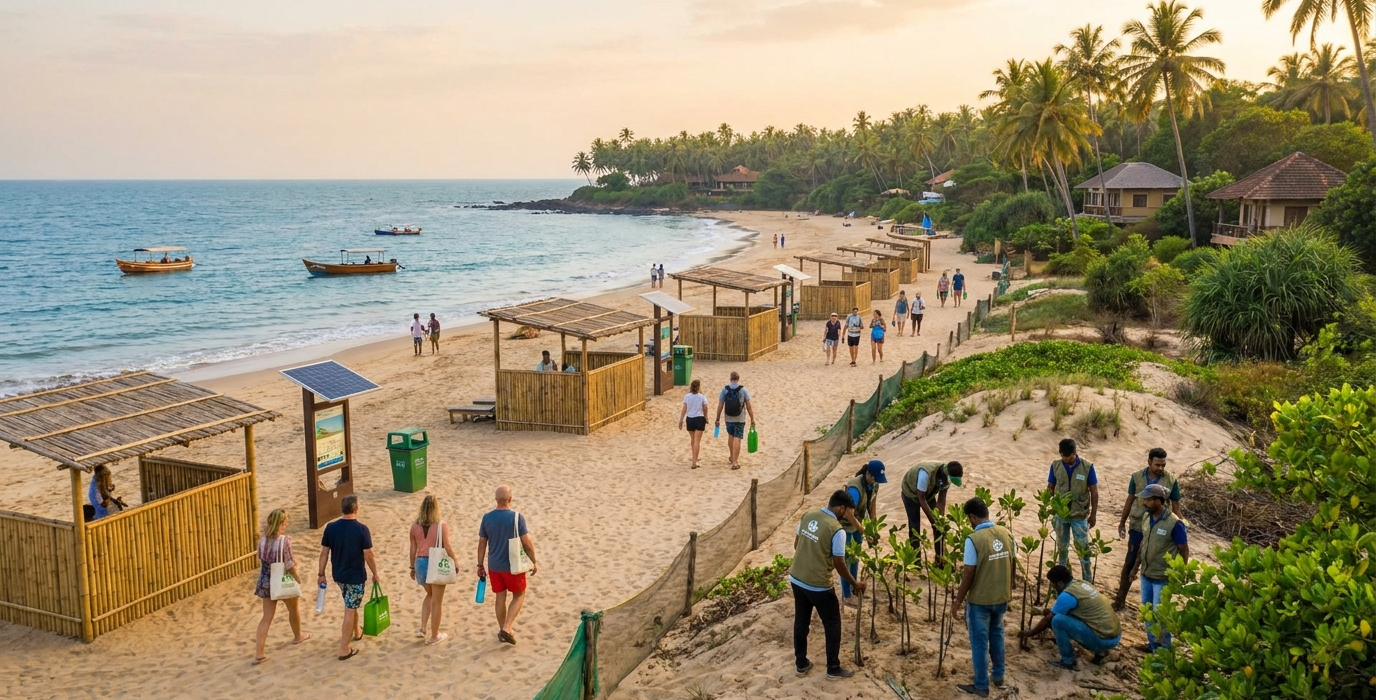
One of the most visible and impactful changes across Goa’s beaches in 2026 is the renewed focus on waste management and the aggressive push towards plastic-free environments. The ubiquitous plastic water bottles and discarded wrappers that once marred the scenic beauty are slowly being replaced by more sustainable alternatives. Many beach shacks and restaurants have joined the ‘No Single-Use Plastic’ campaign, offering reusable bottles and biodegradable packaging.
You’ll find designated waste segregation points more prominently displayed, making it easier for tourists to contribute. Local civic bodies, often in partnership with NGOs like the Waste Warriors or The Cleanup Crew, are organizing regular beach clean-up drives. These aren’t just symbolic gestures; they are well-coordinated efforts involving local volunteers and, increasingly, tourists themselves. Participating in such a drive offers a unique and rewarding way to connect with the local community and understand the challenges firsthand.
A surprising fact you might encounter is the innovative use of collected plastic waste. In some areas, particularly around Morjim and Mandrem, local artisans are transforming discarded plastic into durable furniture and decorative items, which are then used in eco-friendly resorts and cafes. This circular economy approach not only reduces landfill waste but also creates local employment and promotes unique Goan craftsmanship. The goal is to move beyond simply collecting waste to actively finding creative and sustainable solutions for its repurposing, making Goa a model for coastal waste management.
Water Sports: Balancing Thrills with Marine Conservation
The adrenaline rush of water sports is a significant draw for many visitors to Goa. However, in 2026, these activities are being re-evaluated through a conservation lens. Operators are increasingly being required to adhere to stricter guidelines to minimize their impact on marine ecosystems. This means a more regulated approach to jet skiing, parasailing, and banana boat rides, with designated zones and speed limits to protect sensitive areas and marine life.
Expect to see more emphasis on eco-friendly water sports. Kayaking, paddleboarding, and guided snorkeling tours are gaining popularity. These activities offer a more intimate connection with the ocean without the noise pollution or potential harm associated with motorized watercraft. Many operators are now providing educational briefings on local marine life and responsible viewing practices, turning a fun activity into a learning experience.
Crucially, new regulations are being rolled out to protect Goa’s rich marine biodiversity, especially during nesting seasons for turtles and migratory bird arrivals. Boating activities near turtle nesting sites, such as those found in Galgibaga beach, are now heavily restricted. This proactive measure ensures that these vulnerable species can thrive undisturbed. The surprising aspect here is the potential for guided, regulated dolphin-watching tours that employ acoustic deterrents to avoid disturbing the animals, a novel approach to wildlife tourism.
Eco-Tourism Takes Root: Beyond the Beachfront
Goa’s transformation in 2026 extends far beyond its famous sandy stretches. The concept of eco-tourism is blossoming, encouraging visitors to explore the state’s rich hinterland and diverse natural beauty. This includes exploring the Western Ghats, visiting spice plantations, and discovering the myriad of rivers and waterfalls that dot the landscape.
Accommodation options are diversifying significantly. You’ll find more homestays in rural villages, offering an authentic glimpse into Goan life and cuisine. These often support local economies directly and operate with minimal environmental impact. Organic farm stays are also becoming a popular choice, allowing you to connect with the source of your food and learn about sustainable agricultural practices.
Many of these eco-lodges and homestays are situated near protected areas or wildlife sanctuaries. This proximity offers unique opportunities for birdwatching, trekking, and exploring the less-visited natural wonders of Goa. The emphasis is on experiences that are educational, immersive, and contribute positively to conservation efforts. For instance, initiatives around the Mhadei Wildlife Sanctuary are promoting responsible trekking routes and employing local guides who are knowledgeable about the flora and fauna, ensuring minimal disturbance to the delicate ecosystem.
Community-Led Conservation and Responsible Travel
A cornerstone of Goa’s sustainable tourism push in 2026 is the empowerment of local communities. Recognizing that these communities are the custodians of Goa’s natural and cultural heritage, their involvement in decision-making and management is paramount. You’ll see more community-run ecotourism projects, local craft markets, and cultural performances that directly benefit the villagers.
This shift means that your travel choices have a more direct and positive impact. By choosing to stay in community-managed accommodations or participate in village tours, you are directly supporting local livelihoods and conservation initiatives. This fosters a sense of pride and ownership among residents, encouraging them to become active stewards of their environment.
The Goan government is actively promoting Public-Private-Community Partnerships (PPCPs) for coastal zone management and ecotourism development. This collaborative model ensures that economic benefits are shared equitably and that conservation goals are integrated into tourism planning. A particularly innovative example is the community-led turtle conservation program in Agonda, where local fishermen and villagers work together to protect nesting sites and educate visitors, creating a powerful synergy between conservation and tourism.
Navigating the New Goa: What Travelers Can Expect
As you plan your Goan getaway in 2026, be prepared for a more conscious and responsible travel experience. The infrastructure is adapting to support these new initiatives, but it requires active participation from visitors. Expect to see more informational signage about local ecosystems, waste disposal, and cultural etiquette.
Water conservation measures are becoming more common in hotels and guesthouses. You might find prompts to reuse towels and limit water usage. Many establishments are also investing in solar energy and rainwater harvesting systems. These subtle changes are part of a larger effort to reduce the overall environmental footprint of the tourism industry.
While some of the more disruptive tourist activities might be scaled back or relocated, the core charm of Goa remains. The vibrant markets, the delicious cuisine, the rich history, and the warm hospitality are all enhanced by this new commitment to sustainability. You can still enjoy lively evenings, explore ancient forts like Chapora, and soak up the sun, but now with the added satisfaction of knowing your visit contributes positively to the local environment and community. A surprising development is the rise of ‘slow travel’ packages, encouraging longer stays and deeper engagement with local culture, often involving learning traditional crafts or cooking.
The Future of Goa’s Shores: A Sustainable Vision
The direction Goa is heading in 2026 is clear: a future where tourism thrives in harmony with nature. The challenges are significant, but the momentum towards sustainable practices is undeniable. This evolution is not about restricting fun; it’s about ensuring that the magic of Goa endures for decades to come.
For travelers, this translates into richer, more meaningful experiences. You have the opportunity to be part of a positive change, supporting businesses and initiatives that prioritize the planet and its people. By making informed choices, you contribute to Goa’s ongoing success as a responsible and inspiring travel destination.
“Goa’s commitment to sustainability in 2026 is not just about preserving its beaches; it’s about preserving its soul.”
Frequently Asked Questions
Are Goa’s beaches still crowded in 2026?
While popular beaches like Baga and Calangute may still see significant crowds, especially during peak season, there’s a noticeable increase in visitors exploring less-developed and more eco-conscious areas. The emphasis on responsible tourism encourages a more spread-out and mindful approach to beach visits.
What are the main changes in water sports regulations in Goa for 2026?
Regulations in 2026 focus on minimizing environmental impact. This includes designated zones for motorized water sports, speed limits, and stricter rules near marine life habitats. Eco-friendly options like kayaking and paddleboarding are being promoted.
How can I support sustainable tourism in Goa?
You can support sustainable tourism by choosing eco-friendly accommodations, reducing plastic usage, participating in beach clean-ups, respecting local customs and wildlife, and opting for community-led tours and experiences. Your conscious choices make a significant difference.
Are there any new eco-tourism initiatives I should know about for 2026?
Yes, in 2026, there’s a growing focus on community-run projects, organic farm stays, and responsible trekking in wildlife sanctuaries. Look for initiatives around the Mhadei Wildlife Sanctuary and village homestays in the hinterland for authentic eco-experiences.