Key Takeaways
- The mental wellness landscape for young Indians in 2026 is marked by increased digital integration, a greater focus on preventative care, and a growing demand for culturally sensitive support.
- Tele-counselling platforms are rapidly evolving, offering more personalised and accessible options, with AI playing a crucial role in early detection and support.
- Workplace and academic institutions are stepping up, implementing proactive wellness programs and destigmatising mental health conversations.
- The rise of community-led initiatives and influencer advocacy is crucial in breaking down societal barriers and fostering open dialogue.
The Digital Frontier: AI, Apps, and Accessibility in 2026
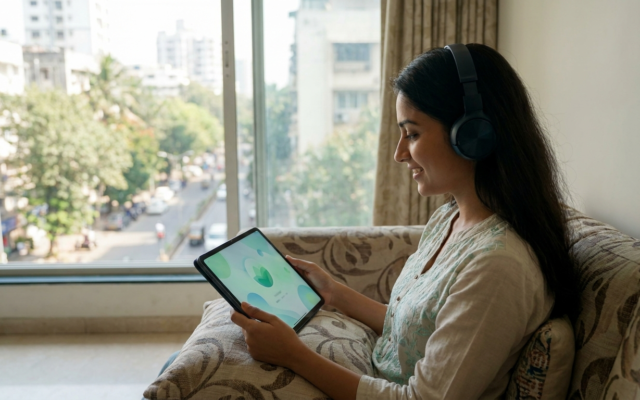
The year 2026 finds young Indians navigating a mental wellness journey deeply intertwined with the digital realm. Gone are the days when seeking help was solely confined to physical clinics. Today, a potent cocktail of artificial intelligence, sophisticated mobile applications, and readily available tele-counselling platforms is revolutionising access. These digital tools are not just about convenience; they are becoming indispensable for early detection and personalised support. Imagine an app that, through your daily interactions and mood logging, can subtly flag potential signs of anxiety or depression, prompting a gentle suggestion for a chat with a trained professional. This is the reality for many.
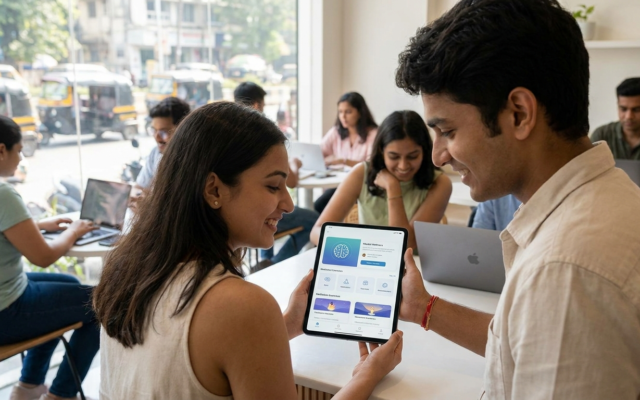
We’re seeing a significant leap in the sophistication of AI-driven mental health tools. These aren’t just chatbots offering generic advice anymore. Advanced algorithms are now capable of analysing nuances in language and sentiment, providing more tailored and empathetic responses. For instance, platforms like YourDOST and Wysa have continuously refined their AI capabilities, offering users a first line of support that feels remarkably human-like. This digital accessibility is particularly vital for those in Tier 2 and Tier 3 cities, where traditional mental health services might be scarce. The sheer volume of data processed by these platforms also allows for better identification of trends and, crucially, more effective intervention strategies on a larger scale.
This digital shift isn’t without its challenges. Concerns around data privacy and the ethical implications of AI in mental healthcare remain paramount. However, the undeniable benefits of increased accessibility, reduced stigma, and immediate support are pushing these innovations forward. For young people already adept at using technology for every facet of their lives, extending this to their mental well-being feels like a natural and necessary evolution. It democratises care, making it available at any hour, from the comfort of one’s own space.
AI as a Proactive Partner, Not Just a Reactive Tool
The most exciting development is the shift from AI as a reactive support mechanism to a proactive partner in mental wellness. Instead of waiting for a crisis, AI is now being used to identify subtle shifts in behaviour patterns that might indicate an impending struggle. This allows for interventions before issues escalate. Consider the integration of AI with wearable technology. Devices that track sleep patterns, heart rate variability, and even social interaction frequency can feed data into wellness platforms, creating a holistic picture of an individual’s mental state. This data-driven approach empowers both the individual and mental health professionals with actionable insights.
Destigmatising Dialogue: The Power of Community and Influencers
Breaking down the deep-seated stigma surrounding mental health in India is a monumental, yet increasingly achievable, task. In 2026, community-led initiatives and the amplified voices of social media influencers are playing an unprecedented role. This is a movement driven by shared experiences and a collective desire for open, honest conversations. From local support groups in cities like Pune and Bengaluru to national online forums, young Indians are actively creating spaces where vulnerability is not a weakness, but a shared human experience.
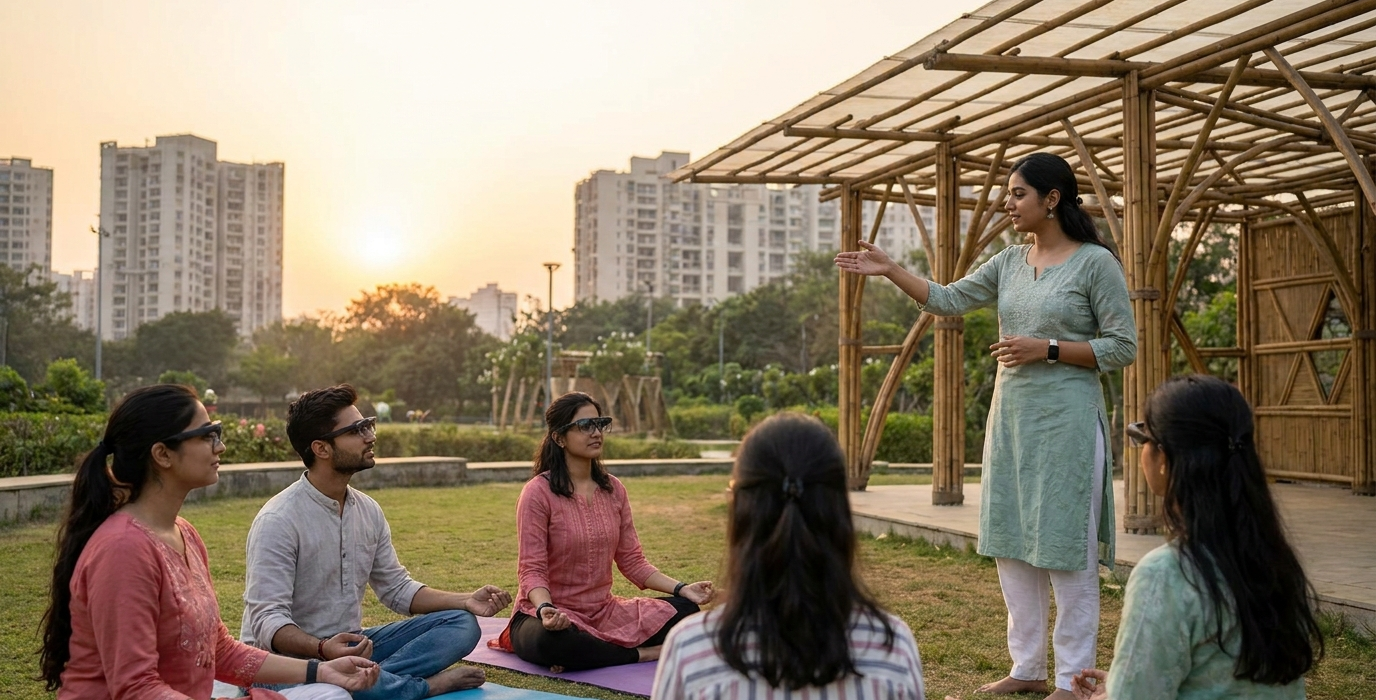
We’ve observed a remarkable surge in peer-to-peer support networks. These aren’t formal therapy sessions, but rather informal gatherings, both physical and virtual, where individuals can share their struggles and coping mechanisms. Organisations like the Sangath in Goa have long championed community mental health, and their models are now being replicated and amplified across the country. These initiatives often focus on specific demographics, such as students facing exam pressure or young professionals dealing with workplace stress. The inherent trust within these communities makes them powerful agents of change.
The role of social media influencers cannot be overstated. Celebrities and popular content creators are increasingly using their platforms to share their own mental health journeys, normalising conversations that were once considered taboo. When a well-known personality openly discusses battling anxiety or depression, it sends a powerful message to millions of their followers: “You are not alone.” This authentic advocacy is crucial in shifting societal perceptions. It encourages others to seek help without shame. It’s a testament to how rapidly our cultural landscape is evolving.
“The digital age has finally given us the tools to scale empathy, making mental wellness support as accessible as a tap on a smartphone screen.”
This combined force of grassroots community efforts and digital advocacy is creating a powerful ripple effect. It’s fostering an environment where asking for help is seen as a sign of strength and self-awareness, rather than a personal failing. This cultural shift is perhaps the most significant development in mental wellness for young Indians today.
From Whispers to Open Conversations: The ‘Mental Health First Aid’ Movement
A surprising, yet incredibly impactful, trend is the growing adoption of ‘Mental Health First Aid’ training programs. Similar to physical first aid, these programs equip individuals with the skills to recognise, understand, and respond to signs of mental health challenges. These are being offered in educational institutions, corporate settings, and even community centres across India, from the bustling streets of Delhi to the quieter lanes of Kochi. This proactive approach empowers ordinary citizens to offer initial support and guidance. It’s about creating a more supportive ecosystem where everyone can be a first responder.
Workplace and Academia: Proactive Wellness Takes Centre Stage
The traditional workplace and academic environments are undergoing a profound transformation in their approach to mental wellness. In 2026, companies and educational institutions are no longer viewing mental health support as an afterthought or a reactive measure. Instead, they are actively integrating comprehensive wellness programs into their core structures, recognising that a mentally healthy workforce and student body are fundamental to productivity, innovation, and overall success. This is a significant departure from previous years.
Leading corporations, particularly in sectors like IT and finance in cities like Hyderabad and Mumbai, are investing heavily in employee assistance programs (EAPs) that go beyond basic counselling. They are offering mindfulness workshops, stress management seminars, and even dedicated quiet zones within offices. Universities and colleges, from IITs to newer private institutions, are establishing robust mental health support services, including on-campus counselling, peer support groups, and mental health awareness campaigns integrated into the curriculum. This proactive stance is driven by a growing understanding of the impact of mental well-being on academic performance and long-term career prospects.
The data is compelling: investing in employee and student mental health leads to reduced absenteeism, higher retention rates, and improved overall morale. This economic argument, coupled with a genuine ethical imperative, is driving this change. We’re seeing a move towards creating psychologically safe environments where individuals feel comfortable discussing their mental health concerns without fear of judgment or repercussions. This requires a top-down commitment, with leadership actively championing these initiatives and modelling healthy behaviours.
The ‘Culture of Care’ Initiative: A New Benchmark
A surprising yet welcome development is the emergence of ‘Culture of Care’ initiatives within progressive organisations. These go beyond token gestures, aiming to embed mental wellness into the daily fabric of work and study. This involves training managers to identify and respond to distress, promoting work-life balance through flexible policies, and creating open channels for feedback. It’s about fostering a genuine sense of belonging and support. One such initiative, piloted by a startup in Bengaluru, saw a measurable increase in employee engagement after introducing mandatory “decompression breaks” and a “no-meeting Fridays” policy.
The Rise of Culturally-Sensitive Support: Beyond Western Models
A critical evolution in 2026 is the growing demand for and provision of mental health support that is deeply rooted in Indian cultural contexts. For too long, many therapeutic models were imported, failing to resonate with the nuances of Indian family structures, societal expectations, and spiritual beliefs. We are now witnessing a powerful movement towards culturally-sensitive care, acknowledging that effective mental health support must speak the language of the heart, not just the mind. This is transforming how therapy is perceived and delivered across the nation.
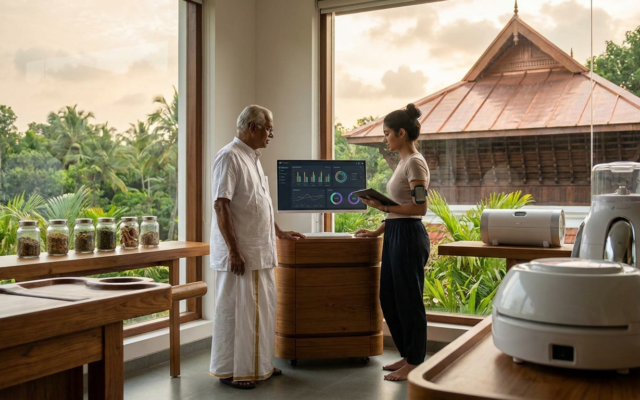
This shift is particularly evident in the way therapists are trained and how services are designed. There’s a greater emphasis on understanding concepts like ‘collectivism’ versus ‘individualism,’ the role of extended family in decision-making, and the spiritual dimensions that often underpin well-being in India. Practitioners are incorporating traditional practices like yoga, meditation, and even elements of Ayurveda into their therapeutic approaches, not as replacements for evidence-based psychotherapy, but as complementary tools that can enhance healing. This holistic approach feels more authentic and accessible to many.
Organisations are actively seeking out mental health professionals who understand these cultural intricacies. This means looking beyond just clinical qualifications to include an appreciation for local dialects, regional customs, and the socio-economic realities faced by different communities. For example, a young woman in rural Rajasthan might find greater comfort discussing her anxieties with a counsellor who understands the pressures of early marriage or the challenges of agricultural livelihoods, rather than one solely trained in Western-centric models. This tailored approach is proving to be far more effective.
Integrating Indian Philosophy: A New Frontier in Therapy
A truly surprising trend is the deliberate integration of ancient Indian philosophical texts, such as the Bhagavad Gita or the Yoga Sutras, into modern therapeutic frameworks. Far from being purely spiritual or religious, these texts offer profound insights into the human mind, resilience, and the pursuit of equanimity. Therapists are using these timeless wisdom traditions to help clients understand concepts like detachment, mindfulness, and the nature of suffering in a way that is deeply familiar and relatable to their Indian heritage. This is a beautiful fusion of ancient wisdom and modern science.
Navigating the Nuances: Specific Challenges for Young Indians
While the broader landscape of mental wellness is improving, young Indians in 2026 continue to face a unique set of challenges that require specific attention. These are issues that, if left unaddressed, can cast long shadows over their future well-being. Understanding these specific hurdles is crucial for developing effective support systems and interventions. The pressure to excel academically and professionally, coupled with evolving social dynamics, creates a complex environment.
One of the most pervasive challenges remains the intense academic and career pressure. From securing admission into prestigious institutions to finding stable, well-paying jobs, the competition is fierce. This often leads to chronic stress, anxiety, and a fear of failure. The societal expectation to achieve and succeed, often driven by parental aspirations, can feel overwhelming. This pressure cooker environment is a breeding ground for burnout.
Another significant factor is the evolving nature of social connections. While digital connectivity offers myriad opportunities, it can also lead to feelings of isolation and comparison. The curated perfection often displayed on social media can create unrealistic expectations and contribute to low self-esteem. Furthermore, the traditional support systems of joint families are less common, leaving some young people feeling more alone in navigating life’s challenges. The pressure to conform to societal norms, while simultaneously seeking individual expression, creates a delicate balancing act.
The ‘Pressure Cooker’ Phenomenon: A Cultural Catch-22
A particularly insightful, albeit concerning, observation is the ‘Pressure Cooker’ phenomenon. This refers to the societal expectation for young Indians to be simultaneously independent and responsible for family elders, while also achieving peak personal success. This often leads to a constant internal conflict and immense guilt if personal aspirations are perceived to detract from family obligations. The result is a generation caught between tradition and modernity, often struggling to find a sustainable balance that supports their own mental health. It’s a cultural catch-22 that requires nuanced understanding and support.
The Future of Mental Wellness: Prevention, Personalisation, and Integration
Looking ahead, the trajectory of mental wellness for young Indians in 2026 and beyond is clearly defined by three key pillars: prevention, personalisation, and integration. The focus is shifting from merely treating illness to proactively fostering well-being and resilience. This proactive approach, coupled with tailor-made solutions and seamless integration into daily life, promises a more robust and effective mental healthcare ecosystem. We are building a future where mental health is not an exception, but an integral part of overall health.
Prevention is no longer a buzzword; it’s a strategy. This involves early intervention programs in schools and workplaces, promoting healthy lifestyle choices, and equipping individuals with coping mechanisms from a young age. The goal is to build mental fortitude before significant challenges arise. This aligns with the growing understanding that mental health is not solely determined by genetics or external factors, but can be significantly influenced by proactive self-care and supportive environments.
Personalisation is being driven by advancements in technology and a deeper understanding of individual needs. This means moving away from one-size-fits-all solutions towards interventions tailored to specific demographics, cultural backgrounds, and personal experiences. AI-powered platforms, genetic predisposition analysis (still in its nascent stages but rapidly developing), and individualised therapy plans are all part of this personalised future. It’s about ensuring that the right support reaches the right person at the right time, in the most effective way.
Integration is about weaving mental wellness into the fabric of society. This means breaking down silos between physical and mental healthcare, embedding mental health support within educational institutions and workplaces, and ensuring that communities are equipped to offer peer support. It’s about creating a holistic ecosystem where mental well-being is nurtured at every level. The goal is for mental health to be as seamlessly integrated into our lives as physical health is today.
The ‘Holistic Health Passport’: A Vision for 2030
A forward-thinking concept gaining traction is the ‘Holistic Health Passport.’ While still in its conceptual stages, this envisions a digital record that integrates an individual’s physical, mental, and social well-being data. This passport would empower individuals to have a comprehensive overview of their health and share relevant information with trusted healthcare providers. Imagine a system where your mental health check-ins are as standard as your annual physical. This could revolutionise preventative care and personalised treatment plans.
Frequently Asked Questions
What are the biggest mental health challenges facing young Indians in 2026?
Young Indians in 2026 face significant academic and career pressure, the complexities of evolving social connections in the digital age, and the struggle to balance traditional expectations with personal aspirations. These factors contribute to increased stress, anxiety, and a potential for isolation.
How is technology impacting mental wellness support for youth in India?
Technology is revolutionising mental wellness support through AI-powered apps, sophisticated tele-counselling platforms, and digital tools for early detection. These innovations increase accessibility, reduce stigma, and offer personalised, immediate support, especially for those in remote areas.
Are workplaces in India becoming more supportive of mental health?
Yes, many Indian workplaces are proactively integrating comprehensive mental wellness programs, including employee assistance programs, mindfulness workshops, and stress management seminars. The focus is shifting towards creating psychologically safe environments and promoting work-life balance.
What does ‘culturally-sensitive support’ mean in the Indian mental health context?
Culturally-sensitive support means mental health services that acknowledge and integrate Indian cultural nuances, family structures, societal expectations, and spiritual beliefs. This often involves incorporating traditional practices and understanding regional customs, making therapy more relatable and effective.
What is the role of community and influencers in mental health awareness?
Community-led initiatives and social media influencers are crucial in destigmatising mental health by fostering open dialogue and shared experiences. Influencers, in particular, normalise conversations by sharing their own journeys, encouraging others to seek help without shame.