Key Takeaways
- The Indian film industry, particularly Bollywood, is experiencing a vibrant infusion of new talent in 2026, moving beyond established star families.
- Directors are actively seeking diverse voices and performances, leading to a wider range of compelling characters on screen.
- Social media and digital platforms are proving crucial for these emerging actors to build their personal brands and connect with audiences.
- Several debut films released this year have already made significant critical and commercial impacts, signaling a shift in audience preferences.
The New Guard: Beyond Nepotism, A Talent Renaissance
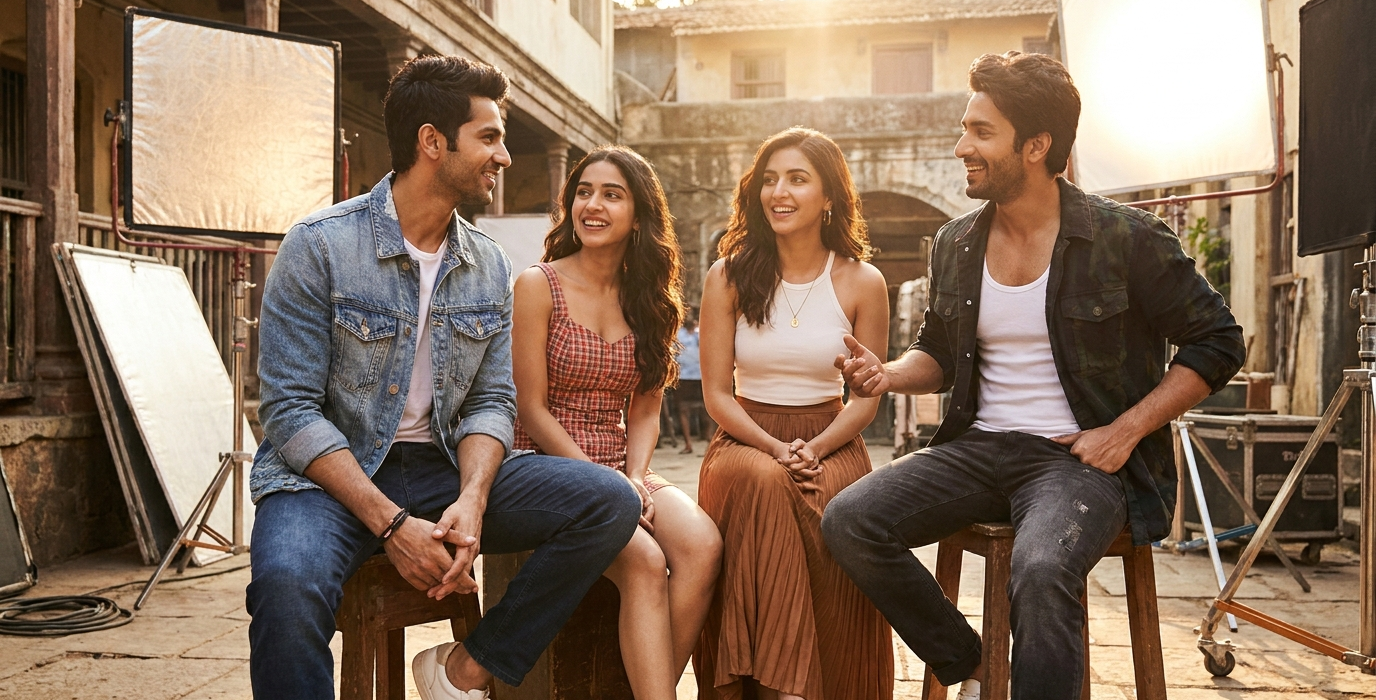
The year 2026 marks a significant turning point for Indian cinema. While star power has long been a dominant force, a new wave of talent is undeniably making its mark. This isn’t just about fresh faces; it’s about a conscious shift towards authentic performances and unique storytelling. Directors and casting agents are increasingly looking beyond the familiar surnames, seeking individuals who bring raw talent and a distinct perspective to the screen.
We’re witnessing a deliberate move away from perceived nepotism, with audiences and industry insiders alike championing actors who have earned their stripes through sheer merit. This burgeoning renaissance promises a more dynamic and representative portrayal of India on celluloid. It’s an exciting time to be a film enthusiast, as the future of Bollywood feels more inclusive and performance-driven than ever before.
The digital age has played a pivotal role in this transformation. Aspiring actors no longer solely rely on traditional auditions; they’re building their presence through engaging online content. Short films, web series, and even curated social media profiles are becoming powerful launchpads. This democratisation of visibility allows talent from all corners of India to be discovered, breaking down geographical and social barriers.
One surprising observation this year is the rising prominence of actors who have honed their skills in regional cinema before making a splash in Bollywood. This cross-pollination of talent enriches the industry, bringing diverse acting styles and cultural nuances to the forefront. It’s a testament to the evolving nature of the Indian entertainment landscape, where talent truly knows no bounds.
From Social Media Stardom to Silver Screen Dreams
The path to stardom has dramatically diversified. Today, an actor’s journey often begins not in acting schools or struggling theatre groups, but in the vibrant, often chaotic, world of social media. Platforms like Instagram, YouTube, and even short-form video apps have become incubators for raw talent. Young artists are using these spaces to showcase their acting chops, comedic timing, and dramatic range to millions.
This digital presence allows them to build a dedicated fanbase long before they even land their first major film role. Filmmakers, in turn, are actively scouting these platforms, recognizing the inherent appeal and audience connection these digital natives already possess. It’s a symbiotic relationship where emerging talent gains exposure, and the industry discovers a pre-vetted audience.
Take the example of Anya Sharma, who gained significant traction through her humorous reels depicting everyday Mumbai life. Her relatable content resonated with a massive online following, catching the eye of a prominent director who cast her in a pivotal role in the recently released romantic comedy, “Monsoon Melodies.” Her transition wasn’t a fluke; it was a strategic leveraging of her digital brand.
Another compelling case is that of Vikram Singh, whose intense monologues on YouTube garnered him a cult following. His ability to convey profound emotion with minimal dialogue made him a sought-after commodity for more serious dramatic roles. He’s now headlining a gritty crime thriller that has generated significant buzz for its raw portrayal of urban decay.
The Director’s Cut: Seeking Authenticity Over Star Power
Directors in 2026 are vocal about their desire for authenticity. The era of casting solely based on face value or inherited fame is gradually receding. There’s a palpable hunger for actors who can inhabit a character, bringing genuine emotion and lived experience to their performances. This shift is leading to more nuanced and believable portrayals across genres.
Many established directors have spoken about their deliberate efforts to scout new talent from theatre, independent films, and even non-traditional backgrounds. They are looking for actors who understand the craft, possess a strong work ethic, and are willing to experiment. This focus on performance quality is elevating the overall standard of filmmaking.
Consider the directorial vision behind “The Last Monsoon,” a critically acclaimed drama set in rural Rajasthan. The director, Rohan Kapoor, made a conscious choice to cast actors with minimal prior Bollywood experience. He sought individuals who embodied the resilience and stoicism of the characters he envisioned. The result was a series of performances so powerful, they’ve dominated industry discussions.
This approach isn’t limited to art-house cinema. Even commercial potboilers are embracing actors who bring a fresh energy and a less predictable presence. The audience, too, seems to be responding positively, rewarding films that offer something beyond the usual formula. It suggests a maturing of the Indian viewer, who is increasingly discerning and appreciative of genuine acting talent.
A Tapestry of Diverse Backgrounds: From Tier 2 Cities to the Global Stage
The new wave of talent emerging in 2026 is notably diverse. Gone are the days when the spotlight was predominantly on individuals from Mumbai’s film circles or elite urban backgrounds. We are seeing actors and artists making their way to the forefront from Tier 2 and Tier 3 cities, bringing with them unique cultural perspectives and a grounded relatability.
This geographical expansion is enriching the narratives and characters we see on screen. Stories are no longer solely confined to metropolitan settings; they are reflecting the vast and varied tapestry of India. This inclusivity makes cinema more accessible and resonant for a broader audience base across the country.
Take, for instance, the breakout performance of Priya Rao, who hails from a small town in Uttar Pradesh. Her role in the historical drama “Rani of Jhansi: The Unsung Saga” has been lauded for its powerful portrayal of a strong historical figure. Her journey from local theatre to national recognition is an inspiring testament to the evolving landscape of opportunity.
Furthermore, many of these new artists are not just actors; they are multi-talented individuals. Several have backgrounds in filmmaking, scriptwriting, or even digital content creation. This holistic understanding of the cinematic process allows them to contribute more meaningfully to projects. It’s a generation of artists who are not just performers but collaborators, ready to shape the future of Indian cinema.
The Rise of the ‘Relatable’ Star: Connecting with the Audience
In 2026, the definition of a ‘star’ is evolving. While charisma and talent remain paramount, there’s a growing emphasis on relatability. Audiences are drawn to actors who feel like one of them, whose struggles and triumphs mirror their own experiences. This connection often stems from their backgrounds, their performances, and their genuine engagement with their fans.
These emerging stars often eschew the larger-than-life personas of previous generations, opting instead for a more down-to-earth approach. Their social media presence, which is often carefully curated yet feels authentic, plays a crucial role in fostering this connection. They share glimpses of their lives, their inspirations, and their challenges, creating a sense of intimacy with their followers.
Consider the phenomenal success of Sameer Khan’s debut in “Gully Boy 2.0.” His portrayal of a struggling street artist from the bylanes of Dharavi resonated deeply with a generation that feels overlooked. His raw energy and vulnerability on screen, coupled with his humble background, made him an instant favorite. He represents a new archetype of stardom that is grounded in reality.
This relatability extends to their choice of roles as well. Many are gravitating towards stories that explore contemporary issues and everyday struggles, rather than solely fantastical narratives. This commitment to authentic storytelling further cements their bond with the audience, making them not just actors, but cultural touchstones for a new era.
The Digital Footprint: Building a Brand Beyond the Set
The digital realm is no longer an optional add-on for aspiring actors; it’s an integral part of their career strategy. In 2026, building a strong personal brand online is as crucial as delivering a compelling performance on screen. These emerging artists understand that their digital footprint shapes public perception and can directly influence their career trajectory.
Platforms like Instagram, YouTube, and Twitter serve as dynamic portfolios and direct communication channels with their audience. They use these spaces not just for self-promotion but also to showcase their personality, their interests, and their philanthropic endeavors. This multifaceted approach creates a more rounded and engaging public image.
Anya Sharma, for example, actively uses her Instagram to share behind-the-scenes glimpses of her film shoots, her fitness routines, and even her favorite Delhi street food. This transparency fosters a sense of connection and makes her more than just a character on screen; she becomes a relatable personality. Her follower count has become a significant metric for her appeal, influencing casting decisions.
This strategic online presence also allows them to engage with constructive criticism and build a loyal community. They are adept at navigating online conversations, turning potential negativity into opportunities for dialogue. It’s a sophisticated understanding of modern celebrity, where authenticity and consistent engagement are key to sustained success. The digital world, in essence, is their extended audition room and their primary fan club.
Frequently Asked Questions
What are the biggest challenges for new actors in 2026?
New actors in 2026 face challenges such as intense competition, the pressure to build a strong online presence quickly, and navigating the evolving dynamics of the film industry which can still be influenced by established power structures, despite the rise of new talent.
How do directors discover new talent in today’s industry?
Directors discover new talent through a variety of avenues, including scouting on social media and digital platforms, recommendations from casting directors and agents, watching independent films and regional cinema, and through theatre performances. Open auditions are also still utilized, though less frequently for major roles.
Are actors from non-film families getting more opportunities?
Yes, there’s a noticeable increase in opportunities for actors from non-film families. The industry is becoming more meritocratic, with directors and producers actively seeking fresh faces who bring unique performances and perspectives, breaking away from traditional lineage-based casting.
What is the role of social media in an actor’s career?
Social media plays a crucial role in an actor’s career by helping them build a personal brand, connect directly with their audience, showcase their personality and skills, and gain visibility. It acts as a digital portfolio and a powerful tool for audience engagement and fan base development.