Key Takeaways
- India’s culinary landscape is experiencing a vibrant revival, with a renewed focus on heritage spices and regional specialties.
- Travelers can now embark on curated culinary journeys that go beyond typical tourist trails, connecting them directly with local farmers and chefs.
- From the cardamom-scented hills of Kerala to the mustard-rich fields of Punjab, 2026 offers unparalleled opportunities to taste authentic India.
- Discover emerging food hubs and innovative chefs blending tradition with contemporary flair, promising a dynamic gastronomic adventure.
The Resurgence of India’s Spice Heritage
India’s love affair with spices is as old as its civilisation. This year, we’re witnessing a powerful resurgence, a conscious effort to not just preserve but actively celebrate this rich heritage. It’s more than just flavour; it’s about history, culture, and identity woven into every dish. For too long, many indigenous spices and forgotten recipes have been relegated to the sidelines, overshadowed by global trends. But 2026 marks a turning point, with chefs, travellers, and food enthusiasts alike rediscovering the magic of the spice route.
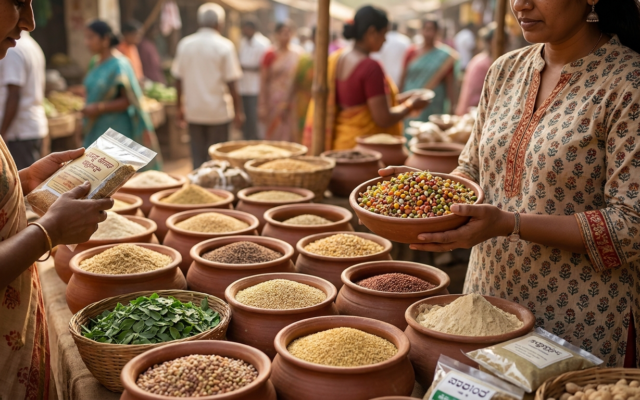
This revival isn’t just about revisiting the past; it’s about actively shaping the future of Indian cuisine. Think of the nuanced warmth of black cardamom from the Himalayas, or the subtle floral notes of Saffron from Kashmir. These aren’t mere ingredients; they are storytellers, each with a unique provenance and a place in India’s diverse culinary tapestry. We’re seeing a growing demand for traceability, with consumers wanting to know where their food comes from and how it’s produced. This translates into exciting opportunities for culinary tourism, where you can connect directly with the source of these incredible flavours.
The sheer variety is staggering. From the pungent heat of Andhra chillies to the aromatic complexity of the Garam Masala blends passed down through generations, India offers a spectrum of tastes that few other countries can match. The rediscovery also extends to lesser-known spices like cubeb pepper, which offers a peppery bite with hints of allspice, and grains of paradise, used historically in many Indian kitchens. This renewed appreciation is driving innovation, inspiring a new generation of chefs to experiment with traditional spices in exciting, contemporary ways. It’s a testament to the enduring allure and adaptability of India’s spice legacy.
From Farm to Fork: Immersive Culinary Experiences
Forget sterile cooking classes in city hotels. The real culinary adventure in 2026 lies in stepping onto the land where India’s vibrant flavours are born. We’re talking about immersive experiences that take you directly to the spice plantations of Kerala, the mustard fields of Punjab, or the saffron farms of Pampore. Imagine walking through lush green cardamom groves, the air thick with its sweet, pungent aroma, and learning about its cultivation from the very farmers who tend to it. These journeys offer an unparalleled understanding of the ingredients that define Indian cuisine.
These aren’t just educational tours; they are deeply personal connections. You’ll participate in harvesting spices, understand the intricacies of drying and grading them, and perhaps even join a family for a home-cooked meal prepared with freshly picked ingredients. This farm-to-fork approach fosters a genuine appreciation for the effort and artistry involved in bringing these spices to your plate. It’s a chance to see firsthand the dedication required to produce the quality ingredients that make Indian food so globally renowned.
Consider a visit to the Konkan coast, where you can learn about the cultivation of kokum, a souring agent used extensively in Maharashtrian and Goan cuisine, and then participate in preparing a traditional fish curry using this unique ingredient. Or journey to Rajasthan to understand the importance of fenugreek and mustard seeds in their robust desert fare, perhaps even grinding them fresh for a local delicacy. These experiences go beyond just tasting; they are about participating in the living traditions of Indian food. This direct engagement is changing how we perceive and appreciate Indian cuisine, making it more authentic and sustainable.
Emerging Food Hubs and Culinary Mavericks
While cities like Delhi and Mumbai have long been culinary titans, 2026 sees the rise of exciting new food destinations across India. Smaller cities and even rural regions are emerging as hubs for authentic regional cuisine, often driven by passionate chefs and home cooks who are preserving and innovating on traditional recipes. These are places where you can discover the true soul of Indian food, away from the tourist crowds and international chains.
Take, for instance, the burgeoning food scene in Amritsar, Punjab. Beyond the iconic Amritsari kulcha and butter chicken, a new wave of chefs is exploring forgotten recipes and indigenous ingredients. You might find a restaurant serving slow-cooked goat curry using traditional Punjabi masalas, or a café championing local dairy produce in innovative desserts. This focus on local sourcing and traditional techniques is breathing new life into classic dishes, offering a more nuanced and authentic taste of Punjabi culture.
Similarly, cities like Lucknow, renowned for its Mughlai heritage, are seeing a renaissance. Chefs are delving deeper into the historical cookbooks, reviving dishes that were once reserved for royalty. They are also focusing on the provenance of ingredients, sourcing the finest basmati rice and the most aromatic spices. This attention to detail and commitment to authenticity is what sets these emerging hubs apart. We are also seeing a rise of female chefs, particularly in regions like Gujarat and West Bengal, who are taking their grandmother’s recipes and giving them a modern, yet respectful, interpretation. It’s a dynamic shift, promising diverse and exciting gastronomic adventures for every traveller.
A Taste of Tradition: Regional Spice Journeys
Embarking on a regional spice journey in 2026 allows you to deeply understand the distinct culinary identities of India. Each region boasts its own unique palette of spices, dictated by climate, history, and local produce. This is where the true magic of Indian cuisine unfolds, in its incredible diversity. From the fiery red chillies of the South to the warming spices of the North, each destination offers a distinct flavour profile.
Consider a journey through South India. In Tamil Nadu, the use of curry leaves, mustard seeds, and asafoetida (hing) is fundamental, creating dishes like sambar and rasam that are both comforting and complex. Travel to Kerala, and you’ll find an abundance of black pepper, cardamom, and cloves, infusing their seafood and vegetable dishes with an intoxicating aroma. The coastal influences and abundance of fresh ingredients here create a unique gastronomic experience. A surprising fact: Kerala alone accounts for over 12% of India’s total black pepper production, a spice that was once so valuable it was traded as currency!
Moving north, Punjab offers a robust and hearty cuisine, where cumin, coriander, and garam masala dominate. Their tandoori dishes and rich gravies are a testament to the power of these warming spices. Further east, Bengali cuisine is celebrated for its delicate use of panch phoron (a five-spice blend) and mustard oil, creating dishes that are both flavourful and nuanced. These regional journeys are not just about eating; they are about understanding the cultural significance of each spice and its role in shaping the culinary landscape of that particular area. This immersive approach offers a far richer and more rewarding travel experience than simply ticking off popular restaurants.
The Modern Indian Palate: Innovation and Fusion
While tradition remains the bedrock, India’s culinary scene in 2026 is also buzzing with innovation and exciting fusion concepts. A new generation of chefs is skillfully blending time-honoured techniques and spices with global influences, creating dishes that are both familiar and thrillingly new. This modern Indian palate is about respecting heritage while fearlessly experimenting. It’s a reflection of India’s own evolving identity – globally connected yet deeply rooted.
We’re seeing this fusion manifest in various ways. Think of a classic Butter Chicken reimagined with a touch of smoked paprika and served with artisanal sourdough naan, or a South Indian dosa infused with Japanese umami flavours. These aren’t just random combinations; they are thoughtful explorations of how different culinary traditions can complement each other. Chefs are using Indian spices in non-traditional contexts, perhaps a hint of garam masala in a rich chocolate lava cake, or a tamarind glaze on a grilled piece of salmon. This creative interplay is pushing the boundaries of what we consider “Indian food.”
This innovative spirit also extends to the presentation and dining experience. Restaurants are adopting minimalist aesthetics, focusing on the artistry of the food itself. The emphasis is on high-quality ingredients, precise execution, and a story behind every dish. You might find a tasting menu that takes you on a journey through India’s spice regions, with each course inspired by a different locale and its signature spices. This is a far cry from the heavy, rich gravies of the past; it’s about lightness, balance, and celebrating the inherent flavours of the ingredients. The surprising fact here is that many of these contemporary Indian chefs are drawing inspiration from ancient Ayurvedic principles of food pairing, aiming for balance and wellness in their innovative creations.
Planning Your 2026 Spice Adventure: A Practical Guide
As you plan your culinary exploration of India in 2026, a little foresight can make all the difference. The key is to identify your interests – are you drawn to the fiery curries of the South, the aromatic biryanis of the North, or the coastal seafood of the West? This will help you narrow down your regions and tailor your itinerary. Researching local festivals can also add an incredible dimension to your trip, as many festivals are deeply intertwined with specific dishes and seasonal ingredients.
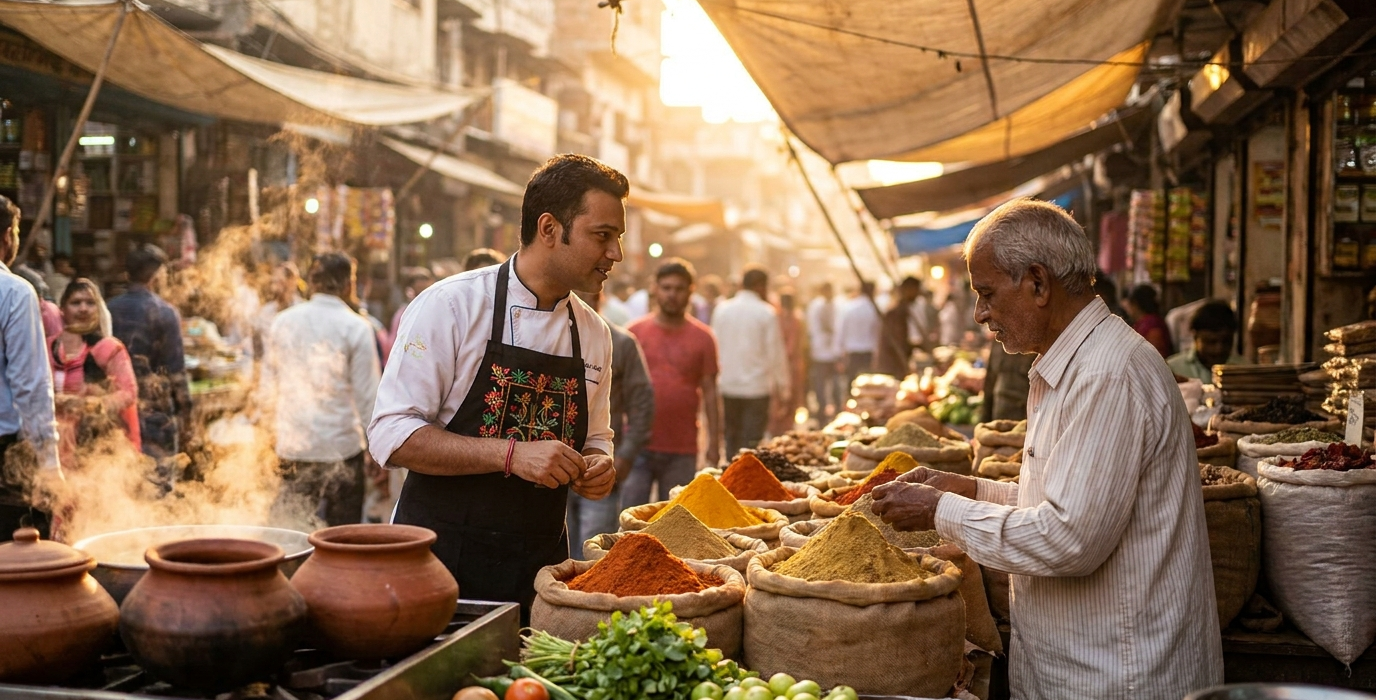
Consider booking experiences in advance, especially if you’re aiming for highly sought-after culinary tours or workshops. Many reputable tour operators now offer curated spice trail experiences, including farm visits, cooking classes, and guided market tours. Engaging with local guides who have a deep understanding of regional cuisine is invaluable; they can unlock hidden gems and authentic local eateries that you might otherwise miss. Don’t be afraid to ask questions about ingredients and preparation methods; most locals are incredibly proud of their culinary heritage and eager to share.
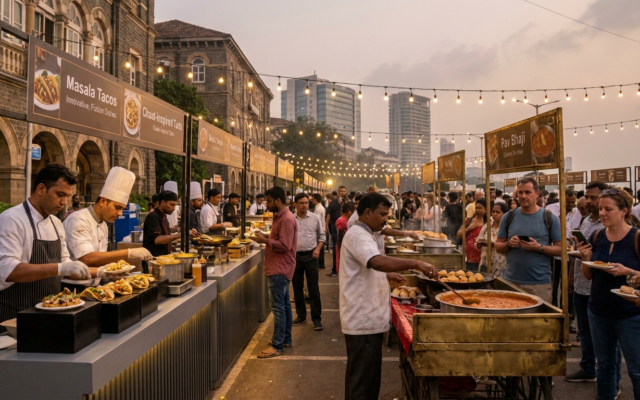
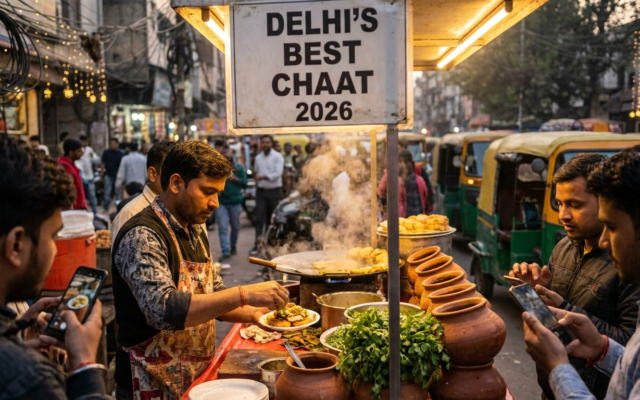
For those on a tighter budget, exploring local street food is a must, but always prioritize hygiene. Look for stalls with long queues of locals – a sure sign of good, safe food. Carrying a small notebook to jot down interesting spices or dish names can be a great souvenir. And finally, be open to new flavours and textures. India’s culinary landscape is vast and varied; the more adventurous you are, the more rewarding your spice adventure will be. This year, your taste buds are your passport to discovering the soul of India.
| Experience Type | Description | Typical Cost (INR) | Best For |
|---|---|---|---|
| Spice Plantation Tour (Kerala) | Guided walk through cardamom, pepper, and cinnamon plantations. Often includes a tasting session. | 1,500 – 3,000 | Understanding spice origins and aroma. |
| Regional Cooking Class (e.g., Lucknowi Cuisine) | Hands-on session with a local chef focusing on specific regional dishes and masalas. | 2,000 – 5,000 | Learning authentic cooking techniques. |
| Home-Cooked Meal Experience | Dining with a local family, offering insights into daily life and traditional home-style cooking. | 2,500 – 6,000 | Authentic cultural immersion and comfort food. |
| Street Food Tour (e.g., Old Delhi) | Guided exploration of popular street food stalls, tasting various local delicacies. | 1,000 – 2,500 | Budget-friendly, diverse flavours, and bustling atmosphere. |
“The true essence of Indian cuisine lies not just in its spices, but in the stories they carry – stories of land, people, and centuries of tradition waiting to be savoured.”
Frequently Asked Questions
What are the must-try regional Indian cuisines in 2026?
In 2026, beyond the well-known North Indian and South Indian cuisines, explore the distinct flavours of Rajasthani (hearty, often drier dishes), Bengali (delicate use of mustard and fish), Gujarati (sweet and savoury balance), and Maharashtrian (diverse coastal and inland fare). Each offers a unique spice profile and culinary heritage.
How can I find authentic spice experiences away from tourist traps?
Look for experiences recommended by local travel bloggers or niche culinary tour operators. Engage with your hotel concierge for local recommendations, and don’t hesitate to ask locals you meet for their favourite eateries or markets. Prioritise smaller, family-run establishments and farm visits.
Is it safe to eat street food in India in 2026?
Street food can be incredibly delicious and authentic. To ensure safety, choose vendors with high turnover, where food is cooked fresh and piping hot. Look for cleanliness and observe how locals eat. Many organised street food tours also vet vendors for hygiene and quality.
What are some emerging Indian spices I should look out for in 2026?
Beyond the usual suspects, keep an eye out for spices like cubeb pepper (with its complex, slightly bitter note), grains of paradise (offering a peppery warmth with floral hints), and various regional chilli varieties like the Guntur Sannam from Andhra Pradesh, known for its vibrant colour and balanced heat.