Key Takeaways
- The 2026 Indian film landscape is poised for a significant evolution, blending traditional storytelling with cutting-edge technology and global influences.
- Expect a surge in tentpole films across multiple languages, focusing on grand spectacle and diverse narratives, catering to both domestic and international audiences.
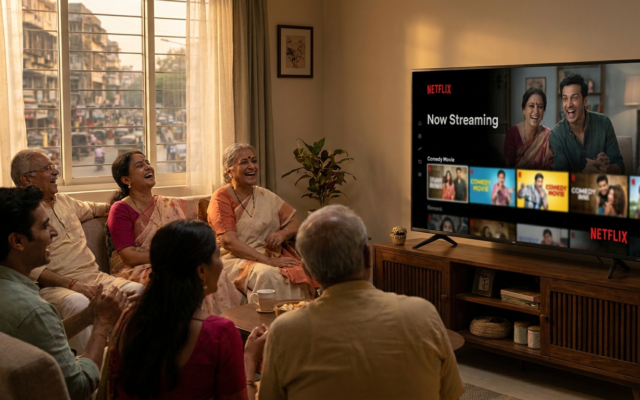
- The rise of streaming platforms continues to shape production, distribution, and audience engagement, pushing for more experimental content alongside commercial hits.
- Sustainability and ethical filmmaking practices are gaining traction, reflecting a growing awareness within the industry and among viewers.
The Spectacle is Back: Big Budget Films Reign Supreme
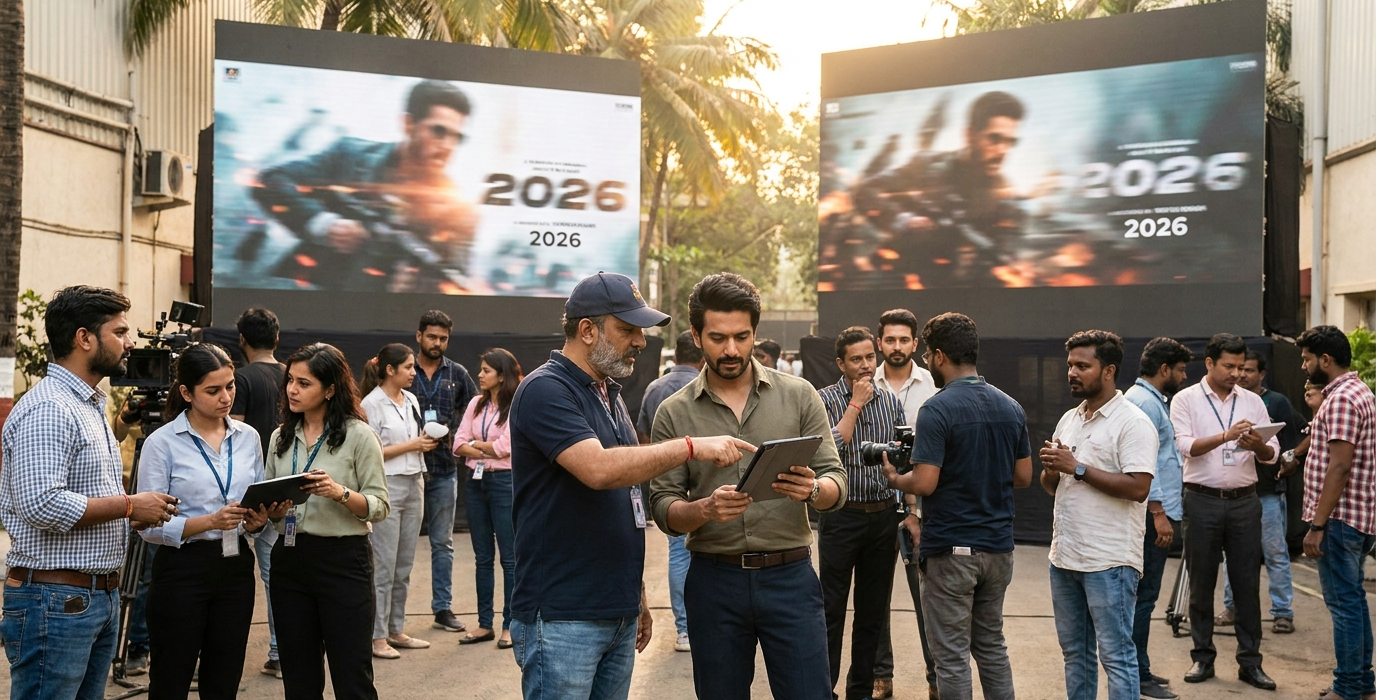
Get ready for a visual feast as 2026 promises to be a landmark year for high-octane, big-budget cinema in India. We’re talking about films that aren’t just movies; they’re experiences designed for the immersive power of the big screen. Producers are investing heavily, aiming to recapture the magic of theatrical releases with stunning visuals, complex action sequences, and narratives that demand to be seen in their full glory. Think of the breathtaking scope we’ve seen in recent years, and prepare for it to be amplified.
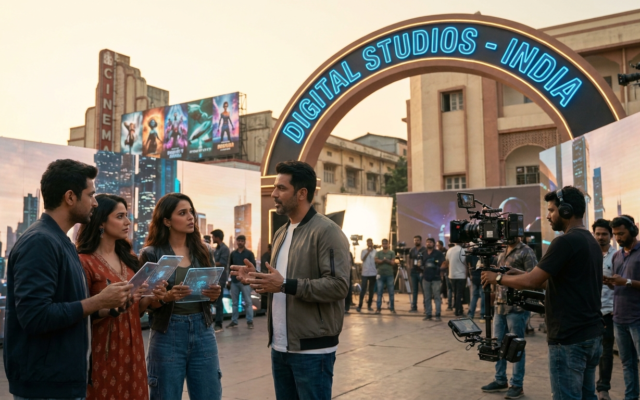
The focus is clearly on creating ‘event’ films that draw audiences back to cinemas in droves. This means pushing the boundaries of special effects, utilizing advanced CGI, and perfecting practical stunts that will leave you on the edge of your seat. We’re not just talking about Hindi cinema either; South Indian film industries, which have consistently led the charge in large-scale productions, are set to deliver even more ambitious projects. Expect grand historical epics, futuristic sci-fi adventures, and mythological tales brought to life with unprecedented detail. This isn’t just about entertainment; it’s about reclaiming the communal joy of watching a blockbuster together.
Beyond Bollywood: Regional Cinema’s Global Ascent
While Mumbai’s Hindi film industry often dominates headlines, 2026 marks a pivotal year for regional cinema’s continued global ascent. For too long, audiences outside their respective linguistic belts have missed out on some of the most innovative and compelling storytelling India has to offer. This is changing rapidly, with films from Tamil, Telugu, Malayalam, Kannada, and Bengali industries not only achieving pan-India success but also finding dedicated fan bases across the world. The sheer diversity of stories, cultural nuances, and production quality coming from these regions is astounding.
We’re seeing a deliberate push to make these films accessible. Major streaming platforms are investing heavily in dubbing and subtitling these regional gems, breaking down language barriers like never before. This allows a film like a gripping Malayalam thriller or a visually stunning Telugu historical drama to reach audiences in Tokyo, London, or even São Paulo with ease. The success of these films on streaming not only boosts their immediate viewership but also influences future production. Studios are now more willing to greenlight projects with authentic regional flavours, knowing there’s a global appetite for them. This is a testament to the power of universal storytelling, even when rooted in specific cultural contexts.
The Streaming Shake-Up: Content, Competition, and Curation
The streaming wars continue to heat up in 2026, and their impact on Indian cinema is more profound than ever. We’re witnessing a delicate balancing act: platforms are commissioning massive, star-studded original films designed to rival theatrical releases, while also acquiring a vast library of content to keep subscribers engaged. This dual strategy creates both incredible opportunities and intense competition for filmmakers. The demand for fresh, engaging content means that innovative ideas and diverse voices are more likely to find a home.
However, this also means audiences are increasingly discerning. With an overwhelming number of choices, the pressure is on to create content that truly stands out, whether it’s a gritty crime drama or a light-hearted romantic comedy. We’re seeing a trend towards niche storytelling, where platforms cater to specific audience segments with tailored content. This could mean a surge in documentaries exploring overlooked aspects of Indian history or a rise in animated series appealing to younger demographics. The curation aspect is becoming critical; simply having content isn’t enough. Platforms need to effectively showcase and recommend what viewers will love, transforming the discovery process into an art form.
Surprising Fact 1: The Rise of the ‘Indie-Blockbuster’
A fascinating development in 2026 is the emergence of what could be termed ‘Indie-Blockbusters.’ These are films with smaller budgets than traditional tentpoles but are executed with such creative flair, technical brilliance, and compelling narratives that they achieve massive critical and commercial success, often outperforming their larger counterparts. Think of films that leverage clever storytelling and innovative visual effects rather than sheer scale, proving that a strong concept can triumph.
Technological Frontiers: AI, VR, and Immersive Storytelling
The technological landscape of filmmaking is evolving at breakneck speed, and 2026 is set to showcase some truly groundbreaking advancements. Artificial intelligence (AI) is no longer a futuristic concept; it’s becoming an integral part of the production pipeline. From sophisticated script analysis and predictive audience engagement tools to advanced visual effects that can generate hyper-realistic environments and characters, AI is streamlining processes and unlocking creative possibilities previously unimaginable. We’re already seeing AI-assisted editing and pre-visualization becoming standard practice.
Beyond AI, the exploration of virtual reality (VR) and augmented reality (AR) in filmmaking is gaining serious momentum. While full-length VR feature films might still be some way off for mainstream consumption, expect to see VR elements integrated into promotional campaigns, behind-the-scenes experiences, and even short-form narrative content designed to be viewed on VR headsets. This offers a level of immersion that traditional cinema cannot replicate, allowing audiences to step inside the world of the film in a deeply personal way. Imagine experiencing a pivotal battle scene from a historical epic from the perspective of a soldier on the ground, or exploring the intricate details of a futuristic city in a sci-fi thriller. This isn’t just about watching a story; it’s about living it.
Surprising Fact 2: AI-Generated ‘Cameos’
One of the more surprising applications of AI emerging in 2026 is the potential for AI-generated ‘cameos.’ Imagine iconic actors, long retired or sadly passed, being digitally recreated to appear in new films for brief, impactful moments. While ethically debated, the technology is rapidly advancing, and we might see instances where AI meticulously recreates the likeness and performance style of a beloved star, offering fans a unique, albeit controversial, form of cinematic nostalgia.
Sustainability and Ethical Storytelling Take Centre Stage
In 2026, the conversation around filmmaking is increasingly turning towards sustainability and ethical practices, reflecting a global shift in consciousness. Audiences, particularly younger demographics, are becoming more aware of the environmental impact of large-scale productions, from energy consumption to waste generation. This has led to a growing demand for ‘green filmmaking’ initiatives, encouraging studios and production houses to adopt eco-friendly practices on set. Think of using renewable energy sources for power, minimizing plastic waste, and opting for sustainable materials in set design and costumes.
Beyond environmental concerns, there’s a heightened focus on ethical storytelling. This means more careful consideration of representation, avoiding harmful stereotypes, and ensuring that narratives are told with sensitivity and respect for diverse communities. We’re seeing a greater emphasis on authentic casting, with more opportunities for actors from underrepresented backgrounds. Furthermore, the industry is grappling with issues of fair labor practices and creator compensation, especially in the context of evolving digital distribution models. This push for a more responsible and conscientious industry is not just a trend; it’s becoming a fundamental aspect of what it means to be a modern filmmaker.
The Global Audience: India as a Content Powerhouse
India’s position as a global content powerhouse is undeniable in 2026, and its influence continues to expand. Indian cinema, with its vibrant mix of genres, compelling narratives, and incredible talent, is captivating audiences far beyond its traditional markets. The proliferation of streaming services has acted as a significant catalyst, making Indian films and series readily accessible to viewers across continents. This accessibility has fostered a greater appreciation for the diversity and richness of Indian storytelling.
We’re seeing a deliberate effort by Indian filmmakers and studios to cater to a global palate without sacrificing cultural authenticity. This means creating films that resonate with universal themes while retaining their distinct Indian flavour. The success of Indian productions in international film festivals and awards ceremonies further solidifies this status. It’s not just about exporting content; it’s about fostering genuine cultural exchange through cinema. The global audience is no longer just passively consuming; they are actively engaging with and celebrating Indian cinematic achievements, recognizing it as a vital and dynamic force in the world of entertainment.
Frequently Asked Questions
What are the biggest film genres expected to dominate in 2026?
We anticipate a strong showing for large-scale action spectacles, epic historical dramas, and ambitious science fiction films. However, slice-of-life dramas and strong female-led narratives are also expected to gain significant traction, reflecting a desire for diverse and relatable stories.
How will streaming platforms influence film production in 2026?
Streaming platforms will continue to be major drivers of content creation and distribution. Expect more original films commissioned by streamers, alongside a focus on data-driven content development and experimental storytelling. The competition will also push for higher production values across the board.
Are international co-productions likely to increase for Indian films in 2026?
Yes, international co-productions are expected to rise. As Indian cinema seeks a wider global audience, partnerships with international studios will become more common, facilitating cross-cultural collaborations, access to diverse talent, and shared financing. This will likely lead to films with broader appeal.
What role will social media play in promoting films in 2026?
Social media will remain crucial for film promotion, evolving beyond trailers and posters. Expect more interactive campaigns, behind-the-scenes sneak peeks, and direct engagement with audiences through live Q&As and creator collaborations. Short-form video content and influencer marketing will also be key strategies.