Key Takeaways
- Discover serene Indian destinations offering dedicated digital detox experiences in 2026, from Himalayan foothills to Kerala’s backwaters.
- Learn how these retreats integrate mindfulness, nature immersion, and traditional practices to help you disconnect and recharge.
- Understand the tangible benefits of a digital detox, including improved focus, reduced stress, and enhanced well-being.
- Find practical tips for choosing the right retreat and maximising your unplugged experience.
The Urgent Call to Unplug in 2026
In our hyper-connected 2026 world, the constant ping of notifications and the endless scroll have become the new normal. While technology offers unparalleled convenience, it also exacts a toll on our mental and physical well-being. We’re more informed than ever, yet often feel more disconnected and stressed. This is why the concept of a “digital detox” has moved from a niche trend to a vital necessity for many.
Imagine a life where your attention isn’t fractured by alerts, where you can engage fully with your surroundings and the people you’re with. This isn’t a utopian dream; it’s an achievable reality through intentional digital detox retreats. These carefully curated experiences offer a sanctuary from the digital noise, allowing you to reconnect with yourself and the natural world. India, with its rich cultural heritage and diverse landscapes, is emerging as a premier destination for such restorative journeys.
Himalayan Havens: Silence in the Shivaliks
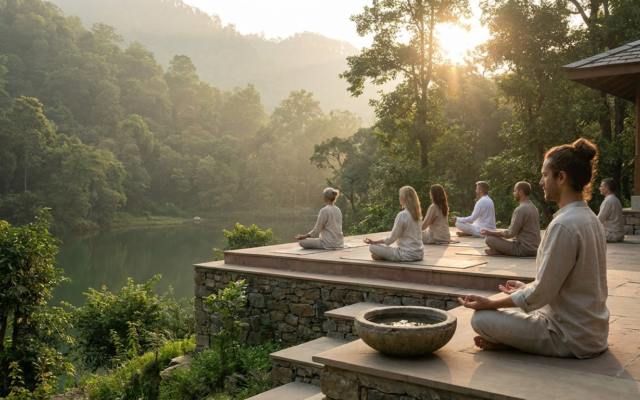
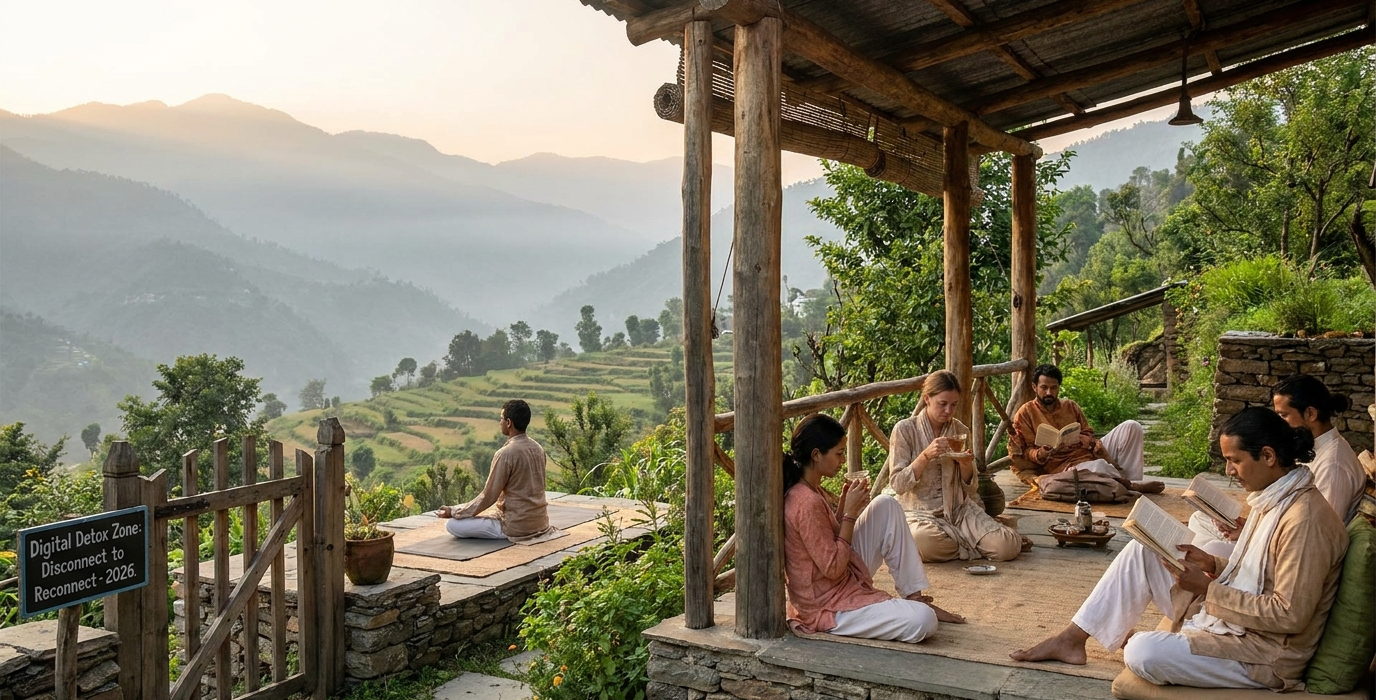
For those seeking profound quietude, the Himalayan foothills offer an unparalleled escape. Nestled amidst ancient forests and snow-capped peaks, destinations like Rishikesh and Dharamshala have long been spiritual centres. In 2026, these regions are enhancing their offerings with dedicated digital detox programs designed for the modern seeker. You can find retreats that combine silent meditation, yoga, and Ayurvedic wellness with a strict no-device policy.
One such sanctuary, tucked away near the popular yoga hub of Rishikesh, operates on a philosophy of mindful disconnection. Upon arrival, guests hand over their phones and other digital devices, which are securely stored for the duration of their stay. The focus shifts entirely to the present moment. Mornings begin with sunrise yoga overlooking the Ganges, followed by nourishing sattvic meals and workshops on mindfulness and stress management. Afternoons are dedicated to nature walks, journaling, or simply basking in the serene atmosphere. Evenings often involve soulful bhajans (devotional songs) or starlit conversations, fostering genuine human connection.
A surprising aspect of these retreats is the profound sense of freedom that often accompanies the initial withdrawal. Many guests report feeling a liberation from the constant pressure to be available and responsive. The silence isn’t empty; it’s filled with the sounds of nature – the chirping of birds, the rustling of leaves, and the gentle murmur of nearby streams. This immersion in the natural world is a powerful antidote to screen fatigue and digital overload.
Kerala’s Backwater Bliss: Unplugging by the Waterways
The tranquil backwaters of Kerala, with their labyrinthine network of canals, lakes, and lagoons, provide a uniquely serene backdrop for a digital detox. Imagine waking up in a traditional houseboat, the gentle lapping of water against the hull being your only alarm. In 2026, several eco-resorts and wellness centres along the Alleppey and Kumarakom backwaters are offering specialised digital detox packages.
These retreats often go beyond simply asking you to put away your phone. They integrate the natural rhythm of the backwaters into their programming. Activities might include silent canoe rides at dawn, guided nature walks through paddy fields, and cooking classes featuring fresh, local produce. Ayurvedic treatments, renowned for their restorative properties, are a cornerstone of many Kerala-based detox programs. You might experience rejuvenating massages, herbal steam baths, and personalised wellness consultations designed to help you de-stress and recalibrate.
The emphasis here is on slow living and sensory engagement. Instead of scrolling through social media, you’re encouraged to observe the vibrant birdlife, appreciate the intricate patterns of the coconut groves, and savour the taste of authentic Keralan cuisine. The absence of digital distractions allows for a deeper appreciation of the simple pleasures of life. You might find yourself engaging in longer conversations with fellow travellers or local villagers, fostering a sense of community that is often lost in our online interactions. The gentle pace of life on the backwaters naturally encourages a slowing down of the mind and body, making it an ideal environment for true disconnection.
The Power of Presence: Mindfulness and Meditation Retreats
At the heart of any effective digital detox lies the practice of mindfulness and meditation. These ancient techniques are not just buzzwords; they are powerful tools for cultivating present-moment awareness and emotional regulation. In 2026, numerous retreats across India are focusing specifically on teaching and integrating these practices as a core component of their digital disconnection offerings.
Whether you’re in the serene monasteries of Ladakh, the spiritual centres of Bodh Gaya, or even in dedicated urban wellness centres, the goal is the same: to train your mind to focus and be present. These retreats often begin with introductory sessions on meditation techniques, breathing exercises (pranayama), and mindful eating. You’ll learn how to observe your thoughts without judgment and how to gently redirect your attention when it wanders. The absence of digital stimuli creates an ideal environment for practicing these skills, as there are fewer external distractions competing for your attention.
One key insight often gained is the realisation that our devices are not just tools, but often crutches for dealing with discomfort or boredom. By learning to sit with these feelings through mindfulness, we develop a greater sense of inner resilience. Many participants report a significant reduction in anxiety and an improved ability to concentrate on tasks after just a few days of dedicated practice. The discipline of observing your breath or your surroundings, rather than a screen, trains your brain to be more focused and less susceptible to constant interruption.
Beyond the Screen: Nature Immersion and Adventure
For many, a digital detox is most effective when coupled with a deep immersion in nature. Exposing yourself to the elements, engaging in physical activity, and simply breathing fresh air can be incredibly grounding. In 2026, adventure tourism operators and eco-lodges are increasingly incorporating digital-free policies to enhance the experience of their guests.
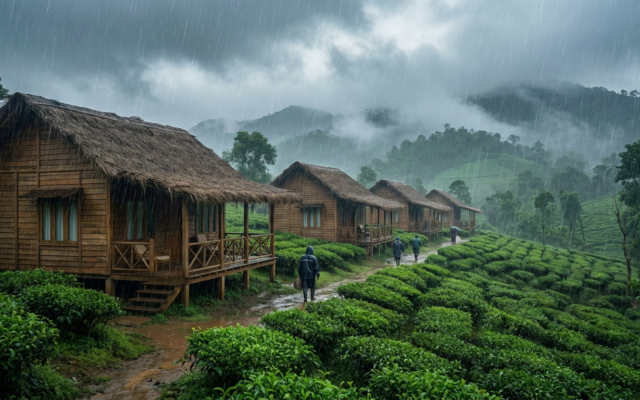
Consider a trek in the Western Ghats near Coorg, where the air is thick with the scent of spices and the sounds of waterfalls. Or perhaps a wildlife safari in Rajasthan’s Ranthambore National Park, where the thrill of spotting a tiger replaces the urge to check your notifications. These experiences demand your full attention. You need to be aware of your surroundings, listen to your guides, and be present to truly appreciate the majesty of the natural world.
The physical exertion involved in trekking, climbing, or even long walks helps release endorphins, naturally boosting your mood and reducing stress. The connection to the earth – feeling the soil beneath your feet, the sun on your skin, the wind in your hair – is a powerful reminder of our primal connection to nature. A surprising benefit often reported is the rediscovery of simple joys: the taste of a wild berry, the sight of a rare bird, the warmth of a campfire. These moments, unmediated by a screen, often become the most cherished memories.
Choosing Your Digital Detox Sanctuary in 2026
With the growing popularity of digital detox retreats, the options available in India are diverse. To find the perfect fit for your needs, consider a few key factors. What kind of environment most appeals to you? Are you drawn to the mountains, the coast, or the tranquility of the countryside? Do you prefer structured programs with guided activities or more unstructured time for personal reflection?
Research the retreat’s philosophy and policies. Ensure they have a clear commitment to digital disconnection and understand how they manage devices. Look for reviews from past participants to gauge their experiences with the program’s effectiveness and the overall atmosphere. Consider the duration of the retreat; even a weekend getaway can be beneficial, but a longer stay often allows for deeper transformation.
Budget and amenities are also important. Retreats range from rustic, budget-friendly ashrams to luxurious wellness resorts. Some offer intensive meditation courses, while others focus on Ayurvedic therapies or nature-based activities. It’s about finding a balance between your needs for disconnection, rejuvenation, and comfort. A truly effective digital detox isn’t about deprivation; it’s about intentional replenishment.
| Retreat Type | Typical Location | Focus | Average Cost (per day, approx.) | Digital Detox Level |
|---|---|---|---|---|
| Himalayan Meditation & Yoga Retreat | Rishikesh, Dharamshala | Mindfulness, yoga, spiritual practice | ₹5,000 – ₹12,000 | High (strict device policy) |
| Kerala Backwater Wellness Resort | Alleppey, Kumarakom | Ayurveda, nature, slow living | ₹7,000 – ₹15,000 | Medium to High (devices often stored) |
| Western Ghats Eco-Lodge & Trek | Coorg, Munnar | Nature immersion, adventure, physical activity | ₹4,000 – ₹9,000 | Medium (encouraged to disconnect) |
| Urban Wellness Centre | Major Cities (e.g., Delhi, Mumbai) | Mindfulness workshops, spa treatments | ₹6,000 – ₹13,000 | Medium (often optional device storage) |
“The greatest discovery of our generation is that human beings can alter their lives by altering their attitudes of mind.” – William James. In a digital age, the ‘attitude of mind’ is often shaped by constant digital input; reclaiming it through deliberate disconnection is paramount.
Frequently Asked Questions
What are the main benefits of a digital detox?
A digital detox can lead to reduced stress and anxiety, improved focus and concentration, better sleep quality, and enhanced real-world relationships. You’ll also likely experience a greater sense of presence and mindfulness in your daily life.
How long should a digital detox last?
The ideal duration depends on your personal needs and the intensity of your digital habits. A weekend retreat can offer immediate relief, while a week-long or longer stay allows for deeper immersion and lasting behavioural changes. Even a single day of intentional disconnection can be beneficial.
Will I feel withdrawal symptoms?
It’s common to experience a mild sense of restlessness, boredom, or even anxiety in the initial stages, as you’re accustomed to constant digital stimulation. However, these feelings usually subside as you adapt to the slower pace and discover alternative ways to engage your mind and senses.
What should I pack for a digital detox retreat?
Pack comfortable clothing suitable for the climate and activities, sturdy walking shoes, a journal and pen, any personal medications, and eco-friendly toiletries. Most retreats provide essentials, but it’s always good to check their specific packing list. Remember, leave your devices at home or stored securely.