Key Takeaways
- India’s T20 World Cup 2026 campaign is building momentum with a promising blend of seasoned veterans and explosive young talent.
- Key players like Shubman Gill, Yashasvi Jaiswal, and the ever-reliable Jasprit Bumrah are expected to shoulder significant responsibility.
- The team’s strategy will likely focus on aggressive batting, strategic bowling, and adapting to diverse conditions across the tournament venues.
- Home advantage, coupled with strategic preparation, could be the X-factor for India’s pursuit of the coveted T20 World Cup trophy.
The Road to 2026: India’s Evolving T20 Blueprint
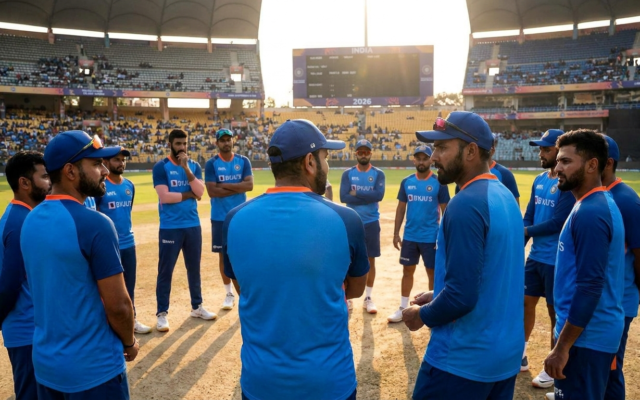
As the cricketing world turns its gaze towards the ICC Men’s T20 World Cup 2026, co-hosted by Bangladesh and India, the Men in Blue are meticulously charting their course. The air in India is thick with anticipation, a familiar hum that accompanies any major cricket tournament on home soil. The team’s journey over the past couple of years has been a fascinating evolution, a deliberate shift towards a more aggressive, fearless brand of T20 cricket. We’ve seen a conscious effort to blood young, dynamic players who aren’t afraid to take risks, a strategy that has yielded both exhilarating highs and valuable learning experiences.
The selectors have been busy experimenting, and this has resulted in a squad brimming with potential and a healthy competition for places. The core leadership is in place, but the influx of fresh faces is undeniable. This dynamic equilibrium between experience and youthful exuberance is precisely what India needs to conquer the T20 format. The blueprint is clear: build formidable totals and hunt down targets with clinical precision. This isn’t just about winning; it’s about redefining how India plays T20 cricket on the global stage.
Young Lions Roaring: The New Generation of T20 Stars
The true strength of India’s T20 World Cup 2026 campaign lies in its burgeoning crop of young talent. Players who were once aspirants are now fixtures, bringing an electrifying energy to the squad. Shubman Gill, having matured significantly in international cricket, is now a cornerstone of the batting lineup. His ability to anchor an innings while also accelerating at the right moments makes him invaluable. Then there’s Yashasvi Jaiswal, a phenomenon whose audacious strokeplay can dismantle any bowling attack in its tracks. We’ve witnessed his rapid rise, and he’s already proven he belongs at the highest level.
Beyond these two, we’re looking at the likes of Riyan Parag, who has finally translated his domestic dominance into consistent international performances. His all-round abilities, particularly his power-hitting and handy leg-spin, offer crucial flexibility. The emergence of such talent means India is no longer reliant on a few established names. This depth ensures that even if a senior player has an off day, there are capable replacements ready to step up. It’s a testament to India’s robust domestic structure and the relentless pursuit of talent identification.
The Pace Battery: Bumrah and Beyond
While the batting gets a lot of attention, the bowling attack, particularly the pace department, remains India’s potent weapon. Jasprit Bumrah, when fit, is arguably the most feared bowler in world T20 cricket. His unique action, pinpoint yorkers, and knack for picking up crucial wickets make him the undisputed leader of the attack. Bumrah’s presence alone provides immense confidence to the entire team. We saw his impact in previous campaigns, and his form leading up to 2026 will be closely monitored.
Complementing Bumrah, we have the ever-improving Mohammed Siraj, whose aggression and ability to generate pace and bounce have made him a potent force. The emergence of Arshdeep Singh, a left-arm seamer with a penchant for taking wickets and bowling economical spells at the death, adds another dimension. His variations and calmness under pressure are significant assets. The bowling unit, with its mix of raw pace, swing, and intelligent variations, is well-equipped to handle the challenges of the World Cup. It’s a unit that can trouble any opposition, on any surface.
Strategic Adaptability: Mastering Diverse Conditions
The ICC T20 World Cup 2026 will be played across multiple venues in Bangladesh and India. This means the team must be adept at adapting to a variety of pitches and conditions. From the high-scoring tracks of Mumbai to the spin-friendly surfaces of Chittagong, flexibility will be paramount. India’s past campaigns have shown that while they excel on their home soil, success in tournaments often hinges on their ability to adjust their game plans quickly. We expect the think-tank to focus heavily on this aspect during their preparations.
The coaching staff, led by Rahul Dravid, has emphasized a data-driven approach, analyzing opposition strengths and weaknesses meticulously. This includes understanding how different pitches behave and tailoring the playing XI accordingly. A key strategy will involve building strong opening partnerships, allowing the explosive middle order to play with freedom. Furthermore, the ability of the spinners to control the game in the middle overs and the pacers to execute yorkers and slower balls at the death will be crucial. The team’s success will hinge on its collective understanding and execution of these nuanced strategies.
The Spin Enigma: India’s Secret Weapon?
Spin bowling has always been a vital component of India’s success in limited-overs cricket, and the 2026 T20 World Cup will be no different. While the pacers grab headlines, the spinners often play the role of match-winners, especially on turning tracks. Ravindra Jadeja, a seasoned campaigner, continues to be a vital cog with his economical left-arm spin and exceptional fielding. His ability to contribute with the bat down the order adds further value, making him an indispensable all-rounder.
The emergence of Kuldeep Yadav as a consistent wicket-taking threat has revitalized India’s spin attack. His variations and ability to deceive batsmen in the air and off the pitch make him a dangerous proposition. We’ve seen him weave magic in recent series, and his form will be crucial. Beyond these two, the selectors have been grooming younger spinners like Ravi Bishnoi, whose leg-spin and googly can trouble any batsman. The variety within the spin attack, with different bowling styles, provides the captain with multiple options to break partnerships and control the flow of the game. This diversity is key to navigating the challenges of a global tournament.
The Captain’s Role: Leadership Under Pressure
The captaincy in T20 cricket is a high-pressure job, demanding strategic acumen, composure, and the ability to inspire the team. For the T20 World Cup 2026, the leadership mantle will likely continue to rest with Rohit Sharma, provided he maintains his form and fitness. His experience as a successful captain in the IPL and in international T20Is is invaluable. He has a proven track record of leading from the front and making astute tactical decisions under duress.
However, the grooming of potential future leaders is also evident. Hardik Pandya, with his all-round abilities and assertive captaincy style, has also led the team in Rohit’s absence, showcasing his leadership potential. The team management understands the importance of having a stable and confident leader at the helm. The captain’s ability to manage the dressing room, motivate players, and make those critical in-game decisions can often be the difference between victory and defeat. We’ve seen Rohit’s calm demeanor and tactical shifts work wonders in crucial moments. His experience will be vital in guiding this young, vibrant squad through the complexities of a World Cup campaign.
“The beauty of this Indian T20 squad for 2026 lies in its fearless approach. These young players aren’t burdened by past failures; they play with a ‘nothing to lose’ attitude that can be incredibly infectious and effective.”
The Unpredictable Factor: Home Advantage and Fanaticism
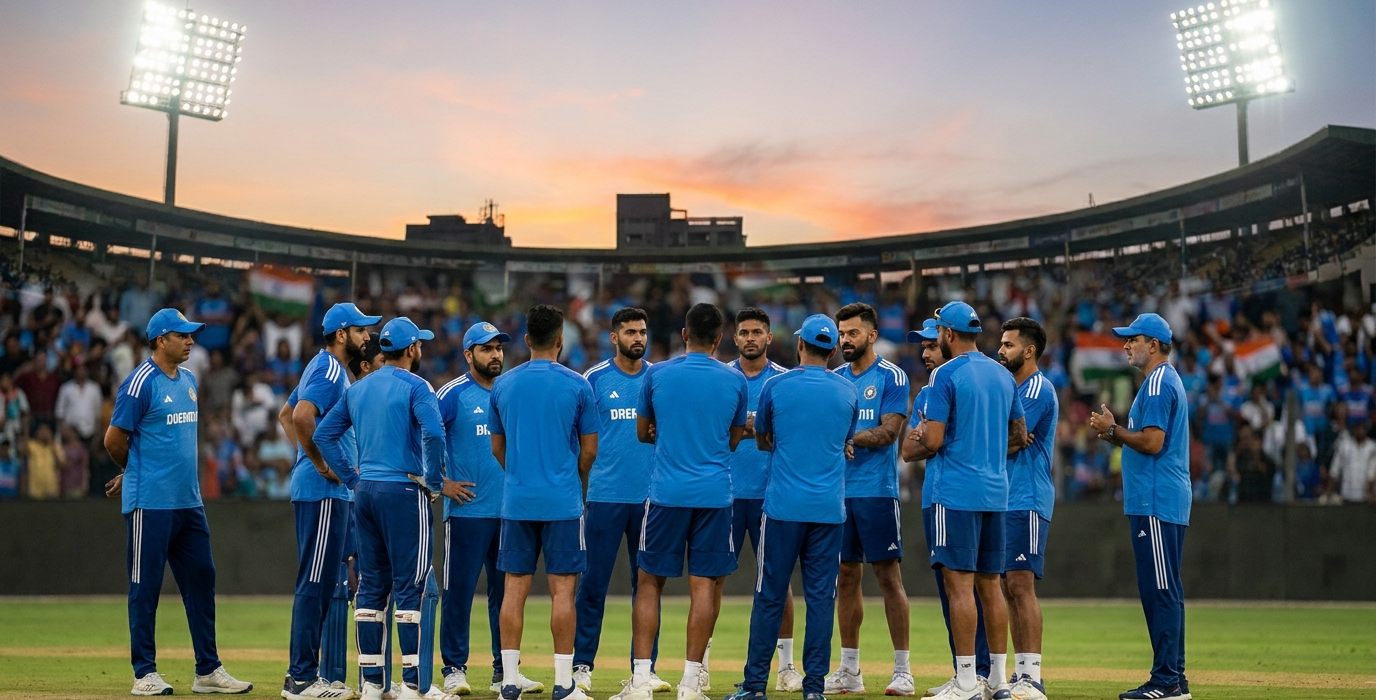
There’s an undeniable aura that surrounds an ICC tournament hosted in India. The passionate, vociferous crowds can be a significant advantage, often acting as an extra player on the field. The energy generated by tens of thousands of fans at stadiums like the Wankhede in Mumbai or the Eden Gardens in Kolkata can lift the team and intimidate opposition players. This home advantage is not just about crowd support; it’s also about familiarity with the conditions, the travel, and the general environment.
However, this also brings its own set of pressures. The immense expectations from the Indian public can weigh heavily on the players. For the 2026 T20 World Cup, the team will need to manage these expectations effectively, focusing on process over outcome. The co-hosting with Bangladesh adds a unique dynamic, requiring seamless coordination and a deep understanding of varying logistical and cultural nuances. But ultimately, the roar of the Indian crowd, when the team is performing well, is a force to be reckoned with. It’s this fervent support, coupled with meticulous planning, that fuels the dream of lifting the T20 World Cup trophy on home soil.
Frequently Asked Questions
Who are the key players to watch for India in the 2026 T20 World Cup?
Keep an eye on young batting sensations like Shubman Gill and Yashasvi Jaiswal, alongside the experienced bowling prowess of Jasprit Bumrah. All-rounders like Ravindra Jadeja and Hardik Pandya will also be crucial.
What are India’s biggest strengths heading into the tournament?
India boasts a formidable batting lineup with a blend of youth and experience, a potent pace attack led by Bumrah, and a versatile spin department. Their aggressive playing style and home advantage are also significant strengths.
Which venues will host the T20 World Cup 2026 matches in India?
While specific venue allocations are still being finalized, expect matches to be held at major cricket stadiums across India, potentially including Mumbai, Delhi, Bengaluru, Chennai, and Kolkata, among others.
How will the co-hosting with Bangladesh affect India’s campaign?
Co-hosting requires logistical coordination and adaptability to different playing conditions and cultural environments. India will need to be prepared for matches played in Bangladesh, which may offer different challenges compared to Indian pitches.