Key Takeaways
- Bollywood in 2026 is a vibrant landscape, showcasing a surge of fresh, diverse talent across acting, direction, and storytelling.
- Beyond the typical masala entertainers, audiences are embracing nuanced narratives exploring social issues, regional cultures, and complex human emotions.
- Digital platforms continue to be a crucial launchpad and a space for experimentation, driving the evolution of cinematic language and audience engagement.
- The industry is witnessing a growing emphasis on authentic representation and a departure from age-old tropes, promising a more inclusive and representative future for Indian cinema.
The New Guard: Faces Defining Bollywood 2026
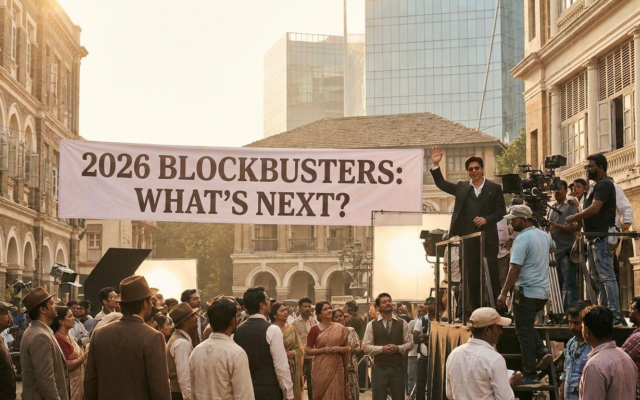
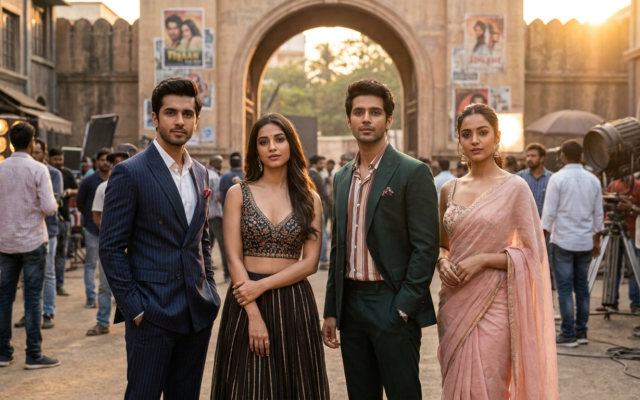
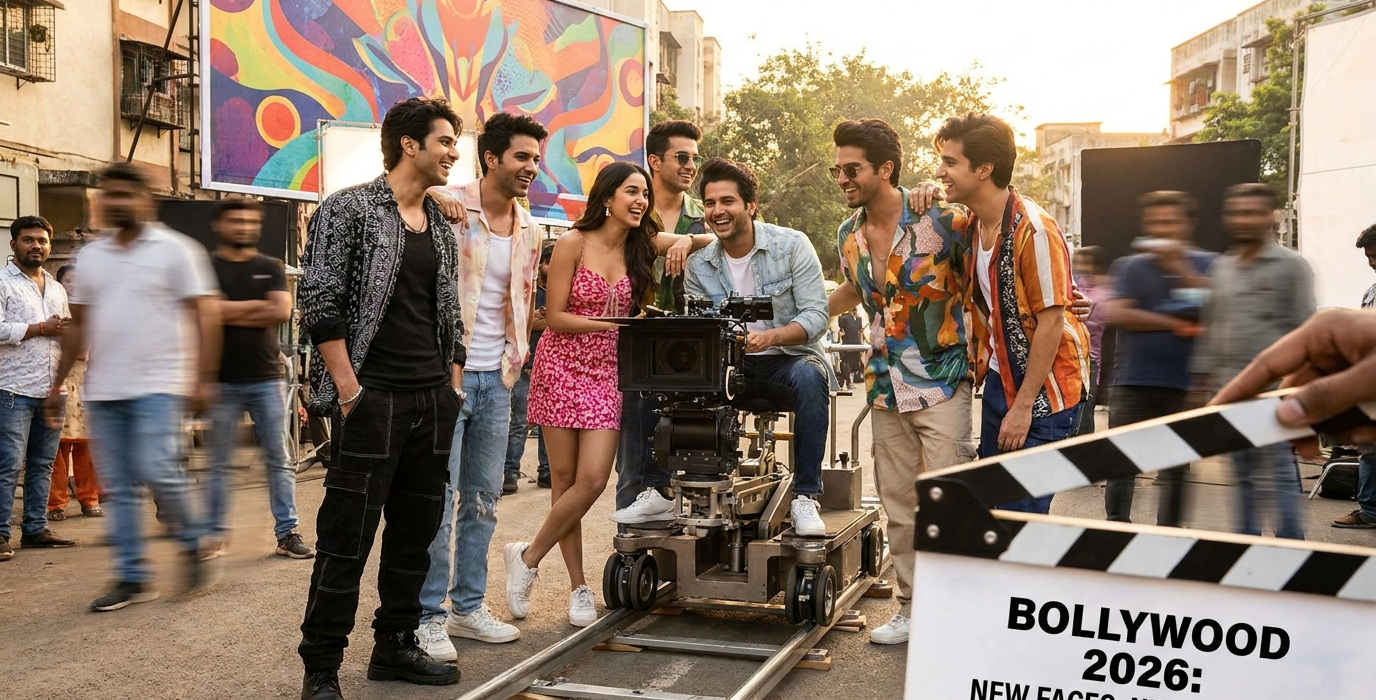
The shimmering world of Bollywood in 2026 is buzzing with an energy that feels both familiar and refreshingly new. Gone are the days when a handful of superstars dictated the box office. Today, we’re witnessing a dynamic shift, an influx of dynamic young actors and directors who are not just delivering hits but are also redefining what it means to be a Bollywood star. These are individuals with a distinct vision, a willingness to take risks, and a connection with audiences that transcends the usual glamour. They bring a raw authenticity and a nuanced approach to their craft, resonating deeply with viewers seeking more than just escapism.
We’re seeing a generation that grew up with access to global cinema and diverse storytelling platforms. This exposure has equipped them with a broader perspective, enabling them to challenge conventions and push creative boundaries. Whether it’s a powerful performance in a gritty social drama or a charismatic turn in a rom-com with a twist, these emerging talents are captivating hearts and minds. Their presence signals a promising era of innovation and inclusivity in the Hindi film industry, where diverse voices are finally finding their much-deserved spotlight.
One of the most striking aspects of this new wave is their fearlessness in tackling complex roles. They are not shying away from characters that are flawed, morally ambiguous, or deeply rooted in specific cultural contexts. This willingness to explore the human condition in its entirety is a significant departure from the often-stereotypical portrayals of the past. Their performances are layered, empathetic, and incredibly believable, drawing audiences into the narrative with an intensity that leaves a lasting impression. It’s a testament to their dedication and their understanding of the evolving cinematic landscape.
Beyond Masala: The Rise of Nuanced Storytelling
The year 2026 marks a significant turning point for Bollywood, where the traditional ‘masala’ formula, while still present, is no longer the sole proprietor of success. We are witnessing a profound shift towards nuanced storytelling, with filmmakers and writers increasingly exploring themes that resonate with contemporary Indian society. This includes intricate explorations of social issues, the complexities of urban living, and the rich tapestry of regional Indian cultures that have historically been underrepresented. Audiences are actively seeking out films that offer substance and provoke thought, moving beyond simple entertainment.
This evolution is evident in the surge of critically acclaimed films that have found commercial success. These narratives often delve into sensitive topics like mental health, gender equality, economic disparities, and the changing dynamics of family structures. They are not afraid to present characters with internal conflicts and external struggles, mirroring the realities faced by a large segment of the population. This move towards authenticity is crucial for building a deeper connection between the cinema and its viewers.
Furthermore, there’s a growing appreciation for films that celebrate India’s diverse regional identities. Directors are increasingly drawing inspiration from local folklore, dialects, and socio-cultural landscapes, presenting them to a national audience with authenticity. This not only enriches the cinematic output but also fosters a sense of pride and recognition for various communities. The success of these films proves that compelling stories, regardless of their setting or theme, can captivate a pan-Indian audience when told with skill and sincerity. It’s a win-win for both filmmakers and viewers.
Digital Disruptors: OTT Platforms as Catalysts for Change
The reign of over-the-top (OTT) platforms has solidified in 2026, transforming not just how we consume content but also how stories are conceived and produced in Bollywood. These digital giants have become crucial incubators for fresh talent and experimental narratives. They offer a space for filmmakers and actors to explore ideas that might be considered too niche or risky for traditional theatrical releases. This has opened up a world of possibilities, leading to a more diverse and exciting cinematic ecosystem.
OTT platforms have democratised filmmaking to a considerable extent. Lower entry barriers and flexible production models allow independent creators to bring their unique visions to life. This has led to a proliferation of content that caters to a wider spectrum of tastes and preferences, from gripping thrillers and poignant dramas to insightful documentaries and avant-garde shorts. The sheer volume and variety available mean that there’s something for everyone, constantly challenging established norms.
Moreover, these platforms have played a pivotal role in discovering and nurturing unconventional talent. Many actors and directors who may have struggled to break into mainstream cinema have found their footing and built substantial careers through web series and original films. This has broadened the definition of stardom and created new pathways for aspiring artists. The data-driven insights provided by OTT viewership also allow creators to understand audience preferences better, further refining their storytelling approach. It’s a symbiotic relationship that continues to drive innovation.
A Spotlight on Authenticity: Representation Matters
In 2026, the conversation around representation in Indian cinema has moved from the fringes to the forefront. Audiences and industry insiders alike are demanding more authentic and nuanced portrayals of diverse communities, genders, and identities. This shift is not just about ticking boxes; it’s about reflecting the true heterogeneity of India on screen, moving away from tired stereotypes and tokenism. The impact of this focus on authenticity is palpable in the stories being told and the characters being created.
We’re seeing a welcome increase in female-led narratives and powerful female characters who are not merely plot devices but complex individuals driving the story. Directors are exploring themes of female ambition, agency, and resilience with a depth that resonates powerfully. Similarly, stories featuring characters from various socio-economic backgrounds, religious affiliations, and regional origins are gaining traction, offering a richer, more accurate reflection of Indian society. This inclusivity is vital for forging a stronger connection with a diverse audience.
A surprising yet significant trend is the growing visibility of actors and stories from previously underrepresented regions within India itself. Films and series are increasingly exploring the unique cultural fabrics of places like the Northeast, the Andaman Islands, or the tribal heartlands of Chhattisgarh. This not only provides a platform for these voices but also educates a wider audience about the incredible diversity that exists within the nation. The demand for authenticity is a powerful force, shaping a more equitable and representative future for Indian cinema.
“Audiences today crave stories that mirror their own lives and aspirations, not just a fantastical escape. Authenticity is the new currency in Bollywood, and those who embrace it will lead the way.”
The Craft of Storytelling: Directors Shaping the Narrative
Behind every compelling film is a visionary director, and 2026 sees a new generation of storytellers at the helm in Bollywood, each bringing a unique perspective and a mastery of their craft. These directors are not just helming projects; they are actively shaping the narrative landscape with their distinctive styles and thematic choices. They are the architects of the emotional journeys that captivate audiences, whether it’s through breathtaking visuals, sharp dialogue, or profound character development. Their impact is undeniable in the quality and diversity of films we see.
Many of these emerging directors have honed their skills through short films, independent projects, and even acclaimed work on OTT platforms. This background has equipped them with a strong understanding of visual storytelling and economical narrative construction. They are adept at working within various budget constraints while still delivering high-quality cinematic experiences. Their ability to blend artistic integrity with commercial viability is a hallmark of this new era.
We are also observing a fascinating trend of directors experimenting with non-linear narratives, innovative cinematography, and genre-bending storytelling. This willingness to push creative boundaries keeps the audience engaged and offers a refreshing departure from predictable plotlines. The focus is on creating immersive experiences that linger long after the credits roll. The collaborative spirit among these directors, often sharing insights and techniques, is also fostering a fertile ground for continued innovation and artistic growth within the industry.
The Future Canvas: What to Expect in the Coming Years
Looking ahead from 2026, the trajectory of Bollywood promises to be even more exciting and transformative. The foundations laid by new talent and evolving storytelling are set to yield a richer and more globally resonant Indian cinema. We can anticipate a continued emphasis on diverse voices, with a greater representation of women, LGBTQ+ individuals, and minority communities both in front of and behind the camera. This inclusivity will be a driving force for authentic storytelling.
The integration of technology will undoubtedly play a larger role. Immersive technologies and innovative visual effects are likely to be more accessible, enabling directors to create even more breathtaking cinematic worlds. However, the core of storytelling will remain paramount. The focus will stay on crafting compelling narratives that connect with audiences on an emotional and intellectual level, regardless of the technological advancements. The human element will continue to be the anchor.
Furthermore, the cross-pollination of talent and ideas between Bollywood and regional Indian film industries is expected to intensify. This collaboration will lead to a wider array of stories and cinematic styles reaching a national and international audience. We might see more co-productions, joint creative ventures, and a greater exchange of artistic sensibilities. This interconnectedness promises to elevate Indian cinema as a whole, making it a powerhouse of diverse and impactful storytelling on the global stage. The future is bright, and brimming with untapped potential.
Frequently Asked Questions
What are the biggest changes in Bollywood in 2026?
The most significant changes in Bollywood in 2026 are the rise of new, diverse talent, a shift towards nuanced and socially relevant storytelling, and the immense influence of OTT platforms in shaping content and launching careers. There’s a strong focus on authenticity and representation.
Are traditional Bollywood films still popular?
Yes, traditional ‘masala’ entertainers still hold a significant audience, but their dominance is challenged by the growing popularity of films with more substance and diverse narratives. Audiences now have a wider appetite for different genres and storytelling styles.
How have OTT platforms impacted new actors in India?
OTT platforms have become a crucial launchpad for new actors, offering them opportunities to showcase their talent in web series and original films. They provide a space for experimentation and have broadened the definition of stardom beyond traditional movie roles.
What kind of stories are becoming more popular in Indian cinema?
Stories exploring social issues, regional Indian cultures, complex human emotions, and diverse identities are gaining significant traction. There’s a clear demand for authentic narratives that reflect contemporary Indian society and its multifaceted realities.
Will Bollywood films become more like Hollywood in the future?
While there might be an exchange of ideas and technological advancements, Bollywood’s strength lies in its unique cultural context and storytelling traditions. The future likely involves a blending of global influences with distinctly Indian narratives, rather than a complete imitation of Hollywood.