Key Takeaways
- The 2026 Indian remote work landscape is a dynamic blend of established hybrid models and emerging fully remote opportunities, driven by technological advancements and shifting employee expectations.
- Companies are actively investing in robust digital infrastructure and cybersecurity to support distributed teams, with a significant focus on employee well-being and productivity measurement.
- Navigating this new era requires a strategic approach to talent acquisition, retention, and fostering a strong, inclusive company culture, regardless of physical location.
- While challenges like digital divide and infrastructure gaps persist, the long-term benefits of remote and hybrid work, including access to wider talent pools and improved work-life balance, are becoming undeniable.
The Great Indian Remote Work Shift: Beyond the Pandemic Echoes
The year is 2026, and the echoes of the 2020 pandemic have long since faded, yet the seismic shift it triggered in India’s work culture continues to reverberate. We’re not just talking about a temporary arrangement anymore; remote and hybrid work models have firmly embedded themselves into the fabric of corporate India. From the bustling metropolises of Mumbai and Delhi to the burgeoning IT hubs of Bengaluru and Hyderabad, companies are recalibrating their strategies, embracing a future where the office is no longer the sole epicentre of productivity. This evolution isn’t merely about employee preference; it’s a strategic imperative driven by technological leaps, a globalised talent market, and a redefinition of what constitutes a productive work environment. For many, the daily commute, the crowded local trains, and the rigid 9-to-5 are becoming relics of a bygone era.
The initial skepticism that greeted widespread remote work has largely dissipated, replaced by a pragmatic acceptance and, in many cases, enthusiastic adoption. We’ve seen a surge in companies offering genuine flexibility, not just as a perk, but as a core operational strategy. This includes a spectrum of models, from fully remote organisations that have embraced a distributed workforce as their norm, to hybrid setups where employees split their time between home and a physical office. The key takeaway for businesses today is that a one-size-fits-all approach no longer suffices. Understanding the diverse needs of your workforce and the nature of your business operations is paramount to success. This era demands agility, a willingness to experiment, and a deep understanding of the human element within a digital-first framework.
Investing in the Digital Backbone: Infrastructure and Security Imperatives
As remote and hybrid work solidify their presence in India, the underlying technological infrastructure becomes the silent hero. Companies are realising that seamless connectivity and robust cybersecurity are not optional extras but fundamental pillars of their operational resilience. We’re seeing substantial investments poured into cloud computing, high-speed internet access, and sophisticated collaboration tools. The aim is to ensure that every employee, whether they’re in a metro city or a smaller town, has the resources to perform their duties effectively and securely. This proactive approach mitigates the risks associated with distributed teams and enhances overall productivity.
The cybersecurity landscape, in particular, has become a major focus. With employees accessing sensitive company data from various locations, the threat surface has expanded significantly. Organisations are deploying advanced firewalls, multi-factor authentication, and employee training programs to combat phishing attacks and data breaches. The digital divide, while still a concern in some rural areas, is being addressed through initiatives that aim to provide better internet access and digital literacy. For businesses operating in this new paradigm, ensuring a secure and reliable digital environment is as crucial as maintaining a physical office space. It’s about creating an ecosystem where work can flow uninterrupted, securely, and efficiently, regardless of geographical boundaries.
The Talent Magnet: Redefining Recruitment and Retention in 2026
The geographical barriers that once constrained talent acquisition are crumbling, and in 2026, this is a game-changer for Indian companies. The ability to hire talent from anywhere in the country, and even globally, has opened up unprecedented opportunities. Companies are no longer limited to the talent pools within commuting distance of their physical offices. This has led to a more diverse and skilled workforce, bringing fresh perspectives and innovative ideas. For instance, a startup in Gurugram might now be able to hire a specialist from a tier-2 city like Coimbatore or even a seasoned professional living in a smaller town in Kerala, previously inaccessible due to geographical constraints.
However, this expanded talent pool also intensifies the competition for skilled professionals. Companies are now competing not just with local rivals, but with organisations across the nation and the globe. This necessitates a re-evaluation of recruitment strategies, focusing on employer branding, competitive compensation, and compelling work opportunities. Equally important is retention. In a remote or hybrid setting, maintaining employee engagement and fostering a sense of belonging are critical. This involves creating clear career progression paths, offering continuous learning and development opportunities, and actively seeking employee feedback. The companies that excel in attracting and retaining top talent in 2026 are those that prioritise a positive and supportive employee experience, irrespective of their physical location.
A Surprising Stat: The Rise of the “Digital Nomad” in India
One surprising trend we’re observing is the growing number of Indian professionals embracing a more fluid lifestyle, often termed ‘digital nomads’. While the concept isn’t entirely new, its mainstream adoption in India has accelerated. These individuals, often working in tech, creative, or consulting roles, leverage remote work to travel across India, working from co-working spaces in places like Rishikesh, Goa, or even the serene landscapes of Ladakh. This phenomenon highlights the evolving aspirations of the Indian workforce, seeking not just a job, but a lifestyle that blends professional growth with personal exploration. It also presents a unique opportunity for hospitality and tourism sectors to cater to this emerging demographic.
Navigating the Cultural Divide: Building Cohesion in Distributed Teams
Building a cohesive and inclusive company culture when your team is distributed across different locations and time zones presents a unique set of challenges. In 2026, this is a critical area of focus for many organisations. Gone are the days of spontaneous water cooler chats and informal team lunches that naturally fostered camaraderie. Instead, companies are proactively designing virtual engagement initiatives. This includes virtual team-building activities, online social events, and dedicated communication channels for non-work-related interactions. The goal is to replicate the sense of connection and belonging that was once inherent in a physical office environment.
Crucially, fostering this culture requires intentional leadership and consistent effort. Managers are being trained to lead distributed teams effectively, focusing on clear communication, empathy, and equitable treatment of all team members, regardless of their location. For instance, ensuring that remote employees have the same access to information and opportunities as their in-office counterparts is paramount. Companies that successfully navigate this cultural evolution are those that actively listen to their employees, adapt their strategies, and invest in building a strong, unified identity that transcends physical boundaries. This proactive approach is essential for long-term employee satisfaction and overall organisational success.
The Evolving Workspace: From Cubicles to Co-working and Home Offices
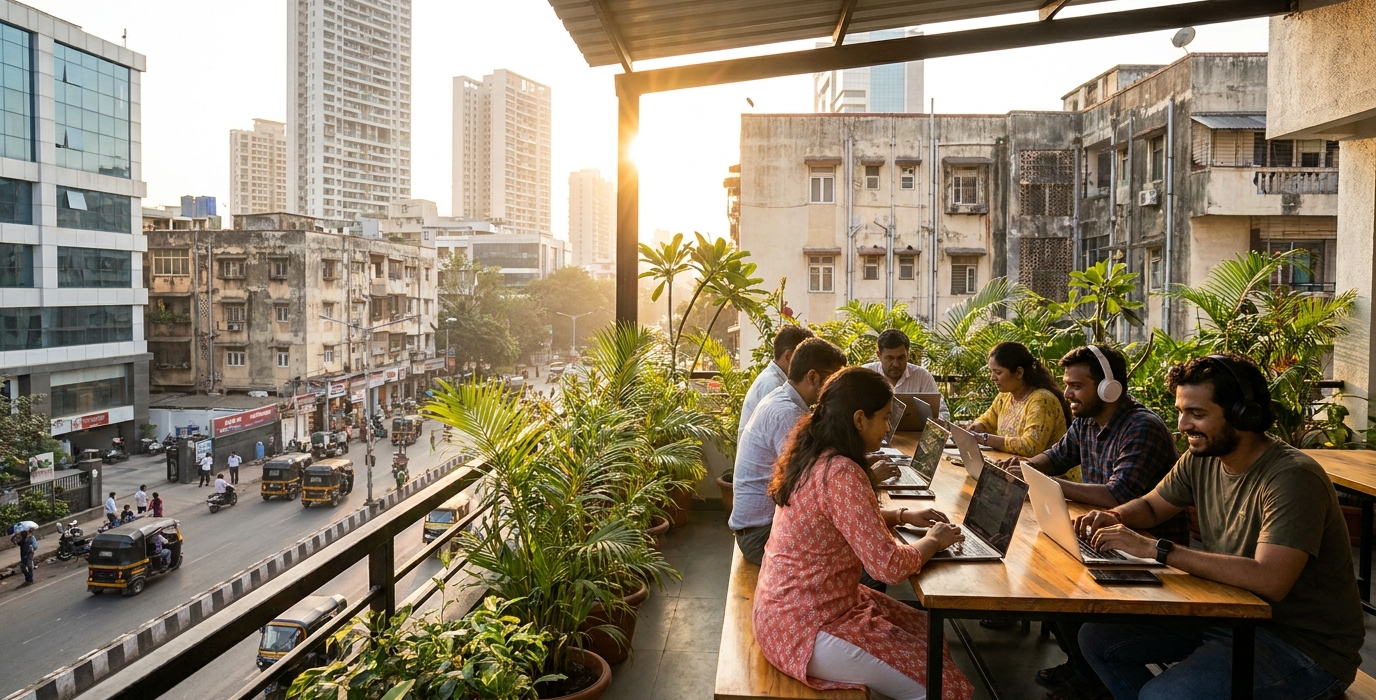
The traditional office landscape in India is undergoing a radical transformation. While some companies are downsizing their physical footprints, others are reimagining their office spaces as hubs for collaboration, innovation, and social connection, rather than just places for individual work. We’re seeing a rise in flexible office solutions, including co-working spaces across cities like Pune and Ahmedabad, which offer adaptable and cost-effective solutions for businesses and freelancers alike. These spaces are not just about desks and Wi-Fi; they are increasingly designed to foster community and provide a stimulating work environment.
Simultaneously, the home office has become a legitimate and often preferred workspace for many. Companies are recognising the need to support their employees in creating productive and ergonomic home setups. This might involve providing stipends for home office equipment, offering ergonomic assessments, or even providing access to virtual assistant services to help manage household tasks. The focus is on enabling employees to work from wherever they are most productive and comfortable. This flexibility is a key factor in attracting and retaining talent in the current market. The traditional notion of a singular, fixed workspace is giving way to a more fluid and personalised approach, reflecting the diverse needs of the modern Indian workforce.
A Surprising Insight: The Surge in Rural Talent Pools
A truly remarkable development in the 2026 landscape is the increasing accessibility and engagement of talent from India’s tier-2 and tier-3 cities, and even rural areas. Historically, these regions were often overlooked due to infrastructure limitations and geographical isolation. However, with improved internet penetration and the widespread adoption of remote work, companies are discovering a wealth of untapped talent. This demographic often possesses strong work ethics, a dedication to learning, and a unique perspective. For instance, a company in the financial services sector might find highly capable individuals with strong analytical skills in smaller towns in Uttar Pradesh, who were previously limited by local job market constraints.
This trend has a dual benefit. It democratises opportunity for individuals in these regions, offering them access to better career prospects without the need to relocate. For companies, it significantly broadens their talent acquisition horizons, leading to more diverse teams and potentially lower operational costs. This shift is also spurring local economic development as these remote workers continue to contribute to their home communities. It’s a powerful illustration of how technological advancements, coupled with a progressive work culture, can create a more equitable and interconnected India. The challenge now lies in ensuring continued investment in digital infrastructure and digital literacy programs to sustain and expand this positive trajectory.
Frequently Asked Questions
What are the biggest challenges for remote work in India in 2026?
The primary challenges include ensuring consistent and high-speed internet access across all regions, bridging the digital divide, maintaining data security and privacy, and fostering a strong company culture and team cohesion among distributed employees. Effective management of remote teams and ensuring equitable opportunities for all remain key areas of focus.
How are companies measuring productivity in a remote or hybrid setting?
Productivity measurement is shifting from ‘time spent at desk’ to outcome-based metrics. Companies are increasingly using project management tools, key performance indicators (KPIs), and regular check-ins to assess deliverables and goal achievement. Focus is on results rather than mere presence.
What is the future of office spaces in India post-2026?
Office spaces are evolving from traditional workstations to collaborative hubs. We can expect to see more companies utilising flexible office solutions, co-working spaces, and smaller, strategically located satellite offices. The emphasis will be on creating environments that foster innovation, team interaction, and employee well-being, rather than simply housing individual desks.
Will remote work lead to increased rural development in India?
Yes, it has the potential to significantly boost rural development. By enabling individuals to work for companies located in major cities without relocating, remote work can inject capital and skills into rural economies. It also reduces the pressure of urban migration, potentially leading to more balanced regional development.
How can I, as an employee, ensure I thrive in a remote or hybrid work environment?
To thrive, establish a dedicated workspace, maintain a consistent routine, practice effective time management, communicate proactively with your team and manager, and prioritize your physical and mental well-being. Actively seek feedback and opportunities for professional development.