Key Takeaways
- The Indian fitness landscape in 2026 is embracing a fusion of traditional wellness and cutting-edge technology, moving beyond mere gym workouts.
- Personalised, data-driven approaches are gaining traction, with wearable tech and AI-powered coaching becoming mainstream tools for goal achievement.
- Mental wellness is no longer an afterthought; it’s integrated into holistic fitness regimes, with practices like mindfulness and digital detox zones gaining popularity.
- Niche fitness experiences, from sustainable outdoor adventures to hyper-local community challenges, are carving out significant followings.
The AI-Powered Personal Trainer: Your Pocket-Sized Guru
The days of generic workout plans are rapidly fading in India. By 2026, the most significant shift in personal fitness is the ubiquitous presence of AI-powered coaching. Forget expensive personal trainers; your smartphone, coupled with advanced wearables, now offers a bespoke fitness experience tailored to your unique physiology, lifestyle, and goals. These AI systems analyse everything from your sleep patterns and heart rate variability to your workout performance and dietary intake. They then create dynamic training schedules that adapt in real-time.
Imagine waking up and your app suggests a lighter session because your sleep score was low, or it automatically adjusts your protein intake recommendation based on your recovery needs after a particularly intense session in, say, a Mumbai park. This level of personalised feedback is unprecedented. Companies are investing heavily in sophisticated algorithms that can predict potential injuries, optimise nutrition for specific athletic pursuits, and even provide motivational nudges at precisely the right moment. This isn’t just about tracking steps; it’s about intelligent, proactive health management that learns and grows with you, making fitness accessible and effective for everyone, from a student in Bengaluru to a homemaker in Kolkata.
Beyond the Gym Walls: The Rise of Experiential Fitness
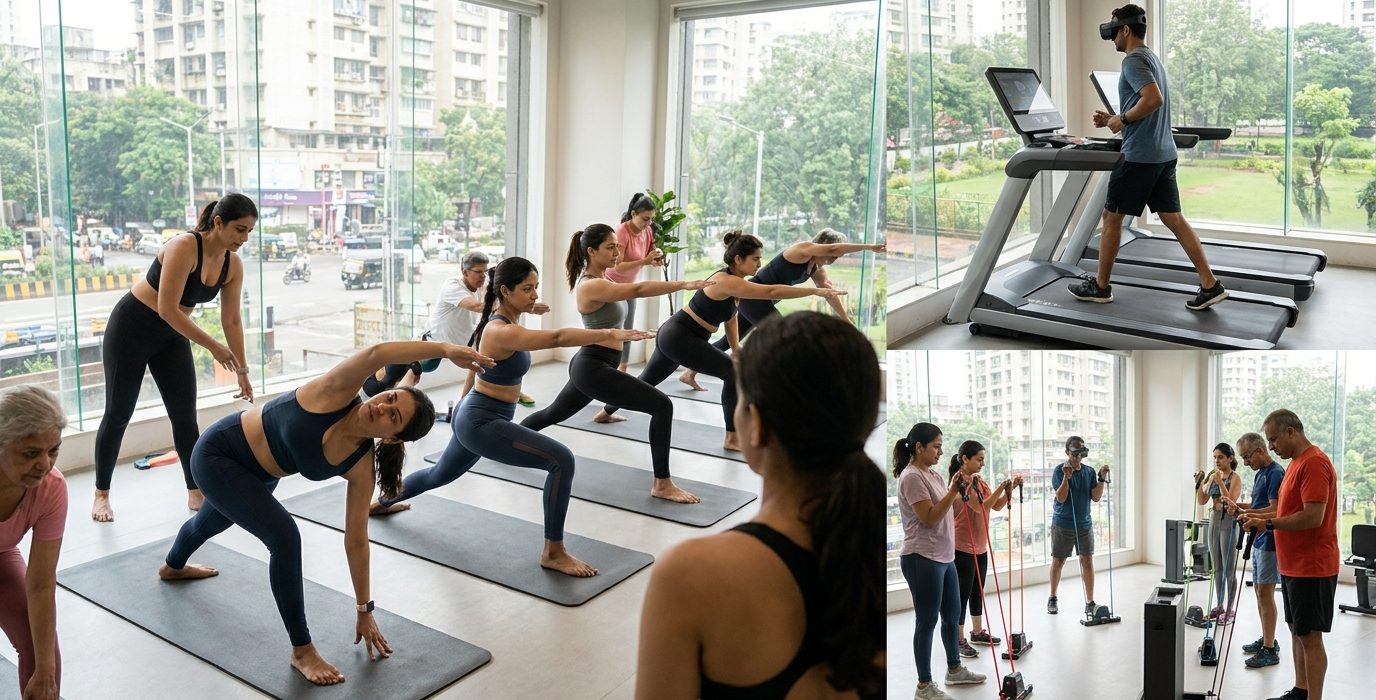
While traditional gyms still hold their appeal, 2026 sees a significant surge in what we’re calling “experiential fitness.” This is about moving beyond the four walls of a fitness centre and engaging with your body and the environment in new, dynamic ways. Think less about treadmills and more about immersive, nature-based activities and community-driven challenges. This trend is particularly strong in urban centres looking for an escape and in more rural areas embracing their natural surroundings.
Outdoor adventure clubs are booming, organising weekend treks in the Sahyadri mountains or sunrise yoga sessions on the beaches of Goa. There’s also a growing interest in urban exploration challenges, where participants navigate cities like Delhi or Chennai using only public transport and their own two feet, incorporating geocaching or augmented reality elements. These activities foster not just physical fitness but also a sense of community and a deeper connection with one’s surroundings. They offer a refreshing alternative to the often monotonous routines of indoor training, proving that fitness can be an adventure, not just a chore.
The Wearable Revolution: Data-Driven Decisions, Not Just Metrics
Wearable technology has moved far beyond basic step counting and heart rate monitoring. In 2026, these devices are sophisticated health companions, providing insights that genuinely empower users to make informed decisions about their well-being. We’re seeing a shift from simply collecting data to understanding and acting upon it. Advanced sensors can now track blood oxygen levels with remarkable accuracy, monitor stress through galvanic skin response, and even offer preliminary ECG readings, all from your wrist or a discreet patch.
This wealth of data, when fed into AI-powered platforms, allows for hyper-personalisation. For instance, a runner in Hyderabad might use their wearable to track not just pace and distance but also their anaerobic threshold and stride length, allowing an AI coach to identify inefficiencies and suggest specific drills to improve form. Furthermore, the integration of these wearables with smart home devices is creating seamless health ecosystems. Your smart scale can automatically log your weight, your sleep tracker can inform your smart lighting to adjust for optimal rest, and your fitness tracker can communicate with your smart fridge to suggest post-workout meals. This interconnectedness is making holistic health management more intuitive than ever before.
Mindfulness Meets Movement: The Integrated Wellness Approach
Perhaps one of the most profound shifts in the Indian fitness landscape for 2026 is the unshakeable integration of mental wellness into physical regimes. No longer is fitness solely about physical prowess; it’s about holistic well-being, where mental clarity and emotional balance are considered as crucial as muscular strength or cardiovascular health. This is a welcome evolution, reflecting a deeper understanding of how the mind and body are intrinsically linked.
Practices like guided meditation, breathwork sessions, and digital detox challenges are becoming standard offerings at fitness studios and corporate wellness programs across cities like Pune and Bengaluru. Many fitness apps now include modules for stress management and mindfulness, prompting users to take short breaks for deep breathing exercises during their day. We’re also seeing the rise of “calm zones” in bustling urban spaces, dedicated areas designed for quiet reflection and relaxation, often incorporating natural elements. This movement is about cultivating resilience and inner peace alongside physical fitness, creating a more sustainable and fulfilling approach to health that acknowledges the full spectrum of human well-being.
The Rise of Niche Fitness and Hyper-Local Communities
The one-size-fits-all approach to fitness is well and truly obsolete. In 2026, we are witnessing a vibrant explosion of niche fitness communities and hyper-localised activities that cater to very specific interests and demographics. This trend is driven by a desire for authentic experiences, a yearning for connection, and the ease with which like-minded individuals can now find each other online and offline. Whether you’re a seasoned martial artist or a complete beginner looking to try something new, there’s a community for you.
Think about the burgeoning popularity of regional martial arts like Kalaripayattu in Kerala or Thang-Ta in Manipur, not just as forms of self-defence but as complete physical and mental disciplines with dedicated academies and online learning resources. Similarly, urban gardening fitness groups are emerging, combining light physical activity with the satisfaction of growing your own produce in limited city spaces. These hyper-local initiatives, often organised through social media groups or neighbourhood apps, foster a strong sense of belonging and shared purpose, making fitness a social and enjoyable endeavour. It’s about finding your tribe and pursuing health in a way that truly resonates with your personal passions.
“The most exciting development in Indian fitness isn’t just new equipment or faster runs; it’s the profound shift towards understanding wellness as a complete ecosystem, integrating mind, body, and environment.”
Sustainable Fitness: Eco-Conscious Choices Take Centre Stage
A significant and heartening trend for 2026 is the growing emphasis on sustainable fitness. Consumers are increasingly aware of their environmental impact and are seeking out fitness options that align with their values. This isn’t just about buying eco-friendly activewear; it’s about how and where we engage in physical activity. This movement is gaining considerable momentum, particularly among younger generations who are driving demand for ethical and planet-conscious choices.
This translates into a preference for outdoor activities that minimise carbon footprints, such as cycling, hiking, and kayaking, often organised by companies that prioritise conservation efforts. We’re also seeing a rise in “upcycled” fitness equipment and studios that use renewable energy sources and recycled materials in their construction and operation. Some innovative studios in cities like Chennai are even incorporating urban farming elements, connecting their members to the source of their healthy food. This conscious approach to fitness is not just about personal health; it’s about contributing to the health of the planet, making every workout a step towards a greener future. A surprising fact is that some fitness studios are now offering carbon offset programs as part of their membership packages, allowing members to further mitigate their environmental impact. Another fascinating development is the emergence of “plogging” (picking up litter while jogging) as a popular organised activity in parks and along coastlines across India, merging fitness with civic responsibility.
Frequently Asked Questions
What are the most popular AI fitness apps in India in 2026?
Popular AI fitness apps in 2026 often focus on personalised training and nutrition. Look for those integrating with advanced wearables like the new Oura Ring Gen 4 or the Apple Watch Series 10. Key players often include platforms that offer adaptive workout plans, real-time form correction via smartphone cameras, and detailed recovery analytics. Examples might include names like ‘FitAI Pro’, ‘NutriCoach AI’, and ‘Zenith Fit’, though the market is constantly evolving.
How is wearable technology changing fitness routines in India?
Wearable technology in 2026 is transforming fitness by providing continuous, data-driven insights. Beyond basic metrics, wearables now offer advanced sleep analysis, stress monitoring, and even blood oxygen saturation tracking. This data allows AI algorithms to create highly personalised training plans that adapt to your body’s real-time condition, optimising workouts for performance and recovery. They also foster a proactive approach to health, helping you identify potential issues before they become serious.
Are there specific fitness trends emerging in Tier 2 and Tier 3 Indian cities?
Yes, Tier 2 and Tier 3 cities are increasingly adopting fitness trends, often with a strong emphasis on community and affordability. While high-tech solutions might be less prevalent, there’s a rise in group fitness activities, outdoor exercise initiatives in local parks, and the resurgence of traditional Indian wellness practices like Yoga and local folk dances. Hyper-local challenges and community-led sports clubs are gaining significant traction, fostering social connection alongside physical activity.
What is the role of mental wellness in the current fitness landscape?
Mental wellness is no longer a secondary consideration; it’s an integral part of holistic fitness in 2026. Fitness routines increasingly incorporate mindfulness practices, meditation, breathwork, and stress-reduction techniques. Apps and studios alike are offering integrated programs that address both physical and mental health, recognising their interconnectedness for overall well-being. This approach aims to build resilience, improve focus, and foster a healthier relationship with one’s body and mind.