Key Takeaways
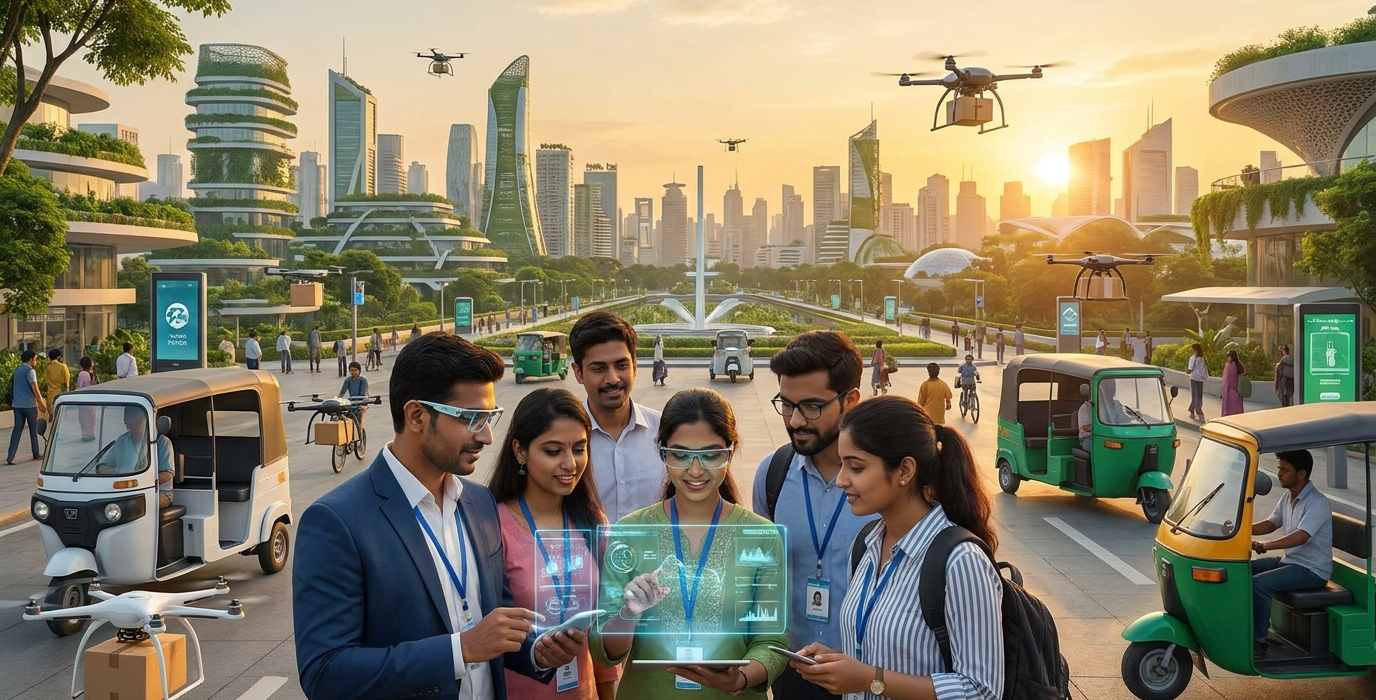
- India is cementing its position as an AI powerhouse, with significant advancements in sectors like healthcare, agriculture, and governance.
- New AI-driven diagnostic tools are proving crucial in tackling India’s unique healthcare challenges, offering faster and more accurate disease detection.
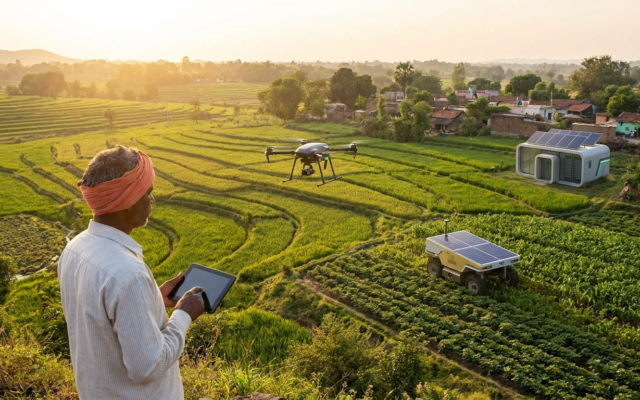
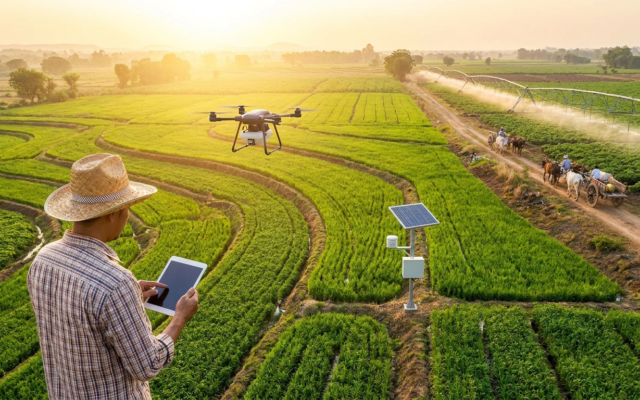
- Precision agriculture powered by AI is helping Indian farmers combat climate change and boost crop yields, ensuring food security.
- The integration of AI in public services is streamlining processes, from traffic management in bustling metros to citizen grievance redressal.
The Dawn of AI-Powered Diagnostics in India
The year 2026 marks a significant leap forward for India’s healthcare sector, largely thanks to the burgeoning power of Artificial Intelligence. We’re witnessing AI move beyond theoretical applications into tangible solutions that address real-world medical needs across the nation. This isn’t just about futuristic tech; it’s about saving lives and improving the quality of care, especially in regions with limited access to specialist doctors.
One of the most impactful areas is medical imaging analysis. AI algorithms are now capable of detecting anomalies in X-rays, CT scans, and MRIs with remarkable speed and accuracy, often surpassing human capabilities in identifying subtle signs of disease. This is particularly vital for conditions like tuberculosis and various cancers, where early detection is paramount. Imagine a scenario in a remote village in Odisha, where a local health worker can use a portable device powered by AI to get an initial assessment of a chest X-ray, flagging potential issues for further investigation. This dramatically reduces the need for patients to travel long distances to specialized centers, saving precious time and resources.
Furthermore, AI is revolutionizing drug discovery and personalized medicine. By analyzing vast datasets of genetic information, patient histories, and molecular structures, AI can accelerate the identification of potential drug candidates and predict how individuals might respond to specific treatments. This means more effective therapies tailored to the unique biological makeup of Indian patients, addressing prevalent diseases like diabetes and cardiovascular conditions with greater precision. The potential for AI to create customized treatment plans, considering individual responses and environmental factors, is immense and is rapidly becoming a reality.
We’re also seeing AI play a crucial role in predictive health analytics. By monitoring public health data, environmental factors, and even social media trends, AI can forecast disease outbreaks with unprecedented accuracy. This allows public health officials to proactively deploy resources, implement preventative measures, and contain epidemics before they spread widely. Think of early warnings for dengue outbreaks during monsoon seasons in cities like Chennai, enabling swift vector control measures. This proactive approach is transforming public health from a reactive system to a predictive and preventative one, a monumental shift for a country of India’s size and diversity.
AI as the Farmer’s New Best Friend: Revolutionizing Agriculture
Indian agriculture, the backbone of our economy and culture, is undergoing a profound transformation, with AI emerging as a critical ally for millions of farmers. The challenges are immense: erratic monsoons, soil degradation, pest infestations, and a growing need to feed a burgeoning population sustainably. In 2026, we are seeing AI-driven solutions move from pilot projects to widespread adoption, offering hope and tangible benefits to the agricultural community, from the fertile plains of Punjab to the arid regions of Rajasthan.
Precision farming is perhaps the most significant AI application. Through sophisticated sensors, satellite imagery, and drone technology, AI systems can analyze data on soil moisture, nutrient levels, weather patterns, and crop health in real-time. This allows farmers to make highly informed decisions about irrigation, fertilization, and pest control, applying resources only where and when they are needed. This not only optimizes yields but also significantly reduces water wastage and the overuse of chemical inputs, leading to more sustainable farming practices. For instance, a farmer in Maharashtra can receive precise recommendations on how much water and fertilizer to apply to specific sections of their sugarcane fields, maximizing output while minimizing environmental impact.
Another game-changer is AI-powered pest and disease detection. Early identification of crop diseases and pest infestations can mean the difference between a bountiful harvest and a devastating loss. AI algorithms can analyze images of plant leaves and stems to detect early signs of blight, mildew, or insect damage, often before they are visible to the human eye. This allows for targeted interventions, preventing the spread of the problem and minimizing the need for broad-spectrum pesticides. Imagine a farmer in Kerala using their smartphone to take a picture of a wilting pepper plant, and an AI app instantly identifying the specific fungal infection and recommending organic treatment options.
AI is also being used to predict crop yields and market prices. By analyzing historical data, weather forecasts, and current market trends, AI models can provide farmers with valuable insights into potential harvest sizes and expected price fluctuations. This empowers them to make better decisions about when to sell their produce, negotiate fairer prices, and plan for future cultivation. This can help mitigate the volatility that often plagues agricultural markets and ensure a more stable income for farming families.
Transforming Urban Mobility: AI Tackles India’s Traffic Woes
India’s cities are synonymous with vibrant energy, but also with notorious traffic congestion. As our urban centers continue to grow, the challenge of managing traffic flow and ensuring efficient public transportation becomes increasingly critical. In 2026, Artificial Intelligence is stepping up to the plate, offering innovative solutions that promise to make our commutes smoother, safer, and more sustainable, from the sprawling metropolis of Delhi to the tech-savvy streets of Bengaluru.
Intelligent traffic management systems are at the forefront of this AI-driven revolution. These systems use AI to analyze real-time traffic data from sensors, cameras, and even GPS devices in vehicles. By understanding traffic patterns, predicting congestion points, and dynamically adjusting traffic light timings, AI can significantly improve traffic flow and reduce travel times. We’re seeing cities implement adaptive traffic signals that respond to the actual volume of vehicles, rather than following fixed schedules. This can make a dramatic difference during peak hours, preventing gridlock from forming.
Beyond traffic lights, AI is enhancing public transportation efficiency. AI algorithms can optimize bus routes and schedules based on passenger demand, traffic conditions, and real-time vehicle locations. This ensures that buses run more frequently and reliably, reducing wait times and making public transport a more attractive option. For instance, a city’s transit authority can use AI to predict demand for a particular bus route during a major festival in Kolkata, deploying additional services to accommodate the surge and prevent overcrowding.
Furthermore, AI is contributing to improved road safety. AI-powered cameras can detect traffic violations, such as speeding, running red lights, and illegal parking, with greater accuracy and consistency than manual enforcement. These systems can also monitor pedestrian behavior and alert authorities to potential hazards. In addition, AI is being used to predict accident-prone areas by analyzing historical accident data and environmental factors, allowing for targeted safety improvements.
A surprising application we’re seeing is AI-driven parking management. Systems are being developed to guide drivers to available parking spots, reducing the time spent circling for parking, which contributes significantly to urban congestion and pollution. This is particularly useful in densely populated areas where parking is a constant challenge.
AI in Governance: Streamlining Services and Empowering Citizens
The application of Artificial Intelligence in governance is rapidly evolving in India, promising to make public services more efficient, transparent, and accessible to all citizens. In 2026, we are witnessing a significant shift towards AI-powered government services, aiming to improve citizen engagement and streamline administrative processes. This isn’t about replacing human interaction entirely, but about augmenting capabilities to serve a nation of over a billion people more effectively.
One of the most impactful areas is citizen grievance redressal. AI-powered chatbots and virtual assistants are being deployed to handle routine inquiries and guide citizens through application processes for various government schemes and permits. These systems can provide instant responses 24/7, freeing up human staff to address more complex issues. Imagine a citizen in a small town in Bihar needing information about a housing subsidy; an AI chatbot can provide accurate details and guide them through the application, all through a simple mobile interface, even in local languages.
AI is also playing a crucial role in optimizing resource allocation and urban planning. By analyzing vast datasets related to demographics, infrastructure, and service delivery, AI can help government bodies make more informed decisions about where to invest resources, plan new developments, and improve existing services. This can lead to more efficient delivery of essential services like water, sanitation, and electricity. For example, AI can help predict future demand for electricity in a growing city like Hyderabad, allowing for proactive infrastructure upgrades.
A particularly surprising and impactful use is in combating financial fraud and ensuring tax compliance. AI algorithms can analyze financial transactions to detect anomalies and patterns indicative of fraud or tax evasion, helping government agencies recover lost revenue and ensure a fairer system. This technology can process a volume of data far beyond human capacity, identifying suspicious activities with remarkable speed.
Furthermore, AI is being used to enhance transparency and accountability. By analyzing public records and identifying potential discrepancies or inefficiencies, AI can help expose corruption and improve the overall governance framework. This move towards data-driven governance empowers citizens with information and fosters greater trust in public institutions.
AI and Education: Personalizing Learning for a Brighter Future
The educational landscape in India is on the cusp of a significant AI-driven renaissance, promising to tailor learning experiences to individual student needs and unlock their full potential. In 2026, we are seeing AI move beyond the confines of elite institutions and start impacting classrooms across diverse regions, from the bustling schools of Mumbai to the more remote learning centers in the Northeast. The goal is clear: to make education more accessible, effective, and engaging for every Indian child.
Personalized learning platforms are at the heart of this AI revolution. These platforms use AI to assess a student’s strengths, weaknesses, and learning pace. Based on this analysis, they can deliver customized content, exercises, and feedback, ensuring that each student receives the support they need to succeed. If a student struggles with a particular mathematical concept, the AI can provide additional explanations, practice problems, and even recommend alternative learning resources tailored to their style.
AI is also empowering teachers with better tools and insights. Instead of spending countless hours on grading and administrative tasks, teachers can leverage AI to automate these processes. This frees up their valuable time to focus on more impactful activities like one-on-one student interaction, curriculum development, and addressing individual learning challenges. AI can also provide teachers with detailed analytics on student performance, highlighting areas where the class as a whole might be struggling, allowing for timely intervention.
We’re also seeing the rise of AI-powered educational content creation. AI tools can assist in generating engaging learning materials, interactive quizzes, and even virtual simulations that bring complex subjects to life. This can significantly enrich the learning experience, making abstract concepts more concrete and understandable. Imagine students in a science class in Pune using an AI-generated virtual lab to conduct experiments that would be too dangerous or expensive to perform in a real-world setting.
A surprisingly effective application is in identifying at-risk students early on. By analyzing student engagement patterns, performance data, and even attendance records, AI can flag students who might be struggling or at risk of dropping out. This allows educators and counselors to intervene proactively, offering the necessary support and guidance to keep them on track. This early identification system is a crucial step towards ensuring that no child is left behind.
The Future is Now: AI’s Evolving Role in India’s Economic Growth
The integration of Artificial Intelligence across various sectors is no longer a distant dream; it’s a present reality that is significantly shaping India’s economic trajectory in 2026. From boosting productivity in manufacturing to driving innovation in the service sector, AI is proving to be a potent catalyst for growth and competitiveness on the global stage. We are witnessing a deliberate and strategic adoption of AI technologies to enhance efficiency, create new markets, and improve the overall business environment.
In the manufacturing sector, AI is revolutionizing everything from supply chain management to quality control. Predictive maintenance, powered by AI, allows factories to anticipate equipment failures before they occur, minimizing downtime and costly repairs. We’re seeing smart factories in states like Gujarat deploying AI-driven robots for assembly lines, increasing precision and speed while ensuring worker safety. This leads to higher output and more consistent product quality, making Indian manufactured goods more competitive globally.
The financial services industry is another major beneficiary of AI. AI algorithms are being used for fraud detection, risk assessment, credit scoring, and personalized customer service. For instance, Indian banks are leveraging AI to process loan applications faster and more accurately, and to offer tailored financial advice to customers. The ability of AI to analyze vast amounts of transactional data quickly and identify suspicious patterns is invaluable in combating financial crime.
Beyond established sectors, AI is fostering the growth of new industries and job roles. The demand for AI specialists, data scientists, machine learning engineers, and AI ethics officers is soaring. This presents a significant opportunity for India to harness its young, tech-savvy population to become a global leader in AI innovation and development. The growth of AI startups across cities like Bengaluru, Hyderabad, and Chennai is a testament to this burgeoning ecosystem.
A surprisingly impactful area is AI in customer service and personalization. Businesses are using AI-powered chatbots and recommendation engines to provide more tailored and efficient customer experiences. This not only enhances customer satisfaction but also drives sales and loyalty. Imagine an e-commerce platform in Delhi using AI to predict your shopping preferences and offer personalized product recommendations, making your online shopping experience seamless and enjoyable. The continued investment in AI infrastructure and talent development positions India for sustained economic advancement in the years to come.
Frequently Asked Questions
What are the most significant AI advancements in India in 2026?
Key advancements include AI-powered medical diagnostics, precision agriculture tools, intelligent traffic management systems, streamlined AI-assisted governance services, personalized educational platforms, and AI’s role in boosting manufacturing and financial services efficiency.
How is AI impacting the daily lives of ordinary Indians?
AI is improving healthcare access through faster diagnoses, helping farmers increase yields, making urban commutes smoother, simplifying access to government services, and personalizing education. We are also seeing its impact in enhanced online shopping experiences and more efficient financial services.
What are the challenges for AI adoption in India?
Challenges include ensuring data privacy and security, addressing the digital divide to ensure equitable access, developing robust ethical guidelines for AI deployment, and upskilling the workforce to meet the demands of an AI-driven economy. Building trust in AI systems among the general population is also crucial.
What is the government’s role in promoting AI in India?
The Indian government is actively promoting AI through initiatives like the National AI Strategy, investing in research and development, fostering AI startups, developing digital infrastructure, and creating policies to encourage responsible AI deployment across various sectors. They aim to position India as a global AI hub.