Key Takeaways
- West Bengal is unveiling new monsoon trekking routes in 2026, offering unique adventures away from the usual tourist crowds.
- These trails, particularly in the Darjeeling and Kalimpong hills, showcase lush greenery, cascading waterfalls, and vibrant local culture.
- Emphasis is placed on sustainable tourism practices, ensuring minimal environmental impact and maximum benefit to local communities.
- Expect to encounter less-trodden paths, encounter rare flora and fauna, and experience the raw beauty of Bengal’s monsoon season.
The Unveiling of Bengal’s Emerald Trails
As the monsoon clouds gather over West Bengal in 2026, a new chapter in adventure tourism is being written. Forget the well-worn paths; this year, the state is proudly showcasing a series of newly charted monsoon trekking routes. These aren’t just trails; they are invitations to immerse yourself in a landscape transformed by the rains into an ethereal emerald paradise.
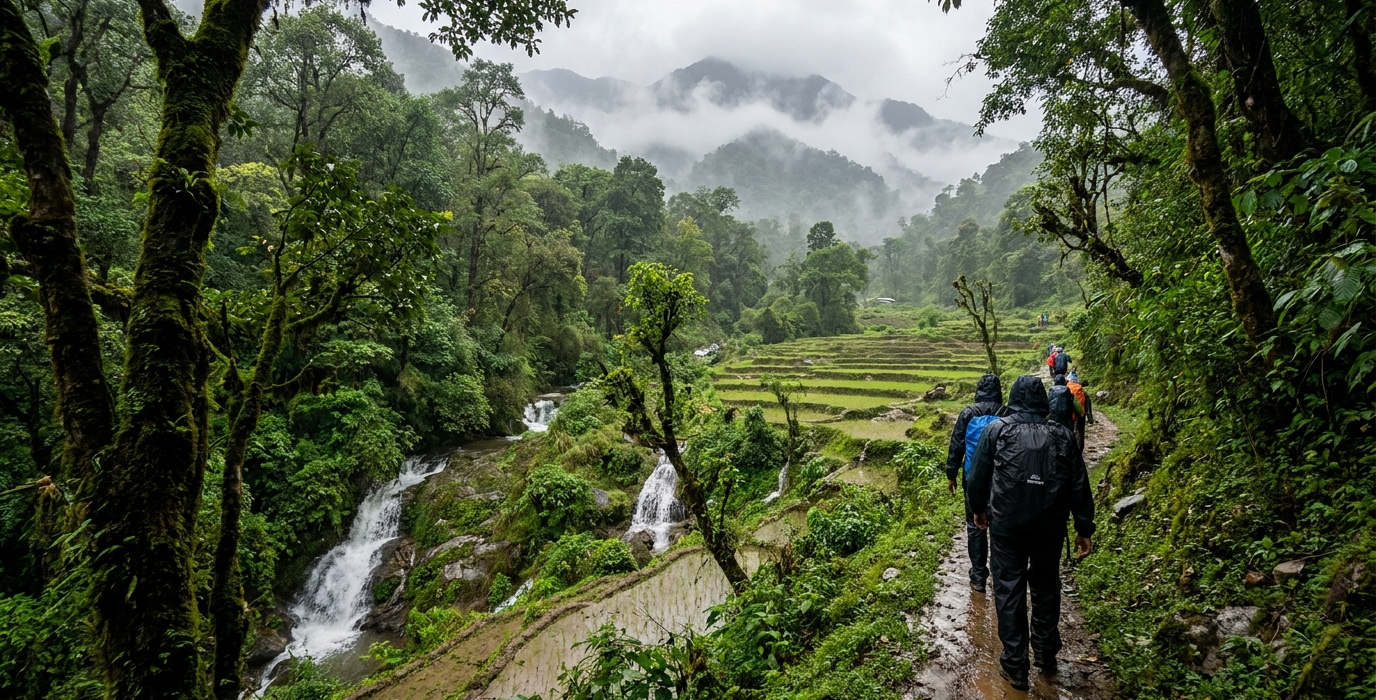
Imagine mist-shrouded peaks, the thunderous roar of newly formed waterfalls, and the intoxicating scent of wet earth. This initiative aims to draw travellers to the lesser-known corners of the Darjeeling and Kalimpong hills, areas that often lie in the shadow of more popular destinations. The focus is on providing an authentic, off-the-beaten-path experience that celebrates the raw, untamed beauty of the region during its most dramatic season.
These new routes have been meticulously scouted and mapped by local experts and tourism boards. They promise not only breathtaking scenery but also meaningful engagement with local communities. This means opportunities to stay in homestays, savour authentic regional cuisine, and learn about the unique cultural heritage of these hill communities firsthand. The emphasis is on responsible travel, ensuring that your adventure contributes positively to the local economy and environment.
You’ll find these trails winding through dense rhododendron forests, alongside gurgling streams that swell into powerful rivers, and offering panoramic views of valleys carpeted in a thousand shades of green. The timing for their unveiling couldn’t be better; as global travel patterns shift towards more sustainable and experiential journeys, West Bengal is positioning itself as a leader in this new wave of tourism. Prepare to be captivated by the magic that only Bengal’s monsoon can conjure.
Whispers from the Hills: Darjeeling’s Secret Sanctuaries
The iconic Darjeeling hills, renowned for their tea gardens and breathtaking vistas, are set to reveal some of their best-kept secrets in 2026. Beyond the bustling town and famous viewpoints, a network of new monsoon treks is opening up, promising an intimate encounter with the landscape. These routes are designed for those who seek solitude and a deeper connection with nature’s grandeur.
One such trail, christened the ‘Singalila Ridge Monsoon Trail’, offers a more challenging yet immensely rewarding experience. It follows a less-travelled section of the famous Singalila Ridge, providing unparalleled views of Kanchenjunga when the clouds permit. You’ll trek through ancient forests alive with the sounds of unseen birds and rustling leaves, with the crisp mountain air invigorating your senses. The trail culminates at a remote village, where you can experience the unique hospitality of the Rai community.
Another exciting addition is the ‘Makaibari Valley Serenity Trek’. This route takes you through the picturesque Makaibari tea estate, but ventures beyond the manicured tea bushes into the surrounding natural forests. Here, the monsoon transforms the landscape into a vibrant tapestry of life. Expect to see exotic orchids blooming and perhaps catch a glimpse of elusive wildlife. The path is dotted with small streams and hidden waterfalls, offering perfect spots for rest and reflection.
These new Darjeeling treks are not just about the physical journey; they are about the emotional and spiritual rejuvenation that comes from being immersed in such pristine natural beauty. The state tourism department has worked closely with local guides to ensure these routes are safe and accessible, while also respecting the fragile ecosystem. For seasoned trekkers and even enthusiastic beginners, these Darjeeling sanctuaries represent a chance to experience the hills as few have before, especially under the dramatic skies of the monsoon.
Kalimpong’s Cascading Wonders: Waterfalls and Valleys
Kalimpong, often overshadowed by its more famous neighbour Darjeeling, is stepping into the spotlight in 2026 with its own set of spectacular monsoon trekking routes. This region is blessed with a dramatic topography, and the monsoon amplifies its beauty, creating a spectacle of cascading waterfalls and verdant valleys that few tourists get to witness.
The ‘Relli Valley Waterfall Circuit’ is a highlight, guiding trekkers to a series of lesser-known but magnificent waterfalls that come alive during the rains. The main trail meanders through dense forests, past cardamom plantations, and offers increasingly dramatic views of water plunging from cliff faces. You’ll hear the roar of the falls long before you see them, a testament to the sheer volume of water that the monsoon brings. The air is thick with mist, creating a mystical atmosphere that is both invigorating and awe-inspiring.
Another newly opened route, the ‘Lava-Charkhol Nature Trail’, connects the popular tourist spot of Lava with the more secluded village of Charkhol. This trek is a celebration of biodiversity. As you walk, you’ll be surrounded by an explosion of green, with ferns unfurling and mosses clinging to ancient trees. The path is often damp and muddy, requiring sturdy footwear, but the reward is a truly immersive experience in the heart of the Eastern Himalayas. You might even spot rare species of birds that are most active during this season.
These Kalimpong routes are designed to offer a different perspective on the monsoon, one that embraces its power and beauty rather than shying away from it. The emphasis is on sustainable tourism, ensuring that the pristine environment remains protected. Local guides are integral to the experience, sharing their knowledge of the flora, fauna, and the local culture, making each trek a learning adventure. Prepare to be mesmerized by the raw, untamed beauty of Kalimpong’s monsoon-fed landscapes.
Sustainable Sojourns: Eco-Friendly Trekking in 2026
West Bengal’s commitment to responsible tourism is at the forefront of its 2026 trekking initiatives. The new routes are not just about adventure; they are about ensuring that this adventure leaves a positive footprint. The guiding principle is sustainability, aiming to protect the fragile Himalayan ecosystems and empower local communities.
Travellers embarking on these new trails will find that eco-friendly practices are not optional but integral to the experience. This includes strict waste management protocols, encouraging the use of reusable water bottles, and minimizing plastic usage. You’ll be encouraged to stick to marked trails to prevent soil erosion and protect delicate flora. Accommodation options will often feature homestays, providing a direct economic benefit to local families and offering a more authentic cultural exchange.
The selection of these new routes has also been guided by ecological sensitivity. Areas with particularly vulnerable flora and fauna have been avoided or given special protection status. Guides are trained in environmental conservation, acting as stewards of the land and educating trekkers on the importance of preserving these natural wonders. This ensures that the beauty you witness today will be preserved for generations to come.
A surprising aspect of this sustainable push is the focus on “zero impact” trekking. This involves a holistic approach, from the food you eat (often locally sourced, seasonal produce) to the energy sources used in accommodations. It’s about creating a symbiotic relationship between tourism and the environment. By choosing these new, sustainable treks, you are not just exploring West Bengal; you are actively participating in its preservation. This mindful approach transforms a simple trek into a meaningful journey of connection and conservation.
Beyond the Trails: Cultural Immersion and Local Flavours
While the emerald landscapes and roaring waterfalls are undoubtedly the main draw for the new 2026 monsoon treks in West Bengal, the experience extends far beyond the trails. A significant emphasis has been placed on deep cultural immersion and the exploration of local flavours, offering a holistic adventure that nourishes both the body and soul.
You’ll find that many of these new routes wind through small, remote villages that have largely remained untouched by mass tourism. Here, the opportunity to stay in traditional homestays is paramount. Imagine waking up to the aroma of freshly brewed tea, sharing meals with local families, and listening to their stories. This direct interaction provides invaluable insights into the daily lives, customs, and traditions of the indigenous communities, such as the Lepchas and the Bhutias, whose heritage is deeply intertwined with these hills.
The culinary aspect of these treks is equally enticing. Forget generic tourist menus; you’ll be treated to authentic regional delicacies prepared with fresh, locally sourced ingredients. Think steaming bowls of Thukpa, flavourful Momos, hearty Gundruk, and a variety of seasonal vegetables unique to the Himalayan foothills. These meals are not just sustenance; they are a celebration of the land and its bounty, prepared with age-old recipes passed down through generations. A surprising fact is that many local dishes utilize fermented vegetables, which are not only delicious but also packed with probiotics, contributing to a healthy digestive system – a welcome benefit for any trekker!
These cultural and culinary experiences are meticulously woven into the trekking itineraries. They are designed to be organic and enriching, allowing you to connect with the heart and soul of West Bengal. This approach ensures that your journey is not just about conquering a trail, but about understanding and appreciating the people and heritage that make these regions so special. It’s an invitation to see Bengal not just through its stunning vistas, but through the eyes and hearts of its resilient inhabitants.
Planning Your 2026 Monsoon Trek: What You Need to Know
As you gear up for the exciting new monsoon treks in West Bengal for 2026, a little preparation goes a long way. Understanding the specifics of trekking during this season will ensure a safer and more enjoyable experience. The weather can be unpredictable, but with the right approach, you can embrace its dramatic beauty.
Best Time to Trek: While the monsoon officially runs from June to September, the shoulder months of July and August often offer the most dramatic scenery with waterfalls at their peak. However, be prepared for rain on any given day. Early September can offer clearer skies after the heaviest rains have subsided.
Fitness and Gear: These new trails can range from moderate to challenging. A good level of cardiovascular fitness is recommended. Essential gear includes waterproof and windproof jackets, quick-drying trousers, sturdy waterproof hiking boots with good grip, a reliable backpack, and trekking poles. Don’t forget insect repellent, sunscreen, and a basic first-aid kit. A dry bag for your electronics and valuables is a must.
Booking and Guides: It is highly recommended to book these treks through registered tour operators or local trekking agencies. They will provide experienced, local guides who know the terrain, weather patterns, and safety protocols intimately. Many also offer packages that include accommodation, meals, and porter services, simplifying your planning significantly. Booking in advance, especially for popular dates, is advisable.
Permits and Regulations: Depending on the specific route and its proximity to protected areas, certain permits might be required. Your chosen tour operator will handle these logistics. Be mindful of local customs and traditions in the villages you visit. Respect for the environment and local communities is paramount. Remember, these new treks are about experiencing nature responsibly and engaging authentically with the culture.
“The monsoon in West Bengal isn’t just rain; it’s a transformation. It breathes life into the land, creating a spectacle of raw, untamed beauty that calls to the adventurous spirit within us.”
Frequently Asked Questions
What makes the 2026 monsoon treks in West Bengal unique?
These treks are unique because they explore newly charted, less-travelled routes that showcase the dramatic beauty of West Bengal’s hills during the monsoon season. They focus on sustainable tourism, offering deep cultural immersion and authentic local experiences away from the usual tourist crowds.
Is it safe to trek in West Bengal during the monsoon?
With proper preparation and by hiring experienced local guides, trekking during the monsoon can be very safe and rewarding. The new routes are scouted and managed with safety in mind. However, it’s crucial to be aware of weather conditions, carry appropriate gear, and follow your guide’s instructions diligently.
What kind of accommodation can I expect on these new trails?
Accommodation primarily consists of eco-lodges and local homestays. This approach not only provides a comfortable and authentic experience but also directly supports the local communities. Expect basic but clean facilities, offering a true taste of rural life.
Are these treks suitable for beginners?
While some routes are challenging, many of the newly introduced trails are designed to be accessible to beginners with a moderate fitness level. The focus on guided tours means beginners will have ample support. It’s always best to check the specific difficulty level of the chosen trek and consult with the tour operator.
What is the most surprising cultural element I might encounter?
Beyond the stunning landscapes, you might be surprised by the richness of fermented foods that are a staple in the local cuisine. Dishes like Gundruk and Sinki, made from fermented leafy greens, are not only a culinary delight but also a testament to the ingenuity of the local communities in preserving food and deriving health benefits, especially during lean seasons.