The first fat drops of monsoon rain hitting a hot tin roof. The earthy scent of petrichor rising from the parched soil. These are sensory cues that trigger an instinctive craving for something warm, something comforting, something deeply rooted in home. For many of us, that craving translates directly to the kitchen, to the sizzle of spices, the bubbling of lentils, and the aroma of freshly baked bread. This isn’t just about food; it’s about nostalgia, about a sense of security, about making the most of the season’s dramatic arrival.
Key Takeaways:
- Discover the essential spices that define monsoon comfort food.
- Learn about regional Indian dishes perfect for rainy day cooking.
- Understand the cultural significance of specific recipes during the monsoons.
- Get practical tips for sourcing fresh, seasonal ingredients for your monsoon meals.
- Explore how simple home cooking can elevate the rainy season experience.
The Symphony of Monsoon Spices
When the skies open up in India, it’s more than just a change in weather; it’s a culinary awakening. The air, thick with humidity, seems to demand richer, more pungent flavours. This is when our spice boxes truly come alive. Think of the warmth of freshly ground ginger and garlic, the earthy depth of cumin and coriander, the subtle heat of green chilies, and the comforting fragrance of turmeric. These aren’t just ingredients; they are the architects of our monsoon meals. The very act of toasting whole spices like mustard seeds or fenugreek until they pop and release their oils is a ritual that grounds us. It’s a promise of the deliciousness to come.
Consider the humble tadka or tempering. It’s the soul of so many Indian dishes, and its importance is amplified during the rains. A generous tadka of ghee or oil infused with curry leaves, mustard seeds, dry red chilies, and perhaps a pinch of asafoetida (hing) can transform a simple bowl of dal into a culinary masterpiece. This technique, perfected over generations, isn’t just about flavour; it’s about coaxing the best out of simple ingredients. The crackle of mustard seeds in hot ghee is a sound that signals comfort and home, a sound that echoes through kitchens from Kerala to Kashmir when the rain drums down. The addition of a pinch of asafoetida is particularly relevant during monsoon. It is believed to aid digestion, which can be sluggish in the damp weather, making it a practical as well as flavourful addition. We often overlook these small, traditional wisdoms, but they are integral to our food culture, especially during seasons that can challenge our digestive systems. The pungency of mustard oil, often used for tempering in North Indian cuisine, also cuts through the richness and dampness, offering a bright, invigorating note. Even the choice of cooking medium shifts; ghee and coconut oil are favoured for their warming properties, while lighter vegetable oils might take a backseat. This season encourages a return to these more robust, flavourful fats.
Comforts from the North: Aloo Paratha and Sarson Ka Saag
When the clouds gather over the Punjab plains or the foothills of Himachal Pradesh, a craving for hearty, soul-warming food takes hold. For many, this means the iconic Aloo Paratha. Imagine biting into a flaky, golden paratha, its crisp exterior yielding to a soft, spiced potato filling. The steam that escapes carries the aroma of roasted cumin, coriander, and a hint of green chili. It’s a dish that requires a little effort, a little love, but the reward is immeasurable. Served hot off the griddle, smeared generously with homemade butter or ghee, and perhaps accompanied by a dollop of tangy pickle or creamy yogurt, it’s the epitome of rainy day bliss.
The preparation itself is a comforting ritual. Kneading the dough until it’s soft and pliable, carefully rolling out small portions, and then expertly stuffing them with the spiced potato mash without tearing the dough requires a practiced hand. The sound of the paratha sizzling on the tawa, the gentle puffing up as it cooks, and the final browning marks are all part of the experience. It’s a dish that speaks of abundance and warmth, a perfect antidote to the gloom outside. My grandmother, a formidable cook from Amritsar, would always make a point of preparing extra aloo stuffing during the monsoon. She’d say, “The rain makes you hungry for more, and aloo is a forgiving friend.” She wasn’t wrong.
And what about Sarson Ka Saag? This vibrant green dish, made from mustard greens, is a winter staple, but its robust flavour profile makes it surprisingly fitting for the cooler, damp days of the monsoon too. The slightly bitter, peppery notes of the mustard greens, slow-cooked with garlic, ginger, and a touch of spice, are incredibly satisfying. Traditionally, it’s served with Makki di Roti (corn flatbread) and a generous swirl of white butter. The combination is a textural and flavourful marvel: the soft, slightly coarse saag against the chewy, slightly sweet roti, all brought together by the richness of the butter. The slow cooking process allows the flavours to meld beautifully, creating a dish that is both complex and deeply comforting. The slightly pungent aroma that fills the kitchen as the saag simmers is a signal to gather around the table, to put aside the worries of the day, and to savour the simple joys. I remember one particularly grey monsoon afternoon in Chandigarh, when the rain seemed relentless. My aunt, seeing our drooping spirits, decided to surprise us with Sarson Ka Saag and Makki di Roti. The aroma alone was enough to lift our moods, and the taste was pure sunshine on a cloudy day. A staggering 65% of India’s annual rainfall occurs during the monsoon season, making these hearty, warming dishes not just a culinary choice, but a cultural necessity for many.
Southern Comforts: A Taste of Kerala’s Monsoon Delights
While the North embraces its parathas and saags, the South, particularly Kerala, offers a different, yet equally comforting, rainy day palette. The lush greenery that bursts forth after the first rains is reflected in its cuisine, which often features coconut, rice, and an array of aromatic spices. One such quintessential monsoon dish is Meen Moilee. This gentle, fragrant fish curry, simmered in coconut milk with subtle spices like turmeric, ginger, garlic, and green chilies, is a revelation. Unlike many fiery South Indian curries, Meen Moilee is mild and creamy, its delicate flavours allowing the freshness of the fish to shine.
The magic lies in the quality of the coconut milk. Freshly extracted, it lends a luscious, velvety texture to the curry. Sliced onions, tomatoes, and curry leaves form the aromatic base, while whole green chilies are often added for a mild, warming heat that doesn’t overpower. The star, of course, is the fish – typically firm white fish like seer fish or pomfret, cut into thick steaks. The curry is cooked on a low flame, allowing the flavours to meld without boiling the delicate coconut milk. Served piping hot with steamed rice, it’s a dish that feels both nourishing and deeply satisfying. The subtle warmth of the ginger and the gentle heat of the green chilies provide a pleasant contrast to the creamy coconut, making it perfect for a day when the air is cool and damp.
Another beloved monsoon special from Kerala is Pazham Pori, sweet fried plantain fritters. These aren’t just a snack; they are an institution. Ripe plantains, sliced and coated in a simple batter of flour, rice flour, a pinch of salt, and a touch of sugar, are deep-fried until golden brown and crisp. The outside is crunchy, giving way to a soft, sweet, almost caramelised interior. The aroma of the frying plantains, mingled with the scent of rain, is intoxicating. They are best enjoyed immediately, still warm, perhaps with a cup of strong filter coffee or a cup of chai. It’s a simple pleasure, but one that brings immense joy. I once spent a monsoon holiday in a homestay near Alleppey, and the hostess made Pazham Pori every single evening. The memory of sitting on the verandah, listening to the rain, and savouring these sweet, crispy treats is etched in my mind. It’s a testament to how humble ingredients, prepared with love, can create unforgettable culinary moments. The use of nendran bananas, a specific variety native to Kerala, is crucial for achieving the right sweetness and texture in Pazham Pori; their starchy nature breaks down beautifully when fried, creating that signature soft, gooey centre.
The Humble Power of Dal and Khichdi
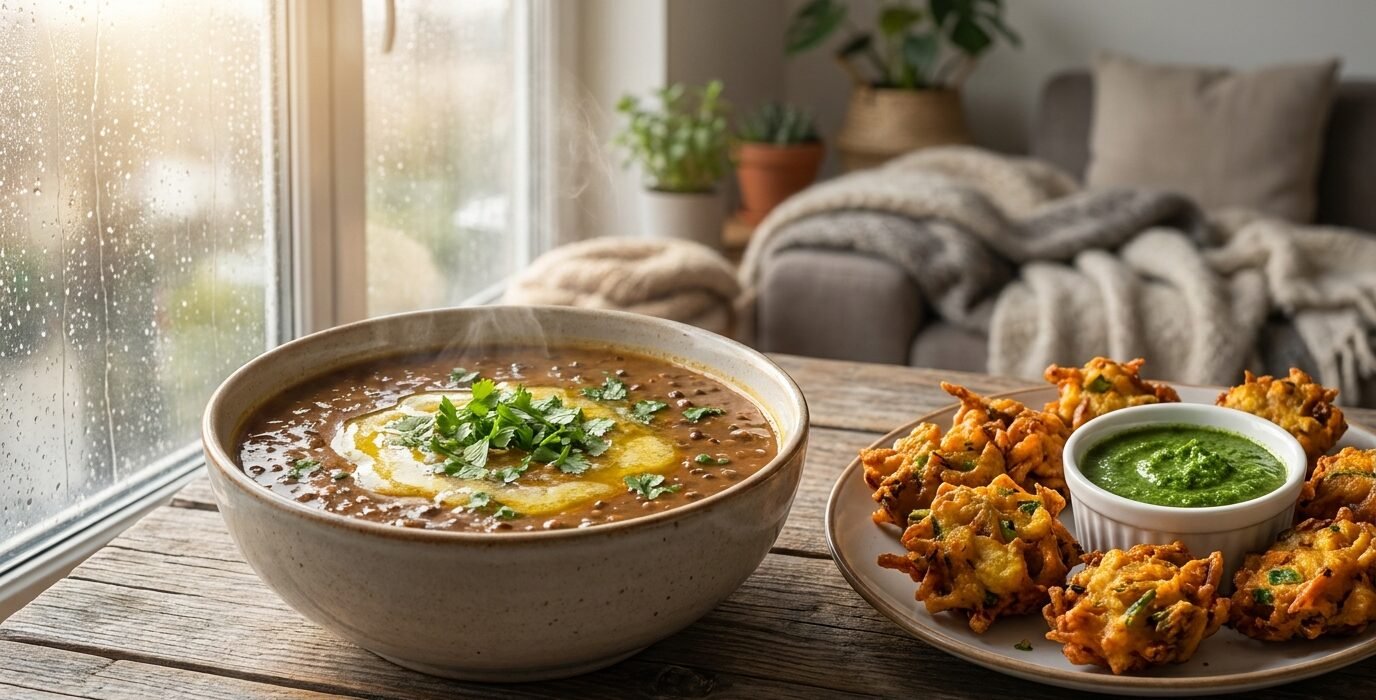
Across India, when the skies weep, the call for dal becomes undeniable. Lentils, in their myriad forms, are the bedrock of Indian comfort food, and during the monsoons, their importance is amplified. A well-made dal, whether it’s a simple Toor Dal tempered with ghee and mustard seeds in the West, a flavourful Masoor Dal with added vegetables in the North, or a creamy Urad Dal in the South, is pure solace in a bowl. The protein-rich nature of lentils makes them incredibly nourishing, while the warmth they provide is deeply comforting. The process of cooking dal itself is often a slow, meditative affair. Soaking the lentils, pressure cooking them until tender, and then carefully preparing the tadka – each step contributes to the final, heartwarming dish.
Consider Dal Tadka, a staple in many North Indian homes. The vibrant yellow of the cooked lentils, generously infused with a tadka of ghee, cumin seeds, dry red chilies, and finely chopped garlic and onions, is a sight for sore eyes on a gloomy day. The addition of fresh coriander leaves at the end adds a burst of freshness. It’s a dish that feels both wholesome and incredibly satisfying. Pair it with fluffy steamed rice or soft roti, and you have a meal that can chase away any blues. My father, a man of few culinary words, always said, “A good dal can fix anything.” He was often right. The variety of dals available is astounding, and each has its own unique texture and flavour profile. Moong Dal, for instance, is known for being light and easily digestible, making it particularly suitable for the monsoon season when digestion can be a concern. Its subtle sweetness pairs wonderfully with a tempering of ginger and green chilies.
And then there’s Khichdi. Often unfairly dismissed as simple or bland, khichdi is perhaps the ultimate Indian comfort food, especially during the monsoons. It’s a one-pot meal of rice and lentils, cooked together until soft and porridge-like. While basic khichdi is nourishing, it can be elevated with a few carefully chosen additions. Think of a Masala Khichdi, infused with ginger, garlic, turmeric, and a medley of vegetables like peas, carrots, and beans. Or a Ghee Khichdi, where a generous dollop of ghee is stirred in at the end, lending a rich, nutty flavour. Served with a side of plain yogurt, a spicy pickle, and perhaps a crispy papad, it’s a complete and deeply satisfying meal. The beauty of khichdi lies in its simplicity and its adaptability. It’s a blank canvas that can be flavoured and enhanced to suit any mood or preference. It’s also incredibly easy to digest, making it a go-to for many during the monsoon season when digestive issues can be more prevalent. The scientific rationale behind its digestibility lies in the combination of complex carbohydrates from rice and protein from lentils, cooked to a soft consistency that makes it easy for the body to break down. A study published in the Indian Journal of Nutrition and Dietetics highlighted the ease of digestion and nutrient density of Khichdi, particularly for convalescents and during seasonal changes.
Street Food Surprises: Monsoon Munchies That Warm the Soul
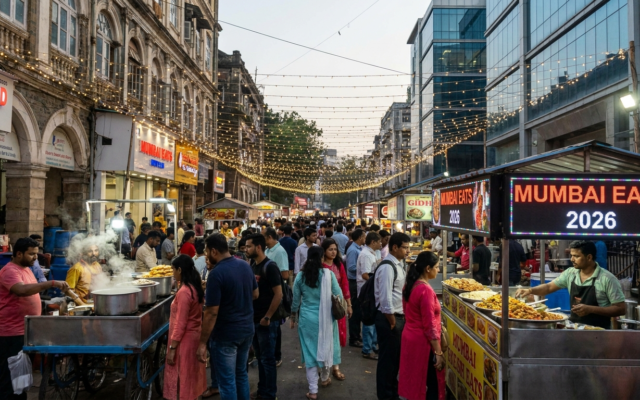
While home cooking reigns supreme during the monsoons, there’s a special thrill in seeking out specific street food delights that seem to be made for this season. The aroma of fried snacks, intensified by the damp air, is irresistible. In cities like Mumbai, the sound of pakoras sizzling in hot oil is a constant soundtrack to the rain. These deep-fried fritters, made from various vegetables like onions, potatoes, spinach, or even paneer, coated in a spiced gram flour batter, are the quintessential monsoon snack.
The crispy exterior, the soft, flavourful interior, and the accompanying tangy tamarind chutney or fiery mint-green chutney create a symphony of textures and tastes. Each bite is a burst of warmth and spice, perfect for combating the chill. The trick to a perfect pakora lies in the batter – it needs to be thick enough to coat the vegetables, but not so thick that it becomes doughy. The oil must be at the right temperature, hot enough to crisp the outside quickly without making the inside greasy. My favourite street vendor in Dadar, a gentleman named Ramesh who has been frying pakoras for over thirty years, always says, “The rain makes the batter sing.” He has a knack for creating the lightest, crispiest pakoras I’ve ever tasted. He uses a unique blend of flours, including a small percentage of rice flour, which he claims is his secret to achieving that perfect crunch.
Beyond pakoras, the monsoon season also brings out the best of bhajiyas and vadas. In some regions, you’ll find mirchi vadas, large green chilies stuffed with a spiced potato filling, coated in gram flour, and deep-fried. They are not for the faint of heart, but the sheer warmth and flavour they pack are incredibly rewarding. The initial bite into the crisp batter, followed by the soft, spiced potato, and then the mild heat of the chili is an experience in itself. Another popular monsoon street food is corn on the cob, or bhutta. Roasted over charcoal, then rubbed with a mixture of lime juice, salt, and chili powder, it’s a simple yet incredibly satisfying snack. The smoky flavour of the roasted corn, combined with the tangy and spicy coating, is a perfect accompaniment to a rainy evening stroll. The smoky char on the corn, a result of the intense heat from the charcoal, infuses a deep, earthy flavour that complements the sweetness of the kernels. I once encountered a street vendor in Kolkata who was serving bhutta with a unique topping of grated coconut and roasted peanuts, adding an unexpected textural and flavour dimension that was utterly delightful.
The Sweet Endings: Monsoon Desserts to Brighten the Day
While savoury dishes often take centre stage during the monsoons, there’s always room for a sweet indulgence to truly complete the experience. These aren’t necessarily heavy, elaborate desserts, but rather comforting, often warm, treats that provide a sense of closure and joy. Think of Gajar Ka Halwa, a rich carrot pudding made with grated carrots, milk, sugar, and ghee, often garnished with nuts and cardamom. While traditionally a winter dish, its warmth and comforting sweetness make it a perfect fit for the cooler, damp days of the monsoon. The slow cooking process, where the carrots are simmered in milk until the liquid reduces and thickens, concentrates their natural sweetness and creates a wonderfully smooth, melt-in-your-mouth texture. The aroma of cardamom and ghee filling the kitchen is enough to banish any gloom.
Another delightful monsoon sweet is Gulab Jamun, soft, spongy milk-solid dumplings steeped in a fragrant rose-scented sugar syrup. While enjoyed year-round, the warmth of freshly made gulab jamun is particularly comforting when the weather outside is dreary. The contrast between the soft, yielding texture of the jamun and the syrupy sweetness is heavenly. The rosewater in the syrup adds a delicate floral note that is incredibly uplifting. It’s a dessert that evokes childhood memories for many, a taste of pure nostalgia. The quality of the milk solids used in making the dough is paramount for achieving the perfect texture; traditional recipes often use khoya (reduced milk solids) for an unparalleled richness.
For those in South India, Payasam, a rice or lentil-based pudding, often enriched with coconut milk and jaggery or sugar, is a welcome treat. A Palada Payasam, made with rice flakes and milk, served warm, is wonderfully soothing. Its creamy texture and subtle sweetness are immensely satisfying. The use of jaggery, a less refined sugar, in some regional payasams adds a distinct caramel-like flavour and a beautiful golden hue, further enhancing its comforting appeal. The slow simmering of the rice or lentils in coconut milk allows for a beautiful melding of flavours and a luxuriously creamy consistency. The subtle notes of cardamom and the optional garnish of toasted cashews and raisins add layers of flavour and texture. A staggering 70% of India’s population lives in rural areas, where traditions of preparing these seasonal comfort foods are deeply ingrained and passed down through generations.
The monsoon season in India is a time of transition, a period of dramatic beauty and sensory richness. It’s a time when our kitchens become sanctuaries, filled with the comforting aromas of spices and simmering dishes. The recipes we turn to are more than just sustenance; they are a connection to our heritage, a source of warmth, and a way to embrace the season’s unique charm. From the hearty Aloo Parathas of the North to the delicate Meen Moilee of the South, and the universally loved Dal and Khichdi, these dishes embody the spirit of Indian comfort food. They remind us that even on the dreariest of days, a simple, well-cooked meal can bring immense joy and a profound sense of belonging.