Key Takeaways
- India is seeing a surge in sustainable tourism, offering unique eco-friendly getaways from the Himalayas to the Southern coasts.
- These destinations focus on conservation, community engagement, and minimising environmental impact.
- Expect authentic cultural experiences, opportunities for wildlife spotting, and a chance to reconnect with nature responsibly.
- Planning ahead is crucial for these often remote locations, ensuring your visit contributes positively to local economies and ecosystems.
The Himalayas: Verdant Valleys and Conscious Stays
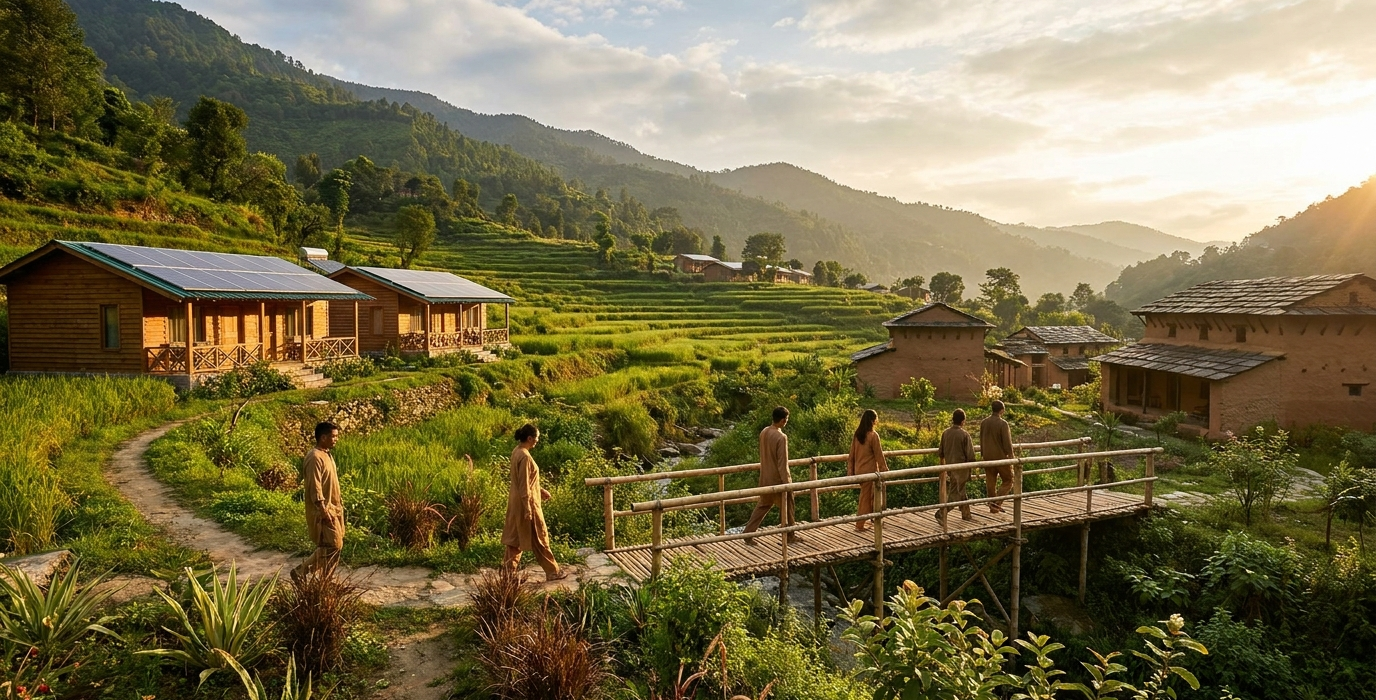
The majestic Himalayas are no longer just a destination for trekkers and spiritual seekers; they are rapidly becoming a hub for conscious travellers. Across states like Himachal Pradesh and Uttarakhand, a new wave of eco-lodges and homestays is redefining mountain tourism for 2026. These establishments are built with local materials, often employing traditional architectural techniques that blend seamlessly with the natural landscape.
We’re seeing a significant shift towards accommodations that generate their own solar power, harvest rainwater, and implement robust waste management systems, including composting. Many initiatives go beyond just sustainability; they actively involve local communities in their operations, providing employment and ensuring that tourism benefits reach the grassroots level. Imagine waking up to the crisp mountain air in a solar-powered cabin near Kasol, knowing your stay supports local artisans and organic farming practices.
The focus here is on immersion. You can participate in guided nature walks that educate you about local flora and fauna, learn traditional Himachali cooking from your hosts, or even contribute to reforestation projects. Some lodges near Manali even offer workshops on sustainable living, teaching guests about permaculture and natural building. This isn’t just a vacation; it’s an opportunity to learn and contribute. The pristine beauty of places like the Tirthan Valley is being preserved precisely because of this mindful approach, allowing us to experience its charm without leaving a heavy footprint.
Kerala’s Backwaters: Responsible Houseboats and Community Roots
Kerala, often dubbed “God’s Own Country,” is setting a benchmark for responsible tourism in its iconic backwaters. While traditional houseboat tourism has faced scrutiny for environmental impact, a new generation of operators is championing eco-friendly practices. These are not your average floating hotels; they are designed to minimise waste, utilise solar energy for lighting and ventilation, and have advanced sewage treatment systems to protect the delicate aquatic ecosystem.
We’re talking about houseboats that use biodegradable cleaning supplies and serve locally sourced, organic meals prepared by the boat’s crew, who are often from the very villages you’ll pass. This direct engagement with local communities ensures that your travel expenditure directly benefits the people who call these serene canals home. Exploring the palm-fringed canals of Alleppey or Kumarakom on such a vessel offers a profoundly authentic experience, far removed from mass tourism.
Beyond the houseboats, Kerala’s commitment extends to its coastal regions and spice plantations. Many resorts and homestays along the Malabar Coast are now certified eco-friendly, focusing on marine conservation and promoting responsible diving and snorkelling. You can visit sustainable spice farms near Thekkady, learning about organic cultivation methods and the medicinal properties of local herbs, often engaging in hands-on activities like harvesting. A surprising fact is that some of these eco-initiatives are driven by women’s self-help groups, who are transforming their villages into models of sustainable tourism, empowering local women in the process.
Rajasthan’s Desert: Sustainable Safari and Rural Immersion
Rajasthan, a land of majestic forts and vibrant deserts, is proving that sustainable tourism can thrive even in arid landscapes. Beyond the usual tourist trails of Jaipur and Udaipur, a growing number of eco-conscious initiatives are taking root in and around the Thar Desert. These focus on preserving the fragile desert ecosystem, supporting traditional crafts, and offering authentic rural experiences that benefit local communities.
Think of desert camps that run entirely on solar power, utilise water conservation techniques like traditional ‘taankas’ (underground cisterns), and source their food from nearby organic farms. These camps often partner with local Rajasthani communities, employing guides from the villages, showcasing traditional music and dance, and offering opportunities to learn about desert survival and nomadic lifestyles. A stay at a responsible desert camp near Jaisalmer can involve camel safaris with guides who are deeply knowledgeable about the desert’s ecology and history, ensuring a respectful encounter with wildlife like the Great Indian Bustard.
We’re seeing an increasing emphasis on responsible wildlife safaris, where guides are trained to maintain safe distances from animals and educate visitors about conservation efforts. Many rural homestays in villages like Bishnoi communities near Jodhpur offer a glimpse into a life deeply connected to nature, where ancient traditions of conservation are still practiced. These homestays are often run by families who have been stewards of the land for generations, offering insights into their sustainable farming methods and their profound respect for the desert flora and fauna. It’s a chance to experience the true spirit of Rajasthan, far from the bustling cities, contributing directly to the preservation of its unique cultural and natural heritage.
Goa’s Green Shores: Responsible Beach Stays and Conservation Efforts
Goa, synonymous with sun, sand, and sea, is undergoing a significant transformation towards sustainable tourism, especially in its less-developed northern and southern stretches. While the state grapples with the challenges of balancing tourism with environmental protection, a growing number of eco-friendly accommodations and initiatives are leading the way. These focus on preserving the coastline, protecting marine life, and fostering community-based tourism models.
You can now find charming eco-resorts nestled amidst cashew plantations or tucked away in quieter fishing villages. These places often prioritise solar energy, rainwater harvesting, and organic farming for their kitchens. They also work closely with local fishermen, promoting responsible fishing practices and offering guests opportunities to learn about traditional livelihoods. Imagine enjoying a delicious seafood meal at a beachfront hut in South Goa, knowing the fish was caught sustainably by a local fisherman that morning.
Conservation is a key theme. Several organisations are running turtle conservation projects along the Goan coast, and eco-tourism operators often integrate educational sessions about these efforts into their guest programmes. You might participate in a guided beach clean-up or learn about the importance of mangrove forests, which play a vital role in protecting the coastline from erosion. A truly unique experience you can find is staying at a community-run homestay in a village like Nerul, where you can learn traditional Goan cooking and engage with local artisans. This shift allows us to enjoy Goa’s beauty while actively contributing to its preservation.
The Andaman Islands: Marine Sanctuaries and Island Ecosystems
The Andaman and Nicobar Islands, a pristine archipelago in the Bay of Bengal, are a paradise for eco-tourists seeking untouched natural beauty and marine wonders. Recognizing the fragility of this unique ecosystem, the administration and local communities are increasingly focusing on sustainable tourism practices that protect its biodiversity.
Accommodations here range from eco-huts powered by solar energy to resorts that meticulously manage their waste and water consumption. The emphasis is on minimal environmental impact, ensuring that the stunning coral reefs and lush rainforests remain intact for future generations. We’re seeing a concerted effort to limit plastic usage and promote the use of sustainable materials throughout the islands.
Activities are designed around conservation. Snorkelling and diving tours are strictly regulated to prevent damage to the coral reefs, with guides educated on marine life protection. Many operators work with marine biologists to offer educational excursions, highlighting the importance of conserving species like the endangered dugong. A surprising fact is that the islands are home to the Jarawa and Sentinelese indigenous tribes, and responsible tourism strictly prohibits any interaction with them, underscoring a deep respect for cultural preservation and isolation. Exploring the islands responsibly means understanding these ecological and cultural boundaries. Visitors are encouraged to participate in beach clean-ups and learn about the local conservation initiatives, making their trip a truly meaningful experience.
Madhya Pradesh: Wildlife Sanctuaries and Responsible Safaris
Madhya Pradesh, often called the “Heart of India,” is a treasure trove of wildlife and natural landscapes, with a burgeoning eco-tourism sector focused on responsible wildlife experiences. The state boasts numerous national parks and tiger reserves, including Kanha, Bandhavgarh, and Pench, which are actively promoting sustainable safari practices.
The focus is on minimising the ecological footprint of tourism within these sensitive areas. This includes strict regulations on vehicle movement, waste disposal, and visitor numbers to ensure the well-being of the wildlife and their habitats. Eco-lodges and resorts surrounding these parks are increasingly adopting green practices, such as using renewable energy, conserving water, and sourcing local, organic produce.
We are seeing a significant push towards educating visitors about the importance of conservation. Safari guides are trained not just to spot animals but also to share knowledge about the ecosystem, the challenges faced by wildlife, and the role of tourism in supporting conservation efforts. This transforms a simple safari into an immersive learning experience. Beyond the parks, Madhya Pradesh offers opportunities to engage with rural communities and learn about traditional conservation practices, particularly in areas bordering the forests. A unique initiative you might encounter is community-led eco-tourism projects in villages near the parks, where local residents are trained as guides and craftspeople, ensuring that tourism revenue directly benefits them and incentivises them to protect their natural heritage. This approach fosters a symbiotic relationship between people and wildlife.
“Sustainable tourism in India in 2026 is not just about visiting beautiful places; it’s about becoming a part of their preservation, leaving a positive impact, and experiencing the soul of India responsibly.”
Frequently Asked Questions
What defines ‘eco-tourism’ in India?
Eco-tourism in India focuses on travel to natural areas that conserves the environment and improves the well-being of local people. It emphasizes low impact, education, and community benefit. This includes staying in eco-lodges, participating in conservation activities, and respecting local culture and environment.
How can I ensure my travel to India is sustainable?
You can ensure your travel is sustainable by choosing eco-certified accommodations and tour operators, minimising waste (especially plastic), conserving water and energy, respecting local customs and wildlife, and supporting local economies by purchasing local products and services. Look for businesses committed to environmental and social responsibility.
Are there specific certifications to look for in Indian eco-tourism providers?
While India has various local and regional eco-labels and certifications, a globally recognised standard like those from GSTC (Global Sustainable Tourism Council) is often a good indicator. Many reputable eco-lodges and operators will highlight their commitment to sustainability on their websites, detailing their practices.
What are the best times of year to visit these eco-friendly destinations?
The best times vary by region. For the Himalayas, the post-monsoon (September-November) and pre-monsoon (March-May) are ideal. Kerala’s backwaters are pleasant throughout the year but can be more scenic outside the peak monsoon months (June-August). Rajasthan is best visited between October and March to avoid extreme heat. The Andaman Islands are generally good from October to May. Madhya Pradesh wildlife parks are best explored during the dry season, typically October to June, though wildlife sightings can be excellent in the monsoon too.