Key Takeaways
- India’s new ‘AI-Maitri’ initiative aims to drastically boost domestic AI chip production by 2028, targeting a 30% global market share.
- The program offers significant financial incentives, R&D grants, and tax breaks for companies setting up fabrication plants and design centres in India.
- Key focus areas include developing specialized chips for areas like autonomous vehicles, medical diagnostics, and smart agriculture, with an eye on sustainable tech.
- Challenges remain, including talent acquisition in advanced semiconductor manufacturing and securing global supply chain partnerships.
- Early adopters and startups are poised to benefit from accelerated market access and government-backed incubation programs.
India Bets Big on AI Chips: The ‘AI-Maitri’ Revolution Begins
This year, 2026, marks a pivotal moment for India’s technological ambitions. The government has officially launched ‘AI-Maitri’ (AI Friendship), a sweeping national initiative designed to catapult India into the global leadership of Artificial Intelligence chip design and manufacturing. This isn’t just about keeping pace; it’s about setting the pace. With a projected investment of over ₹50,000 crore over the next five years, AI-Maitri aims to foster indigenous capabilities, reduce import dependency, and position India as a dominant player in the AI hardware ecosystem by 2028.
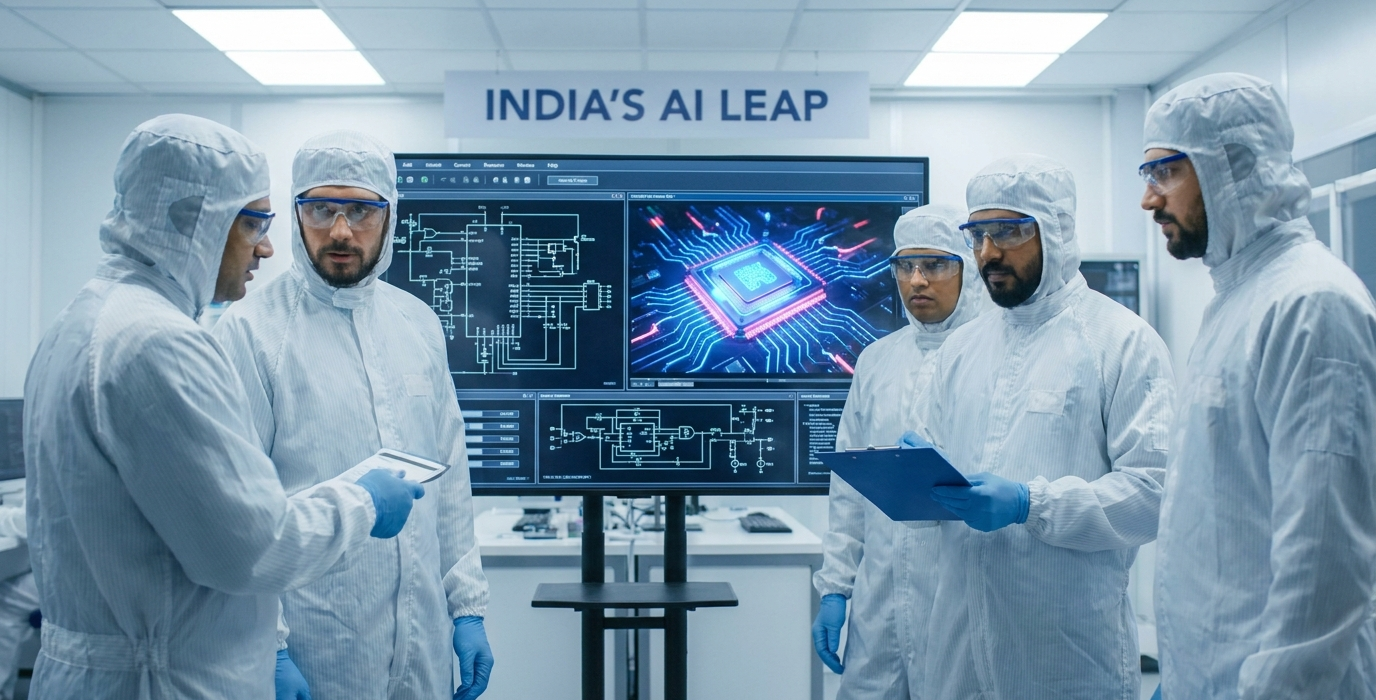
The vision is ambitious: to not only design cutting-edge AI processors but also to establish robust, scalable manufacturing facilities within the country. This strategic move addresses the critical need for secure and self-reliant AI infrastructure, essential for everything from national security to powering India’s rapidly growing digital economy. We are looking at a future where ‘Made in India’ AI chips are not just a slogan, but a global reality.
Unpacking AI-Maitri: Incentives and Investment on an Unprecedented Scale
At the heart of AI-Maitri lies a comprehensive package of incentives designed to attract both established global players and nurture domestic innovation. For companies setting up semiconductor fabrication plants (fabs) in India, the scheme offers a capital subsidy of 50% of the project cost, with additional benefits for those focusing on advanced nodes and specialized AI applications. This directly tackles the immense capital expenditure required for setting up such facilities, making India a far more attractive destination than ever before.
Beyond manufacturing, significant emphasis is placed on chip design. AI-Maitri provides substantial R&D grants, up to 75% of eligible project costs, for companies developing novel AI architectures and algorithms. Furthermore, special economic zones with streamlined regulatory processes and tax holidays are being established in regions like Gujarat, Telangana, and Tamil Nadu, already known for their tech ecosystems. This holistic approach aims to create a complete value chain, from conceptualization to mass production, right here in India.
Focus on Future-Proof AI: From Smart Cities to Sustainable Agriculture
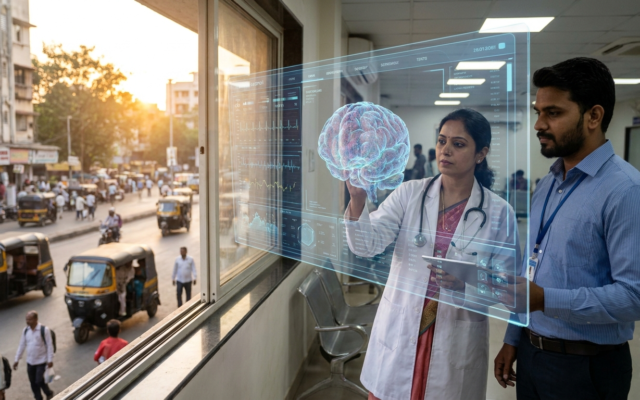
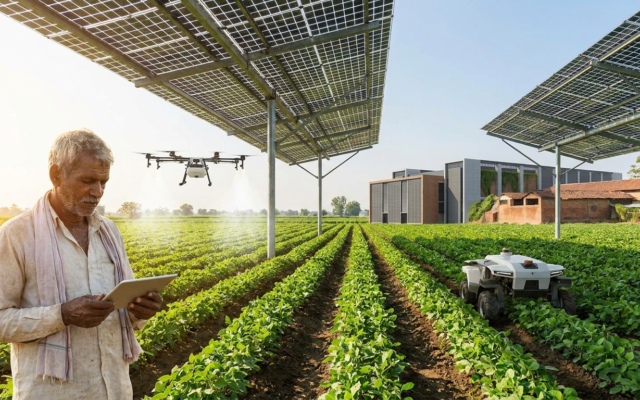
AI-Maitri isn’t just about generic AI chips; it’s strategically targeting sectors where AI can have the most transformative impact on India’s development. A significant portion of the funding is earmarked for developing specialized AI processors for critical areas such as autonomous vehicles, advanced medical diagnostics, and precision agriculture. Imagine AI chips optimized for real-time traffic management in our bustling metros or for detecting crop diseases with unparalleled accuracy in rural India.
There’s also a strong undercurrent of sustainability woven into the initiative. The program encourages the development of energy-efficient AI hardware, crucial for reducing the carbon footprint of data centres and edge computing devices. This forward-thinking approach ensures that India’s AI leap is not only technologically advanced but also environmentally responsible. We will see chips designed for lower power consumption, making AI solutions more accessible and sustainable across diverse applications.
“AI-Maitri is more than an industrial policy; it’s a declaration of India’s intent to be a global leader in the AI revolution, built on the bedrock of indigenous innovation and self-reliance.”
Navigating the Hurdles: Talent, Infrastructure, and Global Partnerships
While the vision for AI-Maitri is compelling, the path to realization is not without its challenges. One of the most significant hurdles is the acute shortage of highly skilled talent in advanced semiconductor design and manufacturing. India needs to ramp up its educational programs and vocational training in this specialized field, potentially drawing from its vast pool of engineering graduates but requiring significant upskilling. The government is partnering with leading universities in Chennai, Bengaluru, and Delhi to create specialized AI chip design courses, aiming to produce thousands of graduates annually.
Securing reliable global supply chain partnerships for raw materials and specialized equipment is another critical area. While India aims for self-sufficiency, the complex global semiconductor ecosystem means collaboration is unavoidable. Building robust international ties, especially with countries that have established semiconductor supply chains, will be vital for the success of AI-Maitri. We must also consider the logistical and infrastructure requirements, from power supply to specialized cleanroom facilities, which demand meticulous planning and execution.
The Startup Ecosystem: Seedbed for AI Innovation
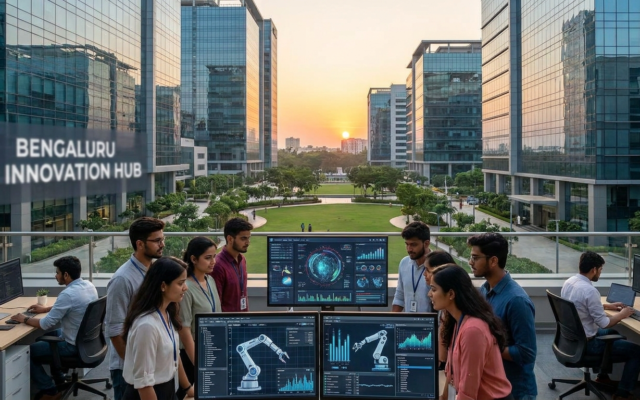
AI-Maitri explicitly recognizes the crucial role of startups in driving innovation. The initiative includes dedicated funding streams and incubation programs for early-stage companies focused on AI chip design. These startups will have access to state-of-the-art design tools, testing facilities, and mentorship from industry veterans, all subsidized by the government. This aims to de-risk the entrepreneurial journey and accelerate the development of next-generation AI hardware from Indian soil.
For instance, startups working on novel neuromorphic computing chips or specialized AI accelerators for edge devices can apply for ‘AI-Maitri Seed Grants’ of up to ₹5 crore. Furthermore, the government is facilitating partnerships between these startups and established semiconductor giants, encouraging technology transfer and co-development. This creates a fertile ground for disruptive ideas to flourish, potentially leading to India exporting not just chips, but also groundbreaking AI technologies.
Global Impact and Economic Ripples: India’s Strategic Advantage
The ripple effects of AI-Maitri extend far beyond India’s borders. By becoming a significant player in AI chip manufacturing, India will help diversify the global supply chain, reducing reliance on any single region. This can lead to more stable pricing and availability of AI hardware worldwide. For international companies, partnering with India under AI-Maitri offers a strategic advantage: access to a massive market, a growing talent pool, and government support for setting up operations.
Economically, the initiative is projected to create millions of direct and indirect jobs, from highly skilled engineers to manufacturing technicians. It will also foster a multiplier effect, boosting ancillary industries such as materials science, packaging, and testing. India’s success in AI chips could redefine its position in the global technology landscape, making it not just a consumer of technology, but a formidable creator and provider. This is a strategic economic play with long-term implications for global technology dominance.
Frequently Asked Questions
What is the primary goal of India’s ‘AI-Maitri’ initiative?
The primary goal of ‘AI-Maitri’ is to establish India as a global leader in AI chip design and manufacturing, fostering indigenous capabilities, reducing import dependency, and aiming for a significant share of the global AI hardware market by 2028.
What kind of incentives are offered under AI-Maitri?
AI-Maitri offers substantial incentives including capital subsidies for fab setup, R&D grants for chip design, tax holidays, streamlined regulatory processes, and specialized incubation programs for startups.
Which sectors are prioritized for AI chip development under this initiative?
Key sectors prioritized include autonomous vehicles, advanced medical diagnostics, precision agriculture, and energy-efficient AI hardware for sustainable technology solutions.
What are the main challenges facing the successful implementation of AI-Maitri?
The main challenges include acquiring and developing a skilled talent pool in advanced semiconductor manufacturing, securing global supply chain partnerships, and ensuring robust infrastructure development.