Key Takeaways
- The Indian startup ecosystem is booming, with significant growth in Tier 2 and Tier 3 cities offering untapped potential.
- Sustainable and eco-friendly businesses are no longer niche; they are becoming mainstream, driven by consumer demand and policy support.
- Leveraging technology, particularly AI and data analytics, is crucial for differentiation and efficiency across all sectors.
- Personalised services and experiences, from bespoke healthcare to curated travel, are gaining traction.
The Evolving Landscape: Opportunities in India’s Digital-First Economy
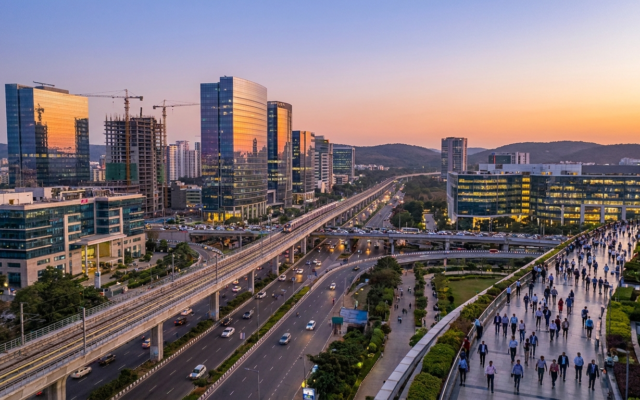
India in 2026 is a vibrant tapestry of tradition and rapid digital transformation, presenting fertile ground for new business ventures. The country’s young demographic, burgeoning middle class, and increasing internet penetration are driving unprecedented demand for innovative products and services. We’re seeing a significant shift beyond the metros, with Tier 2 and Tier 3 cities emerging as hotspots for entrepreneurial activity. Government initiatives like Digital India and Startup India continue to provide a supportive framework, encouraging a new generation of entrepreneurs to take the plunge.
This isn’t just about replicating global trends; it’s about indigenising solutions that cater specifically to the Indian context. Think about the diverse linguistic landscape, the varied regional preferences, and the unique socio-economic challenges that present themselves. Businesses that can navigate these complexities with cultural sensitivity and technological prowess are poised for significant success. The post-pandemic era has also accelerated the adoption of online services, from e-commerce and edtech to telemedicine and fintech, creating a robust digital infrastructure that businesses can readily tap into. The sheer scale of the Indian market means that even a small percentage of market share translates into substantial revenue.
Sustainable Solutions: Capitalising on India’s Green Wave
The global push towards sustainability has firmly taken root in India, presenting a massive opportunity for eco-conscious entrepreneurs. Consumers, especially the younger generation, are increasingly aware of their environmental impact and are actively seeking out brands that align with their values. This isn’t just a trend; it’s a fundamental shift in consumer behaviour that is here to stay. Businesses that can offer sustainable alternatives to everyday products and services will find a ready and willing market.
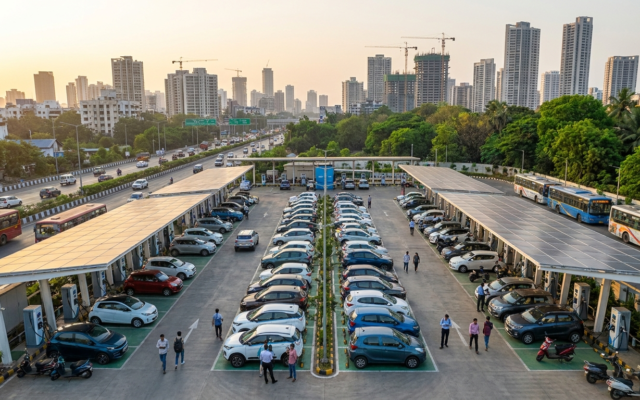
Consider the immense potential in areas like renewable energy solutions for homes and small businesses, organic and farm-to-table food delivery services, and eco-friendly packaging options. The production and sale of biodegradable materials, for instance, is a sector ripe for innovation. We are also seeing a rise in businesses focused on waste management and recycling technologies, addressing a critical national challenge. Furthermore, the government’s renewed focus on green initiatives, including solar power adoption and electric vehicle infrastructure, creates policy tailwinds that can significantly benefit these ventures. A surprising fact is that India is already one of the world’s leading countries in solar energy installation capacity, a testament to its commitment to a greener future.
Eco-Friendly Fashion and Apparel
The fashion industry, notorious for its environmental footprint, is a prime area for sustainable innovation. Think about brands that use organic cotton, recycled fabrics, or employ ethical, low-waste production methods. Businesses offering rental services for high-end or occasion wear can also tap into the demand for conscious consumption, reducing the need for single-use garments.
Waste-to-Wealth Initiatives
Turning waste into valuable products is not just environmentally sound but also economically viable. This could range from upcycling discarded materials into furniture or art, to developing advanced composting solutions for urban households and agricultural waste. The potential for creating circular economy models here is immense.
Personalised Experiences: The Future of Service Industries
In a crowded marketplace, personalisation is the ultimate differentiator. Indian consumers are moving beyond mass-produced offerings and are actively seeking tailor-made experiences that cater to their unique needs and preferences. This trend is particularly pronounced in sectors like healthcare, education, travel, and even retail. Businesses that can leverage data analytics and AI to understand individual customer behaviour are best positioned to succeed.
Imagine a healthcare platform that not only provides online consultations but also offers personalised wellness plans based on genetic predispositions and lifestyle data. Or an edtech service that adapts its curriculum in real-time to a student’s learning pace and style. The travel industry, too, is ripe for disruption, with opportunities in curating bespoke itineraries that go beyond generic tourist packages. This could include niche experiences like artisanal craft tours in Rajasthan or culinary expeditions through Kerala. The key is to move from a one-size-fits-all approach to one that celebrates individuality.
Bespoke Wellness and Healthcare
This could involve AI-powered diagnostic tools that offer early risk assessments, personalised nutrition plans developed by dietitians, and mental wellness apps that provide tailored meditation and therapy sessions. Integrating wearable tech for continuous health monitoring further enhances this personalised approach.
Curated Travel and Experiential Tourism
Instead of standard hotel bookings, focus on offering unique stays, local immersion activities, and off-the-beaten-path adventures. This could include connecting travellers with local artisans for workshops, organising village homestays, or creating culinary tours led by renowned chefs.
The Rise of Hyperlocal and Community-Centric Businesses
While national and global reach is appealing, there’s a powerful resurgence of interest in hyperlocal and community-centric businesses. In our increasingly digitised world, people crave genuine connections and convenient access to local goods and services. This trend is particularly strong in Tier 2 and Tier 3 cities, where community ties are often more pronounced. Businesses that can effectively serve the immediate neighbourhood, understanding its specific needs and preferences, can build strong loyalty.
Think about the potential for hyperlocal grocery delivery services that partner with local kirana stores, or platforms that connect residents with trusted local service providers like plumbers, electricians, and tutors. The ‘support local’ movement is gaining significant momentum, driven by a desire to foster local economies and reduce the environmental impact of long-distance transportation. Furthermore, community-based platforms can foster social interaction and a sense of belonging, something that is increasingly valued in modern life. A surprising fact is that despite the dominance of e-commerce giants, small neighbourhood stores (kiranas) still account for a significant portion of India’s total retail sales, underscoring the enduring power of local commerce.
Hyperlocal Delivery Networks
Focus on creating efficient delivery networks for essential goods and services within specific localities. This could involve aggregating demand from multiple local businesses onto a single platform for streamlined logistics and faster delivery times.
Community Skill-Sharing Platforms
Empowering local communities by connecting individuals who have skills with those who need them. This could range from academic tutoring and hobby workshops to offering professional services like graphic design or content writing, fostering a micro-economy within the neighbourhood.
AI and Data Analytics: The Engine of Innovation
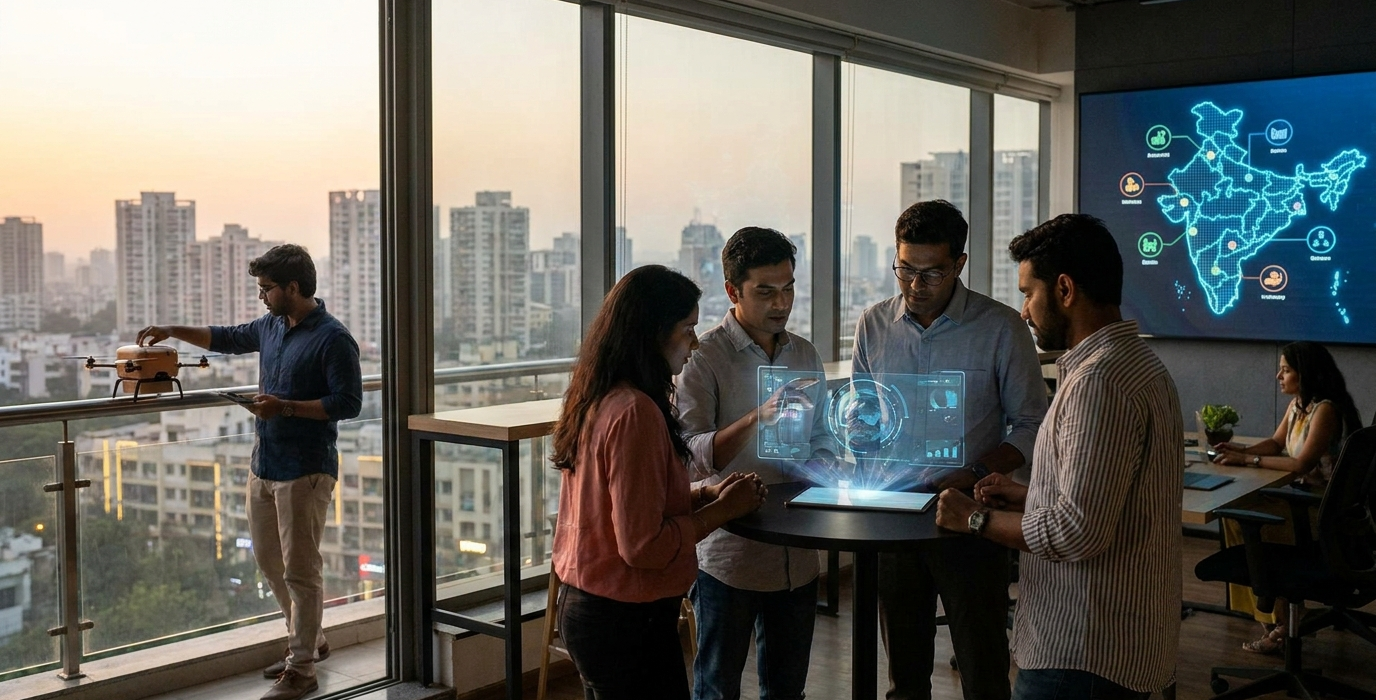
Artificial Intelligence (AI) and data analytics are no longer buzzwords; they are essential tools for driving innovation and efficiency across virtually every business sector in India. Businesses that fail to embrace these technologies risk being left behind. From optimising supply chains and personalising customer experiences to automating mundane tasks and predicting market trends, AI offers a multitude of applications. The availability of vast datasets in India, coupled with advancements in AI algorithms, creates a perfect storm for intelligent business solutions.
Consider the potential for AI-powered chatbots that provide instant customer support, or predictive analytics that help businesses forecast demand and manage inventory more effectively. In sectors like agriculture, AI can help farmers optimise crop yields and predict pest outbreaks. In finance, it can be used for fraud detection and algorithmic trading. The key is to identify specific business problems that AI can solve, rather than adopting technology for its own sake. Furthermore, as data privacy regulations evolve, businesses will need to ensure ethical AI deployment and transparent data handling practices.
AI-Powered Customer Service Solutions
Developing intelligent chatbots and virtual assistants that can handle a wide range of customer queries 24/7, freeing up human agents for more complex issues. This can significantly improve customer satisfaction and reduce operational costs.
Data-Driven Business Strategy
Implementing robust data analytics frameworks to gain actionable insights into customer behaviour, market trends, and operational efficiency. This allows for more informed decision-making and proactive strategy development.
Fintech and Digital Payments: Empowering Financial Inclusion
The fintech revolution in India continues to gain momentum, driven by the government’s push for financial inclusion and the widespread adoption of digital payments. Businesses that can offer innovative financial services that are accessible, affordable, and user-friendly will tap into a massive, underserved market. This goes beyond simple payment gateways; it encompasses lending, insurance, wealth management, and more, all delivered through intuitive digital platforms.
The proliferation of smartphones and affordable data plans has made these services accessible even in remote areas. Think about micro-lending platforms that cater to small businesses and entrepreneurs who may not have access to traditional banking channels. Or insurtech solutions that offer customised insurance policies for gig economy workers or farmers, based on their specific risks and needs. The integration of blockchain technology also presents opportunities for secure and transparent financial transactions. Even with the rise of digital, there remains a strong need for solutions that bridge the gap for those who are still less digitally savvy.
Micro-Lending and Small Business Financing
Creating platforms that provide small, short-term loans to micro, small, and medium enterprises (MSMEs) that often struggle to access credit from traditional banks. These platforms can use alternative data points for credit scoring.
Insurtech Solutions for Underserved Markets
Developing affordable and accessible insurance products tailored to the needs of specific demographics, such as farmers, gig workers, or those in informal sectors. This could include parametric insurance triggered by specific weather events, for instance.
Frequently Asked Questions
What are the most profitable business ideas in India for 2026?
The most profitable ventures in 2026 will likely be in sectors driven by sustainability, AI integration, and personalised services. Areas like eco-friendly products, AI-powered solutions, bespoke wellness, and hyperlocal delivery networks show significant potential for high returns due to growing market demand and technological advancements.
Are there good business opportunities in Tier 2 and Tier 3 cities in India?
Absolutely. Tier 2 and Tier 3 cities offer immense untapped potential in 2026. With increasing digital penetration and a growing middle class, these regions are prime for businesses focusing on local needs, affordable services, and community-centric solutions. The competition is often less intense than in metros, offering a great entry point.
What role does technology play in starting a business in India now?
Technology is fundamental. From AI and data analytics for efficiency and customer understanding to digital payment platforms for transactions and robust online presence for marketing, technology is the engine of most successful businesses in 2026. Embracing digital tools is no longer optional; it’s essential for survival and growth.
Is it still a good time to start an e-commerce business in India?
Yes, e-commerce continues to be a strong sector, but differentiation is key. Instead of broad marketplaces, focus on niche products, sustainable goods, or personalised shopping experiences. Hyperlocal e-commerce and specialised online services are also growing rapidly, offering new avenues for success within the broader e-commerce landscape.
What are the key challenges for new entrepreneurs in India in 2026?
Key challenges include navigating complex regulations, securing funding, building a strong and skilled team, and adapting to rapid technological changes. Fierce competition in established sectors and the need to build customer trust in new markets also require strategic planning and resilience. However, the supportive startup ecosystem and increasing consumer acceptance of new ideas are significant advantages.