Key Takeaways
- Discover monsoon-specific street food delights in Mumbai, from crisp pakoras to comforting kathi rolls.
- Learn about the hygiene practices of popular stalls and how to identify safe eating spots.
- Explore iconic Mumbai street food locations and understand the cultural significance of these culinary traditions.
- Get tips on navigating the bustling crowds and making the most of your street food adventure.
A Monsoon Feast Awaits: Mumbai’s Streets Beckon
As the monsoon clouds gather over Mumbai, painting the city in hues of grey and emerald, a unique culinary transformation takes place. The air, heavy with the scent of rain-kissed earth, also carries the irresistible aroma of spices and frying delights. This is the season when Mumbai’s legendary street food scene truly comes alive, offering comfort, warmth, and an explosion of flavours that perfectly complement the downpour. Forget the usual tourist traps; we’re diving deep into the heart of the city to uncover the must-try monsoon specials that locals cherish. From the roadside *vada pav* stalls that become havens from the rain to the steaming bowls of *misal pav* that banish the chill, this is your ultimate guide to experiencing Mumbai’s monsoon magic, one delicious bite at a time. We’ll help you navigate the bustling lanes, identify the best vendors, and savour the authentic tastes that make Mumbai’s street food an unforgettable experience.
The Crispy Charms of Monsoon Snacks
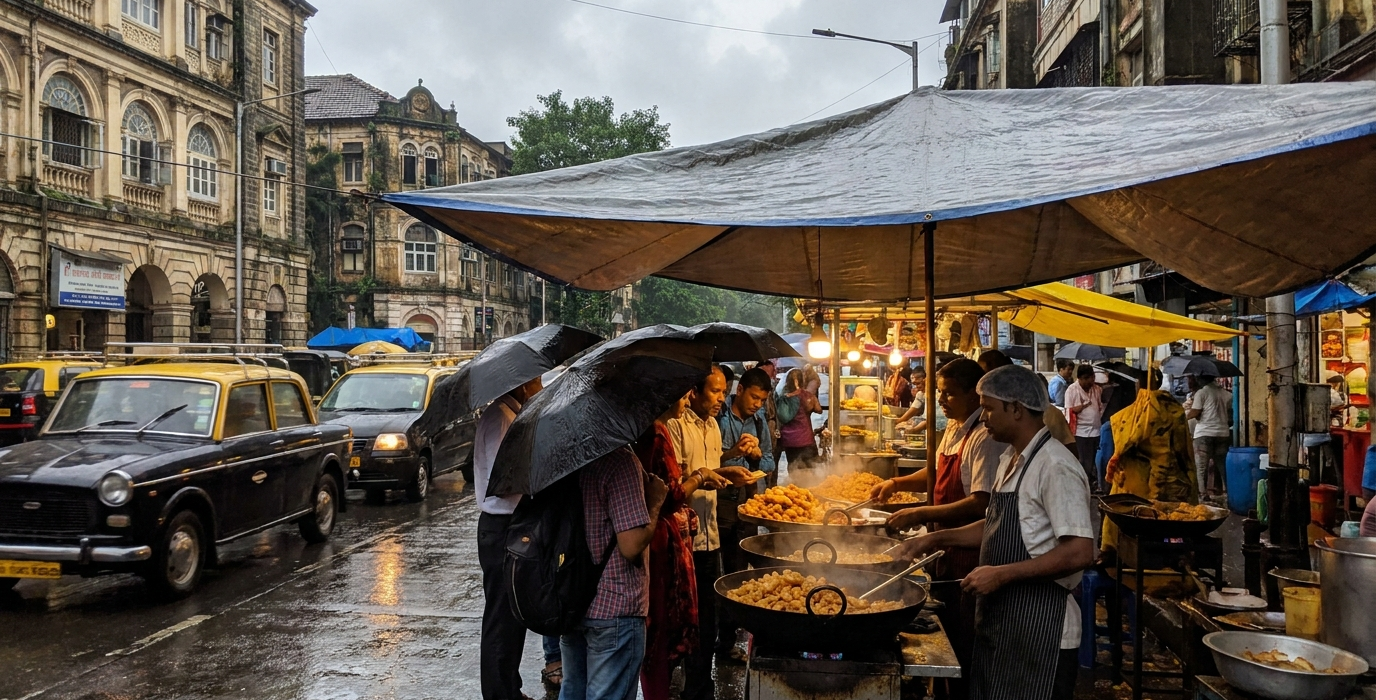
When the first drops of rain hit the pavement, so does the craving for something hot, crispy, and utterly satisfying. Mumbai’s street vendors are masters of this art, transforming simple ingredients into culinary masterpieces. The undisputed king of monsoon snacks is undoubtedly the pakora. While available year-round, their appeal skyrockets during the rains. You’ll find an incredible variety: onion pakoras, potato pakoras, spinach pakoras, and even the more adventurous *paneer* or mixed vegetable versions. These golden, deep-fried fritters are best enjoyed piping hot, dipped in tangy tamarind chutney or spicy green chutney. Another monsoon favourite is the bhajiya, a broader term often encompassing a variety of vegetable fritters, with the *kanda bhajiya* (onion fritter) being a perennial bestseller. We also recommend seeking out sabudana vada, crispy patties made from sago, potatoes, and spices, often served with a dollop of curd or chutney. The contrast of their crunchy exterior and soft, flavourful interior is incredibly addictive, making them a perfect accompaniment to a chai break. These snacks aren’t just food; they are a ritual, a shared experience that brings people together under makeshift shelters, united by the joy of a perfectly fried bite.
Navigating the Vada Pav Phenomenon
No discussion of Mumbai street food is complete without mentioning the vada pav. While a staple throughout the year, the monsoon imbues it with a special significance. This humble “Indian burger” – a spicy potato fritter (*vada*) nestled inside a soft bun (*pav*), served with fiery chutneys – becomes a shield against the elements. We advise you to look for vendors with a steady queue; it’s a good indicator of freshness and popularity. The best *vada pavs* boast a perfectly spiced *vada*, not too oily, and a soft, pillowy *pav*. Don’t shy away from asking for extra garlic chutney – it adds a delightful kick. Some vendors also offer variations like the *schezwan vada pav* or the *cheese vada pav* for those seeking a modern twist. Remember, the true magic lies in its simplicity and affordability, making it an accessible delight for everyone.
Hearty Meals to Beat the Downpour
While snacks are essential, the monsoon also calls for heartier meals that provide sustenance and warmth. Mumbai’s street food scene excels in this regard, offering dishes that are both filling and packed with flavour. The misal pav is a prime example. This fiery Maharashtrian curry, made with sprouted moth beans, is topped with *farsan* (crispy mixed snacks), chopped onions, and coriander, and served with soft *pav*. The explosion of textures and tastes – from the spicy gravy to the crunchy *farsan* – is a sensory delight. It’s a dish that warms you from the inside out, making it a perfect antidote to a chilly, rainy day. Another excellent choice is the pav bhaji. This popular dish features a thick, spicy vegetable mash (*bhaji*) cooked with butter and spices, served with toasted buttered rolls (*pav*). You’ll find countless vendors, each with their secret blend of spices, offering a rich and satisfying meal. For those craving something different, the kathi rolls are a fantastic option. Originating from Kolkata, these flavourful wraps, filled with grilled meats or paneer and a medley of vegetables and sauces, have found a beloved home in Mumbai. They are easy to eat on the go, even in the rain, and offer a delightful combination of savoury and spicy notes.
The Comfort of a Steaming Bowl
Beyond the *pav*-based delights, don’t overlook the comforting bowls of soupy noodles and other warming dishes. While not strictly traditional monsoon street food, many vendors have adapted to offer dishes like Momos (steamed or fried dumplings) with spicy dipping sauces, or even instant noodle preparations jazzed up with local spices and vegetables. These offer a quick, warm, and satisfying meal option, especially when you’re seeking refuge from a sudden downpour. We’ve even seen vendors offering thukpa, a Tibetan noodle soup, which is incredibly warming and nutritious. These are testament to Mumbai’s culinary adaptability and its ability to embrace diverse flavours.
Sweet Endings and Refreshing Sips
No culinary journey is complete without a sweet treat or a refreshing beverage. The monsoon season in Mumbai brings its own unique offerings. While ice cream might seem counterintuitive, you’ll find vendors selling kulfi, a dense, frozen dairy dessert, often flavoured with cardamom, pistachio, or mango. Its richness is surprisingly comforting in the cooler monsoon weather. For a more traditional sweet fix, look for vendors selling jalebis, deep-fried spirals soaked in sugar syrup. The warm, syrupy sweetness is pure indulgence. To wash it all down, ditch the cold drinks and opt for something warm. Masala chai is the ultimate monsoon beverage, brewed with milk, tea leaves, and a blend of aromatic spices like cardamom, ginger, and cloves. The warmth and fragrance are incredibly invigorating. Another excellent choice is ginger tea, which is believed to have medicinal properties and helps ward off chills. Some vendors might also offer hot chocolate or badam doodh (almond milk) for a richer, sweeter option. These beverages are not just drinks; they are an integral part of the monsoon street food experience, offering a moment of solace and enjoyment amidst the rain.
A Surprising Monsoon Sweet: Malpua
While *jalebis* are common, we’ve discovered a less ubiquitous, yet utterly delightful, monsoon sweet: Malpua. These are small, pancake-like fritters made from flour, milk, and sugar, deep-fried and then soaked in sugar syrup. Often enhanced with fennel seeds or cardamom, they offer a unique texture – slightly crispy on the edges and soft and porous within, making them perfect for soaking up the sweet syrup. Finding a vendor making fresh, hot *malpuas* during the monsoon is a true treat, a testament to the hidden culinary gems you can uncover with a little exploration.
The true magic of Mumbai’s monsoon street food lies not just in the flavours, but in the shared experience of seeking comfort and joy from simple, honest food, often enjoyed under the shelter of a roadside awning as the rain pours down.
Hygiene and Safety: Eating Smart on the Streets
Navigating Mumbai’s vibrant street food scene, especially during the monsoon, requires a discerning eye for hygiene and safety. The rains can bring challenges, making it even more crucial to choose your vendors wisely. We recommend looking for stalls that are consistently busy. A high turnover of customers often means the food is fresh and prepared in batches, reducing the risk of spoilage. Observe the vendor’s cleanliness. Are their hands clean? Is the cooking area tidy? Are utensils washed regularly? Many reputable street food vendors in Mumbai take great pride in their cleanliness, using gloves and maintaining organised workspaces. Look for freshly prepared food. Avoid food that has been sitting out for long periods, especially in humid weather. For drinks, opt for bottled water or freshly squeezed juices from vendors who use clean equipment. Similarly, choose stalls that use filtered water for their preparations. It’s also wise to carry your own hand sanitizer and use it before and after eating. A general rule of thumb: if a stall looks clean and the food is cooked fresh in front of you, it’s likely a safe bet. Don’t be afraid to ask questions about ingredients or preparation methods; most vendors are happy to share.
The Stall of a Thousand Smiles: A Case Study
Consider the legendary stall near Cooperage Ground in South Mumbai. For decades, this vendor has been serving *pav bhaji* with meticulous attention to hygiene. They use separate utensils for preparing different dishes, maintain a spotless cooking surface, and have a dedicated person for handling money to avoid cross-contamination. Their commitment to quality and cleanliness has earned them a loyal following, proving that excellent street food and high hygiene standards can indeed go hand-in-hand. This isn’t an isolated incident; such dedication to quality can be found if you know where to look.
Exploring Mumbai’s Street Food Hubs
Mumbai’s street food is not confined to a single area; it’s woven into the fabric of the city. However, certain locations have emerged as iconic hubs, drawing food lovers from all walks of life. Khau Gallis (literally “food lanes”) are the most famous. The Mohammed Ali Road area, particularly during Ramadan, transforms into a culinary paradise. However, even outside of that season, you can find fantastic street food here. Juhu Beach is another classic spot, famous for its *pav bhaji*, *sev puri*, and *pani puri*. While it can be crowded, the atmosphere is electric, and the food is generally well-loved. For a more local, less touristy experience, head to Sion or Dadar. These areas offer a plethora of authentic Maharashtrian snacks and meals, from *vada pav* to *misal pav* and *bhajis*. The street outside Dadar station is always bustling with vendors offering everything from quick bites to full meals. Even smaller neighbourhoods have their hidden gems. A quick walk through areas like Girgaon or Matunga will reveal local favourites serving up regional specialties. The key is to explore with an open mind and a curious palate.
A Surprising Gem in Bandra
While the usual suspects get all the attention, we’ve found a delightful surprise in Bandra. Tucked away in a small lane off Linking Road, a vendor has gained a cult following for their unique corn chaat. Unlike the standard roadside versions, this *chaat* features perfectly roasted corn kernels mixed with finely chopped vegetables, tangy chutneys, and a generous sprinkle of spices and lemon. It’s a refreshing, flavourful, and surprisingly light option that’s perfect for a post-shopping snack. It highlights how diverse and innovative Mumbai’s street food scene truly is, extending beyond the well-trodden paths.
Frequently Asked Questions
What are the best street food items to try in Mumbai during the monsoon?
During the monsoon, focus on hot and crispy items like pakoras, bhajiyas, vada pav, and sabudana vadas. Heartier options like misal pav and pav bhaji are also excellent choices to warm you up. Don’t forget warm beverages like masala chai or ginger tea.
How can I ensure I eat safely from street food vendors in Mumbai?
Prioritise vendors who are consistently busy, maintain a clean cooking area, and serve freshly prepared food. Look for those using filtered water and bottled beverages. Carrying hand sanitizer is also a good practice.
Are there specific ‘khau gallis’ or food streets recommended for street food in Mumbai?
Yes, popular options include the lanes around Mohammed Ali Road, Juhu Beach, and areas in Dadar and Sion which offer a wide array of local delicacies. Exploring smaller neighbourhood lanes can also lead to hidden culinary treasures.
What are some less common but delicious street food options I should look out for?
Keep an eye out for Malpua, a sweet, pancake-like fritter soaked in syrup, and unique chaat variations like the corn chaat found in areas like Bandra. These offer a delightful departure from the usual offerings.