Key Takeaways
- Delhi’s independent music scene is experiencing a significant resurgence in 2026, driven by a new wave of artists and innovative venues.
- Expect a diverse range of genres, from electronic and hip-hop to folk fusion and experimental rock, reflecting India’s growing artistic plurality.
- Live music spaces like The Piano Man Jazz Club and Fio Cookhouse are crucial hubs, offering platforms for emerging talent and established indie acts.
- Digital platforms and social media are democratizing access and promotion, allowing artists to reach global audiences directly.
The Unfolding Soundscape of 2026 Delhi
As the monsoon clouds recede, a different kind of storm is brewing in Delhi – one of sound. The city’s independent music scene, long a simmering undercurrent, is now in full, glorious bloom in 2026. This isn’t just a revival; it’s a profound evolution, a testament to the resilience and creativity of India’s artists. We’re witnessing a generation that isn’t afraid to experiment, to blend traditions, and to speak their truth through melody and rhythm.
Gone are the days when “indie” in India was a niche curiosity. Today, it’s a vibrant ecosystem, pulsating with energy and innovation. From the bustling lanes of Majnu ka Tilla to the upscale locales of South Delhi, artists are carving out their spaces, pushing boundaries, and captivating audiences. This resurgence is marked by a fearless embrace of diverse influences and a sophisticated understanding of the modern music landscape. We’ll delve into the artists, the venues, and the digital currents shaping this exciting new era of Delhi’s independent sound.
The New Guard: Artists Redefining Genres
Delhi’s independent music scene in 2026 is defined by its remarkable diversity, a vibrant tapestry woven from threads of tradition and modernity. Leading the charge are artists who seamlessly blend genres, creating sounds that are uniquely Indian yet universally resonant. Take, for instance, the burgeoning electronic music scene, which has moved beyond mere imitation to forge its own identity. Producers are incorporating classical Indian ragas and folk melodies into their beats, resulting in tracks that are both danceable and deeply soulful.
Hip-hop continues its dominant ascent, but with a sharpened lyrical edge. Rappers are addressing contemporary social issues, political commentary, and personal narratives with a newfound maturity and artistry. We’re seeing a rise in spoken word artists who blur the lines between poetry and rap, their performances often accompanied by minimalist, yet powerful, musical arrangements. Beyond these, experimental rock bands are pushing sonic frontiers, incorporating elements of jazz, ambient music, and even Carnatic vocal techniques. This fearless exploration is what makes the current landscape so exhilarating for music lovers.
One surprising fact emerging from this scene is the growing prominence of artists from Tier 2 and Tier 3 cities who are now finding a significant audience in Delhi. Their fresh perspectives and often underrepresented cultural influences are enriching the city’s sonic palette. These artists are leveraging digital tools to bypass traditional gatekeepers, building dedicated fan bases directly.
Venues: The Heartbeat of the Underground
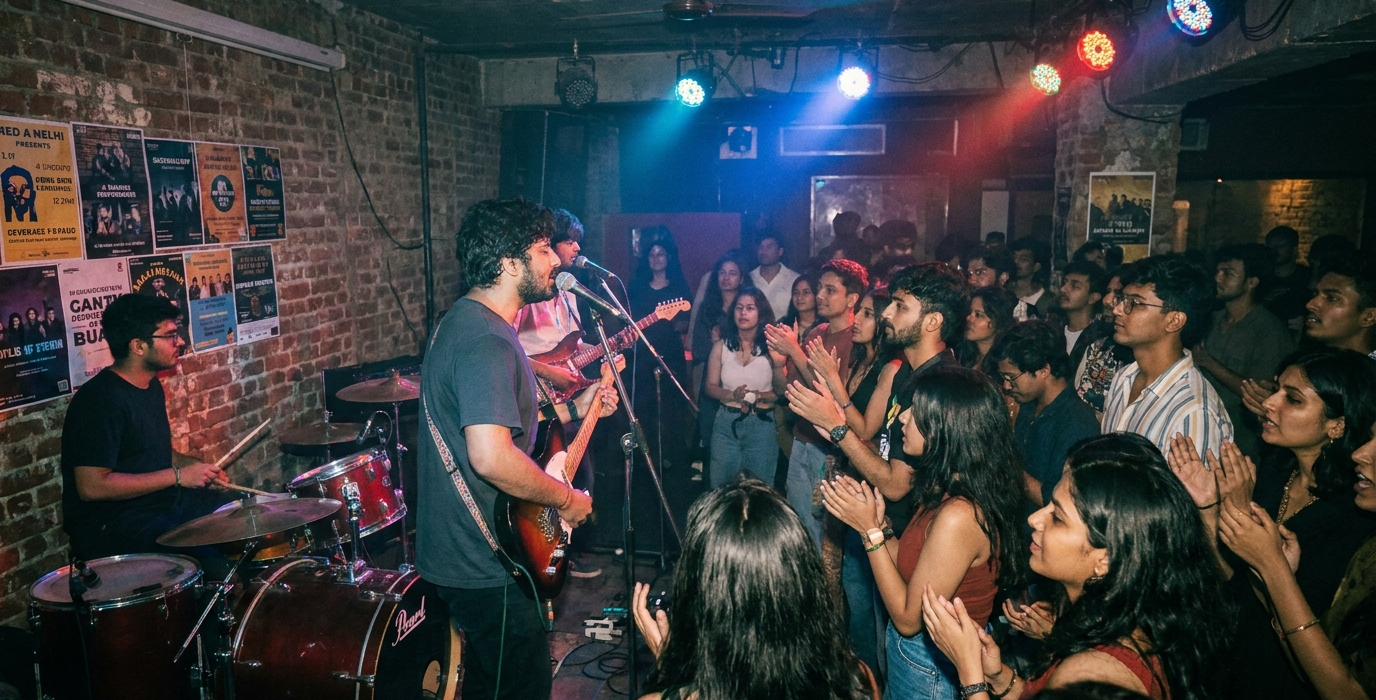
The resurgence of Delhi’s indie music wouldn’t be possible without the dedicated spaces that nurture and showcase emerging talent. In 2026, these venues are more than just performance spaces; they are community hubs, fostering a sense of belonging for both artists and audiences. The Piano Man Jazz Club in Safdarjung Enclave remains a stalwart, consistently providing a platform for jazz, blues, and soul artists, but it has also broadened its scope to include a wider array of independent acts.
Fio Cookhouse & Bar in Garden of Five Senses is another significant player, known for its lively atmosphere and its commitment to hosting a diverse range of indie musicians, from folk singers to rock bands. These venues understand the importance of creating an intimate setting where the nuances of the music can be appreciated. They offer a crucial counterpoint to the large-format concerts, providing a space for genuine artistic connection.
Beyond these established names, a network of smaller, more experimental spaces is also thriving. Cafes in Hauz Khas Village, art galleries in Shahpur Jat, and even pop-up events in repurposed industrial spaces are becoming vital incubators for new sounds. These locations often provide a more relaxed, informal environment, encouraging audience interaction and artist discovery. The sheer variety of these spaces underscores the dynamism of Delhi’s live music culture.
Digital Disruption: Reaching Beyond Borders
In 2026, the internet is no longer just a promotional tool for indie artists; it is the very fabric of their existence and reach. Streaming platforms have democratized access, allowing listeners worldwide to discover Delhi’s burgeoning talent with just a few clicks. Artists are no longer solely reliant on record labels or radio play to get their music heard; they can directly upload their tracks and build a global following.
Social media platforms like Instagram, YouTube, and even newer, niche audio-sharing apps are proving indispensable. Artists are using these platforms not just to share their music, but to build personal connections with their audience. Behind-the-scenes glimpses into their creative process, live Q&A sessions, and intimate acoustic performances hosted online have fostered a sense of community and loyalty.
Furthermore, online music collectives and digital radio stations are emerging as powerful curators, introducing listeners to artists they might otherwise never encounter. These digital ecosystems are breaking down geographical barriers, allowing a young musician in a small Delhi neighbourhood to connect with a fan in Berlin or Buenos Aires. This direct-to-fan model empowers artists, giving them greater control over their careers and their creative output. We are truly in an era where the world is your stage, thanks to digital innovation.
The Fusion Factor: Tradition Meets Technology
One of the most compelling aspects of Delhi’s indie music scene in 2026 is its embrace of fusion. This isn’t a superficial blending; it’s a deep, often reverent, interweaving of India’s rich musical heritage with contemporary global sounds. Artists are drawing inspiration from classical Indian music, folk traditions from across the subcontinent, and ancient storytelling techniques, then reinterpreting them through modern electronic production, rock instrumentation, and hip-hop rhythms.
Think of a band that uses the intricate melodies of a Carnatic vocalist as the hook for an electronic dance track, or a folk singer whose traditional ballads are given a driving rock edge. These collaborations are producing music that is both familiar and entirely novel, appealing to a broad spectrum of listeners. This fusion is a direct reflection of India’s increasingly globalized yet culturally proud identity.
A truly surprising trend we’ve observed is the increasing use of traditional Indian instruments in genres where they were rarely heard before. The sitar might find its way into an ambient soundscape, or the tabla could provide the percussive backbone for a hip-hop beat. This isn’t just about novelty; it’s about finding new sonic textures and emotional depths within these ancient instruments, proving their enduring relevance and adaptability. This conscious effort to preserve and innovate simultaneously is a hallmark of this vibrant scene.
The Economic Landscape: Challenges and Opportunities
While the creative output of Delhi’s indie music scene is undeniably robust in 2026, the economic realities for artists remain a significant consideration. Earning a sustainable income solely from music can be challenging, with many artists juggling day jobs or pursuing multiple creative avenues. The rise of digital streaming, while great for reach, often translates to very low per-stream royalties, making it difficult for independent artists to generate substantial revenue.
However, opportunities are also expanding. Live performances at venues, as we’ve discussed, remain a crucial income stream, as do merchandise sales and direct fan support through platforms like Patreon. Crowdfunding campaigns are becoming increasingly sophisticated, allowing artists to fund album production, music videos, and even tours with the backing of their dedicated fan base. This direct engagement fosters a strong sense of ownership and investment from the audience.
Beyond direct sales, there’s a growing demand for original music for independent films, web series, and advertising campaigns. This provides a lucrative avenue for talented composers and musicians. The increasing professionalism of the indie scene also means more opportunities for sound engineers, music producers, graphic designers specializing in album art, and social media managers dedicated to artists. The ecosystem is growing, creating a more sustainable, albeit competitive, environment for those passionate about music.
Frequently Asked Questions
What are the most popular indie music genres in Delhi right now?
In 2026, you’ll find a strong presence of electronic music, experimental hip-hop, folk fusion, and indie rock. There’s also a growing appreciation for singer-songwriters and spoken word artists incorporating musical elements.
Are there any upcoming indie music festivals in Delhi this year?
While specific dates for late 2026 are still being announced, keep an eye on established festivals and smaller, emerging events. Many venues also host multi-artist showcases that function like mini-festivals throughout the year.
How can I support independent artists in Delhi?
You can directly support them by attending their live shows, buying their merchandise, streaming their music on platforms that offer better artist payouts, and sharing their work on social media. Consider direct fan support platforms like Patreon if artists offer them.
Where can I discover new Delhi-based indie artists online?
Explore platforms like Spotify’s independent artist playlists, YouTube channels dedicated to Indian indie music, SoundCloud, and Bandcamp. Following Delhi-based music blogs and online music communities can also lead you to new discoveries.