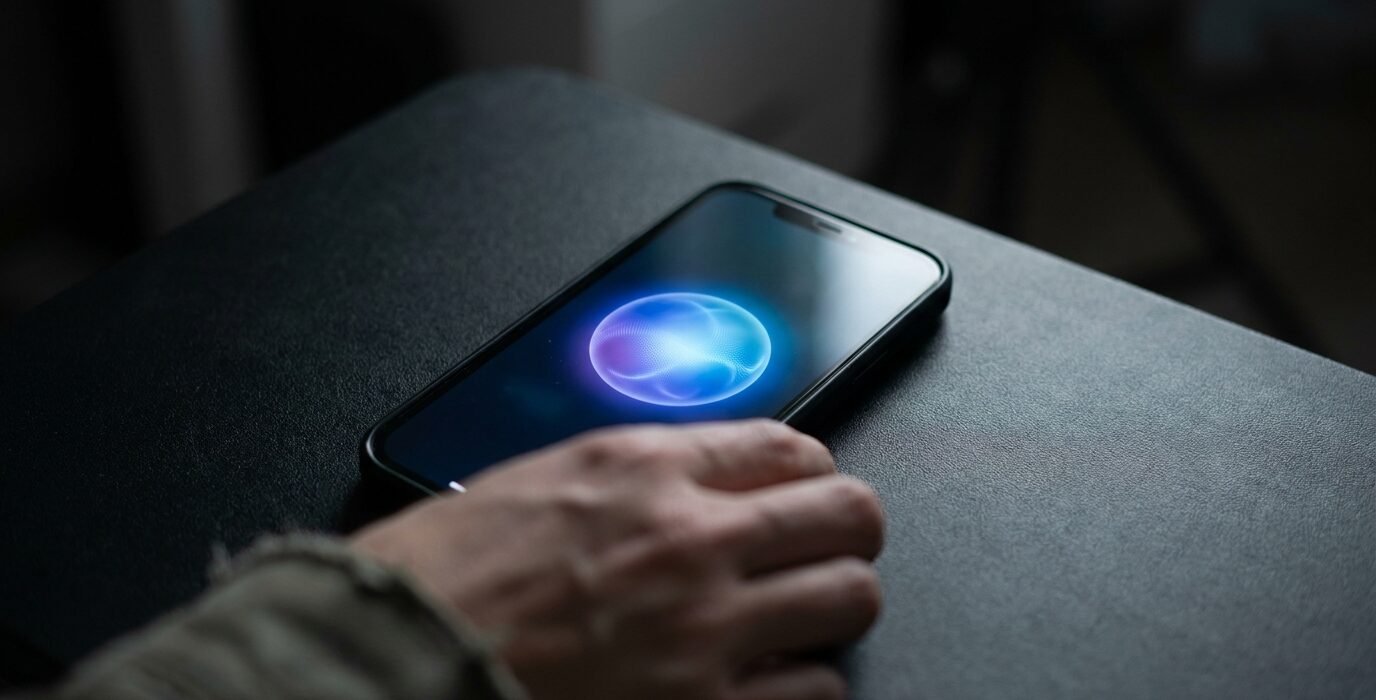
The hum of a smart speaker is now a familiar sound in Canadian living rooms. From the rugged coastlines of Vancouver Island to the windswept shores of Newfoundland, millions of us have invited these voice-activated gadgets into our homes. They set timers. They play our favourite podcasts. They even help us order groceries. But as these digital companions become more ingrained in our daily lives, a quiet question lingers: what are we giving up in exchange for all this convenience? The promise of effortless living is enticing. The reality, however, might be far more complex, touching on the very core of our personal privacy.
Key Takeaways:
- Canadian households are rapidly adopting AI-powered personal assistants, driven by convenience and the allure of smart home integration.
- These devices constantly listen for wake words, raising concerns about the data collected and how it’s used by tech giants.
- Understanding consent mechanisms and data privacy policies is crucial for informed decision-making.
- Users have limited control over what data is stored and who it’s shared with, despite company assurances.
- The long-term societal impact of pervasive AI listening in private spaces remains largely unexplored.
The Digital Echo in the Hallway
Walk into Sarah Chen’s bright, modern condo in downtown Toronto, and you’ll immediately notice the subtle presence of technology. A sleek, cylindrical smart speaker sits on her kitchen counter, a discreet hub for her increasingly connected life. “It started with just asking for the weather,” Sarah, a graphic designer, tells me, stirring her morning coffee. “Then it was playing music while I cooked, or setting reminders for appointments. Now, it controls my lights, my thermostat… sometimes it feels like a butler.” Her experience isn’t unique. Across Canada, from a bustling Toronto apartment to a quiet suburban home in Calgary, smart speakers and their AI counterparts are becoming as common as the television once was.
The adoption rates are staggering. A recent survey by Statista indicated that over 30% of Canadian households own at least one smart speaker. Projections suggest this figure will climb significantly in the next few years. These devices, powered by sophisticated artificial intelligence, are designed to understand natural language. They learn user habits. They perform a growing array of tasks. They can tell you the traffic conditions on the Gardiner Expressway. They help you find a recipe for Nanaimo bars. They might even read your kids a bedtime story. The sheer utility is undeniable. Companies like Amazon with Alexa, Google with Assistant, and Apple with Siri have positioned these devices as essential tools for modern living. They promise to simplify our routines. They promise to free up our time.
But beneath the surface of these seamless interactions lies a complex web of data collection and usage. Each “Hey Google” or “Alexa” is a signal. It means the device is active. It’s listening. It’s ready to process your request. This constant state of readiness, while essential for functionality, raises fundamental questions about what else is being heard. The privacy policies, often dense and legally couched, describe a world where your voice commands are recorded. They are analyzed. Sometimes, they are stored. For many Canadians, the convenience has become so deeply embedded in their daily routines that they rarely stop to consider the implications of this always-on listening. It’s a trade-off many are making, perhaps without fully grasping the extent of their personal information being cataloged.
The Unseen Auditors: What’s Really Being Recorded?
The idea that a device in your living room is “always listening” can be unnerving. Let’s be clear: these assistants are programmed to listen for a specific “wake word” – “Alexa,” “Hey Google,” “Siri.” Only after hearing this word does the device begin recording. It then sends your request to the cloud for processing. However, the reality is more nuanced. It’s potentially more concerning. Accidental activations, where the device mistakenly believes it heard its wake word, are a known phenomenon. These accidental recordings can capture snippets of private conversations. They can capture ambient household sounds. They can even capture personal calls. While companies claim these recordings are generally discarded if they don’t contain a command, the very fact of their capture is a privacy flashpoint for many Canadians.
Consider the case of a family in Montreal. They discovered that their smart speaker had been inadvertently recording hours of their private conversations for months. They only found out when they reviewed their account history. They saw the sheer volume of audio files stored. This isn’t an isolated incident. Similar reports have surfaced across North America. They highlight how easily private moments can be logged. The data collected isn’t just about your direct commands. It can include your location. It can include your device usage patterns. It can include your preferences. It can even infer emotional states from the tone of your voice. This information is incredibly valuable. It’s valuable not just to the companies providing the service, but potentially to advertisers and third parties.
The transparency around this data collection is often criticized. While you can typically access your “voice history” through an app or website, the process can be tedious. Understanding what each recording signifies is not always straightforward. Furthermore, even when you delete your voice history, it doesn’t always mean the data is permanently erased from the company’s servers. Policies vary. The fine print often suggests that anonymized or aggregated data might be retained for product improvement. This creates a situation where users are essentially auditing their own data. It’s a task many lack the time or technical expertise to perform diligently. The feeling of being under constant, unseen surveillance, even by benevolent AI, is a growing unease for many users.
Consent: The Flimsy Foundation of Our Smart Homes
When you set up a smart speaker, you are presented with terms of service and privacy policies. These are the digital equivalents of signing on the dotted line. They grant permission for the collection and use of your data. But how many of us, in the rush to enjoy the latest technology, actually read and fully understand these lengthy legal documents? For most Canadians, it’s a necessary hurdle to overcome. It’s a barrier before accessing the promised convenience. This often leads to what privacy advocates call “meaningful consent,” or rather, the lack thereof.
The challenge lies in the complexity of these policies. The way they are presented is also an issue. They are often written in legal jargon. This makes it difficult for the average consumer to grasp the full implications of what they are agreeing to. For instance, a policy might state that your voice data can be used to “improve the service.” What does “improve the service” truly entail? Does it mean human reviewers might listen to anonymized snippets of your conversations to train the AI? Companies like Amazon and Google have confirmed that human reviewers do listen to a small percentage of voice recordings. This is done to improve accuracy. While this is often presented as a necessary step for technological advancement, it means that your private conversations could be heard by individuals outside your home.
This raises a crucial point about informed consent in the digital age. Are we truly consenting when we click “I agree” without a deep understanding of the data being collected? Do we understand how it might be used? The Canadian government has been grappling with this issue. There are ongoing discussions. Proposed legislation around data privacy is being considered. However, the pace of technological advancement often outstrips regulatory efforts. For individuals, the onus falls on them to actively manage their privacy settings. This can be a daunting and time-consuming task. The ability to opt out of certain data collection practices exists. But it often comes with a reduced functionality of the device. This creates a difficult choice between privacy and convenience. This dynamic has left many Canadians in a state of passive acceptance. Their data is being utilized in ways they may not fully comprehend or endorse.
The Data Gold Rush: Who Benefits?
The data generated by your smart speaker is incredibly valuable. It’s not just about what you say. It’s about how you say it. It’s about when you say it. It’s about what you do before and after you interact with the device. This rich stream of information paints a detailed picture of your life. It captures your habits. It reveals your interests. It even shows your potential needs. For the tech giants who create these assistants, this data is a gold mine. It fuels their machine learning algorithms. It improves the AI’s ability to understand and respond to you. More importantly, it allows them to build highly detailed user profiles.
These profiles are then used for targeted advertising. When you ask your smart speaker to play a song by a particular artist, or to search for a product, this information is fed into algorithms. These algorithms can predict what else you might be interested in. This is why you might suddenly start seeing ads for that artist’s upcoming concert. You might see ads for similar products, on other platforms. While this can sometimes feel helpful, it also means that your private requests and interests are being monetized. Companies like Google and Amazon have diversified business models. These models rely heavily on advertising revenue. Smart home data is a crucial component of that strategy.
Beyond direct advertising, this data can be aggregated and anonymized. This provides valuable market insights. For example, a company might analyze the collective data from smart speakers in a particular neighbourhood. This helps them understand purchasing trends or lifestyle preferences. While this aggregated data is stripped of personal identifiers, it still represents a significant commodification of consumer behaviour. For the average Canadian user, the direct benefit of this data sharing is often unclear. The potential for misuse or unauthorized access remains a persistent concern. The trade-off is essentially exchanging intimate details of your daily life for a slightly more personalized digital experience. This is a bargain that warrants a deeper, more critical examination.
Beyond Convenience: The Subtle Erosion of Our Private Spheres
The persistent presence of AI assistants in our homes is doing more than just simplifying tasks. It’s subtly reshaping our understanding of privacy. In a world where our homes are becoming increasingly monitored, the very concept of a private sanctuary is being redefined. We might be more willing to speak freely in front of a smart speaker than we would in a public space. But the data trail we leave behind is often more permanent and accessible than we realize. This normalization of constant listening creates a new baseline for what is considered acceptable. It could lead to a gradual erosion of our expectations of privacy.
Think about how conversations change when you know there might be an unseen auditor. Do you discuss sensitive topics? Do you express candid opinions on political matters? Or do you unconsciously self-censor, aware that your words might be recorded and analyzed? This psychological effect, known as the “chilling effect,” can have a profound impact. It affects freedom of expression. It affects personal autonomy. In Canada, where a strong emphasis is placed on individual rights and freedoms, this creeping surveillance is a cause for concern. Civil liberties advocates are worried. They argue that the pervasive nature of these devices, coupled with opaque data practices, poses a significant threat to democratic values.
Furthermore, the data collected by smart home devices can be vulnerable to breaches. While companies invest heavily in security, no system is entirely foolproof. A data breach could expose a treasure trove of personal information. This could include routines, conversations, and even details about your health or financial situation. The potential for this information to be used for malicious purposes is a stark reminder of the stakes involved. This includes identity theft or targeted phishing attacks. As AI assistants become more capable and integrated, the line between helpful technology and intrusive surveillance becomes increasingly blurred. This prompts Canadians to consider the long-term societal implications. It’s about inviting these digital ears into their most intimate spaces.
A New Frontier: Navigating the Future of Home Privacy
As we move forward, the relationship between Canadians and their AI-powered personal assistants will undoubtedly continue to evolve. The convenience they offer is undeniable. Their utility is only set to increase with advancements in artificial intelligence. However, the growing awareness of privacy implications is also a positive development. It’s prompting a more critical conversation. This conversation is about data ownership. It’s about algorithmic transparency. It’s about the ethical responsibilities of technology companies. For individuals, this means taking a more proactive approach. It’s about managing their digital footprint.
This proactive stance involves regularly reviewing and adjusting privacy settings on all smart devices. It means being mindful of the permissions granted to apps and services that interact with your voice assistant. It also involves demanding greater transparency from the companies that provide these technologies. As consumers, we have the power to influence the market. We can do this by choosing products and services that prioritize privacy. This might mean opting for devices with more robust privacy controls. It might mean supporting companies that are more forthcoming about their data collection and usage practices.
The Canadian government’s ongoing efforts to update privacy legislation are crucial. Stronger regulations can provide a clearer framework for data protection. They can empower individuals with greater control over their personal information. Ultimately, the future of privacy in our smart homes hinges on a collective effort. It requires technological innovation that respects user privacy. It requires regulatory oversight that enforces accountability. It requires an informed citizenry that actively participates in shaping the digital landscape. The journey towards balancing convenience with privacy is ongoing. Each Canadian has a role to play. This is to ensure that our homes remain spaces of comfort and security, not just digital listening posts.