Key Takeaways
- India’s green hydrogen ambitions are steadily progressing, with several pilot projects and policy frameworks now in place as of mid-2026.
- Significant challenges remain, particularly around the cost of electrolysers and the availability of renewable energy at scale to power them.
- While international partnerships are crucial, domestic manufacturing capabilities for key components are a growing focus for energy security.
- The long-term vision hinges on successful integration into existing infrastructure and demonstrating commercial viability beyond initial subsidies.
The Dawn of a New Energy Era: India’s Ambitious Green Hydrogen Push
The air in India, especially around industrial hubs like Gujarat and Maharashtra, is thick with anticipation. We’re not just talking about the usual monsoon humidity; we’re talking about the palpable buzz surrounding green hydrogen. For years, it was a whispered promise of a clean future, a fuel that produces only water when burned. Now, in mid-2026, that promise is steadily transforming into tangible projects and strategic blueprints. India’s National Green Hydrogen Mission, launched with audacious targets, is moving from concept to concrete action, aiming to position the nation as a global leader in this revolutionary energy carrier.
This isn’t merely about environmental rhetoric; it’s a strategic pivot driven by energy security, economic growth, and a commitment to decarbonization. The government’s commitment is evident in the policy incentives and the sheer number of pilot projects sprouting across the country. From powering heavy industries like refining and steel to potentially fueling heavy transport, the potential applications are vast. We are witnessing the initial, crucial phases of what could redefine India’s energy landscape for decades to come.
Electrolyser Production: The Bottleneck and the Breakthrough
At the heart of green hydrogen production lies the electrolyser, the machine that splits water (H₂O) into hydrogen (H₂) and oxygen (O₂) using electricity. The cost and efficiency of these electrolysers are, frankly, the make-or-break factor for widespread adoption. As of July 2026, while global manufacturers are scaling up, the price point remains a significant hurdle for many Indian companies looking to invest heavily. We’ve seen impressive progress in terms of pilot plant capacities being announced, but the sheer volume of electrolysers needed to meet India’s ambitious targets is staggering.
The good news is that India is not sitting idly by. Several domestic players, with government backing and through collaborations with international firms, are investing in setting up manufacturing facilities. Companies like Adani New Industries Limited are making significant strides, aiming to produce large-scale electrolysers right here in India. This focus on ‘Make in India’ is critical not only for reducing costs through economies of scale but also for ensuring supply chain resilience and fostering indigenous technological development. The race is on to make these vital components more affordable and accessible.
Renewable Energy: Fueling the Future, Sustainably
Green hydrogen’s ‘green’ credentials are only as good as the electricity used to produce it. This means an enormous surge in renewable energy capacity – solar and wind power – is an absolute prerequisite. India has already made remarkable progress in expanding its renewable energy portfolio, consistently breaking installation records. However, the demand for electricity to power electrolysers on a massive scale will test the existing grid infrastructure and the pace of new renewable energy deployment.
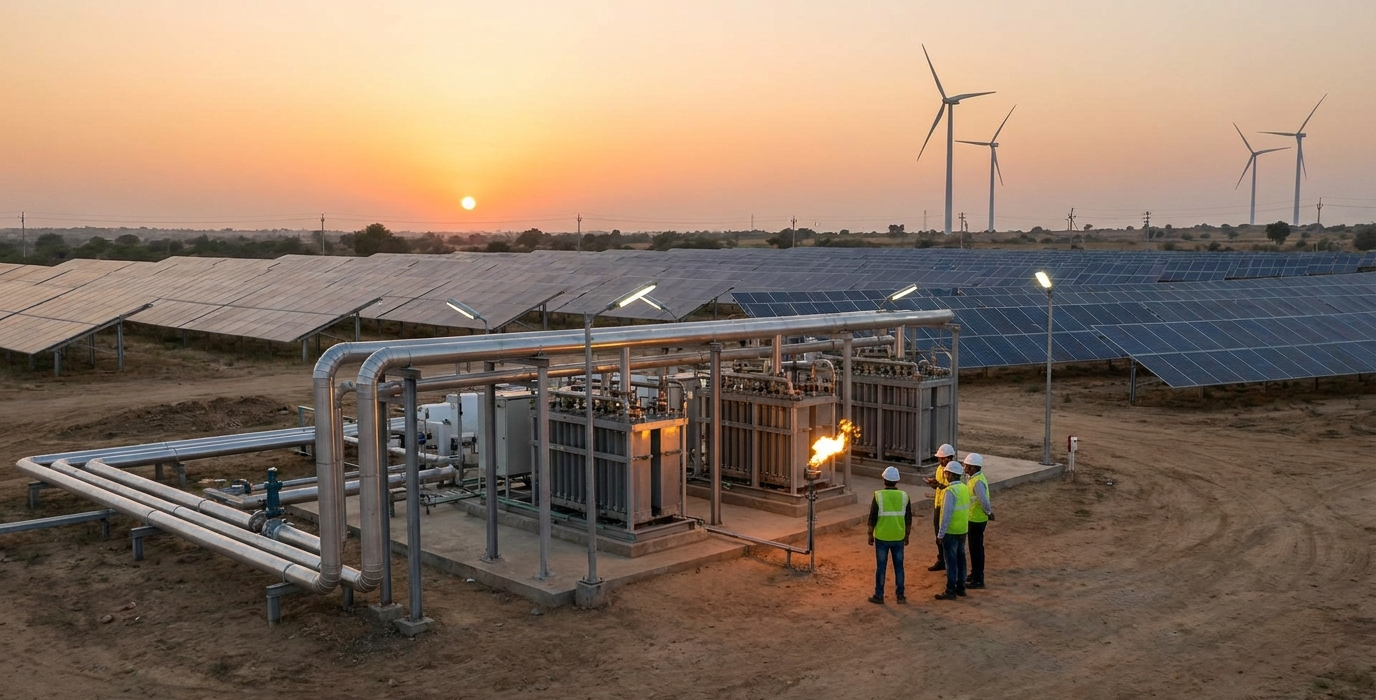
The challenge isn’t just about adding more solar panels and wind turbines; it’s about ensuring a consistent and reliable supply. This involves grid modernization, advanced energy storage solutions, and efficient power evacuation systems. We are seeing innovative approaches, such as co-locating electrolyser plants with large-scale solar farms in regions like Rajasthan and Gujarat, to minimize transmission losses. The key is to ensure that the renewable energy powering our hydrogen future is truly sustainable and doesn’t inadvertently strain other sectors of the economy or the environment.
Industrial Adoption: Where the Demand Lies Today
While the dream of hydrogen-powered cars and planes is exciting, the immediate and most significant demand for green hydrogen in India is coming from its heavy industries. Sectors like petroleum refining, ammonia production for fertilisers, and steel manufacturing are already substantial consumers of hydrogen, primarily derived from fossil fuels. Transitioning these processes to green hydrogen offers a direct and impactful pathway to decarbonization.
Companies in these sectors are actively exploring and piloting green hydrogen integration. For instance, refineries in the Mumbai region and across the country are looking at using green hydrogen to reduce their carbon footprint in hydrotreating and hydrocracking processes. Similarly, fertiliser plants in states like Uttar Pradesh and Haryana are evaluating the shift to green ammonia. These early adopters are crucial; their success will pave the way for wider industrial uptake, demonstrating the commercial viability and operational feasibility of this cleaner fuel. We are seeing a tangible shift in investment and R&D within these core industrial areas.
Policy Push and International Partnerships: Navigating the Landscape
The Indian government’s commitment to green hydrogen is underpinned by a robust policy framework designed to attract investment and streamline development. The National Green Hydrogen Mission is complemented by Production Linked Incentive (PLI) schemes, which aim to make domestic manufacturing competitive. These policies provide crucial financial support and create a more predictable investment environment, essential for long-gestation projects like green hydrogen plants.
Beyond domestic initiatives, international collaborations are playing a vital role. India is actively engaging with countries that possess advanced electrolyser technology and significant renewable energy potential. Partnerships are being forged for technology transfer, joint research and development, and the establishment of integrated green hydrogen ecosystems. For example, collaborations with Germany and Japan are focusing on advanced electrolyser designs and safety standards, while partnerships with countries rich in solar resources are being explored for potential import hubs. These global connections are vital for accelerating India’s learning curve and ensuring its hydrogen strategy aligns with international best practices and market demands.
The Road Ahead: Challenges, Opportunities, and India’s Unique Edge
Despite the rapid progress, the path to becoming a global green hydrogen powerhouse is not without its challenges. The cost of green hydrogen still needs to come down significantly to compete with grey hydrogen (produced from fossil fuels) without substantial subsidies. Scaling up electrolyser manufacturing to meet demand is a monumental task. Furthermore, ensuring the intermittency of renewable energy doesn’t disrupt industrial processes requires sophisticated grid management and storage solutions.
However, India possesses several unique advantages. Its vast renewable energy potential, particularly solar, is unparalleled. The strong domestic demand from its large industrial base provides a ready market. Moreover, India’s growing expertise in project execution and its skilled workforce offer a significant edge. The country’s ability to implement large-scale infrastructure projects efficiently, demonstrated in sectors like renewable energy and digital infrastructure, bodes well for the green hydrogen rollout. The goal is not just to produce hydrogen, but to establish a robust ecosystem encompassing production, storage, transportation, and end-use applications. A surprising fact: India is one of the few nations actively exploring the use of green hydrogen not just for industry but also for desalination plants in coastal regions, a testament to its broad vision for clean water and energy security.
Frequently Asked Questions
What is green hydrogen and why is it important for India?
Green hydrogen is produced by splitting water using renewable electricity, resulting in zero carbon emissions. It’s crucial for India as it offers a path to decarbonize heavy industries, reduce reliance on imported fossil fuels, enhance energy security, and create new economic opportunities in a clean energy future.
When can we expect green hydrogen to be widely available and affordable in India?
While pilot projects are active and scaling up, widespread commercial availability and affordability are still a few years away. Industry experts suggest that significant price reductions in electrolysers and increased renewable energy generation could make green hydrogen competitive with fossil fuel-derived hydrogen within the next 5-7 years, with substantial adoption expected post-2030.
What are the main challenges India faces in its green hydrogen ambitions?
The primary challenges include the high cost of electrolyser technology, the need for massive expansion of renewable energy capacity, grid integration issues to handle intermittency, and the development of infrastructure for storage and transportation. Ensuring a consistent and reliable supply chain is also critical.
Are there any surprising applications of green hydrogen being explored in India?
Yes, beyond industrial use, India is exploring green hydrogen for applications such as powering heavy transport (trucks, ships), and even for water desalination plants in arid coastal regions. There’s also research into its potential for grid stabilization and energy storage.
How can Indian businesses get involved in the green hydrogen sector?
Businesses can get involved by exploring pilot projects for their industrial processes, investing in renewable energy generation to power their hydrogen needs, partnering with electrolyser manufacturers, or developing solutions for hydrogen storage and transportation. Staying updated on government policies and PLI schemes is also advisable.