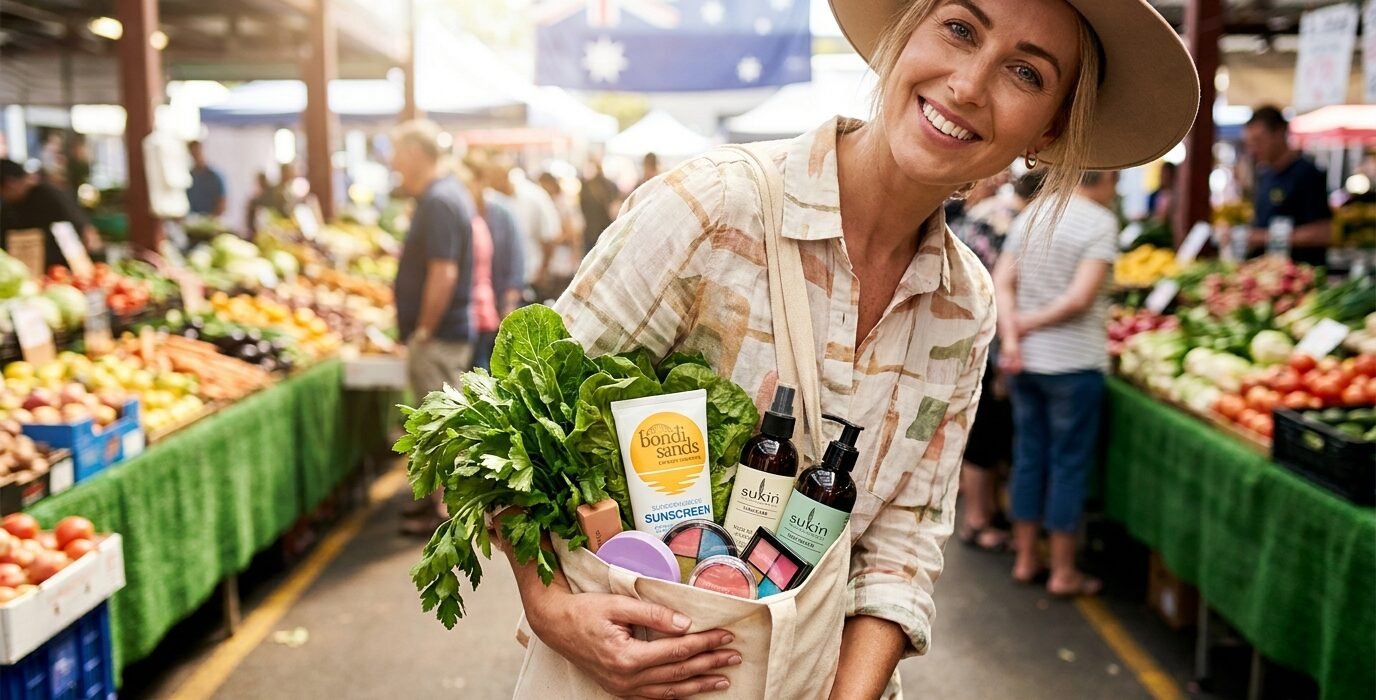
Ever stood in front of a beauty counter, mesmerised by a $100 lipstick or a $200 serum, only to walk away with a sigh? You’re not alone. Millions of Australians feel that pinch. But what if I told you there’s a smarter way to get that luxe look without the eye-watering price tag? A quiet revolution is happening down under, powered by savvy shoppers who’ve discovered the magic of beauty dupes.
Key Takeaways:
- Discover how “beauty dupes” offer a cost-effective alternative to high-end products.
- Learn about popular dupe categories and specific product examples popular in Australia.
- Understand where to find these affordable alternatives in Australian stores and online.
- Explore the financial benefits and the psychological appeal of smart beauty shopping.
- Get tips on how to identify quality dupes and avoid common pitfalls.
The Allure of the Luxe Look for Less
The glitz and glamour of high-end beauty brands have always held a powerful sway. Think of the iconic packaging, the aspirational marketing, the sheer indulgence of a luxury purchase. For many in Australia, these products represent more than just makeup or skincare; they’re a treat, a confidence booster, a small luxury in busy lives.
Sarah from Perth, a graphic designer, meticulously saves up for her favourite Chanel foundation. She loves the flawless finish and the prestige it brings. But with rent in the city rising and the cost of living a constant hum in the background, those aspirational purchases become harder to justify more than once or twice a year. The dream of a full face of designer makeup feels increasingly distant.
This is where the concept of “dupes” – products that closely mimic the performance, colour, or effect of expensive originals – enters the picture. They offer a tantalising compromise. A way to enjoy the aesthetics and efficacy without the hefty price tag. It’s not about cheap imitation; it’s about smart acquisition.
Australians, known for their pragmatic approach to life, are increasingly embracing this trend. They’re not afraid to seek out alternatives that deliver similar results for a fraction of the cost. This movement is transforming how we approach beauty shopping. It’s proving that you don’t need to break the bank to feel fabulous. The quest for a quality dupe is a scavenger hunt of sorts. A rewarding pursuit that celebrates cleverness and fiscal responsibility. It’s a tangible way to reclaim power over our budgets.
The demand for these affordable alternatives has surged. This is particularly true in urban centres like Sydney and Melbourne, where the influence of global beauty trends is strong. Local beauty bloggers and social media influencers have played a massive role. They highlight these discoveries meticulously.
These influencers meticulously swatch, compare, and review products. They then share their findings with eager followers. For instance, a popular Melbourne-based beauty YouTuber, known only as “GlamSavvyKate,” recently posted a video showcasing a $15 eyeshadow palette. It bore a striking resemblance to a $90 palette from a well-known French brand. The video went viral. Thousands of comments flooded in from Australians eager to try the dupe.
This organic sharing of information has created a community of savvy shoppers. They actively seek and share these budget-friendly gems. The conversation has moved beyond simply wanting a cheaper alternative. It’s about intelligent consumption. It’s about understanding that often, the hefty price of a luxury item covers more than just the ingredients. It includes brand name, marketing costs, and exclusive retail placement.
By identifying dupes, consumers are essentially cutting through that excess. They focus on the core product performance. This trend is particularly resonant with younger demographics. Think students in Brisbane or young professionals in Adelaide. They are more digitally connected and budget-conscious. They’re actively seeking ways to stay on-trend without accruing debt. The accessibility of these dupes is a key factor. They are often found in mainstream pharmacies and online retailers. This makes them an easy entry point into this smarter way of shopping. It’s a democratic approach to beauty.
This shift is also a reaction to the economic realities many Australians face. With inflation impacting everything from groceries to petrol, discretionary spending, like high-end beauty products, often becomes one of the first areas to be trimmed. Yet, the desire for self-care and personal expression through beauty remains. Dupes offer a vital outlet for this. They allow individuals to maintain their routines. They can experiment with new looks and indulge in small moments of pampering. All this without compromising essential financial goals.
Consider a young mother in regional Queensland, juggling family and work. Her weekly indulgence might be a new nail polish or a vibrant lipstick. If she can find a high-quality dupe for a fraction of the price, she can enjoy that little bit of joy more often. Or perhaps use the savings for something more pressing, like a school excursion for her child. The emotional impact of this is significant. It’s about feeling good about yourself. It’s about feeling in control of your finances.
The rise of dupes isn’t just a fleeting trend; it’s a reflection of a more mindful and empowered consumer mindset taking root across Australia. It’s a testament to human ingenuity in finding value. The sheer volume of online content dedicated to dupes, from TikTok tutorials to Instagram comparison posts, underscores the widespread interest. It shows that people are actively looking for this information. They are enthusiastic about sharing their discoveries. It’s a positive feedback loop of saving and satisfaction.
The core appeal lies in the value proposition. Consumers are increasingly questioning the exorbitant markups on luxury goods. They want to know what they are paying for. When a dupe can replicate the texture, pigmentation, longevity, and even the scent of a high-end product for a significantly lower price, the perceived value of the original diminishes. This forces brands to be more transparent about their pricing and ingredient sourcing. It’s a market correction, driven by informed consumers.
The proliferation of social media platforms has democratised beauty reviews. Gone are the days when only professional beauty editors dictated what was good. Now, everyday Australians can share their experiences. This creates a more authentic and relatable source of information. This has empowered consumers to make more informed choices. They can research, compare, and buy with confidence. They know that a wealth of user-generated content is available to guide them. This democratisation extends to the accessibility of the dupes themselves. While high-end beauty often requires a trip to a department store or a specialised boutique, many popular dupes are readily available at Chemist Warehouse, Priceline, or even Woolworths and Coles. This makes them convenient to pick up during a regular grocery run. This ease of access further fuels the trend.
Unpacking the Dupe Phenomenon: What Exactly Are We Buying?
The term “dupe” has become shorthand for a product that offers a similar aesthetic, performance, or effect to a more expensive, often designer, beauty item. It’s crucial to understand that a dupe isn’t necessarily a direct copy or a counterfeit. Instead, it’s a product that achieves a comparable result. This is done through similar formulations, colour profiles, or application methods.
Think of it as finding a perfectly ripe mango at your local market for $3, when a boutique fruit store might be selling a visually identical one for $10, claiming it’s “artisanal.” The mango is the same, the taste is the same, but the price is dramatically different due to branding and perceived exclusivity. In the beauty world, this often translates to dupes that share key ingredients, pigment structures, or formulation technologies with their high-end counterparts.
For example, a popular drugstore foundation might use similar emollients and pigments. This provides a dewy finish and medium coverage, just like a luxury brand’s cult-favourite foundation. The packaging might be less ornate, and the fragrance might be simpler, but the core function is strikingly similar. This is particularly prevalent in categories like eyeshadow palettes, lipsticks, and foundations.
Brands that produce dupes are often more budget-friendly companies. They focus on replicating popular trends and shades efficiently. They can afford to sell at lower price points because their overheads are typically lower. They don’t invest heavily in celebrity endorsements or high-fashion ad campaigns. This allows them to pass the savings on to the consumer.
A fantastic example of this phenomenon in Australia is the popularity of certain eyeshadow palettes. Many shoppers rave about how specific shades and finishes in affordable palettes from brands like Revolution Beauty or Makeup Revolution mirror those found in palettes from brands like Anastasia Beverly Hills or Urban Decay. These dupes often boast highly pigmented mattes, shimmery metallics, and blendable formulas. They perform exceptionally well for their price point.
A makeup artist based in Brisbane, Chloe, who frequently works with budget-conscious clients, shared her experience: “I’ve built a kit that can create almost any look imaginable without spending a fortune. For instance, there’s a particular shimmer shade in a popular ColourPop palette that’s almost identical to a shade in a much pricier Tarte palette. My clients are always amazed when I tell them the cost.” This highlights how accessibility and performance can coexist.
The key is understanding that the magic isn’t solely in the brand name. It’s often in the careful selection of pigments, emollients, and binders. These create a specific visual or textural effect. These dupes allow consumers to experiment with bold colours or trendy finishes without committing significant funds. This is especially appealing in the fast-evolving world of beauty.
The rise of dupes also reflects a growing consumer demand for transparency and value in product formulation. Consumers are becoming more educated about ingredients. They are less swayed by marketing hype alone. They want products that work, regardless of their price tag. This has led to a surge in online communities and forums. Here, beauty enthusiasts meticulously deconstruct ingredient lists and compare product performance.
Sites like Reddit’s r/drugstoreskincare or dedicated Australian beauty blogs often feature detailed breakdowns of dupes. They include swatches and wear tests. For example, a popular dupe for a high-end hyaluronic acid serum might be found in a pharmacy brand like The Ordinary or Revolution Skincare. While the luxury serum might be priced at $150 for 30ml, its dupe could offer a similar concentration of hyaluronic acid and other beneficial ingredients for around $20. This significant price difference, with comparable results reported by users, is the driving force behind the dupe trend. It’s about getting the active ingredients and the desired outcome without the brand premium. This educated consumer base is actively seeking out these alternatives. The market is responding by offering more accessible options.
It’s also worth noting the psychological aspect of the dupe phenomenon. For many, purchasing a luxury beauty product is an emotional experience. It’s tied to feelings of aspiration, reward, and self-indulgence. Dupes offer a way to tap into those same emotions without the financial strain. The thrill of discovering an amazing dupe, the satisfaction of saving money, and the joy of achieving a desired look can be just as fulfilling, if not more so, than buying the original.
This is particularly true for individuals who may not have the disposable income for regular luxury purchases. Dupes democratise access to beauty trends. They allow a wider range of people to participate in the joy of makeup and skincare. A student in Adelaide, saving for her university fees, might find that a $10 dupe lipstick allows her to feel confident and stylish for her classes and social events. This is a feeling that would otherwise be out of reach. This emotional accessibility is a powerful driver of the trend. The “aha!” moment of finding a perfect dupe is often shared enthusiastically within friendship groups and online communities. This fosters a sense of collective discovery and smart consumerism. It’s a shared secret that empowers individuals.
The sheer number of dupes available now is astounding. From highlighters that mimic the glow of a cult favourite to primers that create a similar blurring effect, the options are vast. Brands are keenly aware of the popularity of certain high-end products. They are often quick to release their own interpretations. This creates a competitive landscape where value and performance are paramount. Consumers benefit from this competition. It drives innovation and affordability across the board. The accessibility means that a busy parent in regional Victoria can pick up a dupe for a popular bronzer at their local supermarket. This is a far cry from the exclusive boutiques where the original might be sold. This democratisation of beauty is a powerful force. It reshapes consumer behaviour and brand strategies. It’s a win-win for the smart shopper. The focus shifts from brand loyalty to product efficacy.
Where the Savvy Shopper Finds Gold: Australian Retailers and Online Havens
Finding these coveted beauty dupes in Australia is surprisingly straightforward. This is thanks to a combination of well-stocked mainstream retailers and the ever-expanding online marketplace. You don’t need a secret handshake or a special invitation to access these budget-friendly gems. Many of the most popular dupe brands and specific products are readily available at your local Chemist Warehouse, Priceline, and even major supermarkets like Woolworths and Coles.
These stores have become hubs for discovering affordable beauty alternatives. Chemist Warehouse, in particular, has a vast selection of international and Australian budget beauty brands. They often feature extensive displays and competitive pricing that make comparison shopping easy. You can spend an afternoon browsing their aisles, comparing shades and textures of lipsticks or foundations to their pricier counterparts. Priceline is another excellent destination. It features its own popular brands like Australis and e.l.f. Cosmetics. These often offer products that are hailed as dupes for higher-end items. They also regularly have sales and loyalty programs, which can make your beauty hauls even more economical.
Online shopping has amplified the reach and availability of beauty dupes for Australians. This is especially true for those living outside major cities. Websites like MECCA Max (MECCA’s own brand, which sometimes offers more accessible versions of popular trends), Sephora (which carries a wide range of brands, including some that offer dupes), and dedicated online beauty retailers are invaluable resources. Furthermore, global e-commerce giants like ASOS and Cult Beauty ship directly to Australia. They bring with them a plethora of affordable brands known for their dupe offerings.
For instance, brands like Revolution Beauty, Makeup Revolution, e.l.f. Cosmetics, ColourPop, and The Ordinary are consistently praised for their dupes. They are easily accessible online. A quick search on these platforms for “dupe for [designer product name]” will often yield a wealth of options. Many of these online retailers also offer free shipping thresholds. This further incentivises bulk purchases or strategic shopping. The convenience of having these products delivered directly to your doorstep in Sydney, Melbourne, or even a remote town in Tasmania is a significant advantage.
A key strategy for Australian shoppers is to leverage social media and online communities. Before making a purchase, a quick search on TikTok, Instagram, or YouTube for “Australian beauty dupes” or “[product name] dupe Australia” can reveal countless comparison videos and blog posts. Influencers often meticulously swatch and compare shades side-by-side. They provide visual evidence of how closely a dupe matches its expensive inspiration.
For example, a popular Sydney-based beauty blogger might post a reel showing how a $12 blush from Priceline offers the exact same peachy-pink hue and blendable finish as a $50 blush from a luxury brand. These authentic reviews are invaluable. They offer real-world testing and honest opinions. This helps consumers make informed decisions and avoid disappointment. Furthermore, dedicated Australian beauty forums and Facebook groups are excellent places to ask questions and get recommendations. You can get these from fellow shoppers who are also on the hunt for great value. These communities often share real-time updates on sales and new product releases.
It’s also important to be aware of specific product categories where dupes are most prevalent and successful. Eyeshadow palettes are a prime example. Brands like Revolution Beauty frequently release palettes with colour stories that uncannily resemble those of more expensive brands. Similarly, lipsticks – particularly popular shades like nudes, reds, and berries – are often dupe-able. Drugstore brands like Maybelline and L’Oréal have a strong track record of offering high-quality lipsticks. They rival luxury formulas in terms of pigmentation and wear.
Skincare is another major area. Brands like The Ordinary, Revolution Skincare, and Good Molecules focus on providing potent active ingredients at accessible price points. They effectively dupe the efficacy of much pricier serums and treatments. For example, The Ordinary’s Niacinamide 10% + Zinc 1% serum is widely considered a dupe for more expensive formulations targeting blemishes and oil control. The key is to research the specific ingredients and desired effects.
The rise of these accessible retail channels and online platforms means that the concept of a “beauty budget” is no longer synonymous with “limited options.” Australians can now enjoy a diverse and high-performing makeup and skincare collection without needing to spend a fortune. The savvy shopper is the one who combines a visit to Priceline with a quick scroll through TikTok. They are armed with knowledge and a clear idea of what they’re looking for. This informed approach not only saves money but also enhances the overall shopping experience. It turns it into a rewarding quest for value. The accessibility of these dupes means that even someone living in a remote part of Western Australia can access the same trendy products as someone in inner-city Melbourne, often with just a few clicks. This democratisation of beauty is a powerful testament to the evolving retail landscape.
The Financial & Emotional Wins: Saving Hundreds, Gaining Confidence
The most obvious benefit of embracing beauty dupes is the significant financial savings. Let’s paint a picture: a single luxury eyeshadow palette might set you back $90 to $120. If you’re someone who enjoys experimenting with different looks, you might own several. Now, imagine finding a dupe for that same palette for $20. That’s a saving of $70 to $100 on a single item.
If you’re buying a few high-end staples – a foundation, a serum, a couple of lipsticks, a bronzer – the costs can quickly escalate into the hundreds, even thousands, of dollars annually. By opting for dupes, Australian shoppers can slash these beauty expenses by 70-80%, or even more. For example, a person who regularly buys a $60 foundation and a $40 serum might switch to dupes costing $20 and $15 respectively. That’s a saving of $65 per month, or $780 per year, from just two items.
This isn’t insignificant money. It’s money that can be redirected towards other financial goals. Whether it’s saving for a down payment on a property in Melbourne, investing for retirement, funding a holiday to Queensland, or simply building a more robust emergency fund.
This financial prudence extends beyond just the initial purchase. Many dupes, while cheaper, offer comparable longevity and performance. This means you’re not constantly repurchasing products that don’t perform well. A well-formulated dupe lipstick might last as long on your lips as a luxury one. A good dupe primer can create a similar smooth canvas for your makeup. This reinforces the value proposition. It prevents the wasteful cycle of buying and discarding products that don’t meet expectations.
The feeling of making a smart financial decision is incredibly empowering. It’s about being in control of your money, rather than feeling controlled by the pressure to buy expensive brands. This empowerment can ripple into other areas of your life. It fosters a more confident and mindful approach to spending. It’s a subtle but powerful shift in consumer psychology.
Beyond the tangible savings, there’s a profound emotional benefit. The pressure to keep up with ever-changing beauty trends can be immense. This is often driven by aspirational marketing and social media. For many, the inability to afford these “must-have” items can lead to feelings of inadequacy or FOMO (fear of missing out). Beauty dupes level the playing field. They allow everyone, regardless of their budget, to participate in the joy of beauty. They can experiment with colours and achieve desired looks.
This democratisation of beauty fosters a sense of inclusivity and belonging. It allows individuals to express themselves creatively and boost their confidence without financial strain. Imagine a young student in Adelaide, who loves experimenting with bold eyeshadow looks but has a limited budget. Discovering a $15 palette that offers the same vibrant colours as a $90 palette from a designer brand can be a game-changer for her self-esteem and her ability to explore her personal style.
The act of discovering a great dupe is also an achievement in itself. It requires research, comparison, and a bit of detective work. When you find that perfect match, that product that performs just as well, if not better, for a fraction of the price, there’s a genuine sense of accomplishment. It’s a victory for the consumer, a testament to their intelligence and resourcefulness. This feeling of being a “savvy shopper” can boost self-worth. It encourages further mindful purchasing habits. It’s a positive feedback loop where smart choices lead to good feelings, which in turn encourage more smart choices. This journey of discovery can be incredibly rewarding. It transforms the often-daunting world of beauty shopping into an enjoyable and empowering experience. The satisfaction derived from outsmarting the system, from finding exceptional value, is a powerful motivator. It’s a win that keeps on giving.
The financial discipline cultivated through embracing dupes can also lead to greater financial freedom. That $780 saved annually, for example, could mean finally taking that trip to Tasmania you’ve always dreamed of, or it could mean consistently contributing more to your superannuation, ensuring a more comfortable retirement. It’s about making conscious choices that align with your broader life goals. The beauty industry, while often focused on indulgence, can become a tool for achieving those goals when approached with a dupe-savvy mindset. The narrative shifts from mindless consumption to intentional acquisition. This is not about deprivation; it’s about intelligent allocation of resources. The happiness derived from achieving a financial milestone, like paying off a credit card or saving for a significant purchase, can be far more lasting than the fleeting pleasure of a luxury cosmetic. The confidence gained from knowing you’re managing your money effectively is a beautiful thing.
Beyond the Hype: Identifying Quality Dupes and Avoiding Pitfalls
While the world of beauty dupes is brimming with treasures, it’s not without its potential pitfalls. Not every product marketed as a dupe is created equal, and some may disappoint. The key to successful dupe shopping lies in informed decision-making and realistic expectations.
Firstly, understand that “dupe” doesn’t always mean “identical.” You might find a dupe that matches the colour and finish of a luxury product, but the texture might be slightly different, or the longevity might be a little less. For instance, a dupe for a high-end matte lipstick might be a touch drier on the lips. Or a dupe for a luxury moisturiser might feel slightly less rich. The goal is to find products that offer a comparable experience and result, not necessarily an exact replica. Be prepared for minor differences. Often, these are acceptable trade-offs for the significant cost savings.
One of the most effective ways to identify quality dupes is through thorough research. Rely on multiple sources of information before committing to a purchase. Look for reviews from reputable Australian beauty bloggers, YouTube channels, and online communities that focus on budget beauty. Pay attention to recurring themes in reviews: do multiple people praise the pigmentation of an eyeshadow? Do users consistently report that a foundation blends well and lasts throughout the day?
Look for comparisons that show side-by-side swatches and wear tests. Websites that deconstruct ingredient lists can also be helpful. If a dupe has a similar concentration of key active ingredients to a luxury product, it’s a good indicator of its potential efficacy. For example, if you’re looking for a dupe for a popular vitamin C serum, check if the dupe contains a similar percentage of L-Ascorbic Acid or a stable derivative.
Beware of products that claim to be exact replicas or use the exact same branding. These are likely counterfeit products. They can be of poor quality, contain harmful ingredients, and are illegal. Stick to well-known, legitimate budget-friendly brands available through reputable retailers in Australia. Don’t be swayed by overly enthusiastic marketing claims that sound too good to be true. If a product promises miraculous results at an unbelievably low price, it’s worth approaching with caution. Always check the ingredients list and the brand’s reputation. A surprising fact is that some budget brands actually use the same manufacturing facilities as high-end brands, but without the hefty marketing and packaging costs, they can offer similar quality at a lower price. This is a legitimate way to achieve quality at an affordable price.
Another common pitfall is impulse buying based solely on online trends. While social media can be a great source of inspiration, it’s important to consider your own skin type, undertones, and preferences. A shade that looks stunning on an influencer with a different skin tone might not be the best match for you. If possible, try to swatch products in-store, especially for complexion products like foundation and concealer.
If you’re shopping online, look for detailed shade descriptions and customer photos. Reading reviews from people with similar skin tones and concerns to yours can be incredibly helpful. Don’t be afraid to experiment, but do so with a critical eye. The beauty of dupes is that the stakes are lower, so you can afford to try new things. The key is to approach it with a curious but discerning mind.
Finally, remember that the beauty industry is constantly evolving. What is a popular dupe today might be superseded by an even better alternative tomorrow. Stay curious, keep researching, and enjoy the process of discovering new budget-friendly gems. The true art of dupe shopping isn’t just about finding a cheaper alternative; it’s about becoming a more informed, confident, and empowered consumer. It’s about understanding what you truly need from a product and finding the best value for your hard-earned money. The feeling of satisfaction when you find a dupe that truly works for you, and you know you’ve saved a significant amount, is a reward in itself. It’s about smart choices, not sacrifices.
The Future of Beauty: Value, Inclusivity, and the Power of the Savvy Shopper
The rise of beauty dupes in Australia isn’t just a fleeting trend; it’s a fundamental shift in how consumers approach beauty purchases. We’re moving away from blindly following brand names and towards a more discerning, value-driven mindset. This movement champions inclusivity, ensuring that high-quality beauty products and the confidence they bring are accessible to a wider demographic. It’s about democratising beauty, making aspirational looks achievable for everyone, from students in Adelaide to professionals in Perth. The power has firmly shifted into the hands of the consumer, who is now armed with information and a keen eye for value.
This trend forces brands to re-evaluate their pricing strategies and marketing approaches. Transparency about ingredients and performance will become increasingly important. Brands that can offer excellent quality at a reasonable price, or demonstrate genuine innovation, will likely thrive. The future of beauty is not just about luxury; it’s about accessibility, efficacy, and intelligent consumption. It’s about celebrating the savvy shopper who knows how to get the best for less, proving that you don’t need to spend a fortune to look and feel your best. This evolution signifies a maturing of the beauty market, where genuine product merit trumps mere brand prestige. The journey of discovery, armed with research and a budget-friendly ethos, is the new face of beauty.
The ongoing success of the dupe phenomenon is a testament to the intelligence and resourcefulness of Australian consumers. They are proving that beauty can be both attainable and exceptional, a sentiment that resonates deeply in a country known for its practical and grounded approach to life. As more people embrace this smarter way of shopping, the beauty landscape will continue to evolve, creating a more equitable and empowering experience for all. The final word? Beauty is what you make it, and with a little savvy, it can be remarkably affordable.