Key Takeaways
- Master the art of authentic Maharashtrian breakfast dishes like Poha, Upma, and Thalipeeth.
- Discover simple, step-by-step recipes perfect for busy mornings.
- Learn about regional variations and ingredient tips for a truly authentic taste.
- Understand the cultural significance of these beloved breakfast staples.
The Humble Beginnings of a Maharashtrian Morning
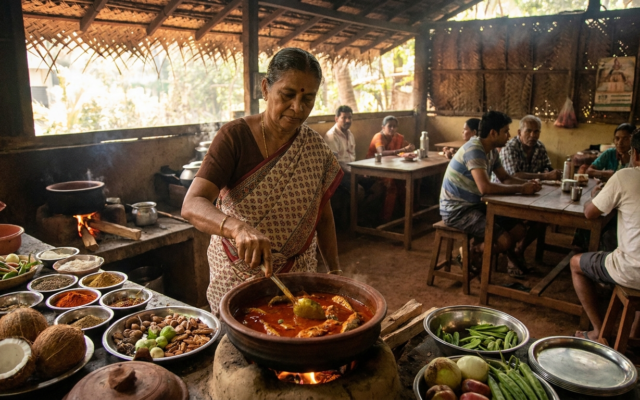
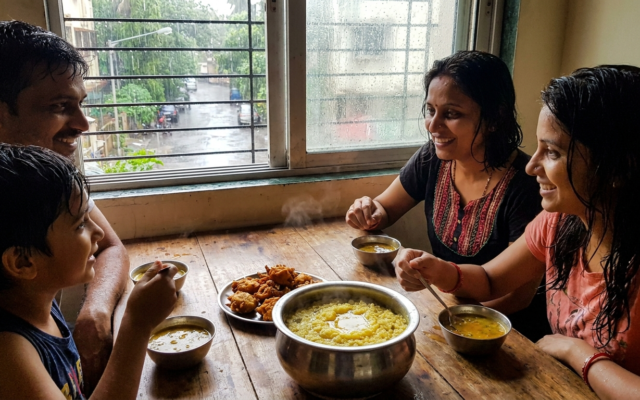
The aroma of freshly tempered spices, the gentle sizzle of onions, and the comforting warmth of a well-made breakfast – this is the quintessential Maharashtrian morning. For generations, dishes like poha and upma have formed the bedrock of our daily sustenance, offering not just nourishment but also a taste of home and tradition. These aren’t just meals; they are edible stories, passed down through families, each preparation carrying a unique legacy. In today’s fast-paced world, recreating these authentic flavours at home might seem daunting, but we’re here to show you how surprisingly simple it can be.
We’ll guide you through the essential ingredients and techniques, demystifying the process so you can bring the heart of a Maharashtrian kitchen right into your own. Whether you’re a seasoned cook or a beginner, these recipes are designed for ease and flavour. Get ready to transform your mornings with the vibrant tastes of Maharashtra. We’ll explore two of the most iconic dishes: Kanda Poha and Suji Upma, focusing on their classic preparations and offering tips for perfection.
Kanda Poha: The Golden Flakes of Comfort
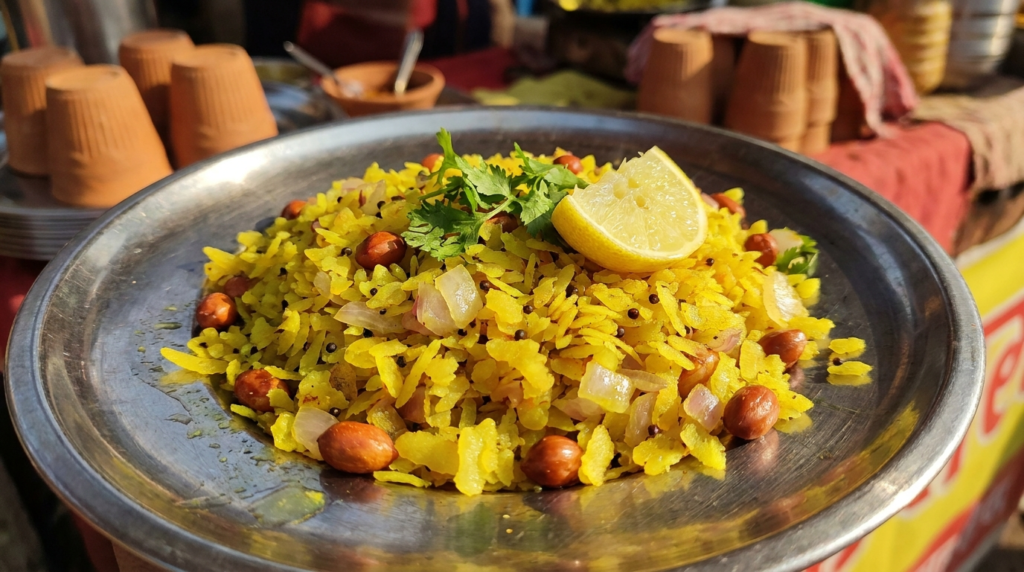
Kanda Poha, a beloved breakfast staple across Maharashtra, is more than just flattened rice. It’s a dish that embodies simplicity and flavour, a perfect start to any day. The magic lies in its preparation: transforming humble rice flakes into a light, fluffy, and incredibly satisfying meal. The key is to use the right kind of poha – medium or thick variety works best, as thin poha can turn mushy if not handled carefully.
The process begins with rinsing the poha lightly to soften it, taking care not to over-soak. Then comes the tempering, a crucial step where mustard seeds, cumin seeds, curry leaves, and green chillies are sautéed in hot oil, releasing their fragrant aromas. Finely chopped onions (kanda) are then added and sautéed until translucent, forming the flavour base. Turmeric powder lends its vibrant golden hue, and a pinch of sugar balances the flavours. The softened poha is then gently mixed in, ensuring each flake is coated with the aromatic spices. A squeeze of lemon juice just before serving adds a bright, zesty finish. For an authentic touch, garnish generously with fresh coriander leaves and grated coconut. Many families also add a handful of sprouted moong or peas for added nutrition and texture.
The Food Safety and Standards Authority of India (FSSAI) provides detailed nutritional information for common food items, highlighting that poha, when prepared with minimal oil and added vegetables, is a nutritious breakfast option. It’s a good source of carbohydrates, providing essential energy for your day. Different regions in Maharashtra have their own unique twists. For instance, in Kolhapur, you might find poha made spicier with extra red chilli powder. In Pune, a sweeter version with a touch of jaggery is sometimes preferred.
Suji Upma: A Wholesome and Versatile Classic
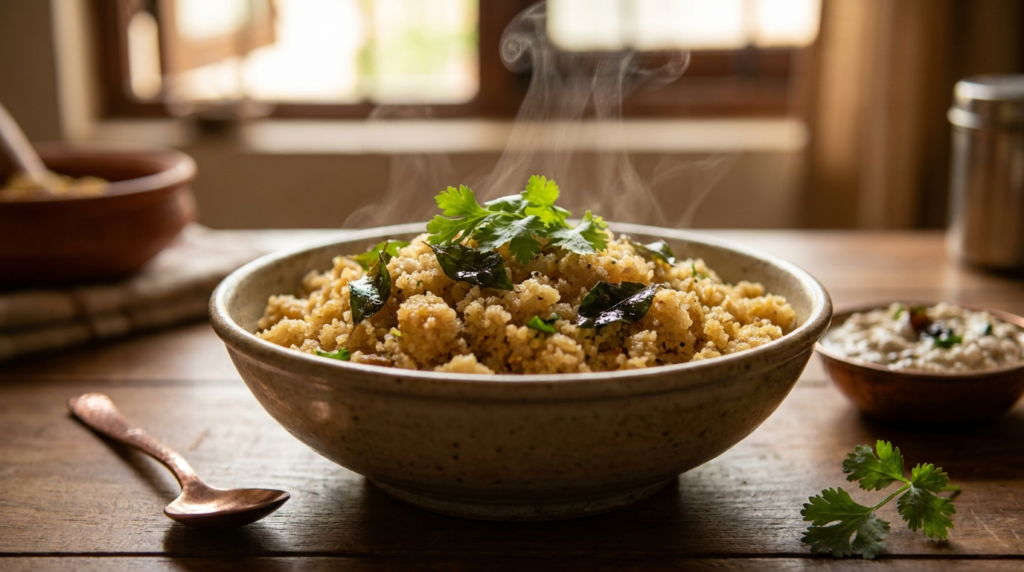
Suji Upma, often referred to as Rava Upma, is another cornerstone of the Maharashtrian breakfast table. It’s a dish renowned for its versatility and quick preparation, making it ideal for those rushed mornings. Unlike poha, upma is made from roasted semolina (suji or rava), which gives it a slightly granular texture and a heartier feel. The roasting process is vital; it prevents the upma from becoming sticky and imparts a nutty flavour.
To prepare upma, you’ll typically start by dry-roasting the semolina until it turns a light golden brown. Set this aside. In a separate pan, heat oil or ghee and add mustard seeds, urad dal, chana dal, curry leaves, and green chillies. Once the spices splutter, add finely chopped onions and sauté until they soften. Some variations include adding finely chopped carrots, peas, or beans at this stage for added colour and nutrients. Now, gradually add water – the ratio of water to semolina is crucial, usually around 2.5 to 3 cups of water for 1 cup of semolina, depending on the type of rava. Bring the water to a rolling boil. Slowly sprinkle in the roasted semolina while stirring continuously to prevent lumps. Cook until the upma thickens and the semolina absorbs all the water, usually for about 5-7 minutes. Cover and let it rest for a couple of minutes. Garnish with fresh coriander and a dollop of ghee for extra richness.
The Ministry of Agriculture & Farmers Welfare recognizes semolina as a valuable grain product, contributing to India’s agricultural output. Upma is a fantastic vehicle for incorporating vegetables, making it a balanced meal. A surprising fact is that while often seen as a simple breakfast, its texture and ability to absorb flavours make it a popular base for many regional variations, sometimes even including a hint of lemon or tamarind for tanginess.
Thalipeeth: The Nutritious Multigrain Pancake
Moving beyond the more common poha and upma, we delve into Thalipeeth, a truly special and nutritious Maharashtrian delicacy. This isn’t just a pancake; it’s a wholesome blend of various flours, packed with flavour and nutrition. The foundation of thalipeeth is a special multigrain flour mix, often called ‘bhajani’, which can be prepared at home or bought ready-made. This mix typically includes roasted jowar (sorghum), bajra (pearl millet), wheat, rice, and sometimes besan (gram flour) and dals like chana dal and urad dal.
The preparation involves mixing this bhajani flour with finely chopped onions, coriander leaves, green chillies, ginger-garlic paste, turmeric powder, red chilli powder, cumin seeds, and salt. A little bit of oil or ghee is added, and the mixture is then kneaded into a dough using water. The dough is then divided into portions, and each portion is flattened thinly on a wet plastic sheet or directly on a greased tava (griddle) using your fingertips to form a round pancake with a hole in the centre. This hole helps in even cooking. The thalipeeth is then cooked on a medium-hot tava with oil or ghee until both sides are golden brown and crisp. It’s traditionally served hot with a dollop of white butter, curd, or a spicy chutney like Thecha.
The variety of grains in thalipeeth makes it exceptionally nutritious. Jowar and bajra are rich in fibre and essential minerals. The inclusion of dals adds protein, making it a complete meal. A surprising fact about Thalipeeth is its historical significance as a peasant’s meal, utilizing readily available local grains to create a filling and energy-rich dish that could sustain hard labour. Its preparation is also a testament to culinary ingenuity, transforming simple ingredients into a complex and satisfying flavour profile.
| Dish | Primary Grain/Base | Typical Preparation Time | Key Flavours | Serving Suggestions |
|---|---|---|---|---|
| Kanda Poha | Flattened Rice (Poha) | 15-20 minutes | Onion, Turmeric, Mustard, Curry Leaves | Lemon wedge, Coriander, Grated Coconut |
| Suji Upma | Semolina (Rava/Suji) | 20-25 minutes | Ginger, Green Chilli, Mixed Dal (optional tempering) | Coriander, Ghee, Curd |
| Thalipeeth | Multigrain Flour Mix (Bhajani) | 30-40 minutes (including dough prep) | Spices, Herbs, Onions | White Butter, Curd, Thecha (Chilli Chutney) |
The Soul of Maharashtrian Cooking: Ingredients and Techniques
The authentic taste of Maharashtrian breakfast dishes lies not just in the recipes but in the quality of ingredients and the fundamental cooking techniques employed. At the heart of most Maharashtrian cooking is a carefully balanced blend of spices and aromatics. Mustard seeds (rai) and cumin seeds (jeera) are almost always the starting point for tempering, providing a warm, earthy base. Curry leaves (kadi patta) add a distinctive, slightly pungent aroma that is unmistakably Maharashtrian. Fresh green chillies and ginger-garlic paste offer a kick of heat and depth.
Turmeric powder (haldi) is essential for its vibrant colour and subtle earthy flavour, while red chilli powder (lal mirch powder) adds heat. A pinch of asafoetida (hing) is often included in tempering for its pungent, savoury notes and digestive properties. The use of oil, primarily groundnut oil or sunflower oil, is common, though ghee is favoured for its richness, especially in dishes like upma or for finishing. Fresh coriander leaves (kothimbir) are indispensable for garnishing, adding freshness and visual appeal.
The techniques themselves are often simple but require attention to detail. The precise rinsing and soaking of poha, the gentle roasting of semolina, and the careful kneading and flattening of thalipeeth dough are all crucial steps. The concept of ‘tadka’ or tempering is central to Maharashtrian cuisine, infusing the primary ingredients with layered flavours right at the beginning of the cooking process. Mastering these basics allows you to unlock the true essence of Maharashtrian breakfasts. The Agricultural and Processed Food Products Export Development Authority (APEDA) highlights the global demand for Indian spices, underscoring their importance in culinary traditions.
Beyond Breakfast: Maharashtrian Flavours for Any Time
While we’ve focused on breakfast, the flavours and ingredients that define Maharashtrian morning meals are versatile enough to be enjoyed at any time of the day. The simple yet robust taste profiles of poha and upma make them excellent light lunch or snack options. You can easily elevate them by adding more vegetables, protein sources like sprouts or paneer, or even a dash of homemade pickle.
Thalipeeth, with its inherent nutritional density, is a complete meal in itself and can be a satisfying lunch or a hearty dinner. Imagine a steaming hot thalipeeth served with a cooling bowl of curd and a spicy green chutney – it’s a meal that nourishes both body and soul. These dishes are also perfect for packed lunches, retaining their flavour and texture well.
The philosophy behind Maharashtrian cuisine is one of mindful eating, using fresh, seasonal ingredients to create dishes that are both delicious and wholesome. Whether you’re preparing a quick breakfast or a more elaborate meal, these recipes offer a gateway into a rich culinary heritage. The tradition of sharing food is deeply ingrained in Indian culture, and these accessible Maharashtrian recipes allow you to share a piece of this vibrant heritage with your loved ones.
The true beauty of Maharashtrian breakfasts lies in their ability to be both deeply comforting and remarkably adaptable, a perfect reflection of the region’s resilient spirit and warm hospitality.
Frequently Asked Questions
Can I make these dishes ahead of time?
While Kanda Poha and Suji Upma are best enjoyed fresh, you can prepare some components in advance. For poha, you can rinse and drain it just before cooking. For upma, you can dry roast the semolina and chop vegetables beforehand. Thalipeeth dough can be made a few hours ahead and stored in the refrigerator.
Are there vegan options for these recipes?
Absolutely! Kanda Poha and Suji Upma are naturally vegan if you use oil instead of ghee and omit any dairy garnishes like curd. Thalipeeth is also vegan as it’s typically made with water and flour. Ensure any store-bought bhajani mix doesn’t contain non-vegan ingredients.
What are some other popular Maharashtrian breakfast dishes?
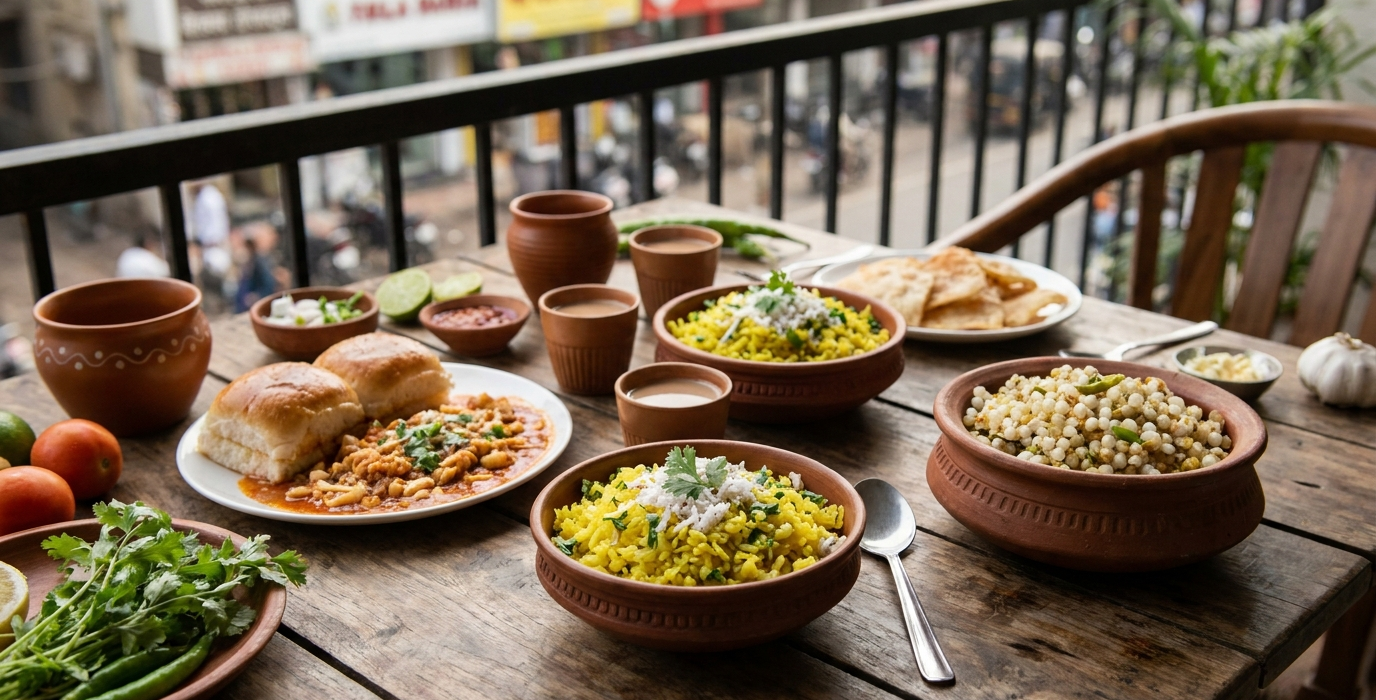
Beyond Poha and Upma, you might enjoy dishes like Sabudana Khichdi (tapioca pearl dish, often eaten during fasting days), Misal Pav (spicy sprout curry served with bread), and Dadape Pohe (a variation of poha mixed with yogurt).
How can I make my poha or upma less mushy?
For poha, ensure you rinse it gently and don’t over-soak. Use medium or thick poha. For upma, the key is to roast the semolina well and add water gradually while stirring continuously to avoid lumps. Letting the upma rest after cooking also helps achieve the right texture.