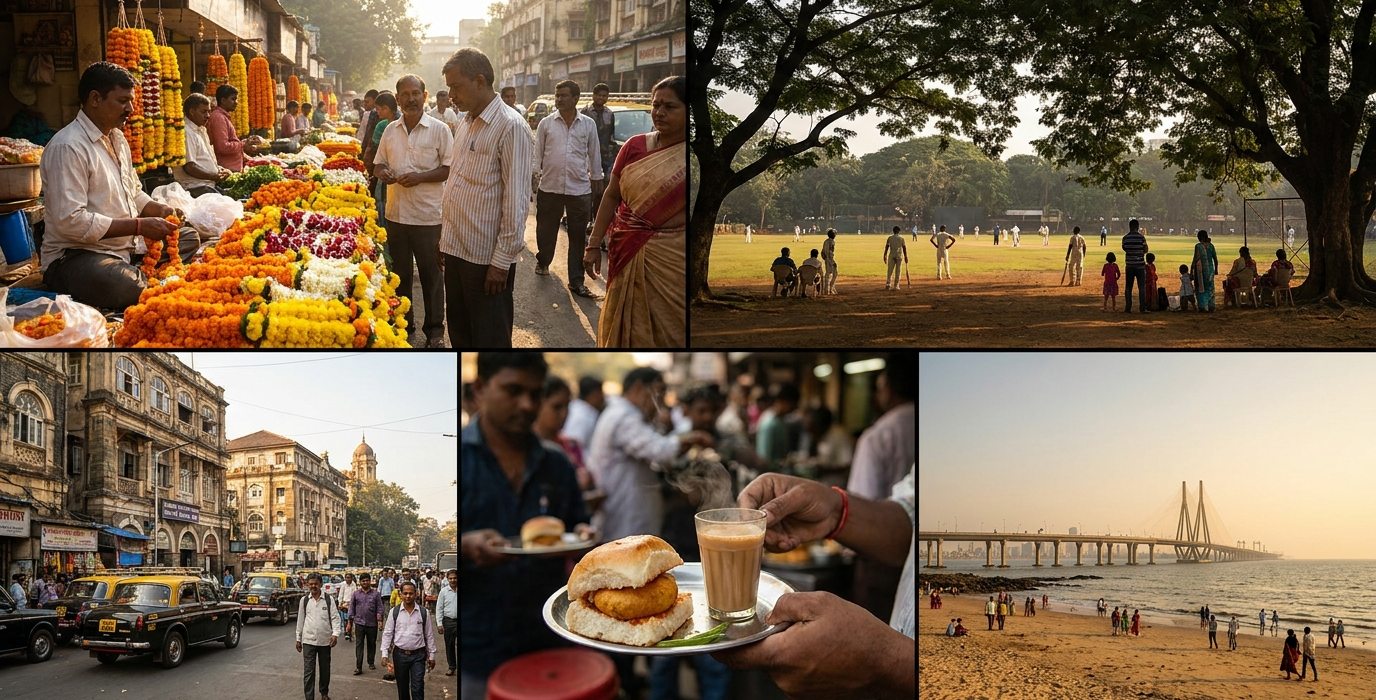
Dadar, Mumbai’s vibrant heart, pulses with history, culture, and an energy that draws you in. Whether you’re a lifelong Mumbaikar or a curious visitor, discovering its multifaceted charm is an experience like no other.
Key Takeaways
- Explore the iconic Siddhivinayak Temple, a major pilgrimage site drawing millions annually.
- Immerse yourself in Matunga’s cultural enclave, renowned for its South Indian heritage, music, and exquisite cuisine.
- Discover Shivaji Park, a sprawling green space steeped in cricketing history and community life.
- Experience the Dadar Flower Market’s sensory explosion of colours and aromas, a must-visit for its vibrant atmosphere.
- Uncover the art deco treasures and colonial charm of Dadar East, a testament to Mumbai’s architectural evolution.
The Spiritual Heartbeat: Shri Siddhivinayak Temple
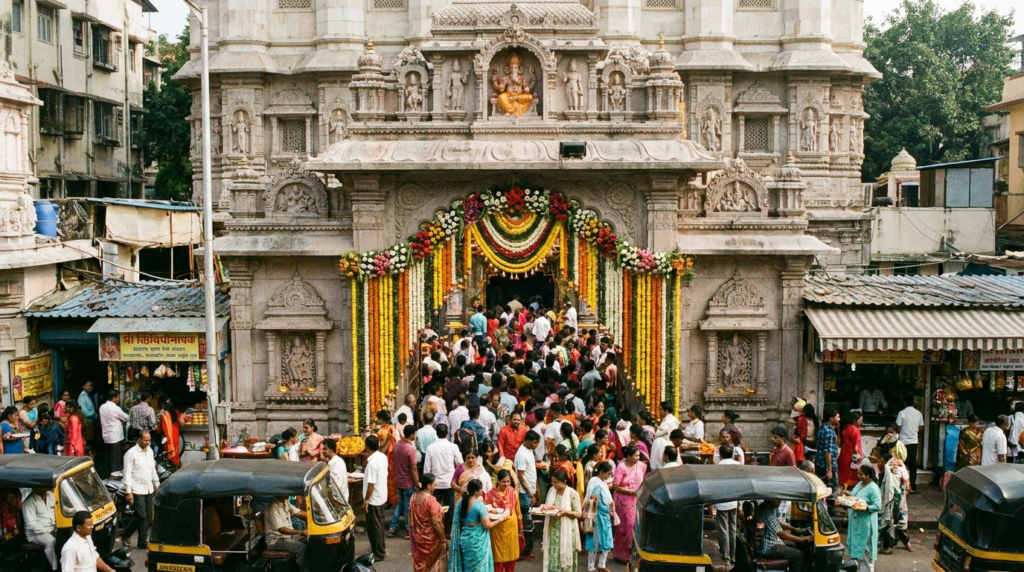
No exploration of Dadar is complete without a visit to the revered Shri Siddhivinayak Temple. This iconic landmark, dedicated to Lord Ganesha, is not just a place of worship but a significant cultural beacon for Mumbai and India. Millions of devotees flock here annually, seeking blessings and experiencing the palpable spiritual energy that permeates the air. The temple’s architecture is a blend of traditional and modern, reflecting its journey from a small shrine to its current grand stature. You’ll find a unique sense of peace and devotion here, regardless of your personal beliefs.
The temple’s origins trace back to the early 19th century, and its popularity has surged over the decades, making it one of the wealthiest temples in India. The daily rituals are a spectacle in themselves, with priests performing ‘aartis’ with great fervour. Plan your visit, especially during festivals like Ganesh Chaturthi, to witness the full extent of its grandeur, though be prepared for significant crowds. The surrounding area bustles with activity, offering small shops selling religious paraphernalia and local snacks. The accessibility of Siddhivinayak Temple via public transport makes it an easy addition to any Mumbai itinerary.
Matunga: A Haven of South Indian Culture
Venture into Matunga, often referred to as the “Little Madras” of Mumbai, and you’ll be transported to a vibrant South Indian enclave. This neighbourhood is a sensory delight, brimming with the aroma of filter coffee, the sound of Carnatic music drifting from homes, and the colourful displays of traditional silks. Matunga is a cultural hub for the Tamil and Telugu communities in Mumbai, and their influence is evident in every facet of life here. You can spend hours exploring its narrow lanes, discovering authentic South Indian eateries that serve everything from crispy dosas to flavourful sambar.
The area is also a significant centre for arts and education, with numerous institutions dedicated to music, dance, and literature. Many renowned classical musicians and dancers call Matunga home, and it’s not uncommon to stumble upon impromptu performances or cultural gatherings. The Dadar-Matunga Flower Market nearby is another must-visit, especially in the early morning, offering an explosion of colours and fragrances. For those seeking a deeper cultural immersion, Matunga provides an unparalleled glimpse into the rich South Indian heritage within the bustling metropolis of Mumbai.
Shivaji Park: The Crucible of Cricketing Dreams
Shivaji Park, affectionately known as “Shivaji’s Maidan,” is more than just a large public garden; it’s a legendary sporting arena and the heart of Dadar’s community life. This expansive green space has witnessed generations of Mumbaikars hone their skills, particularly in cricket. It’s a familiar sight to see youngsters and seasoned players alike practicing on its grounds, many of whom have gone on to represent India on the international stage. The sheer number of cricket academies and nets operating here is astounding, making it a true nursery for cricketing talent.
Beyond cricket, Shivaji Park serves as a vital recreational hub for the local populace. On any given day, you’ll find families picnicking, elders engaging in friendly games of carrom or chess, and children playing. The park is surrounded by significant landmarks, including the grand Shivaji Park Gymkhana and the memorial to the legendary Marathi leader. In the evenings, the pathways come alive with walkers and joggers, creating a vibrant atmosphere. The park is also a frequent venue for political rallies, cultural festivals, and social gatherings, underscoring its role as a central meeting point for the community.
The Dadar Flower Market: A Riot of Colour and Fragrance
Prepare your senses for an unforgettable experience at the Dadar Flower Market, a vibrant and bustling hub of floral commerce. Located near the Dadar railway station, this market is an explosion of colours, scents, and activity, especially in the pre-dawn hours. Here, you can witness the incredible dedication of vendors who arrive in the dead of night to procure the freshest blooms for sale. From garlands of marigolds and jasmine to exotic orchids and roses, the variety is staggering. The air is thick with the sweet, intoxicating perfume of countless flowers, a truly unique sensory experience.
This market is not just a place for wholesale transactions; it’s a lively spectacle that draws photographers, tourists, and locals alike. You’ll see piles of vibrant yellow marigolds, fragrant strands of mogra, and intricately woven floral arrangements. It’s a testament to the deep-rooted traditions of floral offerings in religious ceremonies, weddings, and everyday life across India. While the market is most active before sunrise, visiting later in the morning still offers a colourful glimpse into this essential aspect of Mumbai’s daily rhythm. A surprising fact is that the market operates with an incredible efficiency, facilitating the distribution of thousands of kilograms of flowers daily to various parts of the city.
Dadar East: An Art Deco and Architectural Tapestry
Dadar East unfolds as a fascinating district where architectural grandeur meets urban planning. This part of Dadar is celebrated for its significant collection of Art Deco buildings, a style that flourished in the city during the early to mid-20th century. Walking through its streets, you’ll encounter elegant facades, geometric patterns, and stylish motifs that speak of a bygone era of architectural innovation. These buildings, often residential blocks and commercial establishments, stand as a testament to Mumbai’s cosmopolitan past and its embrace of global design trends.
Beyond the Art Deco gems, Dadar East also showcases a blend of colonial-era structures and modern developments. The area’s strategic location and its connectivity through the railway station have made it a bustling commercial and residential zone. You can find bustling markets, educational institutions, and a lively street life coexisting harmoniously with the historical architecture. The proximity to the sea also adds to its charm, offering glimpses of the Arabian Sea from certain vantage points. Exploring Dadar East is like taking a walk through Mumbai’s architectural history, revealing layers of design and urban evolution.
Beyond the Landmarks: Culinary and Shopping Discoveries
While Dadar’s prominent landmarks draw significant attention, its true charm often lies in the smaller discoveries you make along its bylanes. For the food enthusiast, Dadar is a paradise, particularly the Matunga side, which offers an authentic South Indian culinary journey. You can indulge in a traditional thali at eateries like Anand Bhavan or sample crispy dosas and flavourful idlis at the famous Ram Ashray. The aroma of freshly brewed filter coffee is a constant companion as you explore these culinary havens. The commitment to quality and traditional preparation methods ensures a delightful gastronomic experience.
Shopping in Dadar is equally rewarding, offering a diverse range of options. While the flower market is a sensory delight, the local markets provide everything from textiles and clothing to household items. You’ll find bustling bazaars where bargaining is an art form, offering a quintessential Indian shopping experience. For those interested in traditional crafts and artefacts, exploring the smaller shops can lead to unique finds. A particular delight for shoppers is the array of imitation jewellery and ethnic wear available, reflecting the latest fashion trends at affordable prices.
“Dadar isn’t just a place on a map; it’s a living, breathing narrative of Mumbai’s spirit, weaving together devotion, culture, sport, and the everyday hustle of life.”
Frequently Asked Questions
What is the best time to visit the Dadar Flower Market?
The Dadar Flower Market is most vibrant and active in the early morning hours, typically between 4 AM and 7 AM. This is when vendors bring in the freshest flowers from across the region. While it’s a sensory spectacle at this hour, it can be crowded. You can still experience the colours and atmosphere later in the morning, though the selection might be reduced.
How can I travel to Shri Siddhivinayak Temple?
Shri Siddhivinayak Temple is extremely well-connected by public transport. You can easily reach it via local trains to Dadar railway station, which is one of the busiest junctions in Mumbai. From the station, auto-rickshaws and local buses are readily available to take you directly to the temple, which is a short distance away. Taxis and ride-sharing services are also convenient options.
Are there any specific cultural events happening in Matunga?
Matunga often hosts various South Indian cultural events, music concerts, and dance performances, especially during festival seasons like Margazhi (December-January). It’s advisable to check local event listings or community boards closer to your visit for specific schedules. Many temples in the area also have regular cultural programmes.
What kind of food should I try in Dadar?
In Dadar, you must try South Indian delicacies like dosas, idlis, vadas, and filter coffee, especially in the Matunga area. For a more general Mumbai experience, you can find delicious street food like Vada Pav and Pav Bhaji in the local markets. Don’t miss the chance to sample traditional Maharashtrian snacks and sweets.