Key Takeaways
- Discover five simple, delicious dry paneer recipes perfect for busy 2026 weeknights, requiring minimal prep time.
- Learn how to elevate everyday paneer with aromatic spices and quick cooking techniques for restaurant-quality results at home.
- Explore variations from classic North Indian flavours to innovative fusion twists, catering to diverse palates.
- Get practical tips on paneer selection and storage to ensure the best texture and taste in your dishes.
Mastering the Art of Quick Dry Paneer in 2026
In the whirlwind of 2026 life, finding time to prepare a wholesome, flavourful meal can feel like a Herculean task. Yet, the craving for something satisfying and Indian persists. Enter dry paneer dishes – versatile, protein-rich, and surprisingly quick to assemble. We’re talking about dishes that can go from pantry to plate in under 30 minutes, perfect for those evenings when you’re juggling work calls and family commitments. Forget complex gravies and lengthy simmering times; these recipes focus on speed and punchy flavours.
Paneer, that beloved Indian cheese, offers a blank canvas for an explosion of spices. Its firm texture holds up beautifully to quick stir-fries and tawa preparations. Whether you’re a seasoned cook or a beginner looking to impress, mastering a few reliable dry paneer recipes can transform your weeknight dinners. We’ve curated five distinct recipes that showcase the incredible versatility of this ingredient, designed for the modern Indian kitchen and beyond. Get ready to explore quick, delicious, and genuinely satisfying paneer preparations that will become your new go-to favourites.
1. Kadai Paneer: The Fiery Classic Revisited
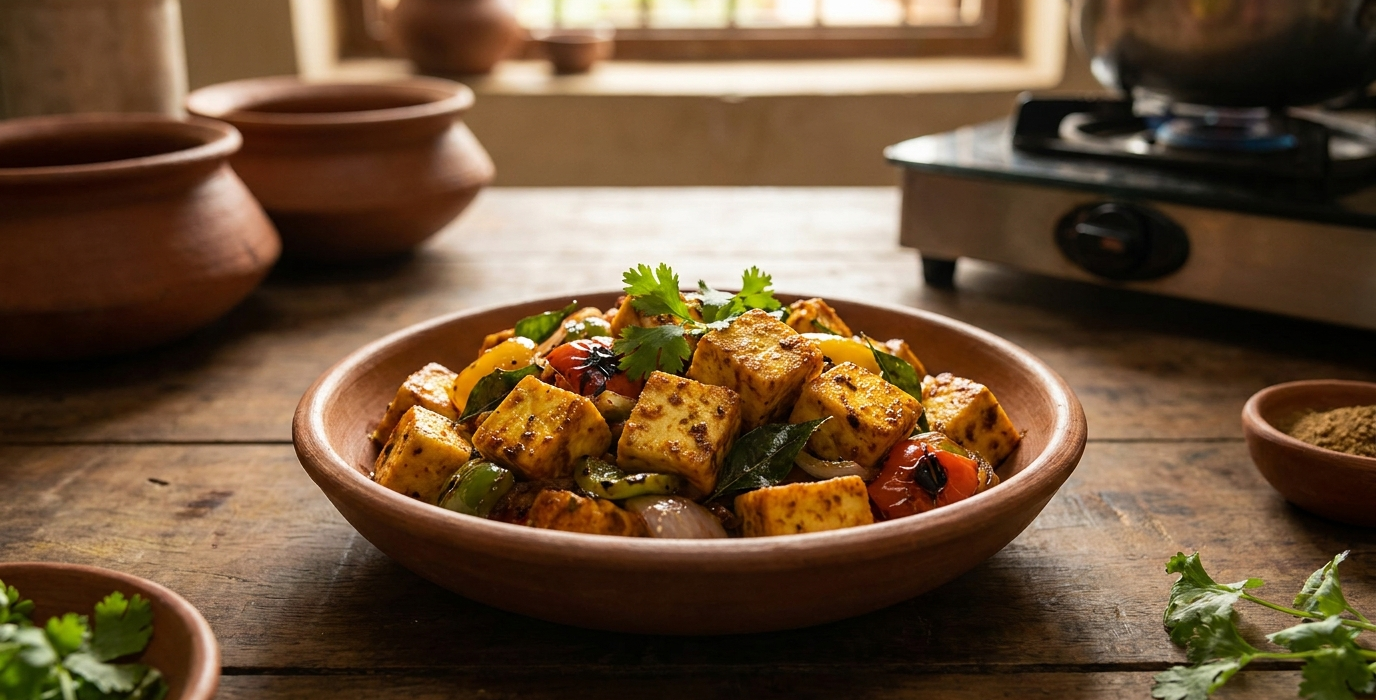
Kadai Paneer is a cornerstone of North Indian cuisine, and for good reason. The unique aroma and flavour come from cooking the dish in a kadai (a wok-like pan) with freshly ground kadai masala. This blend, typically featuring coriander seeds, red chillies, and a touch of fennel, forms the soul of the dish. For a 2026 update, we’re streamlining the process without compromising on that authentic taste.
Start by cubing 250 grams of firm paneer. For that extra zing, lightly pan-fry the paneer cubes until golden brown; this step is optional but adds a delightful texture. Prepare your kadai masala by dry-roasting coriander seeds, cumin seeds, and dried red chillies, then grinding them to a coarse powder. Sauté onions and ginger-garlic paste until fragrant, then add your freshly ground kadai masala. Next, toss in diced capsicum and tomatoes, allowing them to soften slightly. Finally, add the paneer cubes, a splash of water if needed, and cook for just a few minutes until the flavours meld beautifully. A garnish of fresh coriander leaves and a squeeze of lemon juice completes this vibrant dish. This recipe adheres to the traditional method of using a kadai for even heating and superior flavour development. You can find authentic recipes and ingredient sourcing tips on the Food Safety and Standards Authority of India (FSSAI) website, which often features traditional Indian cooking methods.
2. Achari Paneer Tikka: Tangy Bites for Any Occasion
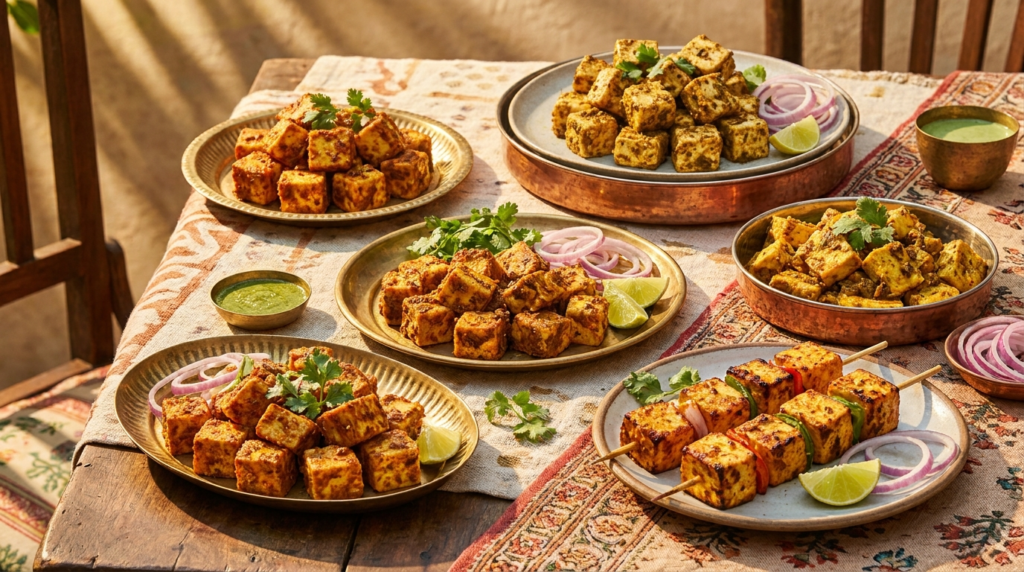
Who says tikka needs a grill? Achari Paneer Tikka brings the irresistible tangy, spicy flavours of Indian pickles right to your stovetop or oven in 2026. This recipe uses a homemade achari masala that mimics the complex taste of traditional mango or mixed vegetable pickles, but with a fraction of the effort. It’s perfect as a starter or a light main course served with roti or naan.
Begin by marinating paneer cubes (about 250 grams) in a mixture of thick yogurt, ginger-garlic paste, turmeric powder, red chilli powder, and salt. The star of the show is the achari masala: combine mustard seeds, fenugreek seeds, fennel seeds, nigella seeds, and dried red chillies, dry roast them, and then grind to a coarse powder. Add a tablespoon of this achari masala, along with a teaspoon of pickle oil (or a little mustard oil with a pinch of amchur/dry mango powder for tang), to the paneer marinade. Let it sit for at least 15-20 minutes. You can then skewer the marinated paneer cubes along with chunks of onion, tomatoes, and capsicum. Cook these skewers on a non-stick tawa or bake them in a preheated oven at 200°C for about 15-20 minutes, turning occasionally, until they are lightly charred and cooked through. The result is a burst of tangy, spicy, and savoury flavours that are incredibly addictive. The traditional achari masala uses a specific blend of spices; understanding their properties can elevate your cooking. For information on spice profiles and their culinary uses, exploring resources from the Agricultural and Processed Food Products Export Development Authority (APEDA), which promotes Indian agricultural products, can offer insights into the sourcing and quality of these spices.

3. Chilli Paneer (Indo-Chinese Style): A Fusion Favourite
The Indo-Chinese culinary scene has exploded in India, and Chilli Paneer is arguably its most beloved dish. This 2026 version focuses on achieving that perfect balance of sweet, sour, and spicy, with a satisfyingly crisp paneer texture. It’s a dish that appeals to all ages and is incredibly quick to prepare once your ingredients are prepped.
Start by coating 250 grams of paneer cubes in a light batter of cornflour, plain flour, salt, and a pinch of black pepper, adding a little water to form a thick coating. Deep-fry or shallow-fry the paneer until golden and crisp. In a separate pan, heat some oil and stir-fry finely chopped garlic, ginger, and green chillies. Add diced onions and capsicum, sautéing them until they are tender-crisp. For the sauce, whisk together soy sauce, vinegar, chilli sauce, a touch of sugar, and a cornflour slurry (cornflour mixed with water). Pour this sauce into the pan and cook until it thickens. Gently toss in the fried paneer cubes, ensuring they are coated evenly. Garnish with spring onions. A surprising fact about the popularity of Indo-Chinese food in India is that its origins can be traced back to the Chinese diaspora in Kolkata in the late 19th century. For more on this unique culinary fusion and its evolution, you might find information on the Ministry of Culture’s portal, which sometimes highlights cultural intersections like this.
4. Paneer Bhurji: The Ultimate Comfort Food
Paneer Bhurji is the epitome of a quick, healthy, and delicious Indian meal. It’s essentially scrambled paneer cooked with aromatic spices and vegetables, making it incredibly adaptable to your pantry’s contents. This 2026 iteration focuses on maximizing flavour with minimal fuss, perfect for a speedy breakfast, lunch, or light dinner.
Crumble 250 grams of paneer into a bowl. In a non-stick pan, heat a tablespoon of ghee or oil. Add cumin seeds and let them splutter. Sauté finely chopped onions until translucent, then add chopped tomatoes, green chillies, and ginger-garlic paste. Cook until the tomatoes soften and the oil begins to separate. Now, add your spice powders: turmeric, red chilli powder, coriander powder, and garam masala. Stir well. Add the crumbled paneer to the pan and cook for just 5-7 minutes, stirring continuously, until the paneer is heated through and well combined with the spices. Avoid overcooking, as this can make the paneer tough. Season with salt. For an extra layer of flavour, you can add finely chopped capsicum, peas, or even bell peppers along with the onions and tomatoes. A generous garnish of fresh coriander leaves and a squeeze of lime juice is essential. Many Indian households have their own unique variations of Bhurji, passed down through generations. The nutritional benefits of paneer, rich in protein and calcium, make it a popular choice for health-conscious individuals. Information on the dietary composition of common Indian foods can often be found on the NITI Aayog’s website, which outlines national health and nutrition policies.
5. Palak Paneer (Dry Version): A Speedy Green Delight
While Palak Paneer is often associated with a rich gravy, a dry version can be just as flavourful and significantly quicker to prepare in 2026. This recipe offers a healthy dose of greens and protein, perfect for a light meal or a side dish. It’s a testament to how traditional dishes can be adapted for modern, busy lifestyles.
Blanch about 200 grams of fresh spinach leaves in hot water for a minute, then immediately plunge them into ice-cold water. Squeeze out excess water and purée the spinach to a coarse or fine paste, depending on your preference. In a pan, heat a tablespoon of oil or ghee. Add cumin seeds, and once they splutter, add finely chopped onions and sauté until golden brown. Add chopped tomatoes, ginger-garlic paste, and green chillies, and cook until the tomatoes are soft. Stir in turmeric powder, red chilli powder, and coriander powder. Add the spinach purée and cook for about 5-7 minutes, allowing the raw smell of the spinach to dissipate. Now, add cubed paneer (around 200 grams) and garam masala. Mix gently and cook for another 2-3 minutes until the paneer is heated through. Season with salt. This dry version retains the essence of Palak Paneer while being incredibly fast. A surprising fact is that spinach, the core ingredient, is believed to have originated in Persia, eventually making its way to India centuries ago, where it became a staple in many regional cuisines.
“The beauty of dry paneer dishes lies in their adaptability and speed. With just a few key spices and fresh ingredients, you can create a satisfying meal that tastes like it took hours to prepare.”
Frequently Asked Questions
What is the best type of paneer to use for dry recipes?
For dry paneer recipes, it’s best to use firm, fresh paneer. Avoid overly soft or watery paneer, as it can crumble too much during cooking. If your paneer seems a bit soft, you can press it gently between paper towels to remove excess moisture before cubing or crumbling.
Can I make these dry paneer recipes ahead of time?
While some dishes like Paneer Bhurji are best enjoyed fresh, others can be partially prepared. You can chop all your vegetables and even make the spice blends in advance. For recipes like Kadai Paneer or Chilli Paneer, it’s ideal to cook them just before serving to maintain the best texture and flavour, especially for the paneer.
Are there vegan alternatives to paneer for these recipes?
Yes, you can substitute paneer with firm tofu for a vegan option. Ensure you press the tofu well to remove excess water before cubing and marinating. The cooking times might vary slightly, so keep an eye on it during the preparation process.
How can I make the paneer more flavourful in these dry dishes?
Marinating the paneer for at least 15-20 minutes before cooking can significantly enhance its flavour. For recipes like Achari Paneer Tikka, the marinade is crucial. Even for simpler dishes, a quick toss in a bit of yogurt and spices before adding to the pan works wonders. Pan-frying paneer lightly before adding it to the dish also gives it a lovely texture and a slightly nutty flavour.