Key Takeaways
- Specific acupressure points, like LI4 and GB20, can offer natural relief for managing high blood pressure.
- Consistency is key; regular application of pressure for short durations can yield better results.
- Acupressure should be seen as a complementary therapy, not a replacement for conventional medical treatment.
- Always consult with a healthcare professional before starting any new treatment, including acupressure.
Understanding Acupressure and Hypertension in 2026
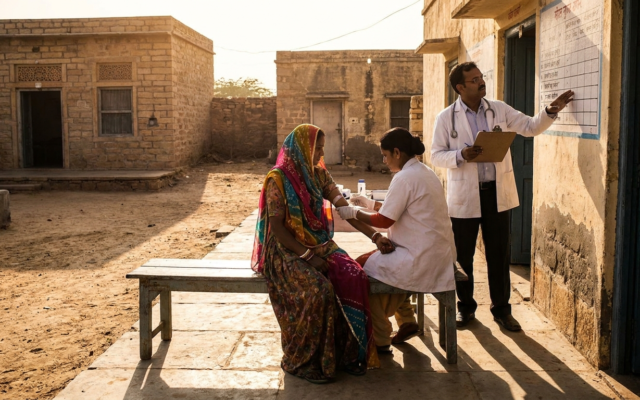
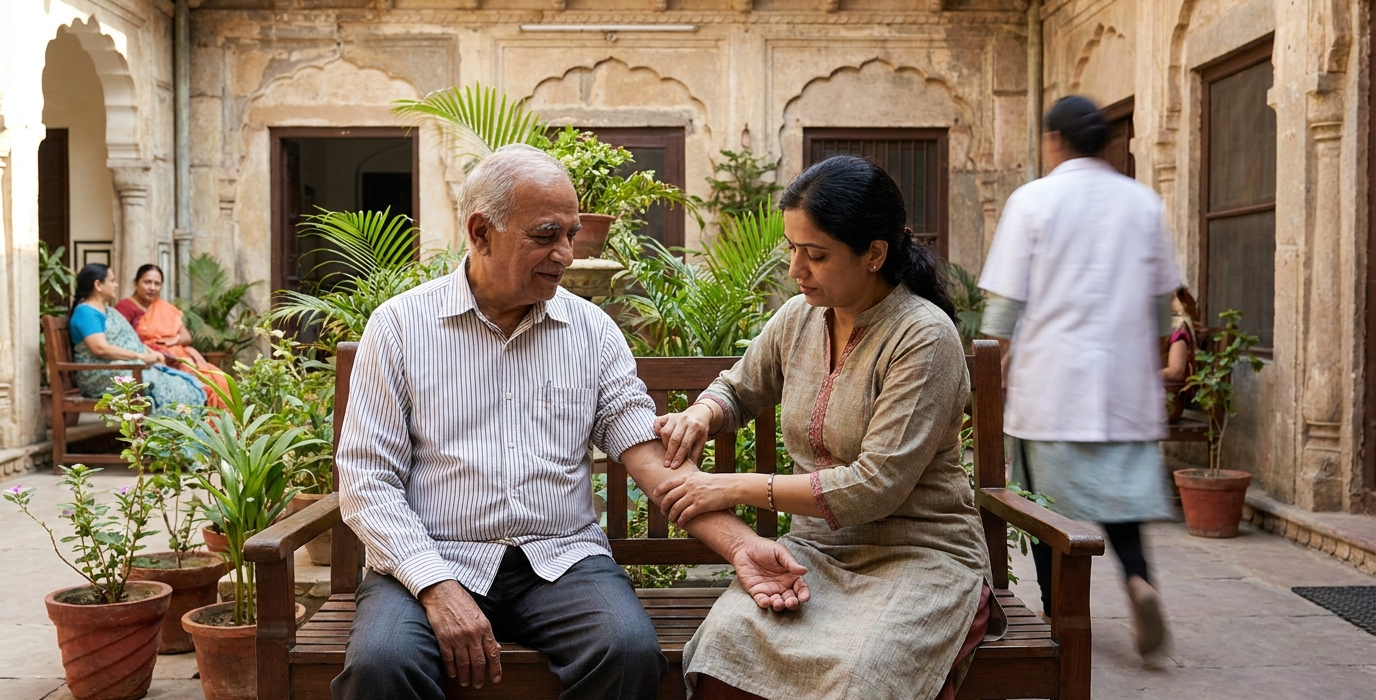
In our fast-paced lives, managing health challenges like high blood pressure (hypertension) has become a priority for millions across India and globally. While modern medicine offers robust solutions, many are seeking complementary and natural approaches. Acupressure, an ancient Chinese healing art, offers a gentle yet effective way to potentially help regulate blood pressure by stimulating specific points on the body.
This practice is rooted in the belief that a vital energy, known as Qi, flows through meridians in the body. Blockages or imbalances in this flow are thought to cause illness. Acupressure aims to restore this balance by applying pressure to precise points, thereby promoting the body’s natural healing abilities. In 2026, as awareness of holistic health grows, understanding these techniques can empower you to take a more active role in your well-being.
It’s crucial to remember that while acupressure can be beneficial, it should not replace prescribed medications or professional medical advice from your doctor. Think of it as a supportive tool in your overall health management strategy. We will explore some of the most effective points for hypertension, offering you practical guidance to incorporate this therapy into your routine.
The Power of Point LI4: Hegu for Headache and Blood Pressure
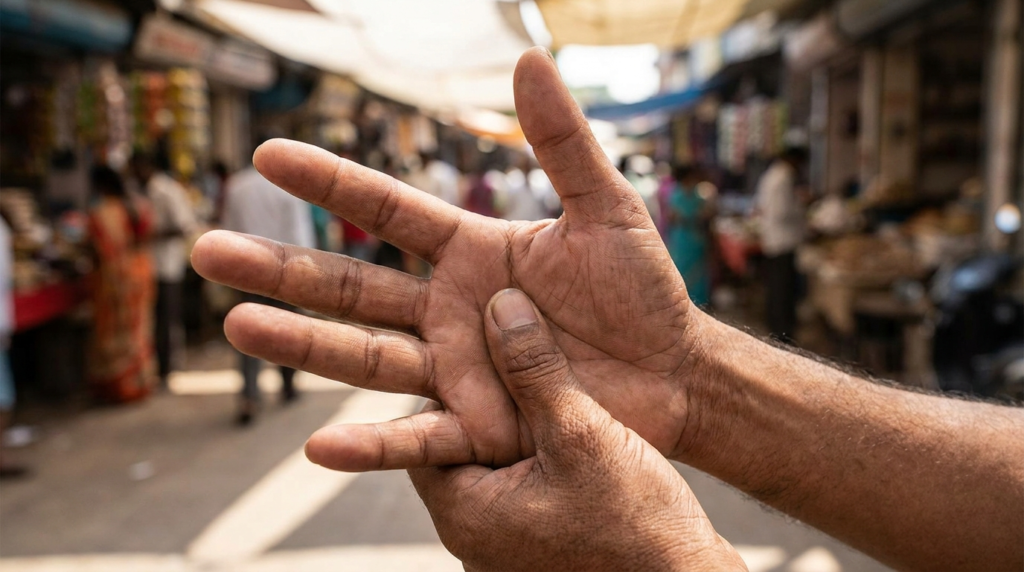
One of the most well-known and versatile acupressure points is LI4, also known as Hegu. This point is located in the fleshy webbing between your thumb and index finger. To find it, press the thumb and index finger of one hand together; the highest point of the muscle bulge is LI4.
LI4 is renowned for its ability to relieve headaches and facial pain, but it also plays a significant role in regulating blood flow and can be beneficial for managing hypertension. Applying firm, deep pressure to this point for 1-2 minutes, then switching to the other hand, can help alleviate tension and promote relaxation. It is recommended to do this several times a day, especially when feeling stressed or experiencing early signs of elevated blood pressure.
Interestingly, LI4 is one of the most widely used points in acupressure and acupuncture, recognized across many traditions for its broad therapeutic effects. It is believed to boost the immune system and clear stagnation in the body. However, it’s important to note that LI4 is contraindicated for pregnant women as it can stimulate uterine contractions. Always be mindful of this if you or someone you are treating is expecting.
Exploring Point ST36: Zusanli for Vitality and Digestion
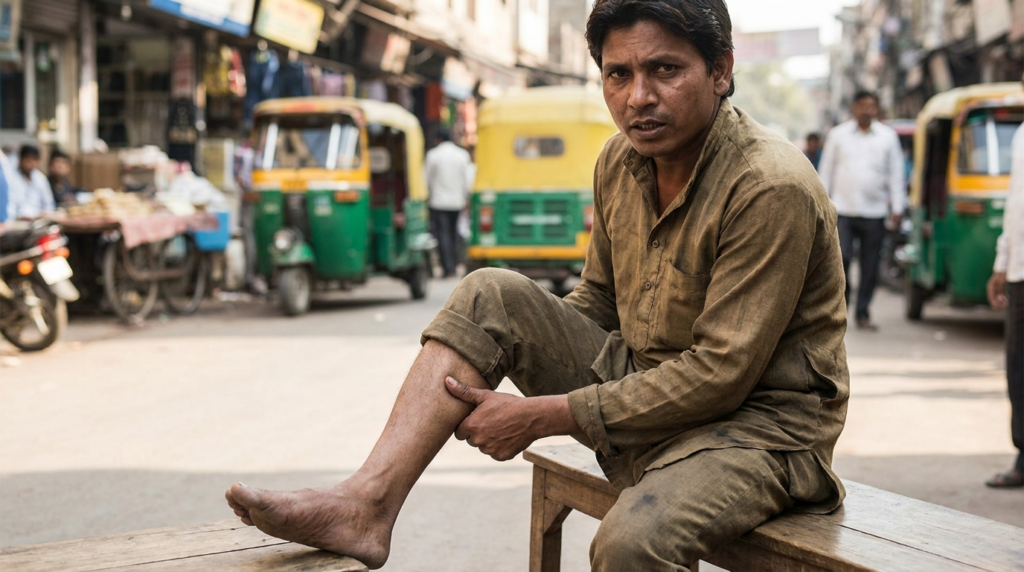
Another potent point, ST36 or Zusanli, is located on the lower leg, about four finger-breadths below the kneecap and one finger-breadth to the outside of the shinbone. This point is a cornerstone in traditional medicine for boosting overall vitality, strengthening the digestive system, and promoting longevity. Its influence extends to regulating the body’s energy flow, which can indirectly impact blood pressure.
To stimulate ST36, you can use your thumb or fingertips to apply firm, circular pressure for 1-3 minutes. Many people find it beneficial to stimulate this point on both legs, perhaps during meditation or while relaxing. Regular massage of Zusanli is believed to enhance the body’s resilience and improve circulation, contributing to a more stable cardiovascular system. Its effectiveness is supported by modern research into the benefits of stimulating acupuncture points for various health conditions.
A surprising fact about ST36 is its historical significance. Ancient texts describe moxibustion (burning of dried herbs on or near the skin) on this point to ward off disease and prolong life. Its widespread use across centuries highlights its perceived importance in maintaining health and well-being. For individuals managing hypertension, regular attention to ST36 can be a valuable part of a holistic approach.
Point GB20: Fengchi for Neck Tension and Blood Pressure Control
The points known as GB20, or Fengchi, are located at the base of the skull, in the hollows on either side of where your neck muscles attach to your head. These points are particularly effective for relieving neck and shoulder tension, headaches, and eye strain, all of which can be associated with high blood pressure. Releasing this tension can help improve blood flow and reduce stress on the cardiovascular system.
To access Fengchi, gently tilt your head back slightly and use your thumbs to apply firm, upward pressure into the hollows. You can also use a gentle circular massage motion. Holding the pressure for about 2 minutes, then repeating on the other side, can bring significant relief. This practice is especially beneficial after long hours of work or periods of mental exertion, common in urban centers like Mumbai or Bengaluru.
The Fengchi points are thought to clear blockages in the head and neck, allowing for smoother circulation of Qi and blood. By alleviating the pressure and stiffness in this region, you can help create a sense of calm and ease, which is conducive to lower blood pressure. Many find this point particularly soothing, providing a quick respite from the day’s pressures. The effectiveness of these points is acknowledged by practitioners worldwide, including those at established wellness centers in Delhi.
Point LR3: Taichong for Stress and Liver Qi Stagnation
The Liver meridian is closely associated with emotions and stress in traditional Chinese medicine, and imbalances here can manifest as irritability and high blood pressure. LR3, or Taichong, is a key point on the Liver meridian, located on the top of the foot, in the depression between the big toe and the second toe. It’s found about two finger-breadths up from the webbing of these toes.
Stimulating Taichong can help to smooth the flow of Liver Qi, reduce stress, and calm the mind, all of which can contribute to better blood pressure management. Use your thumb to apply firm, downward pressure for about 1-2 minutes, then repeat on the other foot. This point is particularly useful for individuals who experience high blood pressure linked to frustration or anger.
A fascinating aspect of LR3 is its role in managing headaches and even menstrual cramps, underscoring its broad impact on Qi and blood regulation. For those in India experiencing the daily grind, finding a moment to press Taichong can be a powerful act of self-care. It’s a readily accessible point that requires no special equipment, just your own hands and a few minutes of your time. Many find it remarkably effective for emotional release and physical relaxation.
“Integrating acupressure into your daily routine, even for just a few minutes, can be a powerful, non-invasive way to support your body’s natural ability to regulate blood pressure and foster a sense of calm.”
Integrating Acupressure into Your Lifestyle in 2026
Making acupressure a regular part of your health regimen is key to experiencing its full benefits. Consistency is more important than the duration of each session. Aim to stimulate your chosen points daily, perhaps in the morning, during a midday break, or before bed. You can use your thumb, index finger, or even a blunt object like a pen cap for firmer pressure.
When applying pressure, breathe deeply and try to relax. You should feel a dull ache or a pleasant sensation, but never sharp pain. If you experience any discomfort, ease up on the pressure. Combining acupressure with other healthy lifestyle choices, such as a balanced diet, regular exercise, and adequate sleep, will amplify its positive effects. For those in India, incorporating traditional practices like yoga alongside acupressure can create a synergistic approach to wellness. You can learn more about general well-being and public health initiatives from the National Health Portal of India.
Remember, acupressure is a complementary therapy. It’s vital to continue any prescribed medications and follow your doctor’s advice. Always discuss your interest in acupressure with your healthcare provider, especially if you have pre-existing conditions or are undergoing treatment. They can offer personalized guidance and ensure it integrates safely with your existing medical plan. For reliable information on managing hypertension, the Reserve Bank of India website, through its health and wellness section, often provides useful resources and links to public health advisories, reflecting the interconnectedness of economic and personal well-being.
Frequently Asked Questions
What are the most important acupressure points for high blood pressure?
The most commonly recommended points for high blood pressure include LI4 (Hegu) located between the thumb and index finger, ST36 (Zusanli) on the lower leg, GB20 (Fengchi) at the base of the skull, and LR3 (Taichong) on the top of the foot. These points are believed to help regulate energy flow and reduce tension.
How often should I practice acupressure for blood pressure management?
Consistency is key. Aim to stimulate these points daily, perhaps for 1-3 minutes per point, multiple times a day. Even short, regular sessions can yield better results than infrequent, long ones. Listening to your body and finding a routine that fits your lifestyle is important.
Can acupressure replace my blood pressure medication?
No, acupressure should be considered a complementary therapy and not a substitute for prescribed medication. Always consult with your doctor before making any changes to your treatment plan. Acupressure can work alongside your conventional medical care to support overall well-being.
Are there any side effects to using acupressure for hypertension?
Generally, acupressure is safe with few side effects when performed correctly. You might experience temporary soreness or bruising at the point of pressure. However, it’s important to avoid excessive force and never apply pressure to inflamed or injured areas. If you are pregnant, consult your doctor before stimulating certain points like LI4.
Where can I find qualified acupressure practitioners in India?
In India, you can find qualified practitioners through referrals from your doctor, by searching on reputable health and wellness directories, or by contacting traditional medicine centers. Organizations like the Ministry of AYUSH (Ayurveda, Yoga & Naturopathy, Unani, Siddha and Homoeopathy) can also be a good resource for finding licensed practitioners of traditional Indian medicine systems that often incorporate acupressure principles.