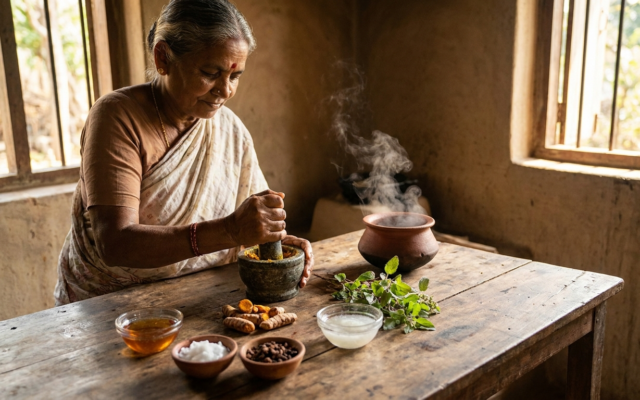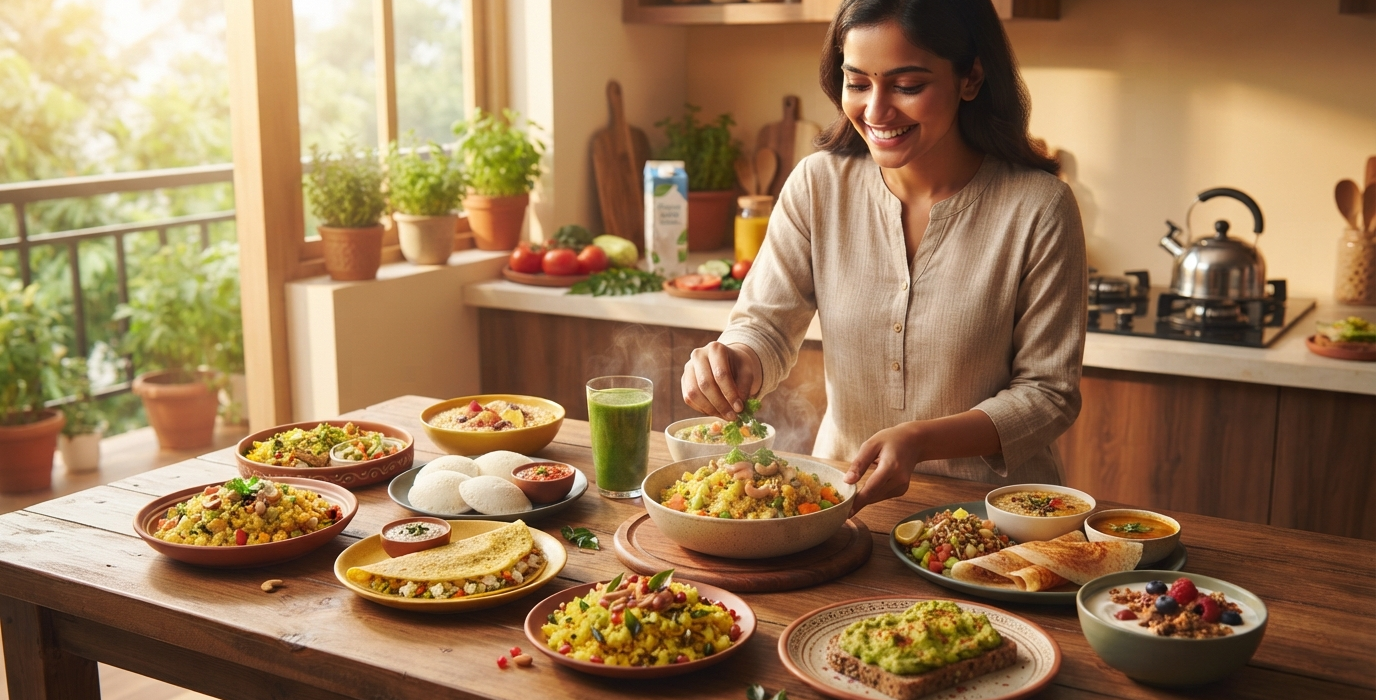
Starting your day with a nutrient-dense meal is the most effective way to fuel your metabolism and keep your focus sharp until lunch. Whether you are navigating a busy morning in Bengaluru or preparing for a long day in Delhi, these plant-based breakfast ideas offer a balance of protein, complex carbohydrates, and essential fiber.
Key Takeaways
- Prioritize a mix of protein and fiber to prevent mid-morning energy slumps.
- Modern Indian kitchens can utilize traditional grains like ragi and millets for a nutrient boost.
- Meal prepping components like sprouts or chopped vegetables saves significant time on busy weekdays.
- Sustainable energy comes from whole, unprocessed foods rather than refined flour-based bakery items.
The Science of a Balanced Indian Morning
Many of us grew up with the comfort of heavy breakfasts, but modern nutrition science suggests that the composition of your first meal dictates your insulin response for the rest of the day. A balanced meal should ideally contain at least 15 to 20 grams of protein, especially if you are working a sedentary desk job. When you consume high-fiber, low-glycemic index foods, you avoid the common 11:00 AM fatigue that plagues office workers across the country.
Surprisingly, India is home to some of the world’s most nutrient-dense ancient grains, such as finger millet (ragi) and foxtail millet. According to the Food Safety and Standards Authority of India, incorporating these climate-resilient crops into daily diets significantly improves micro-nutrient intake compared to refined wheat. By shifting your focus toward these traditional staples, you are not just eating for health; you are supporting a food system that is inherently better for the environment.
When planning your week, think about the “macro-balance” of your plate. You need a source of protein—like moong dal or chickpeas—paired with a complex carbohydrate like oats or poha. Do not forget a healthy fat source, such as a few soaked almonds or a teaspoon of cold-pressed coconut oil, to aid in the absorption of fat-soluble vitamins. Consistency is the secret ingredient that turns a simple meal into a sustainable lifestyle.
Powerhouse Ragi Porridge and Millet Bowls
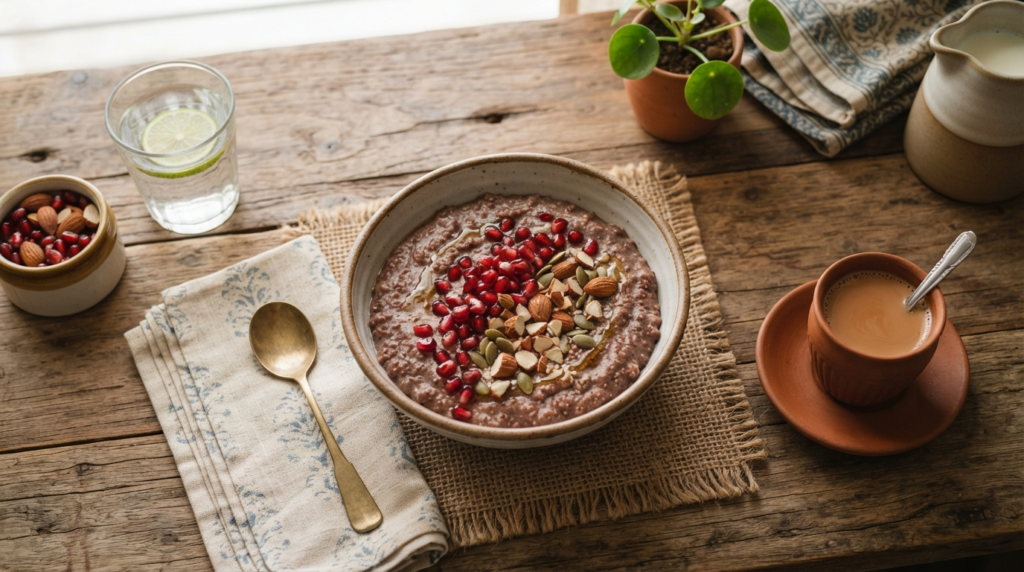
If you want a breakfast that sustains you through a long meeting, look no further than Ragi (finger millet) porridge. It is a calcium powerhouse, providing more calcium per gram than almost any other grain. To prepare it, whisk ragi flour into water or plant-based milk over low heat until it thickens. Instead of adding processed sugar, stir in a dash of cinnamon and top it with fresh seasonal fruits like papaya or banana.
For those who prefer a savory profile, millet “upma” is a fantastic alternative to the standard semolina version. By substituting rava with foxtail millet, you significantly increase the fiber content of your meal. You can load this dish with iron-rich spinach, peas, and carrots to ensure you hit your vegetable quota before your first coffee break. It is a quick, one-pot solution that feels hearty without leaving you feeling sluggish.
The key to keeping this interesting is rotation. You do not need to eat the same thing every day, but having three “go-to” recipes ensures you do not reach for convenience snacks. The Indian Council of Medical Research emphasizes that diversifying your grain intake is vital for gut health. By alternating between ragi, bajra, and oats, you provide your microbiome with a broader range of prebiotics, which directly influences your immune function and mood stability.
Protein-Packed Sprouted Moong Salads
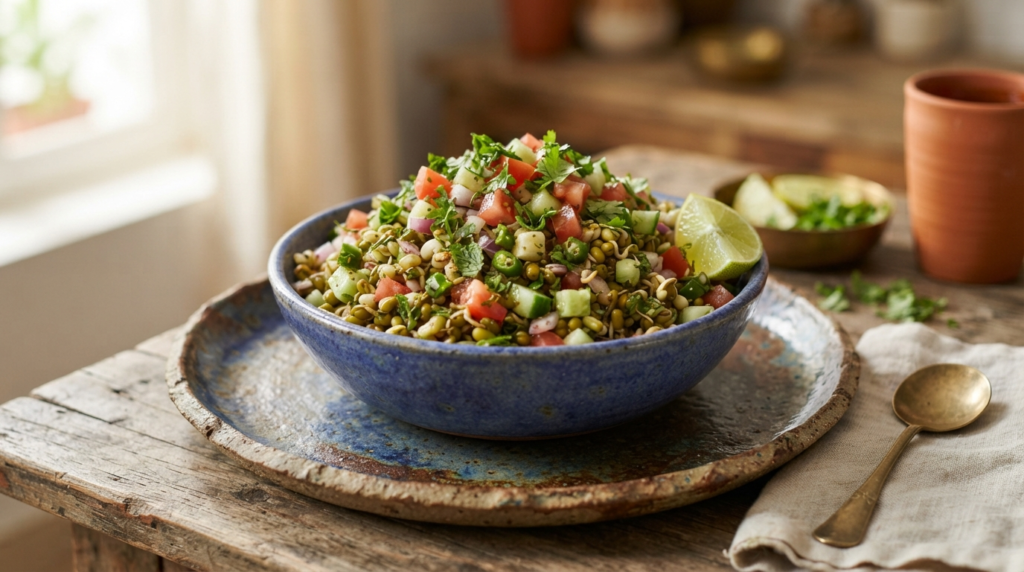
Sprouts are arguably the most underrated superfood in the Indian kitchen. A bowl of sprouted moong (green gram) tossed with cucumber, tomatoes, and a squeeze of lime provides a massive dose of plant-based protein and enzymes. You can prepare a large batch of sprouts on a Sunday, store them in the refrigerator, and assemble your salad in under five minutes each morning.
If you find raw sprouts too difficult to digest, lightly sauté them with mustard seeds and curry leaves. Adding a handful of pomegranate arils not only provides a refreshing crunch but also packs an antioxidant punch that helps fight inflammation. Interestingly, the process of sprouting can increase the bioavailability of vitamins, particularly B-complex vitamins, making it a far superior choice to eating plain, unsoaked lentils.
When you start your day with sprouts, you are essentially setting a “high-protein baseline” for your body. This makes it much easier to manage your appetite throughout the afternoon. If you are struggling with mid-day cravings, a protein-heavy breakfast is the most effective tool in your arsenal to stabilize your blood sugar levels and curb the urge for sugary biscuits or salty fried snacks.
The Modern Poha and Idli Upgrade
Poha and idli are beloved staples, but they are often served as “carb-heavy” meals. You can upgrade these classics by focusing on portion control and ingredient density. For poha, double the amount of vegetables—add extra peas, beans, and even grated bottle gourd—while reducing the quantity of flattened rice. By increasing the ratio of veggies to grain, you create a meal that is lower in calories but higher in satiety.
For idlis, try experimenting with multi-grain batters. Mixing a small amount of quinoa or brown rice into your standard urad dal batter adds a nuttier flavor and a more complex nutritional profile. Pair these with a protein-rich peanut or almond chutney instead of just coconut chutney to ensure you are getting a well-rounded meal. A common mistake is consuming these with too much sugar or refined oil; keeping your chutneys fresh and homemade is a game-changer.
The goal of a healthy breakfast is not to eliminate your favorite traditional foods, but to evolve them. Small, incremental shifts in ingredient ratios can transform a standard meal into a nutritional powerhouse that carries you through your most demanding days.
Comparison of Nutrient Profiles
To help you make the best choice for your morning routine, we have compared three common breakfast options based on their typical nutritional impact. Note that these values are estimates based on standard serving sizes of approximately 200g.
| Breakfast Item | Protein Content | Fiber Content | Glycemic Index |
|---|---|---|---|
| Vegetable Poha | Moderate | Medium | Medium |
| Sprouted Moong Salad | High | High | Low |
| Multi-grain Idli | High | High | Low |
| Ragi Porridge | Low | High | Low |
Hydration and the Morning Routine
We often focus so much on what we eat that we forget the importance of what we drink. Your body loses significant hydration during the night, and starting your day with a glass of water is non-negotiable. Many health experts suggest adding a slice of lemon or a few mint leaves to your room-temperature water to stimulate your digestive system.
Avoid the temptation to drink tea or coffee immediately upon waking. The caffeine can interfere with your body’s natural cortisol levels and may cause unnecessary acid reflux. Instead, aim to eat your breakfast first, or at least drink your water and wait 30 minutes before reaching for your favorite brew. This simple habit keeps your digestion smooth and prevents the “jitters” that often come with an empty stomach.
Always source your produce from local markets whenever possible to ensure you are getting the freshest ingredients. The nutrient density of a vegetable drops significantly the longer it sits in storage or transit. By choosing seasonal, locally grown options, you are not only getting better nutrition but also reducing your carbon footprint. It is a simple, effective way to align your health goals with a more sustainable way of living.
Frequently Asked Questions
Is it okay to eat the same breakfast every day?
While eating the same meal is convenient, it is better to rotate your breakfast choices weekly. This ensures you get a wider variety of vitamins and minerals. Aim for at least three different breakfast recipes that you can cycle through to keep your gut microbiome diverse and healthy.
Can I meal prep breakfast if I am busy?
Yes, meal prepping is highly recommended. You can sprout moong in advance, chop vegetables for upma or poha, and store them in airtight containers. You can also make idli batter on the weekend to last for 3-4 days in the refrigerator, allowing you to steam fresh, hot idlis in minutes.
Should I avoid carbs entirely for breakfast?
No, you do not need to avoid carbohydrates. The key is to choose complex, fiber-rich carbohydrates like ragi, millets, or oats rather than refined flour or processed cereals. Complex carbs provide steady, long-lasting energy, whereas refined carbs cause rapid spikes and crashes in blood sugar.
What is the best time to eat breakfast?
Try to eat your breakfast within two hours of waking up. This helps synchronize your circadian rhythm and kickstarts your metabolism. For most people, between 7:30 AM and 9:00 AM is the ideal window to ensure you have enough energy for your morning tasks.