The smell of wet earth rising from the Western Ghats is not just a scent; it is an invitation to witness India in its most lush, verdant state. As we navigate the late monsoon season of 2026, the country offers a spectacular tapestry of mist-covered peaks and rain-washed valleys that are perfect for your next escape.
Key Takeaways
- Experience the unique phenomenon of the Monsoon magic in the Western Ghats and North East India.
- Understand the critical safety protocols for traveling in regions prone to heavy rainfall.
- Learn how to optimize your itinerary for the best visibility and comfort during the rainy season.
- Compare top destinations based on accessibility, primary attractions, and travel difficulty.
The Mystical Allure of Munnar
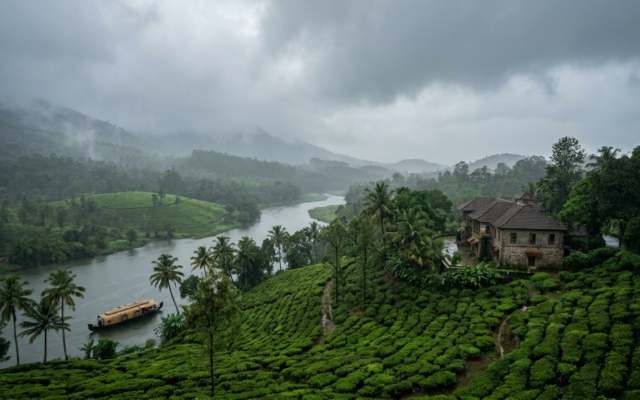
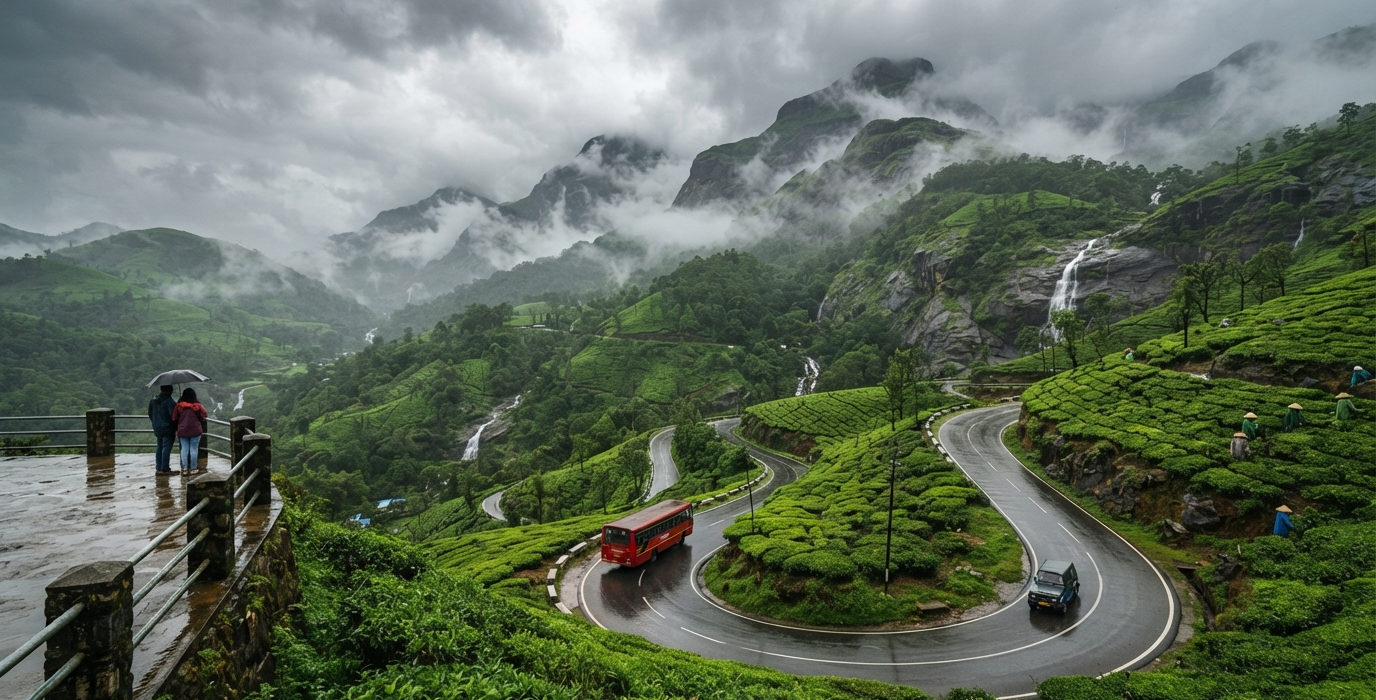
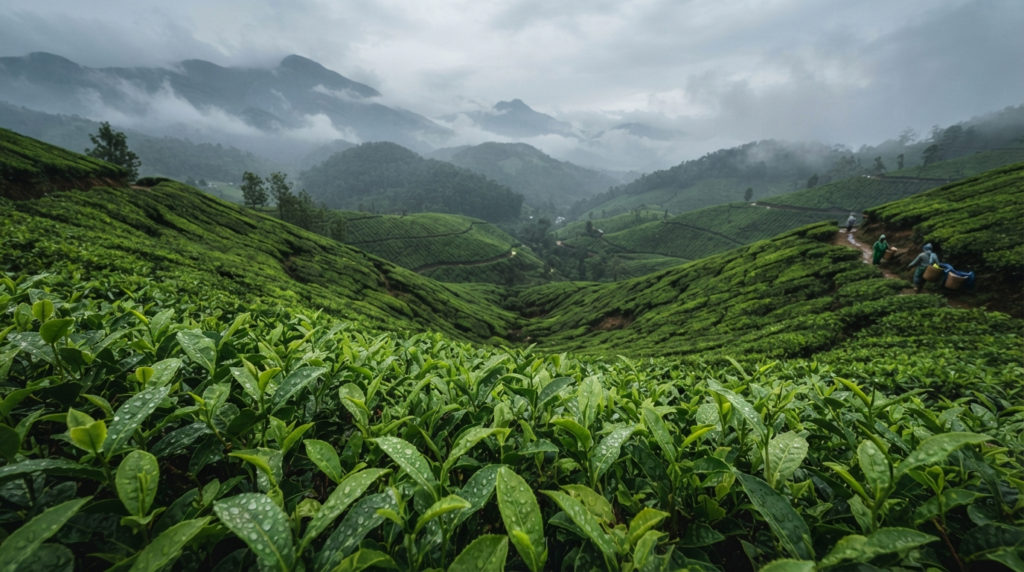
Munnar, tucked away in the Idukki district of Kerala, transforms into a paradise of endless emerald blankets during the late monsoon. As the rain clouds drift low over the rolling tea estates, you will find yourself walking through literal curtains of mist. It is a time when the waterfalls, such as the Attukad and Lakkam falls, regain their ferocious, thunderous power that remains unmatched by any other season.
Travelers often worry about the rain, but in 2026, the local tourism board has emphasized that the Monsoon tourism sector is specifically tailored for those who enjoy tranquility and cool temperatures. According to the Kerala Tourism Department, this season is ideal for Ayurvedic rejuvenation retreats. You can spend your afternoons watching the rain from a wooden balcony while sipping local tea, far removed from the noise of city life.
Be prepared for the humidity, but embrace the cooling effect it brings to the high-altitude climate. Since the tea gardens are at their greenest, this is a prime time for photographers. Just ensure you carry high-quality waterproof gear for your electronics, as the moisture levels in the air are consistently high. The roads leading up from Kochi remain well-maintained, but check for landslide alerts before you begin your ascent.
Coorg: The Scotland of India in Full Bloom
Kodagu, popularly known as Coorg, is arguably at its most dramatic during the tail end of the monsoon. The coffee plantations are vibrant, and the rivers are swollen with fresh water, creating a landscape that feels almost prehistoric. Unlike the peak tourist rush in December, the monsoon months allow you to experience the authentic silence of the Kodava culture.
One surprising fact about the region is the Tadiandamol peak, which serves as a major trekking hub. During the monsoon, the ascent is challenging but rewarding, as you pass through clouds that hang precariously on the mountain slopes. Always verify the current trail conditions with the Government of India portal regarding regional forest alerts before attempting any treks. The biodiversity of the Western Ghats is on full display here, with exotic frogs and bird species becoming particularly active after the heavy downpours.
Stay in a heritage homestay to truly grasp the essence of the local hospitality. The traditional spicy Coorgi cuisine is best enjoyed while listening to the relentless drumming of rain on a tiled roof. Remember that while the experience is incredibly serene, mobile network connectivity can be spotty in the interior forest regions, so plan your navigation carefully before leaving the main town of Madikeri.
Chikmagalur: Coffee and Clouds
If you want to experience the true soul of Karnataka, head to Chikmagalur. This destination is often called the ‘Coffee Land of Karnataka,’ and during the monsoon, the scent of wet coffee beans fills the air. The Mullayanagiri peak, the highest in the state, offers a surreal experience where the clouds descend to meet the ground, effectively turning the peak into an island in the sky.
For those who enjoy adventure, white-water rafting on the Bhadra River is a highlight of the season. The water levels are ideal for a thrilling ride, provided you go with certified operators. You should prioritize safety by verifying that your tour provider adheres to the standards set by the Ministry of Tourism. Always wear a life jacket and listen strictly to your guide, as the currents can change rapidly during heavy spells of rain.
The monsoon in India is not a deterrent to travel; it is a gateway to seeing the landscape breathe again. By shedding the dry, dusty veneer of summer, the country reveals a vibrant, living ecosystem that rewards the patient and prepared traveler.
Comparing Your Monsoon Escape
Choosing the right destination depends on your appetite for adventure versus your desire for luxury relaxation. The table below outlines the primary considerations for three top-tier locations to help you decide where to head this season.
| Destination | Primary Activity | Difficulty Level | Best For |
|---|---|---|---|
| Munnar | Ayurvedic Wellness | Low | Couples and Wellness Seekers |
| Coorg | Trekking & Birding | Moderate | Nature Enthusiasts |
| Chikmagalur | Rafting & Sightseeing | Moderate | Adventure Seekers |
Cherrapunji: The Land of Constant Rain
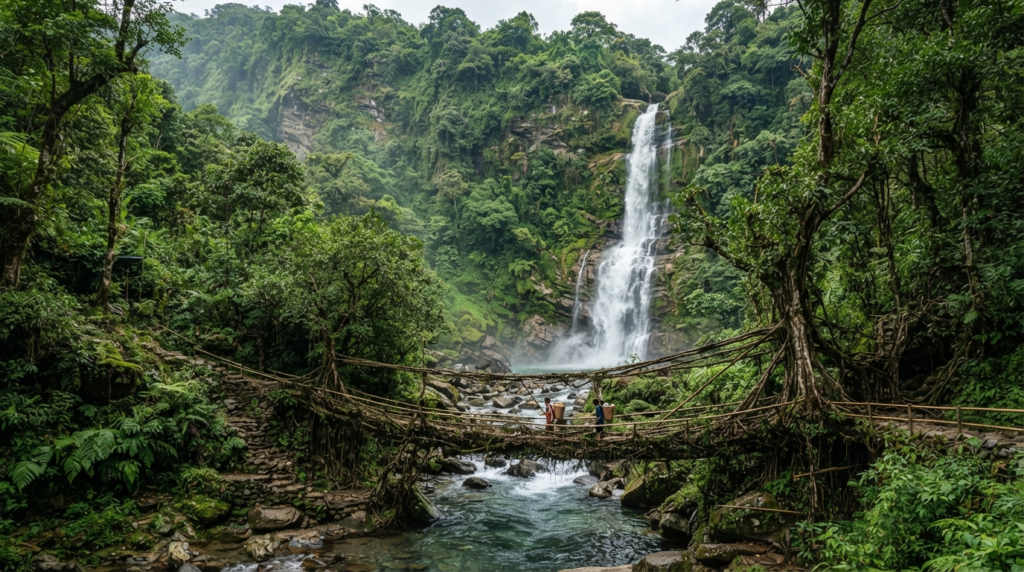
For the truly adventurous, visiting Cherrapunji in Meghalaya during the monsoon is a bucket-list item. Known as one of the wettest places on Earth, it experiences rainfall that defies logic. The living root bridges, which are grown over decades by the Khasi people, look especially majestic as the surrounding forest turns into a dense, mossy fairyland.
A surprising fact is that the root bridges are actually living structures that grow stronger over time as the roots thicken. Navigating the stairs to reach these bridges in the rain can be slippery, so wear shoes with aggressive treads. You should also carry a heavy-duty raincoat, as an umbrella is often useless against the wind and intense, horizontal rainfall common in the North East.
The local Khasi hospitality is warm and deeply rooted in a respect for the environment. Ensure you respect the local customs and refrain from littering, as the region is strictly protected by the local village councils. The mist in Meghalaya creates a natural diffuser effect, making the entire region feel like a dreamscape that exists outside of normal time.
Travel Logistics and Monsoon Preparedness
Traveling during the monsoon requires a shift in mindset compared to your usual summer vacations. Your primary priority should be flexibility in your itinerary. Heavy rainfall can occasionally cause temporary road blockages, so always keep an extra day of buffer time in your schedule.
When booking your transport, opt for private cabs or well-vetted tour operators who know the terrain intimately. Avoid driving yourself on mountain roads if you are not experienced with low-visibility conditions. It is also wise to pack an emergency kit that includes a high-capacity power bank, as power fluctuations are common during severe storms in remote hill stations.
Always check the India Meteorological Department for real-time weather updates before moving between districts. Packing quick-dry synthetic clothing instead of cotton is a pro tip that will keep you much more comfortable. By keeping these small, practical considerations in mind, you can turn a rainy holiday into an unforgettable experience of nature’s raw power.
Frequently Asked Questions
Is it safe to visit hill stations during the monsoon?
Yes, it is generally safe provided you monitor weather forecasts and avoid areas with known landslide risks. Stick to established tourist circuits and follow the advice of local hotel staff regarding travel conditions.
What should I pack for a monsoon trip in India?
Pack lightweight, quick-dry clothing, waterproof covers for your camera and phone, sturdy trekking shoes with good grip, and a reliable, high-quality raincoat. Avoid heavy denim or cotton that takes long to dry if it gets wet.
Are hotels cheaper during the rainy season?
Many hill stations offer significant discounts on luxury resorts and homestays during the monsoon months, as it is considered the off-season. You can often find premium properties at a fraction of their peak-season price.
Which part of India has the best monsoon scenery?
The Western Ghats (covering Kerala, Karnataka, and Maharashtra) and the North East (specifically Meghalaya) offer the most dramatic monsoon landscapes. These regions experience significant rainfall that turns the terrain into a lush, vibrant green.