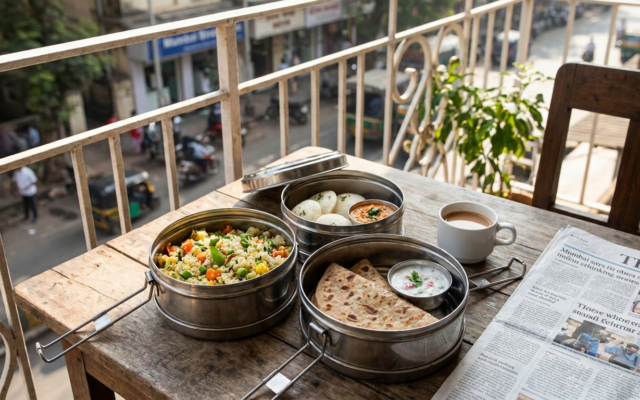
Paneer is the heartbeat of Indian vegetarian cuisine, offering a versatile canvas that transforms from humble cubes into royalty on a plate. Whether you are hosting a festive gathering in Mumbai or simply craving a comforting weekday dinner, mastering these paneer preparations will define your kitchen repertoire for years to come.
Key Takeaways
- Explore 15 distinct paneer preparations ranging from traditional North Indian gravies to modern, fusion-inspired appetizers.
- Learn the culinary science behind why paneer remains the most resilient protein for high-heat cooking and spice absorption.
- Discover specific techniques to maintain paneer texture, ensuring your dishes are restaurant-quality every single time.
The Foundation of Perfect Paneer Dishes
Before diving into specific recipes, you must understand the ingredient itself. Paneer is a non-aged, non-melting fresh cheese, and its ability to hold shape under intense heat makes it unique among dairy products. According to the Food Safety and Standards Authority of India, high-quality paneer must maintain a specific moisture content and fat percentage to ensure it does not turn rubbery during sautéing.
If you are sourcing your paneer from local dairies in Delhi or Bangalore, always check for a soft, springy texture. A common mistake home cooks make is overcooking the cubes in a dry pan. To keep your paneer soft, soak it in warm, salted water for ten minutes before adding it to your gravy. This simple step ensures that even after a long simmer, your paneer remains tender enough to cut with a spoon.
For those who enjoy a bit of texture, shallow frying is a common practice, but it is not always necessary. If you are preparing a rich, cream-based curry, using raw, high-quality paneer allows the cheese to absorb the surrounding spices more effectively. Remember that paneer acts like a sponge; it will take on the profile of whatever sauce it inhabits. Always aim for a balance of acidity, such as a splash of tomato puree or a squeeze of lime, to cut through the richness of the dairy.
Classic North Indian Gravy Specialties
The most iconic paneer dishes originate from the fertile plains of Punjab, where dairy is a way of life. Shahi Paneer remains the gold standard for special occasions, featuring a luxurious gravy made from ground cashews, poppy seeds, and a hint of saffron. The secret here is the balance; the sweetness of the nuts must be tempered by the aromatics of cardamom and ginger.
Another staple you should master is the Paneer Butter Masala. Unlike other gravies, this dish relies on a base of blanched tomatoes and butter, creating a silky orange sauce that defines restaurant dining across India. If you want to elevate this dish, consider straining your tomato puree to achieve that signature “velvety” mouthfeel. This technique is what separates a home-cooked meal from a professional chef’s creation.
For a spicier alternative, Kadai Paneer is your go-to. Unlike the creamy versions, Kadai Paneer is defined by its freshly ground spice blend, typically consisting of coriander seeds and dried red chilies. According to studies on culinary traditions, the use of a cast-iron wok, or “kadai,” is essential because it imparts a subtle metallic note that enhances the earthy flavors of the peppers and onions used in the stir-fry.
Innovative Dry and Fried Paneer Appetizers
If you are looking to impress guests, move beyond the gravy and focus on dry paneer preparations. Paneer Tikka is the undisputed king of Indian starters. By marinating the cubes in thick yogurt and a blend of mustard oil and Kashmiri chili powder, you create a crust that chars beautifully under a grill. The mustard oil is the “secret ingredient” that provides that sharp, pungent kick authentic to the streets of Amritsar.
For a modern twist, try Paneer 65. Inspired by the famous Chicken 65, this dish involves coating paneer in a batter of cornflour, ginger-garlic paste, and curry leaves before deep-frying. It is crisp, tangy, and dangerously addictive. Serve this with a side of cooling mint chutney to balance the heat. The key to a successful Paneer 65 is the temperature of your oil; it must be hot enough to crisp the exterior instantly without drying out the center of the cheese.
Another exciting option is the Hariyali Paneer Tikka. Instead of a red marinade, you coat the paneer in a vibrant green paste of spinach, mint, and coriander. This dish is visually stunning and incredibly fresh. Because it uses greens as the base, it is also a slightly lighter option for those who want to avoid the heavier cream-based curries often found on party menus.
Comparing Popular Paneer Styles
Choosing the right paneer dish depends on your desired flavor profile and the time you have available in the kitchen.
| Recipe Name | Primary Flavor Profile | Difficulty Level | Best Served With |
|---|---|---|---|
| Shahi Paneer | Rich, Creamy, Sweet | Moderate | Naan or Garlic Roti |
| Kadai Paneer | Spicy, Tangy, Earthy | Easy | Tandoori Roti |
| Paneer 65 | Crispy, Zesty, Hot | Moderate | Mint Chutney |
| Palak Paneer | Nutritional, Mild, Fresh | Easy | Jeera Rice |
| Matar Paneer | Comforting, Savory | Easy | Paratha |
Modern Fusion and Health-Conscious Dishes
As dietary trends shift towards healthier eating, paneer has adapted remarkably well. Paneer Bhurji, a scrambled version of the cheese, is an excellent high-protein breakfast or light dinner option. By sautéing crumbled paneer with onions, tomatoes, and turmeric, you create a meal that is both satisfying and quick to prepare. It is a fantastic alternative for those who find traditional curries too heavy for a regular Tuesday night.
For those who enjoy fusion, Paneer Tacos or Paneer Wraps are becoming increasingly popular in urban centers like Gurgaon and Mumbai. By using paneer as a protein substitute in global formats, you can introduce traditional Indian flavors to a wider audience. The key here is the seasoning. A paneer cube dusted with taco-inspired spices like smoked paprika and cumin works surprisingly well when paired with fresh salsa and avocado.
One surprising fact is that paneer, when prepared in moderation, is a great source of calcium and high-quality protein for vegetarians. According to the National Institute of Nutrition, incorporating fermented or high-protein dairy into a balanced diet can support muscle maintenance, especially in active individuals. Just be mindful of the added fats often found in restaurant-style gravies, and opt for home-cooked versions where you can control the amount of butter and cream used.
Regional Gems You Must Try
Beyond the mainstream curries, India hides several regional paneer treasures that deserve a spot on your table. In Bengal, Chana Paneer or Chanar Dalna is a delight. Unlike the North Indian version, this dish uses a softer, more delicate curd that is often lightly fried and then simmered in a light, potato-based gravy. It is subtle, refined, and entirely different from the robust, spice-heavy curries of the North.
In the southern states, you will often find paneer being incorporated into stir-fries with coconut and curry leaves. This is a brilliant marriage of textures and flavors. The creaminess of the coconut milk complements the density of the paneer, while the aromatic curry leaves provide a bright, herbal contrast that is vastly different from the heavy cumin-coriander base of Punjabi cuisine.
Another underrated dish is Paneer Pasanda. This is a complex, layered dish where two slices of paneer are stuffed with a mixture of dry fruits and spices, dipped in a batter, fried, and then dunked into a rich gravy. It is a labor of love, usually reserved for weddings or grand family celebrations. While it takes time, the result is an architectural and culinary marvel that stands as a testament to the sophistication of Indian vegetarian cooking.
Frequently Asked Questions
How do I prevent paneer from turning rubbery?
The secret is to avoid overcooking. If you are adding paneer to a hot curry, simply add it in the final few minutes of cooking. If you have already fried it, soaking the cubes in warm water for 10-15 minutes will help keep them soft and juicy until you are ready to serve.
Can I freeze paneer for later use?
Yes, paneer freezes remarkably well. If you have bought a large block, cut it into cubes, place them in an airtight container, and freeze them for up to three months. When you are ready to use it, thaw it naturally in the refrigerator or soak the frozen cubes in hot water for a quick defrost.
What is the difference between paneer and tofu in cooking?
While both are white, block-shaped proteins, paneer is a dairy-based cheese that is rich and creamy, whereas tofu is soy-based and has a slightly nutty, porous texture. Paneer holds its shape better in long-simmering gravies, while tofu is often preferred in stir-fries or dishes where it can absorb thinner, soy-based sauces.
Which paneer dish is best for beginners?
Matar Paneer is the perfect starting point for any home cook. It requires simple pantry staples like onions, tomatoes, ginger, garlic, and frozen peas. It is forgiving, highly customizable, and pairs perfectly with almost any staple grain, from steamed rice to whole-wheat rotis.