Navi Mumbai has long lived in the shadow of its glamorous parent city, but by late 2026, it has quietly transformed into India’s premier destination for sustainable urban living and serene weekend getaways. Beyond the bustling tech parks of Airoli and the cricket fever at DY Patil Stadium, a network of hidden nature trails, heritage sites, and architectural wonders awaits your discovery.
Key Takeaways
- Navi Mumbai now offers a unique blend of urban planning and protected biodiversity, making it an ideal weekend escape.
- Key locations like the Karnala Bird Sanctuary and the mangroves of Seawoods offer world-class birdwatching opportunities.
- Public infrastructure, including the new metro lines, has made previously isolated heritage sites easily accessible.
- Travelers should prioritize visiting during the cooler months between November and February for the best experience.
The Secret Mangrove Boardwalks of Seawoods
The Seawoods-Darave area is no longer just a transit hub for commuters heading to South Mumbai. It has evolved into a sprawling ecosystem that hosts one of the largest urban mangrove patches in the country. If you walk along the periphery of the NRI Complex, you will find a hidden boardwalk that offers a perspective of the coastline rarely seen by tourists.
This area is a masterclass in urban integration, where high-rise architecture meets the volatile, beautiful shoreline. Keep your eyes peeled for the Greater Flamingo, which arrives in massive numbers during the winter migration. According to the Bombay Natural History Society, the wetlands of the Thane Creek region are a critical staging ground for these migratory birds, supporting thousands of individuals annually.
Walking here at sunset, you will notice the skyline of Navi Mumbai reflecting off the mudflats. It is a surreal experience that feels worlds away from the concrete jungle. For those interested in photography, the low tide creates intricate patterns in the silt that are perfect for macro shots. Bring a pair of high-quality binoculars, as the birds are skittish and often keep a respectful distance from the walking paths.
Karnala Bird Sanctuary: A Hiker’s Paradise
While many visitors associate Karnala with the famous fort, the sanctuary itself is a lush, protected heaven that spans over 12 square kilometers. As of 2026, the trails have been upgraded with better signage and safety protocols, making it accessible for families and casual hikers alike. Did you know that Karnala is home to the rare Ashy Minivet and the Malabar Trogon?
The climb to the fort takes roughly an hour, winding through dense foliage that provides a natural canopy against the harsh Indian sun. Once you reach the top, you are rewarded with a panoramic view of the Sahyadri mountain range on one side and the Arabian Sea on the other. It is a perfect spot to understand the strategic importance of this region throughout history.
The Maharashtra Forest Department manages the entry permits and trail maintenance, ensuring that the flora and fauna remain undisturbed by heavy foot traffic. Always carry your own water and refrain from leaving any plastic behind. The sanctuary is not just about the climb; it is about the quiet observation of the forest’s rhythm, which remains largely untouched despite the nearby industrial growth.
The Architectural Marvels of Belapur
Belapur serves as the administrative heart of Navi Mumbai, but it holds a secret for architecture enthusiasts: the Belapur Housing Project. Designed by the visionary architect Charles Correa, this experiment in low-rise, high-density housing is a radical departure from the standard block-style apartments found elsewhere in India. It is often cited in global design journals as an example of how to build human-centric cities.
The layout encourages community interaction through a series of interconnected courtyards and pedestrian walkways. As you navigate the complex, you will notice that every house has its own private space, yet every resident is part of a larger, shaded network. It is a brilliant study in how climate-responsive design can improve the quality of life in a tropical urban setting.
Walking through the streets of Belapur, you will also find the beautiful Belapur Fort, which was once captured by the British in the early 19th century. While it is smaller than other forts in Maharashtra, its strategic position overlooking the Panvel Creek tells a fascinating story of regional power struggles. It is a quiet, contemplative spot that rarely sees the crowds found at more commercialized heritage sites.
Parsik Hill: Views from the Summit
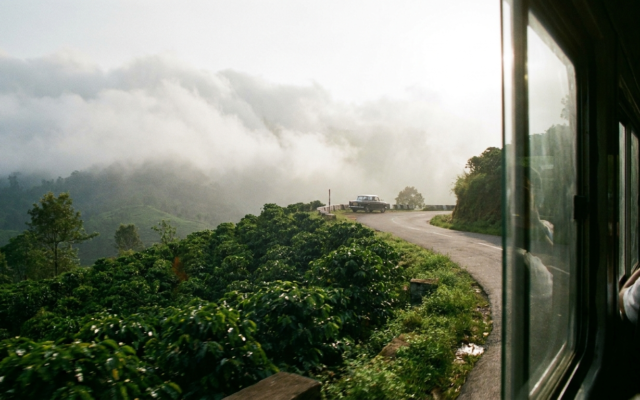
If you are looking for the best vantage point to survey the planned growth of Navi Mumbai, Parsik Hill is your destination. Located in the Belapur-CBD region, the hill offers a winding road that feels like a classic ghat drive, complete with sharp hairpin bends and lush greenery. By 2026, the area around the summit has been developed into a peaceful observation deck.
You can see the entire expanse of the city, from the bustling Vashi bridge to the serene waters of the Thane Creek. It is a particularly popular spot for local residents during the monsoon, when the hills turn a vibrant shade of emerald and waterfalls appear along the rocky faces. A surprising fact is that the hill serves as a vital geological anchor for the region, housing complex rock formations that date back millions of years.
The true beauty of Navi Mumbai lies in its refusal to be just another satellite city; it is a deliberate effort to balance human progress with the natural landscape, proving that infrastructure can coexist with ecology.
Nerul’s Botanical Wonders
The Nerul node is home to the extensive Mini Seashore, a man-made waterfront that has become the social hub of the local community. However, the real gem is the nearby Botanical Garden, which features an incredible variety of indigenous trees and medicinal plants. It serves as an open-air classroom for students and nature lovers who want to study the local flora without traveling deep into the forest.
The garden has been meticulously maintained, with dedicated sections for cacti, orchids, and flowering shrubs. If you visit on a weekday morning, you will find the air is clean and the environment is exceptionally quiet. According to the Navi Mumbai Municipal Corporation, these green spaces are central to the city’s goal of maintaining a specific tree-to-resident ratio, making it one of the greenest urban centers in the country.
Comparison of Nature Destinations
| Location | Best Activity | Difficulty Level | Estimated Time |
|---|---|---|---|
| Karnala Sanctuary | Trekking/Birdwatching | Moderate | 4-5 Hours |
| Seawoods Boardwalk | Photography/Walks | Easy | 1-2 Hours |
| Parsik Hill | Sunset Watching | Easy | 1 Hour |
| Nerul Garden | Botanical Study | Easy | 2 Hours |
Uran: The Underrated Coastal Outpost
Uran is a peninsula that feels like a different world compared to the main city. It is a quiet, coastal region characterized by small fishing villages, ancient temples, and shipyards. By 2026, improved connectivity via the Atal Setu has made this hidden corner much easier to reach for a day trip. You can explore the Karanja Creek or visit the ancient ruins that litter the coastline.
The culture here is distinctively Koli, reflecting the deep maritime history of the Konkan coast. Make sure to sample the local seafood, which is significantly fresher and more affordable than what you might find in central Mumbai or Vashi. The serenity of the beaches here, such as Pirwadi Beach, provides a perfect escape from the digital noise of the modern world.
Frequently Asked Questions
Is it safe to visit these hidden gems alone?
Yes, most of these locations are well-patrolled and popular with local families. However, always stick to marked trails in the sanctuary and avoid exploring remote coastal areas after dark for your own safety.
What is the best way to travel between these spots?
The Navi Mumbai Metro and the suburban train network are highly efficient for moving between nodes. For the remote spots like Uran or Karnala, renting a private taxi or using a ride-sharing app is the most convenient option.
Do I need permits to enter the Karnala Bird Sanctuary?
Yes, you are required to pay a small entry fee at the main gate of the sanctuary. You can find updated pricing and rules on the official government forest portal.
When is the best time of year to visit Navi Mumbai?
The period from November to February offers the most pleasant weather, with cool breezes and clear skies. This is also the peak season for birdwatching, as migratory species arrive in the wetlands.