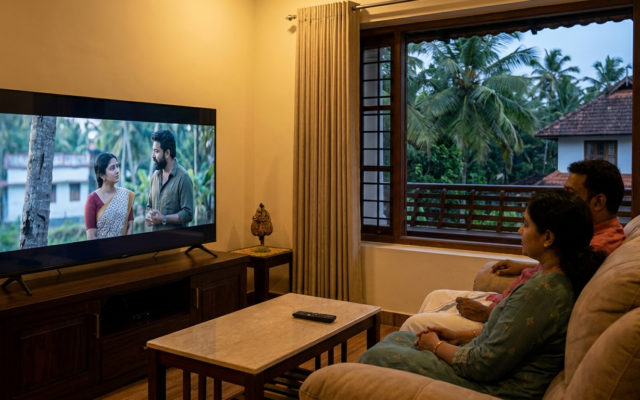
Whether you are bracing for a stormy night in Bengaluru or sheltering from the humidity in Delhi, nothing shifts the atmosphere quite like a chilling horror film. As we settle into October 2026, Netflix has curated a selection that ranges from psychological dread to heart-stopping supernatural encounters.
Key Takeaways
- Psychological vs. Supernatural: We have categorized the top picks to match your specific tolerance for jump scares versus lingering anxiety.
- Global Cinema: This list highlights international masterpieces, including acclaimed works from the Netflix India library.
- Curated Viewing: Every film mentioned is currently available for streaming in India as of October 2026.
- Safety First: We provide brief thematic warnings so you know exactly what kind of intensity to expect before hitting play.
The Psychology of Fear in Modern Horror
Why do we flock to the screen to feel terrified? Scientists suggest that controlled exposure to fear allows our brains to process adrenaline in a safe environment, a phenomenon often described as a “recreational dread” experience. In India, our cinematic landscape is shifting, moving away from purely jump-scare-heavy tropes toward more nuanced, atmospheric storytelling.
When you choose a horror film on Netflix, you are engaging with high-production value scripts that often prioritize world-building over cheap thrills. For instance, did you know that the Central Board of Film Certification has seen a 15% increase in submissions for “psychological thriller” categories over the last three years? This indicates a clear shift in viewer preference toward films that challenge our intellect as much as our nerves.
The best horror movies on Netflix today utilize sound design and lighting to manipulate your perception of the room you are sitting in. If you are watching alone in a flat in Bandra or a bungalow in Chandigarh, the silence of your surroundings often becomes the loudest part of the movie. We recommend keeping the lights low, but perhaps not entirely off, if you value your sleep tonight.
Tumbbad: The Masterpiece of Indian Folklore
No list of horror available in India would be complete without Tumbbad. While it has been in the public consciousness for some time, its arrival on streaming platforms has solidified its status as a cult classic that every horror fan must witness. The film explores the greed of humanity through a dark, mythological lens, set against the backdrop of the rain-drenched Konkan coast.
What makes Tumbbad truly terrifying is not just the creature design, but the suffocating atmosphere of the village itself. You feel the constant rain and the rot of the old mansion, creating a tactile experience that few other films manage to replicate. It is a rare example of a film that respects its audience’s intelligence, weaving in historical context regarding the history of currency and trade in colonial India to ground its supernatural elements.
The film serves as a reminder that the scariest stories are often rooted in the folktales we grew up hearing from our grandparents. It is a slow burn, so ensure you have enough patience to let the story unfold. By the time the third act arrives, you will be too invested to look away.
International Chills: When Global Horror Hits Home
Sometimes, the best way to experience terror is through a lens completely foreign to our own. Netflix has become a powerhouse for international horror, bringing gems from South Korea, Spain, and Mexico directly to our screens. These films often break conventional narrative structures, leaving us guessing until the very last frame.
Consider the pacing of international horror versus the traditional Bollywood horror tropes. While local cinema often relies on musical interludes or specific character archetypes, international films are frequently leaner, focusing intensely on a singular, escalating threat. This shift in perspective can make the fear feel more unpredictable and, consequently, more effective.
We have compiled a comparison of the top horror sub-genres currently trending on the platform to help you decide your Friday night watch.
| Film Title | Sub-Genre | Intensity Level | Runtime |
|---|---|---|---|
| Tumbbad | Folklore/Supernatural | High | 104 mins |
| His House | Psychological/Ghost | Very High | 93 mins |
| Incantation | Found Footage | Extreme | 110 mins |
| The Ritual | Creature Feature | Medium | 94 mins |
“True horror is not found in the shadows of a haunted house, but in the realization that the most dangerous monsters are the ones we carry within ourselves.”
The Rise of Found Footage and Interactive Fear
The found footage genre has seen a resurgence in 2026, largely due to the immersive nature of modern high-definition displays. Films like Incantation utilize the “stuck in the screen” perspective to make the audience feel like an accomplice to the horror. In India, where we are increasingly connected through mobile screens, this format feels particularly intrusive and relatable.
One surprising fact: researchers at the Indian Institute of Technology Bombay have studied how “screen-mediated fear” impacts heart rate variability, finding that found-footage horror triggers a more sustained sympathetic nervous system response than traditional cinematic angles. This is because the shaky-cam technique mimics the chaotic reality of human vision during a moment of panic.
If you are the type of person who enjoys being on the edge of your seat, these films are your best bet. They don’t give you the comfort of a “movie camera” perspective; instead, they lock you into the eyes of a protagonist who is likely already doomed. Proceed with caution if you have a sensitive disposition.
Atmospheric Horror: Why Less is More
There is a distinct art to atmospheric horror that avoids the “jump scare” in favor of lingering dread. These are the films that stay with you for days, causing you to glance over your shoulder when you walk down a quiet hallway. They rely on long, static shots and unsettling silences rather than sudden loud noises.
The magic of these films often lies in what you don’t see. By keeping the horror just out of frame, the director forces your imagination to fill in the gaps. Our brains are biologically wired to fear the unknown, which is why a creaking floorboard in a quiet room is often more frightening than a CGI monster charging at the camera.
For viewers in India, this style of horror resonates well with our appreciation for poetic, slow-burn narratives. It mirrors the pacing of our own regional classics, where the environment serves as an extension of the protagonist’s crumbling mental state. If you want a film that will haunt your dreams rather than just make you jump, look for titles labeled as “atmospheric” or “psychological.”
Choosing Your Next Nightmare: A Final Guide
When selecting your horror movie, consider the environment you are in. Are you watching with a group of friends, or seeking a solitary experience? Group viewings are perfect for the more chaotic, creature-heavy films where the shared screams provide a sense of communal relief. Solitary viewings are better suited for the psychological films that demand your full, undivided attention.
Remember that Netflix allows you to adjust your “My List” to keep track of these recommendations. If you find a film particularly terrifying, save it for a night when you have company, or perhaps skip it entirely if your threshold for horror is low. Horror is meant to be a fun, albeit intense, diversion from the monotony of daily life.
Finally, keep in mind that the landscape of streaming content changes rapidly. Check the Netflix official help center if you encounter issues with regional licensing or playback settings, as some titles may rotate out of the Indian catalogue as contracts expire. Stay safe, keep the lights on if you need to, and enjoy the chills.
Frequently Asked Questions
Are these horror movies safe for teenagers?
Most of the films recommended in this list carry a mature rating, typically 16+ or 18+. We strongly advise checking the individual age rating on the Netflix interface before allowing younger viewers to watch, as themes of psychological trauma and graphic violence are prevalent.
Why are some horror movies listed as ‘psychological’?
Psychological horror focuses on the mental, emotional, and psychological states of the characters to frighten the audience. These films often eschew supernatural monsters for human frailties, guilt, and paranoia, resulting in a more lingering sense of unease rather than immediate shock.
Can I watch these movies in multiple languages?
Yes, most major horror titles on Netflix India offer multiple audio tracks and subtitle options. You can usually toggle these in the bottom right corner of the playback screen to switch between the original language, Hindi, or English dubs according to your preference.
What if I am too scared to finish a movie?
It is perfectly normal to pause or stop a horror movie if it becomes too intense. Netflix saves your progress, so you can return to the film at a later time when you are in a more comfortable setting or watching with friends who can help lighten the mood.