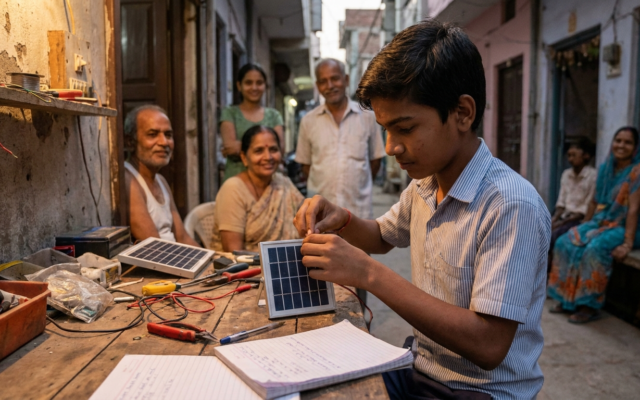
Social media in India has shifted from simple entertainment to a complex ecosystem of hyper-local movements, high-tech filter challenges, and viral community activism that defines our digital pulse in 2026. Whether you are scrolling through shorts in a crowded Mumbai local train or watching livestreams in a quiet cafe in Bengaluru, the content shaping our collective consciousness has never been more diverse or more influential.
Key Takeaways
- Short-form video platforms have evolved into powerful tools for regional cultural preservation, moving beyond simple dance trends.
- The rise of AI-integrated interactive challenges is creating a new category of “co-created” viral content involving creators and viewers.
- E-commerce integration within social feeds has turned casual scrolling into a primary shopping channel for Tier-2 and Tier-3 Indian cities.
- Digital literacy and fact-checking have become central themes in viral educational content, driven by a younger, more cautious demographic.
The Rise of Hyper-Local Cultural Revivals
Digital trends in 2026 are no longer dominated solely by global pop culture or mass-market Bollywood trends. Instead, we are seeing a massive surge in content that celebrates specific regional identities, from the folk art of rural Odisha to the unique linguistic nuances of the Konkan coast. This shift is driven by creators who recognize that their audiences crave authenticity over high-production value.
When a creator from a town like Balasore or Ratnagiri posts a video explaining a traditional harvest ritual, it often achieves more engagement than a generic celebrity endorsement. This phenomenon has been bolstered by platform algorithms that now prioritize community-based relevance. According to the Ministry of Electronics and Information Technology, the focus on regional language digital participation is a strategic priority for building a more inclusive internet.
You might have noticed how regional dialects are suddenly “cool” again. Young Indians are using their mother tongues in viral comedy sketches, effectively breaking the hegemony of English and Hindi-centric content. This is not just a trend; it is a cultural reclamation. By engaging with these clips, you are participating in a digital movement that values the vast diversity of the Indian subcontinent.
AI-Integrated Challenges and Interactive Storytelling
The barrier between the creator and the viewer has vanished, replaced by AI-driven tools that allow you to step directly into the frame. In 2026, the hottest viral trends involve “collaborative filters” where an AI engine generates a response based on your own movements or voice inputs. It is no longer enough to just watch a video; you must participate in it to make it complete.
These interactive challenges often go viral because they provide a sense of agency. For instance, a popular trend currently involves an AI model that transforms your everyday surroundings into a futuristic, cyberpunk-themed version of your city. It is a creative outlet that blends reality with imagination, pushing the boundaries of what we consider “social” media.
However, this innovation comes with a need for awareness. The Digital India initiative has frequently emphasized the importance of understanding the technology behind the tools we use daily. As these trends grow, so does the need to distinguish between human-led creativity and automated content. You are likely interacting with AI every day, and understanding its role in the viral cycle is key to navigating the modern web.
Social Commerce: From Scrolling to Shopping
The line between an influencer’s video and a storefront has effectively disappeared. In 2026, the most viral clips are frequently those that showcase products in real-world scenarios, seamlessly linking to direct purchase options. This is particularly prevalent in India, where trust is built through community recommendations rather than traditional corporate advertising.
Look at the way fashion influencers are currently filming “Get Ready With Me” (GRWM) sessions. They don’t just show the outfit; they provide immediate, clickable access to every single item worn. This frictionless shopping experience is transforming the economy of the creator space, allowing even micro-influencers to monetize their influence effectively.
For the average user, this means convenience. You see a trending kitchen tool being used in a viral cooking video, and with two clicks, it is on its way to your home. But it also requires a discerning eye. Always verify the quality and the seller reputation before clicking through, as the ease of purchase can sometimes mask the risks of impulsive consumerism.
The Ethics of Virality and Misinformation
With great reach comes great responsibility, and in 2026, the Indian digital landscape is more focused on the veracity of information than ever before. Viral trends that once focused on pranks or shock value are being replaced by “explainer” content that fact-checks viral claims. It is a positive shift, reflecting a maturation of the Indian digital audience.
We are seeing a trend toward “slow content”—videos that take their time to explain complex geopolitical or social issues. These clips are gaining significant traction among Gen Z and Millennial users who are tired of the misinformation that often plagues fast-moving feeds. By prioritizing accuracy, these creators are building long-term trust that far outlasts the temporary spikes in views associated with sensationalism.
The most significant viral trend of 2026 is not a specific dance or a catchy song, but the growing demand for digital literacy and verifiable truth in the content we consume every day.
If you encounter a viral video that makes a bold claim about health, politics, or finance, take a moment to cross-reference the information. The Press Information Bureau serves as a primary resource for verifying government-related information, and it is a habit worth cultivating. Being an informed consumer of social media is the best way to ensure that the trends we support are actually beneficial for society.
Comparative Analysis of 2026 Social Media Trends
| Trend Category | Target Audience | Engagement Metric | Primary Platform |
|---|---|---|---|
| Hyper-Local Folk Art | Pan-India | High Retention | Short-form Video |
| AI-Generated Filters | Gen Z | User Participation | Augmented Reality Apps |
| Social Commerce | Tier-2 & 3 Cities | Conversion Rate | Integrated Marketplaces |
| Fact-Checking/Slow Content | Professionals | Long-term Trust | Long-form Feeds |
The Future of Digital Connection
What does the future hold for the Indian social media landscape? As we move toward the end of 2026, we are observing a trend toward “niche-ification.” The era of one-size-fits-all viral hits is ending, replaced by thousands of micro-communities that thrive on shared interests and values. This is an incredibly exciting time to be an internet user in India.
We are seeing the democratization of influence, where your location or socioeconomic status matters less than your ability to tell a compelling story. Whether you are a student in a small town or a professional in a metropolitan hub, the tools to reach millions are in your pocket. The challenge now is to use these tools for meaningful connection rather than superficial engagement.
Stay curious, stay critical, and keep exploring the diverse pockets of the Indian internet. The next big trend might not be a global phenomenon, but a deeply personal story that resonates with you specifically. That is the beauty of our digital age—it is as vast and varied as the country itself.
Frequently Asked Questions
How can I verify if a viral video is authentic or AI-generated?
Look for unnatural movements, especially around the eyes and hands, or listen for robotic audio artifacts. Additionally, use reverse image search tools and check if the video has been debunked by reputable media organizations or official government fact-checking handles.
Why is short-form video content becoming more popular than long-form?
Short-form content caters to the decreasing attention spans and the desire for quick, digestible information during commutes or breaks. It is optimized for mobile consumption and allows creators to pack a high density of visual interest into a very small window of time.
Is social commerce safe for buyers in Tier-2 and Tier-3 cities?
It is generally safe if you stick to verified seller profiles and platforms that offer secure payment gateways and clear return policies. Always read customer reviews and avoid clicking on suspicious external links that lead away from the main application.
What is the most effective way to support local creators?
Engagement is the most powerful tool you have. Liking, commenting with thoughtful feedback, and sharing content you find valuable helps the algorithm surface these creators to a wider audience, directly contributing to their growth and reach.