As the crisp November air settles over the plains, India’s mountain ranges are bracing for a spectacular winter season, offering travelers a chance to trade city smog for pristine peaks and silent, snow-dusted pine forests. Whether you are chasing the first snowfall of 2026 or seeking a sun-drenched colonial retreat, these seven destinations define the quintessential winter escape.
Key Takeaways
- Seasonal Timing: December to February is the peak window for snow, while November offers clear, sunny skies perfect for trekking.
- Strategic Planning: Booking your stay at least four weeks in advance is critical for popular spots like Manali to avoid price surges.
- Budget Awareness: Offbeat locations like Tirthan Valley offer luxury for half the price of tourist-heavy hubs like Shimla.
- Travel Readiness: Always verify local weather forecasts from the India Meteorological Department before starting your ascent.
1. Manali, Himachal Pradesh: The Winter Wonderland Standard
Manali remains the undisputed king of winter tourism in India, attracting thousands who long to witness the transformation of the Beas River valley into a white landscape. By late December, the Solang Valley becomes a hub for adventure sports, particularly skiing and snowboarding, which have seen a massive infrastructure boost in 2026. You should prioritize early morning excursions to the Atal Tunnel to avoid the heavy traffic that typically builds up by noon.
The town itself offers a unique blend of traditional Himachali architecture and modern, cozy cafes where you can sip sea buckthorn tea while watching the snowfall. If you are traveling with family, the nearby village of Old Manali provides a quieter, more authentic experience away from the bustling Mall Road. A surprising fact: the Himachal Pradesh Tourism Development Corporation notes that the region experiences a unique micro-climate where temperatures can drop by ten degrees within a mere five-kilometer radius, so layering your clothing is not just a suggestion—it is a necessity.
2. Munnar, Kerala: A Mist-Covered Southern Escape
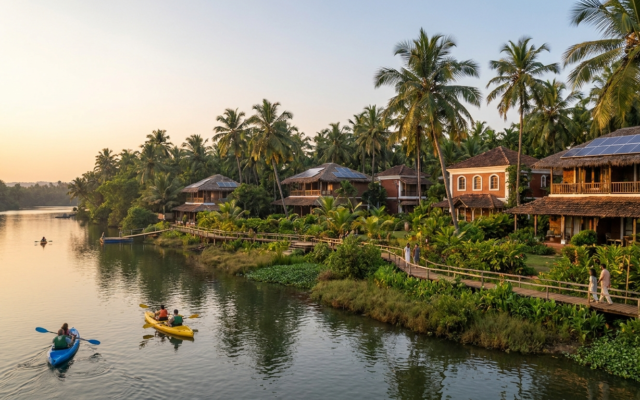
If you prefer rolling tea gardens over icy peaks, Munnar is your perfect winter refuge. Unlike the frigid north, winter in Kerala is characterized by pleasant, cool mornings and bright, golden afternoons that highlight the vibrant green of the Western Ghats. Trekking in the Eravikulam National Park is best during this time, as the winter mist adds a layer of mystery to the already stunning landscape.
You can spend your days visiting the spice plantations or taking a boat ride on the nearby Mattupetty Dam. It is a far more relaxed pace of life compared to the high-energy snow sports of the Himalayas. For those looking for local culture, the winter months coincide with several regional festivals that showcase traditional Kathakali performances. Remember that humidity levels vary, so carry a light jacket for the evenings when the temperature in the high-altitude regions can occasionally dip below 10 degrees Celsius.
3. Tawang, Arunachal Pradesh: The Serene North-Eastern Frontier
Tawang is a destination for the intrepid traveler who values silence and spiritual grandeur over commercialized tourist traps. Nestled at an altitude of over 10,000 feet, this town is home to the majestic Tawang Monastery, one of the largest in Asia. Winter here is intensely cold, but the reward is a landscape that feels entirely untouched by the modern world.
The local Monpa culture is welcoming and resilient, offering visitors a chance to experience authentic Himalayan hospitality. You must obtain an Inner Line Permit before your arrival, as the region is strategically sensitive. Did you know that Tawang is known for having some of the highest concentrations of rhododendrons in the world, which begin their preparation for spring bloom as early as February? Check the official Ministry of Tourism portal for the latest updates on regional travel permits and safety guidelines before finalizing your itinerary.
4. Mussoorie, Uttarakhand: The Queen of the Hills
Mussoorie offers a nostalgic, colonial-era charm that never goes out of fashion. During the winter of 2026, the town has focused heavily on sustainable tourism, ensuring that the iconic Mall Road remains accessible while preserving the historical integrity of its architecture. Walking is the best way to explore the winding paths that lead to secret viewpoints overlooking the Doon Valley.
The winter sunset from Lal Tibba is an experience that stays with you, casting a long, orange glow over the snow-capped Himalayan range. If you are visiting in January, you are likely to experience the charm of the winter line—a rare atmospheric phenomenon where the horizon appears as a distinct, multi-colored line at dusk. It is a destination that feels like stepping back into a simpler time, perfect for writers, artists, or anyone looking to disconnect from the digital noise.
5. Gangtok, Sikkim: Culture Meets High-Altitude Beauty
Gangtok offers a sophisticated mix of urban convenience and breathtaking mountain vistas. The winter months provide the clearest views of the Kanchenjunga peak, which dominates the horizon with its imposing, snow-covered silhouette. Exploring the local food scene, particularly the piping hot thukpa and momos, becomes the highlight of any winter evening in the city.
The Tsomgo Lake, frozen for much of the winter, presents a surreal, crystalline view that looks like it belongs on another planet. While the cold can be biting, the warmth of the local Sikkimese people, combined with the vibrant colors of the various monasteries, makes the trip profoundly rewarding. Be mindful that mountain roads in Sikkim can be prone to temporary closures due to heavy snowfall, so always maintain a flexible schedule.
6. Gulmarg, Kashmir: The Global Skiing Destination
Gulmarg has cemented its reputation as a world-class winter destination, with the 2026 season seeing unprecedented international interest. The Gondola ride, which takes you to the heights of Apharwat Peak, provides access to some of the finest powdery snow in Asia. Skiing here is an unmatched thrill, whether you are a beginner taking your first lesson or a pro carving through the backcountry.
Even if you are not a skier, the sheer beauty of the meadow—which is what Gulmarg translates to—covered in deep snow is enough to justify the visit. You will find that the local infrastructure for winter sports has expanded, offering better equipment rentals and professional training camps.
“The true essence of a winter hill station lies not just in the view, but in the silence that descends when the first snowfall blankets the pine forests, forcing the rest of the world to simply fade away.”
Comparison of Winter Hill Stations
| Destination | Best Activity | Avg. Winter Temp | Vibe |
|---|---|---|---|
| Manali | Skiing/Adventure | -2 to 10 C | High Energy |
| Munnar | Nature/Trekking | 10 to 22 C | Relaxed/Scenic |
| Tawang | Spiritual/Cultural | -5 to 8 C | Quiet/Solitary |
| Mussoorie | Colonial/Leisure | 2 to 14 C | Nostalgic |
| Gulmarg | Advanced Skiing | -8 to 5 C | Adventurous |
Frequently Asked Questions
What is the best month to visit for snowfall?
January and February are statistically the best months to witness heavy snowfall in the Himalayan hill stations like Manali and Gulmarg. Early December can be hit or miss, as it depends on the shifting winter weather patterns.
Do I need special gear for winter travel in India?
Yes, high-quality thermal innerwear, a windproof outer jacket, and waterproof boots are essential for the higher altitudes. If you are heading to a snow-heavy region, ensure your clothing is layered, as indoor heating can make thick sweaters uncomfortable.
Are these hill stations safe for solo travelers?
Most popular hill stations like Manali and Mussoorie are very safe for solo travelers, provided you stick to well-marked tourist areas and avoid late-night travel on isolated mountain roads. Always inform your hotel of your daily trekking plans, especially in more remote regions like Tawang.
How do I handle altitude sickness?
Acclimatization is key when traveling to altitudes above 8,000 feet. Stay hydrated, avoid strenuous activity on your first day of arrival, and consult your doctor about carrying basic medication for altitude sickness if you are sensitive to changes in elevation.