The Cinematic Horizon: Glimpses of Bollywood 2026
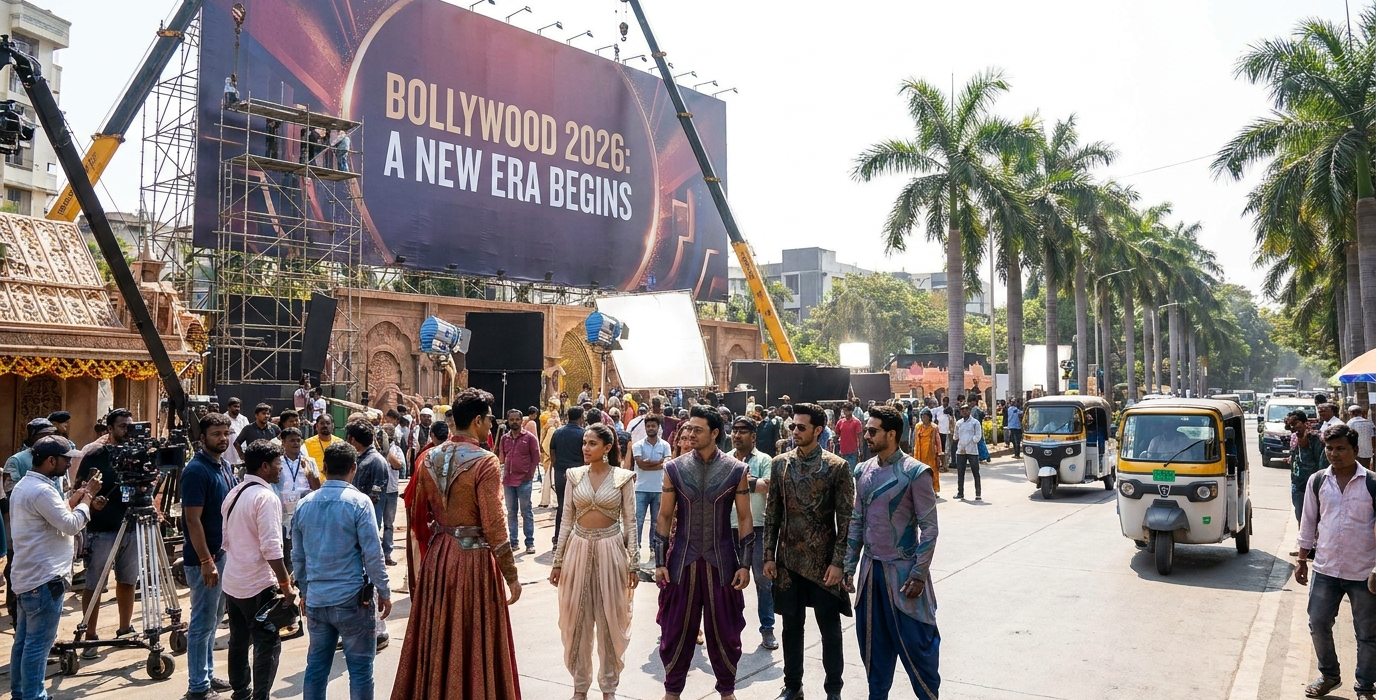
As the calendar pages turn, casting long shadows towards 2026, the Indian film industry, Bollywood, is already buzzing with anticipation. The air is thick with whispers of ambitious projects, star-studded collaborations, and directors pushing creative boundaries. We’re not just talking about sequels or remakes; 2026 promises a significant evolution in storytelling, genre exploration, and the very essence of what makes a Bollywood film resonate with its vast audience, both within India and across the globe.
The past few years have seen Bollywood navigate a dynamic landscape, adapting to changing audience preferences and the rise of streaming platforms. This period of introspection and experimentation is likely to culminate in a vibrant 2026 slate. We can expect a more nuanced approach to storytelling, with filmmakers unafraid to tackle complex social issues, explore diverse cultural narratives, and experiment with visual styles that have, until now, been more prevalent in international cinema. The days of purely formulaic blockbusters are not entirely over, but they will be interspersed with films that aim for deeper connection and lasting impact.
Furthermore, the global reach of Indian cinema is undeniable. As more international audiences discover the magic of Bollywood, filmmakers are becoming increasingly conscious of crafting stories that, while rooted in Indian ethos, possess universal appeal. This means a greater emphasis on relatable characters, universal themes of love, loss, ambition, and redemption, and a sophisticated approach to visual and sound design. 2026 is poised to be a year where Bollywood truly solidifies its position as a major player on the world’s cinematic stage, offering a rich tapestry of stories that cater to a discerning, global audience.
This forthcoming year is not just about the big names; it’s also about the burgeoning talent. Emerging directors and writers are bringing fresh perspectives and innovative ideas to the table. We’re seeing a deliberate move towards authentic representation, with stories that reflect the diverse realities of modern India. This includes a greater focus on regional stories finding pan-Indian appeal, and an exploration of genres that have historically been underserved in mainstream Bollywood. Get ready for a cinematic journey that promises to be as diverse and dynamic as India itself.
The Blockbuster Blueprint: What to Expect on the Big Screen
When we talk about Bollywood blockbusters in 2026, we’re looking at a calculated evolution rather than a revolution. The industry has learned valuable lessons from recent successes and setbacks, leading to a more strategic approach to large-scale productions. Expect to see a continued investment in high-octane action films, but with a sharper focus on compelling narratives and character development. These aren’t just about explosions and car chases anymore; they’re about heroes with relatable flaws and villains with complex motivations.
One trend we anticipate gaining significant momentum is the expansion of the cinematic universe concept. While superhero franchises have dominated Hollywood, Bollywood is poised to explore similar interconnected storytelling within its own mythological and historical realms. Imagine epic sagas that weave together characters and storylines from ancient Indian epics or historical periods, allowing for spin-off films and series that keep audiences engaged across multiple projects. This offers a unique opportunity to leverage India’s rich cultural heritage for expansive, long-term storytelling.
Another area ripe for blockbuster potential is the sci-fi and fantasy genre. Bolstered by advancements in visual effects technology and a growing pool of talented VFX artists, 2026 could see Bollywood delivering visually stunning and imaginative spectacles that rival international standards. Think less about aliens and more about exploring the intersection of advanced technology with Indian spiritualism or folklore, creating a distinctively Indian brand of speculative fiction. This opens doors to narratives that are both intellectually stimulating and visually breathtaking.
We also foresee a resurgence of the grand musical. While song and dance have always been integral to Bollywood, 2026 might witness a return to the elaborate, storytelling-driven musical dramas of yesteryear, infused with contemporary musical sensibilities. These films will likely blend original, chart-topping music with compelling narratives, offering an immersive experience that appeals to both traditional and modern sensibilities. The success of these grand productions will depend on meticulous planning, innovative marketing, and, of course, a story that captures the hearts and imaginations of millions.
Genre Fluidity: Beyond the Usual Suspects
The rigid genre boundaries that once defined Bollywood are increasingly blurring, and 2026 is set to be a testament to this exciting shift. We’re moving beyond the typical boy-meets-girl romance or the standard action thriller. Filmmakers are becoming more daring, blending elements from disparate genres to create something entirely new and captivating. Expect to see more thrillers with strong romantic undertones, comedies that tackle serious social issues with wit, and historical dramas infused with elements of speculative fiction.
One genre that is seeing a significant renaissance, albeit with a modern twist, is the courtroom drama. With increased public interest in legal and social justice issues, films that delve into the intricacies of the Indian legal system, featuring sharp dialogues and morally complex characters, are likely to find a receptive audience. These stories often provide a powerful platform to explore societal injustices and the pursuit of truth, making them both entertaining and thought-provoking. We anticipate seeing these films move beyond simple ‘good versus evil’ narratives to explore the grey areas of justice.
The rise of the ‘slice-of-life’ genre, which focuses on relatable, everyday experiences, is also expected to continue its upward trajectory. These films, often set in smaller towns or focusing on the nuances of urban Indian life, resonate deeply with audiences seeking authenticity. In 2026, we could see these stories gain even more prominence, potentially crossing over into commercial success by weaving in elements of gentle humour, poignant drama, and understated romance. They offer a refreshing antidote to the often larger-than-life narratives of mainstream cinema.
Furthermore, the exploration of psychological thrillers is set to deepen. Moving beyond jump scares and predictable twists, these films will likely delve into the human psyche, exploring themes of identity, obsession, and trauma with a sophisticated visual and narrative approach. We might also see a stronger presence of science fiction that uses its speculative elements to comment on present-day societal issues, rather than purely for escapism. This genre fluidity allows for a richer, more diverse cinematic landscape, catering to a wider spectrum of audience tastes and intellectual curiosities.
The Star Power Shuffle: New Faces and Established Icons
The landscape of stardom in Bollywood is perpetually evolving, and 2026 promises to be a year of both continuity and exciting disruption. Established icons will undoubtedly continue to command the spotlight, leveraging their decades of experience and dedicated fan bases. However, we are also witnessing a significant surge in the popularity of actors who have consistently delivered strong performances and are now poised to take on leading roles in major productions. Their fresh energy and relatable appeal are redefining what it means to be a Bollywood star.
A key trend we anticipate is the rise of actors who have honed their craft through diverse mediums, including streaming platforms and regional cinema. These performers often bring a nuanced acting style and a grounded authenticity that audiences are increasingly seeking. Their transition to mainstream Bollywood signifies a broadening of the industry’s talent pool and a willingness to embrace performers who can connect with audiences on a deeper level, beyond just their star wattage. This cross-pollination of talent is vital for the industry’s growth.
Simultaneously, the concept of the ‘solo hero’ is perhaps being re-examined. 2026 might see a greater emphasis on ensemble casts where multiple established and rising stars share screen time, creating a dynamic synergy that appeals to different segments of the audience. This collaborative approach can also lead to more complex character arcs and richer narrative possibilities, moving away from a single protagonist carrying the entire film. It’s about a shared vision and collective star power.
We also expect to see a continued focus on actors who are not afraid to experiment with their roles and challenge conventional portrayals. This willingness to step outside their comfort zones, whether it’s by taking on unconventional characters or by actively participating in the creative process, is what will differentiate the stars of tomorrow. The ‘star power shuffle’ in 2026 will be about more than just name recognition; it will be about a genuine connection with the audience through compelling performances and a commitment to artistic growth.
Technological Triumphs: The Future is Visual
The visual spectacle of Bollywood has always been a draw, and in 2026, technology is set to elevate this aspect to unprecedented heights. We’re not just talking about incremental upgrades; we’re anticipating a leap forward in visual effects (VFX), sound design, and cinematography that will immerse audiences like never before. The increasing accessibility of advanced filmmaking tools means that even mid-budget films can now achieve a level of visual polish that was once reserved for the biggest blockbusters.
One area where we expect to see significant advancements is in the creation of believable digital environments and creatures. As Bollywood ventures further into genres like fantasy and science fiction, the demand for hyper-realistic CGI will grow. This includes sophisticated motion capture technology for fluid character animation and advanced rendering techniques that can create breathtakingly detailed sets and landscapes, whether it’s a mythical battlefield or a futuristic cityscape. The goal is to create worlds that feel tangible and lived-in.
Another exciting development will be in the realm of immersive sound design. Beyond just surround sound, 2026 films will likely leverage Dolby Atmos and other advanced audio technologies to create a truly three-dimensional soundscape. This means precise placement of every sound effect, from the rustle of leaves to the roar of a crowd, enveloping the audience and enhancing the emotional impact of the narrative. A well-designed audio experience can be just as crucial as the visuals in creating a memorable film.
Furthermore, expect to see a more innovative use of drone technology and advanced camera stabilization for dynamic, sweeping shots that were previously impossible. Cinematographers will have access to lighter, more agile equipment, allowing for unprecedented freedom in capturing breathtaking vistas and intense action sequences. The integration of AI in post-production is also likely to play a role, assisting in tasks like colour grading and visual clean-up, freeing up artists to focus on more creative aspects. These technological triumphs are not just about making films look good; they are about enhancing the storytelling and creating a more profound connection with the viewer.
Global Footprints and Cultural Bridges: Bollywood Beyond Borders
Bollywood’s global appeal has never been stronger, and 2026 is poised to see this influence expand even further. The industry has moved beyond simply catering to the Indian diaspora; it’s actively creating content that can resonate with diverse international audiences. This means a greater emphasis on universal themes, nuanced storytelling, and a sophisticated understanding of global cinematic trends, all while staying true to its unique Indian roots.
We’re anticipating more collaborations between Indian filmmakers and international talent, not just in front of the camera but also behind the scenes. This could involve co-productions with Hollywood studios, partnerships with European art-house directors, or the incorporation of diverse musical scores that blend Indian classical elements with contemporary global sounds. These collaborations foster a cross-cultural exchange that enriches the final product and broadens its appeal.
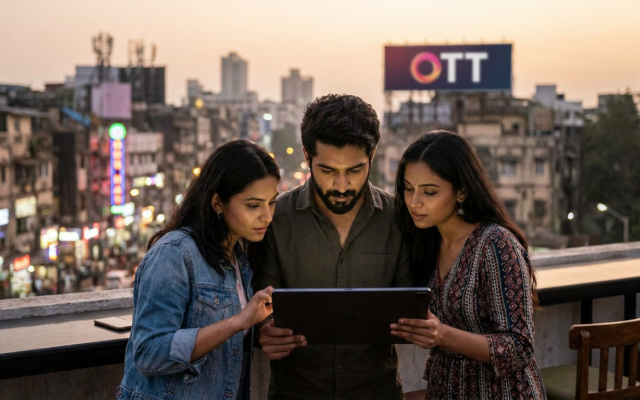
The rise of streaming platforms has been a significant catalyst in making Indian cinema accessible worldwide. In 2026, we expect these platforms to continue commissioning and distributing Bollywood films on a global scale, potentially leading to more diverse narratives being greenlit. This also means that filmmakers are becoming more conscious of producing content that can transcend cultural barriers, ensuring that the emotional core of the story is universally understood. For instance, a film exploring the complex dynamics of a joint family in Delhi might find resonance with audiences in Seoul or São Paulo due to its exploration of universal themes like familial love and generational conflict.
Moreover, Bollywood’s visual language is evolving to incorporate techniques and aesthetics that are familiar and appealing to a global audience, without sacrificing its distinctive style. This might mean more stylized action sequences, more experimental cinematography, or a greater focus on visual metaphors that have cross-cultural interpretations. The goal is to create films that are not only entertaining but also act as cultural ambassadors, fostering understanding and appreciation for India’s rich heritage and contemporary vibrance on the world stage.