India Dominates Sri Lanka in Opener: A Blistering Start to the 2026 Season
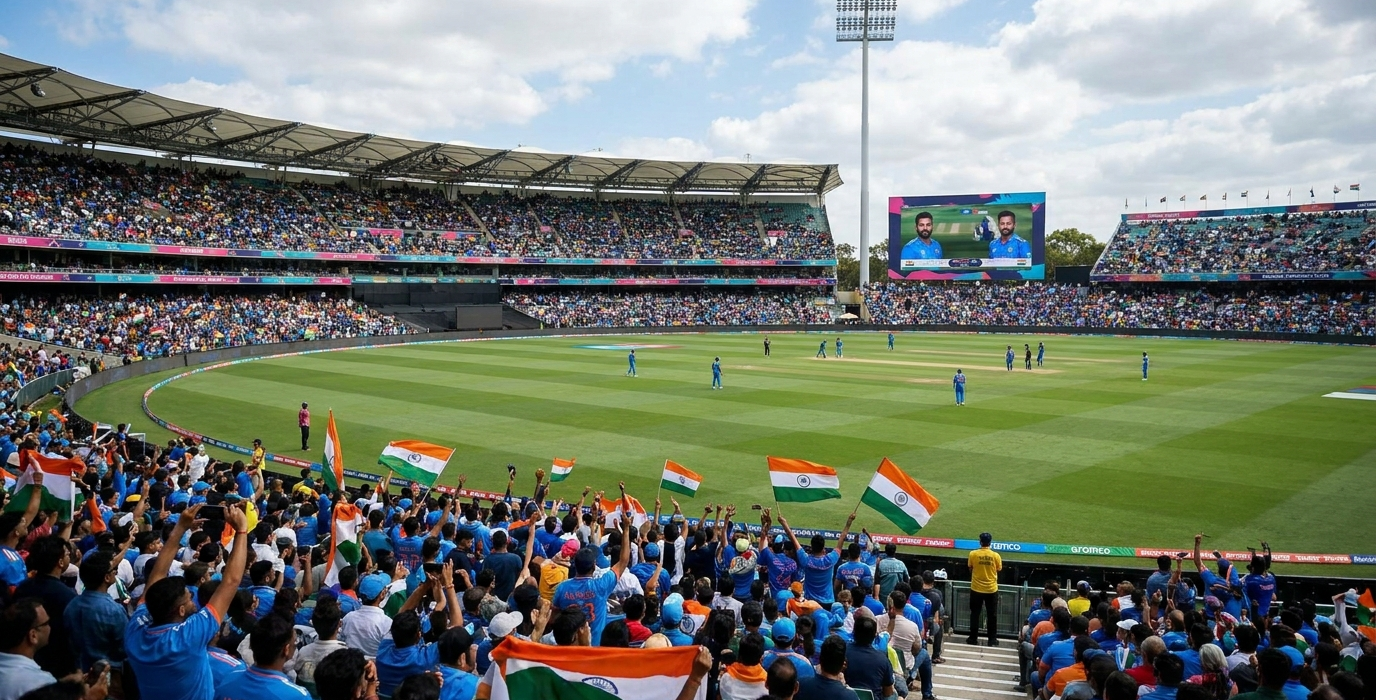
The Indian cricket team has kicked off its 2026 international season with a resounding victory over Sri Lanka in the first One Day International (ODI) held at the iconic Eden Gardens in Kolkata. The Men in Blue displayed a formidable all-round performance, leaving the visiting Lankans with little to cheer about.
From the moment captain Rohit Sharma won the toss and elected to bat, the intent was clear. The opening partnership between Sharma and Shubman Gill was nothing short of explosive. They put on a massive 150 runs within the first 25 overs, setting a perfect platform for the middle order.
Gill, in particular, looked in sublime form, notching up his 10th ODI century with a flurry of elegant boundaries and powerful sixes. Sharma, though falling just short of a century himself, provided the crucial impetus with a quickfire 85. This aggressive start allowed the likes of Suryakumar Yadav and the returning Rishabh Pant to play with freedom.
Yadav continued his T20 form into the ODI arena, smashing a rapid 70 off just 45 balls, featuring some audacious scoops and drives. Pant, back in the ODI squad after a period of rehabilitation, looked confident behind the stumps and played a valuable cameo of 35, adding crucial late runs to push India’s total well past the 350 mark. India finished their innings at a commanding 365 for 4.
The Sri Lankan chase never truly got going. Jasprit Bumrah, leading the attack with his trademark seam movement and pace, struck early, dismissing both openers within the first powerplay. Mohammed Siraj and Arshdeep Singh continued the pressure, picking up wickets at regular intervals. The spinners, Ravindra Jadeja and Kuldeep Yadav, then stifled the middle overs, making scoring incredibly difficult.
Despite a valiant effort from Kusal Mendis, who scored a fighting 78, the Sri Lankan batting lineup crumbled under the weight of the massive target and disciplined Indian bowling. They were eventually bowled out for 210 in the 40th over, handing India a comprehensive victory by 155 runs. This dominant performance sets a positive tone for the rest of the series and the upcoming challenges for the Indian team.
T20 World Cup Preparations Intensify: Squad Announcements and Key Performances
As the 2026 T20 World Cup looms on the horizon, the cricketing world is abuzz with anticipation. India, like other major cricketing nations, is meticulously planning its campaign, with squad announcements and crucial player performances taking centre stage. The recent domestic T20 tournaments have served as a vital testing ground for potential World Cup hopefuls.
The selection committee, led by the astute Ajit Agarkar, has been closely monitoring the performances in the Premier League of India (PLI) and other domestic competitions. We’ve seen some sensational individual efforts that have put players firmly in contention for a coveted spot in the national squad. The emergence of young talent from smaller cities is particularly heartening.
One such story is that of Akash Madhwal, the pacer from Uttarakhand, who has consistently impressed with his ability to bowl yorkers at will and pick up crucial wickets in the death overs. His performances in the PLI, especially for his franchise in Mumbai, have drawn comparisons to some of the best death bowlers in the world. He’s a strong contender to be part of India’s pace attack.
Similarly, the batting prowess of Rinku Singh continues to be a talking point. His finishing ability and penchant for clearing the boundary have made him a valuable asset in the T20 format. His calm demeanor under pressure and ability to turn matches on their head have put him high on the selectors’ radar. We are also keeping a close eye on the all-round capabilities of Shivam Dube, whose power-hitting down the order and handy medium pace could prove invaluable.
The experienced campaigners are also fighting to retain their places. The likes of Jasprit Bumrah, if fit, will be an automatic inclusion, while the form of other senior bowlers will be crucial. The middle-order batting remains a strong point, with established stars expected to lead the charge. However, the selectors are also looking for flexibility and players who can adapt to different conditions. The final squad is expected to be announced in the coming months, and the competition for those final few spots promises to be fierce.
Test Cricket Renaissance: India’s Dominance Down Under and the Future of the Format
Test cricket, often dubbed the ultimate examination of a cricketer’s skill and temperament, is experiencing a remarkable resurgence, and India has been at the forefront of this revival. Their recent, hard-fought series victory against Australia in their own backyard has cemented their status as a formidable force in the longest format of the game.
The series, played across iconic venues like the Melbourne Cricket Ground and the Sydney Cricket Ground, was a true spectacle. It was a gritty battle, with both teams showcasing incredible resilience and skill. The pitches, while offering something for the bowlers, also allowed for extended periods of captivating batting. We witnessed centuries from stalwarts and crucial breakthroughs from both pace and spin attacks.
The Indian pace battery, spearheaded by the ever-reliable Jasprit Bumrah and the tireless Mohammed Shami, proved to be a handful for the Australian batsmen. Their ability to generate pace, extract bounce, and maintain relentless pressure was a key factor in their success. Complementing them was the exceptional control and turn offered by Ravindra Jadeja, whose all-round contributions with both bat and ball were pivotal.
On the batting front, the emergence of young Shubman Gill as a reliable Test opener has been a significant development. His technique and temperament have been tested and proven against one of the best bowling attacks in the world. The rock-solid defence of Cheteshwar Pujara, combined with the attacking flair of captain Rohit Sharma, provided the necessary stability and impetus.
This series win is more than just a scoreline; it’s a testament to the dedication and strategic planning that has gone into nurturing Test cricket in India. The Board of Control for Cricket in India (BCCI) has actively promoted Test cricket through robust domestic structures and by ensuring top players are available for international assignments. The sheer joy and passion displayed by fans at the grounds, even for Test matches, indicate a bright future for the format. We are witnessing a golden era of Indian Test cricket, and its impact is felt globally, inspiring other nations to prioritize and invest in this timeless game.
The Rise of the All-Rounder: India’s Multi-Faceted Talent Pool
In modern-day cricket, the value of a genuine all-rounder cannot be overstated. These versatile players who can contribute significantly with both bat and ball often tilt the balance of a match in their team’s favour. India, in recent years, has been blessed with an abundance of such talent, and this trend continues to flourish in 2026.
We’ve seen players like Ravindra Jadeja and Hardik Pandya consistently perform at the highest level, proving their worth in all three formats of the game. Jadeja, with his economical left-arm spin, sharp fielding, and his ability to play crucial cameos with the bat, has become an indispensable part of the Indian setup. His recent century in a tense Test match against England showcased his batting prowess on a challenging pitch.
Hardik Pandya, on the other hand, brings explosive power-hitting lower down the order and crucial overs of pace bowling. His leadership in the IPL has also been commendable, and he is increasingly being seen as a potential future captain for the national side in limited-overs formats. His aggressive style and ability to win matches single-handedly make him a vital cog.
Beyond these established stars, we are seeing exciting new all-rounders emerge. Players like Venkatesh Iyer and Riyan Parag are making their presence felt with their all-round abilities. Iyer, with his clean hitting and handy medium pace, has shown glimpses of his potential, while Parag’s consistent performances in domestic cricket, coupled with his explosive batting and leg-spin, are putting him firmly on the selectors’ radar.
The emphasis on developing all-rounders starts from the grassroots. Coaching academies across India are focusing on nurturing players with multi-disciplinary skills. This focus ensures a continuous pipeline of talent, providing the Indian team with depth and flexibility. The ability to call upon a player who can bowl a few overs and score quick runs, or vice-versa, is a significant advantage. We are truly witnessing a golden age of all-rounders in Indian cricket, enriching the game and delighting fans with their diverse contributions.
Women’s Cricket Soars: A Look at India’s Growing Prowess and Future Prospects
The landscape of women’s cricket in India is undergoing a dramatic transformation, marked by increasing professionalism, growing fan engagement, and significant on-field success. The Indian women’s team has been consistently punching above its weight, challenging established powerhouses and emerging as a formidable force in international cricket.
The recent performances in the Women’s Premier League (WPL) have been nothing short of spectacular. The league has provided a much-needed platform for domestic talent to shine on a grand stage, attracting global stars and boosting the overall standard of the game. We’ve seen incredible individual performances, thrilling contests, and a surge in viewership, indicating a bright future for women’s cricket in India.
Key players like captain Harmanpreet Kaur continue to lead from the front with their aggressive batting and inspirational leadership. Smriti Mandhana’s elegant strokeplay has captivated audiences worldwide, and her consistent scoring makes her a vital asset. The emergence of young talents like Shafali Verma, with her fearless approach at the top of the order, and the consistent wicket-taking ability of spinners like Deepti Sharma, have added significant depth to the squad.
The focus is now on building on this momentum. The BCCI has been investing in better infrastructure, coaching facilities, and compensation for women cricketers, creating a more conducive environment for growth. We are also seeing an increase in the number of bilateral series and international tournaments, providing more opportunities for the team to gain experience and hone their skills.
The dream of lifting a major ICC trophy remains a driving force. With the talent pool deepening and the level of competition increasing, it’s not a question of ‘if’ but ‘when’ the Indian women’s team will achieve this coveted milestone. The passion and dedication displayed by these athletes are inspiring, and their journey is captivating a new generation of fans, ensuring that women’s cricket in India will continue to soar to new heights.
The Unsung Heroes: Tier 2 & 3 Cities Fueling Indian Cricket’s Future
While the glamour of the IPL and the national team often centres around established stars and metropolitan hubs, the true bedrock of Indian cricket lies in its vast network of Tier 2 and Tier 3 cities. These smaller towns and cities are increasingly becoming nurseries for exceptional talent, quietly shaping the future of the sport in India.
The passion for cricket in these regions is palpable, often transcending socioeconomic barriers. Youngsters often play with makeshift equipment on dusty grounds, their dreams as big as any star playing at the Wankhede Stadium. These raw talents, nurtured by dedicated local coaches and passionate communities, are now making a significant impact at the state and national levels.
Take, for instance, the story of Mohit Sharma from a small town in Haryana, who, after years of grinding in local tournaments, has become a vital part of his state’s Ranji Trophy squad, impressing with his disciplined medium pace. Or consider the emergence of Anya Singh from a district in Uttar Pradesh, whose exceptional batting skills have earned her a place in the national women’s academy.
The increasing reach of televised cricket and the advent of leagues like the PLI have provided aspiration and exposure to these young cricketers. Furthermore, initiatives by state cricket associations to establish academies and conduct talent scouting programs in these lesser-known areas are proving fruitful. The focus is shifting from just the major centres to a more inclusive approach to talent identification.
This decentralisation of talent development is crucial for the sustained growth of Indian cricket. It ensures that talent is not overlooked due to geographical limitations. The stories of these unsung heroes from Tier 2 and Tier 3 cities are not just about individual success; they are about the democratisation of a sport that holds a special place in the hearts of millions. Their journey from local maidan to potential national representation is a testament to the enduring spirit of Indian cricket.