Key Takeaways
- Discover India’s hidden monsoon gems for 2026, from lush Western Ghats retreats to serene Himalayan valleys.
- Explore unique experiences like bioluminescent beaches, ancient temple trails, and vibrant local festivals.
- Learn practical tips for budget-friendly monsoon travel and how to pack smart for unpredictable weather.
- Uncover the spiritual and rejuvenating aspects of monsoon travel in less-trodden paths.
Embrace the Emerald Embrace: Meghalaya’s Living Root Bridges and Cascading Falls
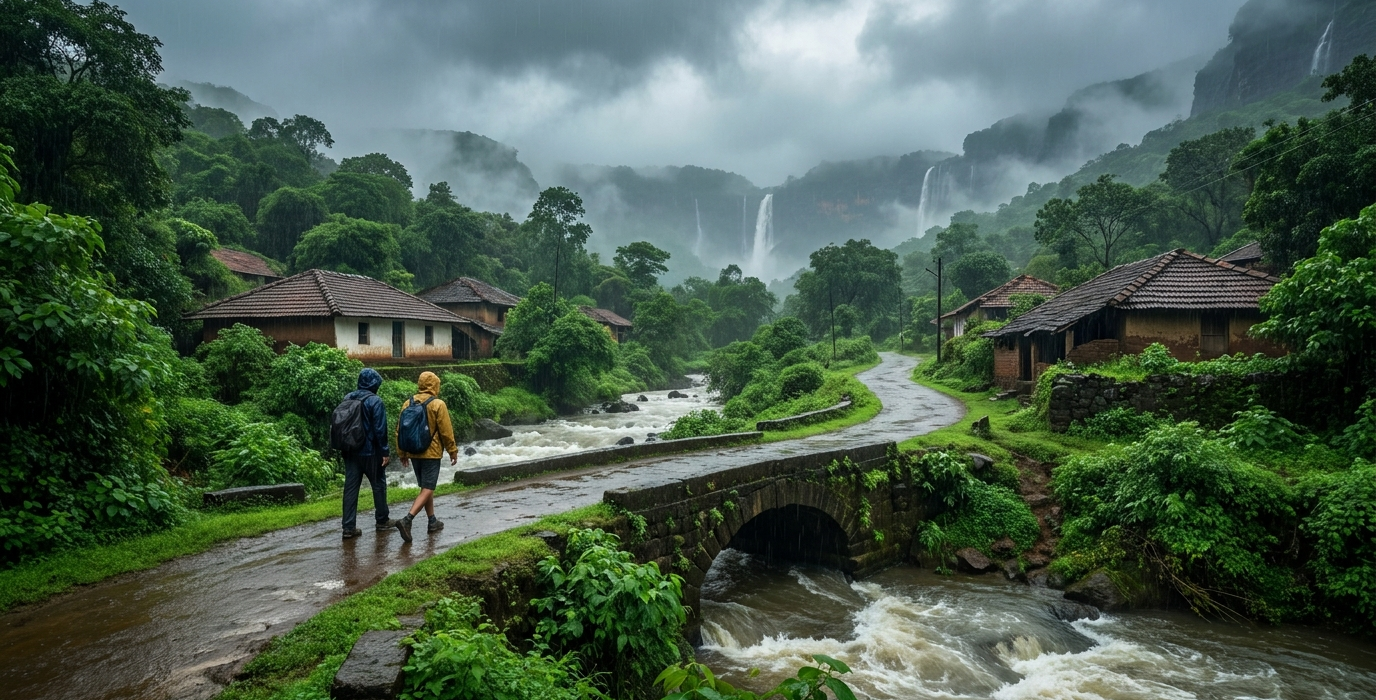
The monsoon season transforms India, washing over landscapes in vibrant hues and invigorating the senses. While many flock to the usual hill stations, 2026 offers a chance to explore the truly breathtaking beauty of Meghalaya, the “Abode of the Clouds.” This northeastern gem, often overlooked, becomes an otherworldly paradise during the rains, its verdant hills alive with mist and its rivers swelling into powerful cascades.
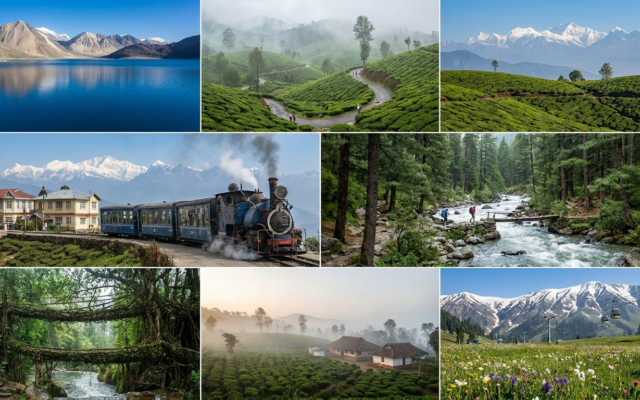
Our journey into Meghalaya’s monsoon magic begins with the iconic living root bridges, a testament to the ingenuity of the Khasi and Jaintia tribes. These marvels of bioengineering are literally grown from the aerial roots of rubber fig trees, guided across streams over decades. Walking across them, with the mist swirling around you and the roar of unseen waterfalls in the distance, is an experience that transcends mere sightseeing. It’s a communion with nature and a deep dive into a unique cultural practice.
Beyond the bridges, Meghalaya is a land of spectacular waterfalls. Cherrapunji, famously one of the wettest places on Earth, truly lives up to its reputation. The Seven Sisters Falls, Nohkalikai Falls, and Dainthlen Falls are at their most majestic during the monsoon, thundering down cliffsides with unparalleled force. The sheer volume of water, the spray that kisses your face, and the rainbows that arc across the gorges create unforgettable vistas. For those seeking a more serene, yet equally captivating experience, head to Mawlynnong, Asia’s cleanest village, where tiny streams trickle through manicured gardens and the air is thick with the scent of blooming orchids.
The Mystical Shores of Gokarna: Bioluminescence and Beach Serenity
While Goa’s beaches are legendary, 2026 invites you to discover the quieter, more spiritual charm of Gokarna in Karnataka. This coastal town, revered as a major Hindu pilgrimage site, offers a unique blend of sacred traditions and unspoiled natural beauty, especially during the monsoon. The Arabian Sea, typically turquoise, takes on a deeper, more dramatic hue under the monsoon skies, and the coastline becomes a haven for those seeking tranquility away from the crowds.
One of Gokarna’s most magical secrets, revealed during the monsoon months, is the phenomenon of bioluminescence. On moonless nights, certain secluded beaches, like Om Beach or Kudle Beach, can light up with a celestial glow as microscopic plankton in the water emit light when disturbed. Imagine walking along the shore, your footprints leaving trails of shimmering blue light in the wet sand, or seeing the waves sparkle as they crash. This ethereal spectacle is a reminder of the wonders nature holds, a truly unforgettable sight that feels straight out of a fairy tale.
Beyond the bioluminescent displays, Gokarna offers a chance to connect with its spiritual heart. Explore the ancient Mahabaleshwar Temple, dedicated to Lord Shiva, and soak in the peaceful atmosphere that pervades the town. The monsoon rains bring a lushness to the surrounding hills, making treks to lesser-known beaches like Half Moon Beach or Paradise Beach even more rewarding. These trails, often shrouded in a gentle mist, lead you through dense foliage to coves where the only sounds are the crashing waves and the calls of exotic birds. It’s a perfect escape for solo travelers or couples looking for a blend of adventure and introspection.
Himalayan Whispers: Spiti Valley’s Lunar Landscapes and Ancient Monasteries
For the intrepid traveler in 2026, the monsoon season in India presents an opportunity to explore landscapes that are often inaccessible or daunting at other times of the year. While the plains and southern hills are drenched in rain, the rain shadow region of Spiti Valley in Himachal Pradesh offers a stark, awe-inspiring beauty. This high-altitude cold desert, nestled between Tibet and Ladakh, remains remarkably dry and offers a dramatic contrast to the rest of India’s monsoon experience.
Spiti’s allure during the monsoon lies in its lunar-like terrain, painted in shades of ochre, brown, and grey, starkly contrasting with the impossibly blue sky. The absence of rain means clear, unobstructed views of towering snow-capped peaks and vast, barren mountainsides. The rivers, though less swollen than their counterparts in the lower altitudes, still carve dramatic gorges through the landscape, their turquoise waters a vibrant ribbon against the desert palette. This is a place where you can truly feel the immensity of nature and the silence of the mountains.
The cultural heart of Spiti beats within its ancient monasteries, some of the oldest in the world. Visiting Key Monastery, perched precariously on a hilltop overlooking the Spiti River, or Tabo Monastery, often called the “Ajanta of the Himalayas” for its exquisite murals, is an experience of profound peace. During the monsoon, these spiritual sanctuaries are less crowded, allowing for deeper contemplation and interaction with the resident monks. Imagine sipping butter tea in a centuries-old prayer hall, the only sound the chanting of mantras and the distant call of a yak. A surprising fact for many is that Spiti’s landscape, while appearing arid, is dotted with tiny villages that cultivate barley and peas, supported by glacial meltwater, showcasing life’s tenacity in the harshest environments.
The Spice Trails of Kerala: Backwater Bliss and Emerald Plantations
Kerala, God’s Own Country, truly comes alive during the monsoon. For 2026, we recommend immersing yourself in its lush, green embrace, where the rains rejuvenate the landscape and enhance its natural beauty. The monsoons here are not a deterrent to travel but rather an invitation to experience Kerala in its most vibrant and fragrant form. The air is alive with the scent of wet earth, spices, and blooming flowers, creating an intoxicating atmosphere.
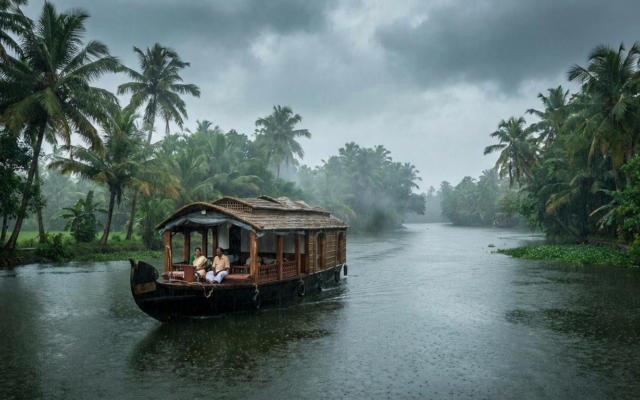
Your monsoon sojourn in Kerala would be incomplete without a houseboat cruise through its iconic backwaters. While popular year-round, the monsoon season offers a unique perspective. The network of canals, lakes, and lagoons swells, creating a vast, serene expanse of water. Gliding through the tranquil waters on a traditional Kettuvallam, surrounded by emerald paddy fields and coconut groves, with the gentle patter of rain on the roof, is an experience of unparalleled relaxation. You’ll witness village life unfolding along the banks, from women washing clothes to children playing, all against a backdrop of lush greenery intensified by the rains.
Beyond the backwaters, the hill stations of Kerala, such as Munnar and Wayanad, transform into breathtaking emerald landscapes. The tea and spice plantations, usually a vibrant green, become even more intensely colored after the rains. Consider a visit to a spice plantation in Thekkady, where the monsoon showers enhance the aroma of cardamom, pepper, and cinnamon. You can take guided tours, learn about the cultivation of these precious spices, and even enjoy freshly prepared dishes infused with them. The mist-laden hills and the gushing waterfalls are a sight to behold, offering numerous opportunities for nature walks and photography. A lesser-known but delightful experience is witnessing the traditional Theyyam performances, which often take place in temples during the monsoon, adding a vibrant cultural dimension to your trip.
The Royal Echoes of Rajasthan: Desert Bloom and Monsoon Lakes
While Rajasthan is often associated with the scorching heat of summer, the monsoon season of 2026 unveils a different, equally captivating side of this royal state. As the rest of India experiences heavy downpours, Rajasthan receives a gentler, life-giving rain that transforms its arid landscapes. The desert, far from being barren, bursts into a surprising bloom of wildflowers, and the ancient lakes and reservoirs fill up, reflecting the dramatic monsoon skies.
Cities like Udaipur, known as the “City of Lakes,” become even more enchanting during the monsoon. Lake Pichola and Fateh Sagar Lake, often at their lowest during drier months, are replenished, their waters mirroring the palaces and Aravalli hills. Boat rides on these lakes, with the mist rising from the water and the forts looking more majestic than ever, offer a romantic and serene experience. The monsoon rains also bring a refreshing coolness, making exploration of the city’s many palaces, such as the City Palace and Jag Mandir, a much more comfortable affair. The vibrant colors of Rajasthani textiles and crafts seem to pop even more against the backdrop of the rain-washed streets.
Beyond Udaipur, consider venturing to the less-explored regions of the state. Mount Abu, Rajasthan’s only hill station, offers a unique respite with its cooler climate and lush greenery, accentuated by the monsoon. The Nakki Lake and the Dilwara Temples, with their intricate marble carvings, are particularly beautiful during this time. For a truly offbeat experience, explore the desert regions around Jaisalmer. While the sand dunes themselves remain dry, the rare monsoon showers can lead to the temporary formation of small ‘dhands’ or lakes, attracting migratory birds and creating temporary oases. The stark beauty of the desert landscape, punctuated by these ephemeral water bodies and the vibrant green shoots that emerge after the rain, is a sight few travelers get to witness, a surprising testament to nature’s resilience.
The Architectural Marvels of Hampi: Ruins in the Rain
Hampi, the UNESCO World Heritage Site in Karnataka, is a place that resonates with history and grandeur. While it’s a popular destination year-round, visiting Hampi during the 2026 monsoon offers a unique and often overlooked perspective. The dramatic boulder-strewn landscape, dotted with the ruins of the Vijayanagara Empire, takes on a mystical quality under the monsoon skies. The Tungabhadra River, usually serene, swells with the rains, adding a dynamic element to the already breathtaking scenery.
Exploring the vast expanse of Hampi’s ruins – the Virupaksha Temple, the Vittala Temple with its iconic Stone Chariot, the Royal Enclosure, and the Queen’s Bath – becomes a more immersive experience when the air is cool and fresh, and the occasional drizzle adds a dramatic flair. The usual crowds thin out, allowing you to wander through ancient courtyards and admire intricate carvings with a sense of solitude and discovery. The lush green vegetation that sprouts after the rains provides a stark, beautiful contrast to the weathered stone structures, highlighting their enduring presence against the forces of nature.
One of the most striking aspects of a monsoon visit to Hampi is the soundscape. The usual ambient noise is replaced by the rhythmic drumming of rain, the distant roar of the river, and the calls of birds nesting in the ancient structures. It’s a truly atmospheric experience that transports you back in time. For a truly unique view, consider climbing Matanga Hill or Hemakuta Hill at sunrise or sunset. The panoramic vistas of the ruins bathed in the soft monsoon light, with clouds drifting across the sky, are simply spectacular. A surprising detail often missed is that Hampi’s unique landscape, with its massive granite boulders, is believed by geologists to be one of the oldest land formations on Earth, dating back billions of years, making the monsoon’s touch on these ancient stones even more profound.
Frequently Asked Questions
What are the best offbeat monsoon destinations in India for 2026?
For 2026, consider Meghalaya for its living root bridges and waterfalls, Gokarna for bioluminescent beaches, Spiti Valley for its dry, dramatic landscapes, Kerala for its backwaters and spice plantations, Rajasthan for its desert blooms and filled lakes, and Hampi for its historical ruins in a unique monsoon setting.
Is monsoon travel to places like Spiti Valley safe in 2026?
Yes, Spiti Valley is in a rain shadow region and remains largely dry and accessible during the monsoon. However, it’s crucial to check road conditions and local advisories as landslides can occur on the approach routes. Always travel with a reliable vehicle and experienced drivers.
What should I pack for a monsoon trip in India in 2026?
Pack quick-drying clothes, a good quality waterproof jacket or poncho, waterproof footwear or sandals, an umbrella, insect repellent, a waterproof bag for electronics, and a basic first-aid kit. Also, carry light layers as evenings can be cool, especially in hilly regions.
Are there specific cultural festivals happening in these monsoon destinations in 2026?
While specific dates vary, monsoon months often coincide with local temple festivals and harvest celebrations in regions like Kerala and parts of Karnataka. In Meghalaya, you might find traditional Khasi festivals. It’s advisable to check local event calendars closer to your travel dates for specific information.
What are the advantages of traveling during the Indian monsoon in 2026?
The monsoon brings lush greenery, fewer crowds, lower prices for accommodation and travel, and a unique, dramatic beauty to the landscape. It’s also a time when natural phenomena like bioluminescence are visible, and the air is fresh and fragrant.