Key Takeaways
- India is rapidly advancing in EV battery technology, moving beyond reliance on imports with significant R&D and manufacturing investments in 2026.
- New battery chemistries like solid-state and sodium-ion are showing promise, potentially offering greater safety, faster charging, and lower costs for Indian consumers.
- Government policies and private sector innovation are creating a robust ecosystem for battery production, recycling, and second-life applications, fostering a greener future.
- Challenges remain in scaling production, securing raw materials, and developing a skilled workforce, but the trajectory for India’s EV battery sector is undeniably upward.
India’s Battery Revolution: A Nation Electrifying Its Future
The hum of electric vehicles is no longer a distant whisper; it’s a growing chorus across India’s bustling metropolises and evolving towns. As we navigate 2026, the story of India’s electric mobility is intrinsically linked to its burgeoning battery technology sector. For too long, the nation has been a significant importer of these crucial components, but a powerful shift is underway. We are witnessing a concerted effort, driven by both government policy and ambitious private enterprises, to establish India as a global hub for EV battery innovation and manufacturing.
This isn’t just about making more electric cars; it’s about building a sustainable ecosystem from the ground up. Investments are pouring into research and development, focusing on chemistries that are safer, more efficient, and crucially, more affordable for the Indian market. The goal is clear: to reduce our dependence on foreign supply chains and to power our nation’s transition to clean energy with indigenously developed and manufactured solutions. The implications for energy security, economic growth, and environmental sustainability are profound.
Beyond Lithium-Ion: The Next Generation of Battery Chemistries
While lithium-ion batteries have powered the current EV wave, India’s R&D labs are already pushing the boundaries for what comes next. The focus is on chemistries that address the core concerns of Indian consumers: cost, safety, and charging speed. Solid-state batteries are a major area of interest, promising a significant leap in safety by replacing flammable liquid electrolytes with solid materials. Imagine EVs that are virtually immune to thermal runaway, a critical concern in diverse climates like India’s.
Furthermore, sodium-ion batteries are emerging as a compelling alternative, especially for segments where cost is paramount. Sodium is abundant and far cheaper than lithium, making these batteries potentially game-changing for two- and three-wheelers, as well as for grid-scale energy storage. Companies are actively exploring advanced cathode and anode materials that can enhance the performance and lifespan of these next-generation batteries. One surprising fact: several Indian research institutions are exploring using abundant Indian mineral resources like manganese and iron in novel battery designs, potentially reducing reliance on even lithium and cobalt.
Manufacturing Prowess: From Gigafactories to Local Ecosystems
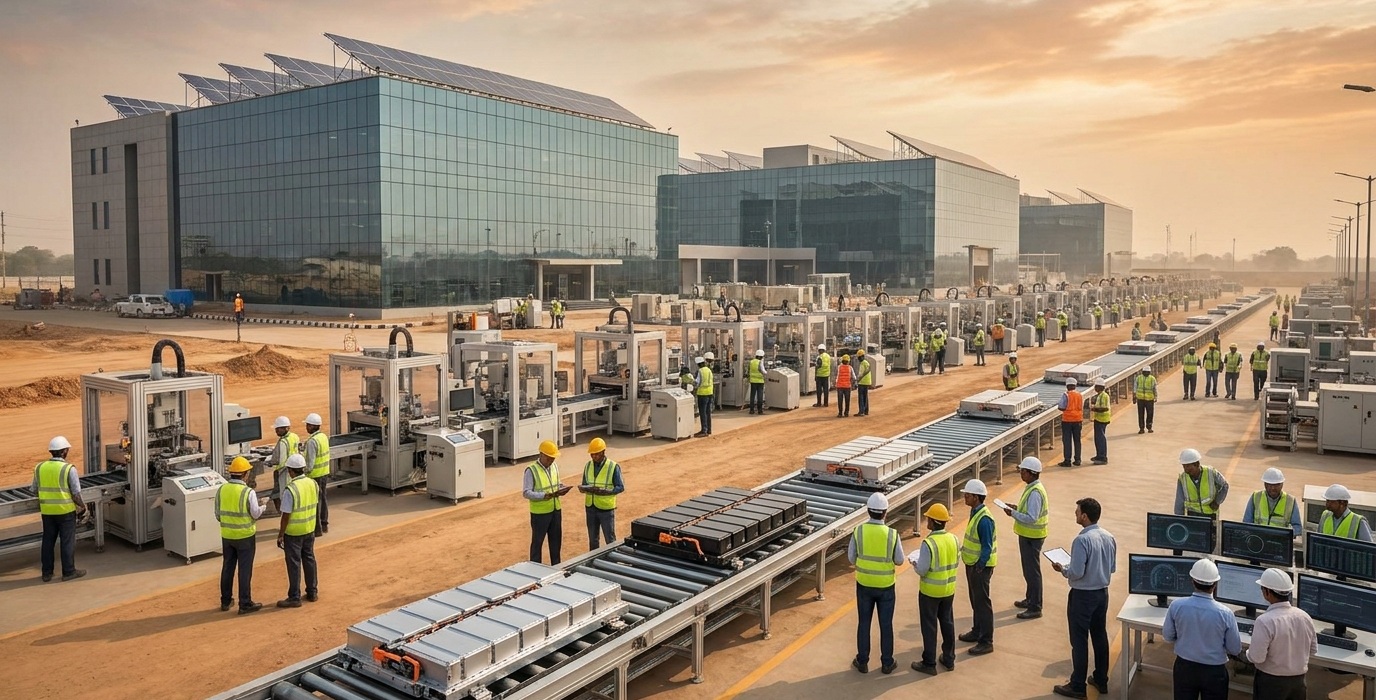
The ambition to innovate is being matched by the drive to manufacture. India is no longer just assembling batteries; it’s building the infrastructure for large-scale production. The establishment of Gigafactories, some in partnership with international players and others driven by domestic giants, is transforming the manufacturing landscape. These state-of-the-art facilities are designed to meet the burgeoning demand for EV batteries across all vehicle segments, from compact city cars to heavy-duty trucks and electric buses.
Beyond the mega-plants, there’s a parallel push to develop a robust local ecosystem. This includes supporting component manufacturers, raw material processing units, and specialized engineering firms. The aim is to create a self-sufficient value chain that minimizes logistical hurdles and fosters innovation at every stage. This integrated approach isn’t just about job creation; it’s about building resilience and ensuring a steady supply of batteries as India accelerates its EV adoption targets. We are seeing a significant uptick in investments in facilities near key automotive manufacturing hubs like Chennai and Pune.
Government Support and Policy Tailwinds: Fueling the Charge
The Indian government’s commitment to electric mobility is a significant driving force behind the battery revolution. Policies like the Production Linked Incentive (PLI) scheme for Advanced Chemistry Cell (ACC) battery storage are providing crucial financial impetus to manufacturers. These incentives are designed to attract substantial investment, encourage domestic production, and foster the development of a complete battery ecosystem within India. The vision is to make India a global manufacturing powerhouse for batteries, comparable to its prowess in pharmaceuticals or IT.
Beyond financial incentives, regulatory frameworks are being fine-tuned to support battery innovation, safety standards, and recycling initiatives. The Faster Adoption and Manufacturing of Electric Vehicles (FAME) scheme continues to drive demand, creating a virtuous cycle where increased EV sales necessitate greater battery production. This coordinated effort, combining policy push with market pull, is creating an environment where battery technology can truly flourish. The recent announcement of a national battery testing and certification centre in Bengaluru is a testament to this focused approach.
The Crucial Role of Battery Recycling and Second-Life Applications
As EV adoption scales, the responsible management of end-of-life batteries becomes paramount. India is proactively addressing this challenge by focusing on robust battery recycling and repurposing strategies. The goal isn’t just to discard old batteries but to extract valuable materials like lithium, cobalt, and nickel, feeding them back into the production cycle. This circular economy approach significantly reduces the environmental footprint of EV manufacturing and decreases reliance on virgin raw materials.
Beyond recycling, ‘second-life’ applications are gaining traction. Used EV batteries, even those with reduced capacity, can still be highly effective for stationary energy storage. Imagine retired EV batteries powering homes in remote villages, supporting microgrids, or providing grid stability services. This dual approach of efficient recycling and innovative repurposing is crucial for the long-term sustainability of India’s EV ambitions. A surprising fact: a pilot project in Kerala is repurposing retired EV battery packs to power agricultural irrigation pumps, significantly reducing diesel consumption in rural areas.
Challenges and the Road Ahead: Navigating the EV Battery Landscape
While the progress in India’s EV battery sector is commendable, significant challenges remain. Scaling up manufacturing to meet the ambitious targets requires massive capital investment and a skilled workforce. Securing a stable and ethical supply chain for critical raw materials like lithium, nickel, and cobalt is an ongoing concern, necessitating strategic international partnerships and exploration of domestic alternatives. Developing standardized testing and safety protocols that are relevant to India’s diverse operating conditions is also crucial.
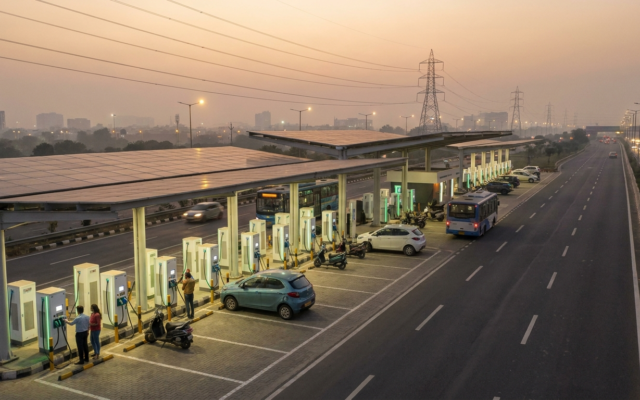
Furthermore, ensuring the affordability of EVs for the mass market hinges on bringing down battery costs through technological advancements and economies of scale. Building a robust charging infrastructure that complements the battery technology is another interconnected challenge. However, the momentum is undeniable. With continued investment, focused R&D, supportive policies, and a growing ecosystem, India is well on its way to becoming a leader in EV battery technology. The journey is complex, but the destination – a cleaner, more electrified future – is within reach.
Frequently Asked Questions
What are the main types of EV batteries being developed in India?
India is actively developing and investing in next-generation battery technologies beyond traditional lithium-ion. Key areas of focus include solid-state batteries for enhanced safety and energy density, and sodium-ion batteries for their cost-effectiveness and abundance of raw materials, particularly for two- and three-wheeler segments.
How is the Indian government supporting EV battery manufacturing?
The Indian government is providing significant support through policies like the Production Linked Incentive (PLI) scheme for Advanced Chemistry Cell (ACC) battery storage, which offers financial incentives to manufacturers. Schemes like FAME (Faster Adoption and Manufacturing of Electric Vehicles) also drive demand, creating a positive feedback loop for battery production.
What is being done about EV battery waste in India?
India is prioritizing battery recycling and second-life applications. The aim is to recover valuable materials from end-of-life batteries and repurpose them for stationary energy storage, creating a circular economy model and reducing environmental impact.
Are there any concerns about the raw materials for EV batteries in India?
Yes, securing a consistent and ethical supply chain for raw materials like lithium, nickel, and cobalt is a key challenge. India is addressing this through strategic international partnerships, exploration of domestic mineral resources, and by developing alternative battery chemistries that use more readily available materials.