Key Takeaways
- India is rapidly emerging as a prime destination for digital nomads in 2026, thanks to improving infrastructure and a growing community.
- Visa policies are evolving, with specific digital nomad visas becoming more accessible in key Indian states.
- Cost of living remains a significant draw, offering a high quality of life at a fraction of Western prices, especially in emerging hubs.
- Navigating cultural nuances, reliable internet, and local bureaucracy are key challenges to be aware of.
The Allure of India: A Digital Nomad’s Dream in 2026
India, a land of ancient traditions and burgeoning modernity, is no longer just a tourist hotspot; it’s rapidly becoming a vibrant ecosystem for digital nomads. In 2026, the country presents an irresistible blend of affordability, cultural richness, and increasingly, the necessary infrastructure to support a remote work lifestyle. From the sun-drenched beaches of Goa to the serene mountains of Himachal Pradesh, diverse landscapes offer varied experiences for those seeking to blend work and exploration.
The sheer scale of India means you can find almost anything you’re looking for, whether it’s a bustling co-working space in Bengaluru or a quiet ashram in Rishikesh where you can focus on your projects. This year, we’re seeing a significant uptick in dedicated co-living spaces and flexible rental options tailored for long-term stays. This shift signifies India’s growing understanding and embrace of the global remote work trend. We believe this is just the beginning of India’s journey as a top-tier digital nomad destination.
Navigating the Visa Landscape: Opportunities and Hurdles
One of the most crucial aspects for any international remote worker is the visa. India’s stance has been evolving, and 2026 brings more clarity and some promising developments. While a dedicated “digital nomad visa” isn’t yet a pan-Indian reality, several states are offering specific pathways or making existing visa categories more conducive to long-term stays for remote professionals. For instance, the Union Territory of Lakshadweep has been piloting a special program to attract remote workers, offering streamlined entry and support services, a move that has generated considerable buzz.
Beyond state-specific initiatives, the long-term tourist visa (often up to six months, renewable) remains a popular option for many. However, it’s essential to understand the nuances and limitations. Tourists are generally not permitted to work *for* Indian companies on this visa, but working remotely for overseas employers is often a grey area that many successfully navigate. It’s wise to stay updated on the latest regulations from the Bureau of Immigration and consult with immigration experts if you have specific concerns about your stay and work arrangements. Remember, proactive research is your best ally when dealing with international visa requirements.
The Cost Advantage: Unpacking Your Budget in India
The economic allure of India for digital nomads in 2026 is undeniable. Compared to North America, Europe, or even many parts of Southeast Asia, the cost of living here is remarkably low. You can secure comfortable accommodation, enjoy delicious and diverse cuisine, and access reliable co-working spaces without breaking the bank. This affordability allows you to stretch your budget further, enabling longer stays and more extensive travel within the country.
Consider this: a comfortable private room in a co-living space in a city like Pune might cost you around ₹15,000-₹25,000 per month in 2026. This often includes utilities and high-speed internet. Contrast this with Western cities where a similar setup could easily cost upwards of ₹70,000-₹100,000. Even in major hubs like Bengaluru or Mumbai, while costs are higher, they remain competitive globally. Eating out at local eateries, known as ‘dhabas’ or ‘thalis’, can cost as little as ₹100-₹300 for a filling, nutritious meal. This economic advantage is a primary driver for many choosing India.
Connectivity and Co-working: The Digital Backbone
For any digital nomad, reliable internet is non-negotiable. India has made significant strides in improving its digital infrastructure. While you might encounter occasional connectivity hiccups, especially in remote rural areas, the situation has vastly improved in major cities and popular nomad hubs. High-speed broadband is readily available in most urban centers, and mobile data plans are incredibly affordable and widespread, offering speeds that are more than adequate for most remote work tasks.
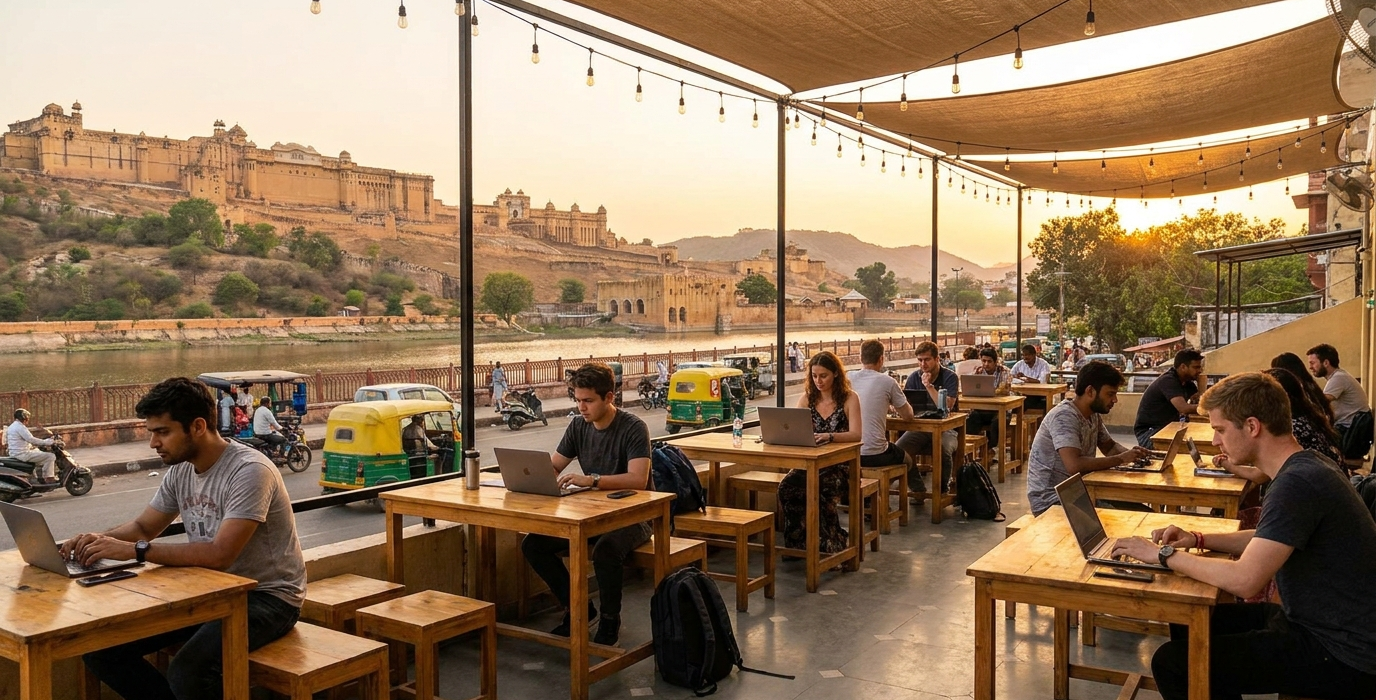
The co-working scene has exploded. Cities like Bengaluru, known as India’s Silicon Valley, boast countless options ranging from chic, boutique spaces to large, professional hubs offering dedicated desks, private offices, and networking events. However, you’ll also find thriving communities in places like Goa, Dharamshala, and Pondicherry. These often offer a more relaxed, community-focused atmosphere. A surprising fact: some of the most innovative co-working spaces are now emerging in Tier-2 and Tier-3 cities, recognizing the distributed nature of remote work and aiming to bring professional amenities closer to smaller towns. We’ve found that many offer flexible day passes and monthly memberships, making it easy to find what suits your needs.
Finding Your Tribe: The Growing Nomad Community
Beyond infrastructure, the human element is vital. India in 2026 is fostering a burgeoning digital nomad community. Online forums, Facebook groups, and local meetups are common ways to connect with like-minded individuals. These communities often organize social events, skill-sharing sessions, and even informal co-working days. This sense of belonging is invaluable, especially when you’re far from home.
Many co-living and co-working spaces actively promote community building. They host regular events, from yoga sessions and cooking classes to trekking trips and cultural excursions. For instance, in McLeod Ganj (Dharamshala), you’ll find digital nomads gathering for evening chai discussions, sharing insights about their work and their experiences living amidst the Tibetan culture. This interconnectedness makes navigating the initial challenges of settling in much smoother. It’s not just about finding a place to work; it’s about finding your people.
Cultural Immersion and Local Etiquette
India’s cultural tapestry is incredibly rich and diverse, offering an unparalleled immersive experience. From the vibrant festivals celebrated across different regions to the intricate art forms and spiritual practices, there’s always something new to discover. Embracing this diversity is key to a fulfilling nomad experience. Learning a few basic Hindi phrases, or even greetings in local languages like Marathi or Tamil, can go a long way in fostering genuine connections with locals.
Understanding local etiquette is also crucial. For example, when visiting temples or someone’s home, it’s customary to remove your shoes. Public displays of affection are generally frowned upon. Dressing modestly, especially when visiting religious sites or more conservative areas, is highly recommended. A specific cultural insight: the Indian head wobble, often misunderstood by foreigners, can signify agreement, acknowledgement, or even a polite ‘yes’. Observing and adapting to these nuances will enrich your interactions and make your stay more harmonious. Respecting local customs is not just polite; it’s essential for building trust and positive relationships.
Challenges to Anticipate and Overcome
While India offers immense opportunities, it’s essential to be realistic about the challenges. Bureaucracy can sometimes be slow and complex, whether it’s dealing with SIM card registrations or longer-term rental agreements. Traffic in major cities can be intense, and navigating public transport might require patience and a good understanding of local routes. Another significant consideration is the disparity in infrastructure between urban centers and rural areas, so planning your work setup accordingly is vital.
Health and safety are also paramount. While many areas are perfectly safe, it’s always wise to take precautions. Researching and choosing reputable accommodation and transport providers is important. Understanding local food hygiene practices and staying hydrated, especially in the warmer months, is crucial. Finally, be prepared for sensory overload; India is a country that engages all your senses, which can be exhilarating but also overwhelming at times. Planning short breaks or choosing quieter locations periodically can help manage this. The key is preparation and a flexible mindset.
Frequently Asked Questions
What are the best cities in India for digital nomads in 2026?
Top choices include Bengaluru for its tech hub status and extensive co-working options, Goa for its relaxed beach vibe and established nomad community, Pune for its pleasant climate and affordability, and Dharamshala (McLeod Ganj) for its serene mountain setting and spiritual appeal. Other emerging hubs like Kochi and Rishikesh are also gaining traction.
Is it easy to get a SIM card as a foreigner in India in 2026?
Yes, it’s generally straightforward, but it requires documentation. You’ll typically need your passport, visa, an Indian address, and passport-sized photographs. The process usually takes 24-48 hours to activate. Major telecom providers like Airtel, Jio, and Vi have extensive networks.
What is the average monthly budget for a digital nomad in India?
For a comfortable lifestyle including accommodation, food, co-working, and local transport, a budget of approximately ₹40,000 to ₹70,000 (approx. $480-$840 USD) per month is realistic in 2026 for most popular nomad locations. This can vary significantly based on your spending habits and chosen city.
Are there specific digital nomad visas available in India?
As of 2026, India does not have a universal digital nomad visa. However, some states and union territories are exploring or piloting specific programs to attract remote workers. It’s essential to check the latest immigration policies for the specific region you plan to visit and consider long-term tourist visas as an alternative, understanding their limitations.
What are the essential items to pack for a digital nomad trip to India?
Pack light, breathable clothing suitable for the climate you’ll be in. Include comfortable walking shoes, universal power adapters, a portable power bank, a good quality water bottle, any personal medications, and insect repellent. Don’t forget any necessary work equipment and comfortable attire for co-working spaces or client calls.