Key Takeaways
- India’s ancient dietary practices, deeply rooted in Ayurveda and regional culinary traditions, offer a rich blueprint for fostering a healthy gut microbiome.
- Fermented foods like idli, dosa, and various regional pickles are not just culinary staples but potent sources of beneficial probiotics crucial for gut health.
- Modern scientific research is increasingly validating the efficacy of these traditional foods and practices in managing digestive issues and promoting overall well-being.
- Simple, actionable steps like incorporating fermented foods, diverse plant-based ingredients, and mindful eating can significantly enhance your gut microbiome, even with a busy modern lifestyle.
The Foundation: How India’s Traditional Diets Nurture the Microbiome
For millennia, Indian cuisine has been a vibrant tapestry of flavours, spices, and cooking techniques, often developed with an intuitive understanding of health and well-being. What modern science is now calling the “gut microbiome”—the trillions of microorganisms living in our digestive tract—our ancestors likely understood through terms like “agni” (digestive fire) and the balance of “doshas.” These ancient systems didn’t just focus on taste; they emphasized ingredients and preparation methods that supported digestion and, by extension, a healthy internal ecosystem. You might be surprised to learn how many everyday Indian dishes are inherently designed to feed and protect your gut microbes.
Think about the widespread use of turmeric, ginger, garlic, and fenugreek. These aren’t just flavour enhancers; they possess powerful anti-inflammatory and antimicrobial properties that can help create a more favourable environment for beneficial gut bacteria. Similarly, the emphasis on whole grains, lentils, and a wide array of vegetables and fruits provides the fiber essential for feeding these microbes. This fiber acts as a prebiotic, essentially food for the good bacteria, allowing them to thrive and produce beneficial compounds like short-chain fatty acids (SCFAs), which are vital for gut lining health and immune function. We’re talking about a holistic approach that has sustained generations.
One surprising fact is that the unique spice blends, or masalas, common across India, often contain compounds that synergistically work to promote gut health. For instance, the combination of cumin, coriander, and cardamom, frequently found in North Indian cuisine, has been shown in preliminary studies to aid digestion and reduce bloating. This isn’t accidental; it’s the result of centuries of observation and refinement. The traditional preparation of these spices, often toasted before grinding, can also enhance their bioavailability and beneficial properties for your gut.
Fermented Foods: India’s Probiotic Powerhouses
If there’s one category of food that truly embodies India’s ancient wisdom for gut health, it’s fermented foods. From the steaming idlis and crispy dosas of the South to the tangy pickles found in every North Indian household, fermentation is a cornerstone of our culinary heritage. These processes, driven by lactic acid bacteria and yeasts, not only preserve food but also transform it, making nutrients more accessible and introducing a wealth of beneficial probiotics.
Consider the humble idli and dosa. Made from a batter of rice and urad dal (black gram lentils) that is fermented overnight, they are rich in B vitamins and probiotics. The fermentation process breaks down complex carbohydrates, making them easier to digest and potentially reducing the glycemic index. This is crucial for anyone looking to manage blood sugar levels or simply seeking a lighter, more gut-friendly meal. The probiotics present in freshly made idli-dosa batter can help rebalance your gut flora, combating the effects of stress or antibiotic use.
Beyond these breakfast staples, India boasts an incredible diversity of fermented products. Think of the tangy kanji or pickle enjoyed with parathas in Haryana and Punjab, or the pungent dahi (yogurt) that accompanies almost every meal. Even the ubiquitous achars, made from mangoes, lemons, or mixed vegetables, undergo lactic acid fermentation, providing a delightful kick of flavour and a dose of gut-friendly bacteria. A truly surprising fact is that the specific strains of lactic acid bacteria found in traditional Indian fermented foods can vary significantly by region and even by household, leading to a unique probiotic profile in each. This regional diversity means you can explore a whole world of gut-boosting flavours right in your own country.
Modern Science Validates Ancient Practices
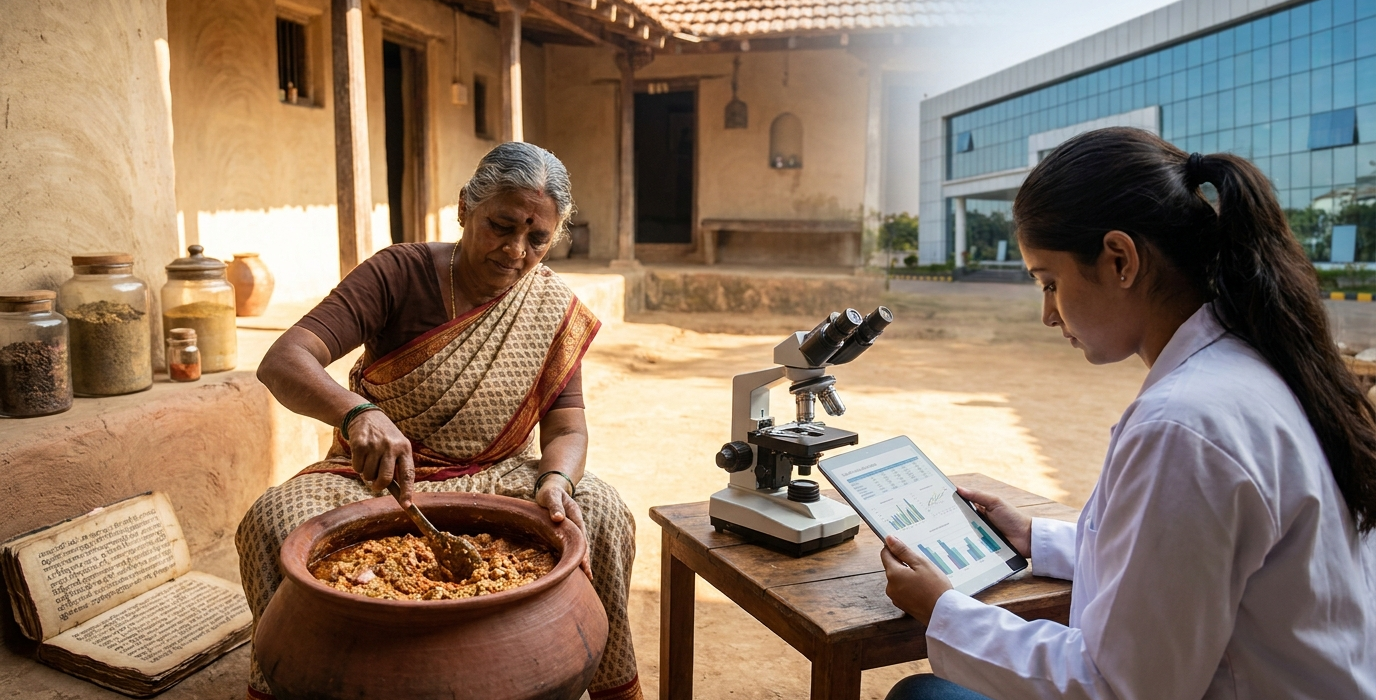
For a long time, the efficacy of traditional Indian dietary practices was anecdotal, passed down through generations. However, in recent years, a growing body of scientific research has begun to illuminate *why* these time-tested methods are so beneficial for our gut health. Researchers are now actively studying the complex interactions between the food we eat, the microbes in our gut, and our overall health, finding strong correlations with the principles laid out in Ayurveda and regional culinary traditions.
Studies published in reputable journals are demonstrating that the fiber-rich diets, prevalent in many parts of India, significantly promote the growth of beneficial gut bacteria. These bacteria, in turn, produce SCFAs like butyrate, which is a primary energy source for colonocytes (cells lining the colon) and plays a critical role in maintaining the integrity of the gut barrier. This barrier prevents harmful substances from entering the bloodstream, a key aspect of overall health that ancient texts often alluded to through concepts of detoxification and purity.
Furthermore, the probiotics found in fermented Indian foods like dahi, idli, and pickles are being investigated for their potential to alleviate symptoms of irritable bowel syndrome (IBS), improve nutrient absorption, and even boost the immune system. Emerging research is also looking at the impact of specific Indian spices, beyond their antioxidant properties, on modulating the gut microbiome composition. It’s a powerful validation of what our grandmothers and great-grandmothers intuitively knew – that food is medicine, and a healthy gut is the cornerstone of a healthy body. We are finally catching up to ancient wisdom with our advanced scientific tools.
Building Your Gut-Friendly Indian Diet: Practical Steps
Integrating the principles of a gut-healthy Indian diet into your modern lifestyle doesn’t require a complete overhaul. It’s about making smart, sustainable choices that leverage the best of our culinary heritage. The key lies in intentionality: understanding *why* certain foods and preparation methods are beneficial and then incorporating them more consciously into your daily meals. You can achieve significant improvements with relatively small, consistent changes.
Start by increasing your intake of fiber-rich foods. This means embracing whole grains like millets (bajra, jowar, ragi), brown rice, and whole wheat rotis over refined flours. Load up your meals with a diverse range of vegetables and legumes like dals and beans. Aim for at least five different colours of vegetables and fruits daily, as this variety provides different types of fiber and phytonutrients that feed a diverse range of gut microbes. Don’t shy away from regional vegetables; they often offer unique nutritional profiles.
Next, make fermented foods a regular part of your diet. Have a bowl of dahi with your lunch or dinner. Prepare fresh idli or dosa batter at home. Explore the world of regional pickles and chutneys, ensuring they are made with traditional methods. Even a small serving of these fermented delights daily can introduce beneficial probiotics. A surprising tip: try making your own shikanji (lemonade) with a touch of fermented ginger or mint for an extra gut boost. And remember, mindful eating—savouring your food, chewing thoroughly—also aids digestion and allows your gut to signal fullness effectively.
Beyond Diet: Other Pillars of Gut Wellness
While diet is undoubtedly a primary driver of gut health, it’s crucial to remember that our gut microbiome is influenced by a multitude of factors. Ancient Indian wisdom often encompassed not just food but also lifestyle, stress management, and physical activity as integral components of overall well-being. Modern science is now echoing these holistic approaches, recognizing that a healthy gut is a result of a balanced life.
Stress, for example, has a profound impact on the gut-brain axis. Chronic stress can alter gut motility, increase inflammation, and negatively affect the composition of your microbiome. Practices like yoga and meditation, deeply embedded in Indian culture, are powerful tools for managing stress. Even dedicating 15-20 minutes daily to deep breathing exercises or a short walk can make a significant difference to your gut’s resilience. We often overlook how intertwined our mental and digestive states truly are.
Adequate sleep is another often-underestimated pillar. During sleep, our bodies perform vital restorative functions, including those related to gut repair and microbial balance. Aim for 7-9 hours of quality sleep each night. Similarly, regular physical activity, from a brisk walk to a more rigorous workout, can positively influence gut motility and microbial diversity. It’s about creating a harmonious internal and external environment. A surprising insight from recent studies is that even moderate exercise can lead to an increase in specific beneficial bacteria that aid in nutrient absorption and reduce inflammation.
Navigating Common Gut Issues with an Indian Approach
Many common digestive complaints, such as bloating, indigestion, and irregular bowel movements, can often be effectively managed by revisiting traditional Indian dietary principles and lifestyle habits. Instead of immediately reaching for over-the-counter remedies, consider the gentle, systemic approach that our ancestors favoured. It’s about restoring balance rather than just suppressing symptoms.
For indigestion and bloating, focus on easily digestible foods and mindful eating. Opt for cooked vegetables over raw ones when experiencing discomfort, and ensure you are chewing your food thoroughly. Incorporating digestive spices like fennel seeds (saunf) or carom seeds (ajwain) in moderation can provide significant relief. Many Indian households traditionally chew on a pinch of saunf after meals for this very purpose. This simple practice aids in breaking down food and reducing gas formation.
For constipation, the emphasis should be on increasing fiber intake from whole grains, fruits, and vegetables, alongside adequate hydration. Warm water, especially in the morning, can be very effective. Prunes and figs, traditionally used in Indian remedies, are excellent sources of fiber and natural laxatives. For diarrhea, while it’s important to stay hydrated, reintroducing probiotics through dahi or other fermented foods can help restore the gut’s healthy bacterial balance more quickly. A surprising, yet effective, traditional remedy for mild stomach upset is a decoction of tulsi leaves, known for its antimicrobial properties.
Frequently Asked Questions
What are the most common Indian fermented foods for gut health?
The most common and beneficial include Dahi (yogurt), Idli and Dosa batter, various regional pickles (achar) made through lactic acid fermentation, and Shrikhand (a strained yogurt dessert). These provide a diverse range of probiotics.
How can I easily add more prebiotics to my Indian diet?
Focus on whole grains like millets and brown rice, lentils and beans, and a wide variety of vegetables and fruits. Onions, garlic, bananas, and asparagus are particularly good prebiotic sources that can be easily incorporated into Indian dishes.
Is it safe to eat spicy food for gut health?
Moderate consumption of traditional Indian spices is generally beneficial due to their anti-inflammatory and antimicrobial properties. However, excessively spicy food can irritate sensitive stomachs. Listen to your body and adjust spice levels accordingly. Some spices, like turmeric and ginger, are known to be gut-friendly.
Can a vegetarian Indian diet support a healthy gut microbiome?
Absolutely. A well-planned vegetarian Indian diet, rich in diverse vegetables, fruits, whole grains, legumes, and fermented foods, is exceptionally well-suited for fostering a healthy gut microbiome. The emphasis on plant-based foods naturally provides abundant fiber, which is crucial for beneficial gut bacteria.